Genres
Artists
Albums
Make Music
Sign in
Sign in
Artists
Sertanejo
Artists
Sertanejo
Renato Teixeira
1979–2018
·
4 albums
Listen
3
/5
Genres
Mpb
MPB (Música Popular Brasileira) is a broad Brazilian popular music movement that crystallized in the mid-1960s after bossa nova. It blends samba and other regional rhythms with jazz harmony, singer‑songwriter craft, and elements of contemporary pop and rock. The style is marked by sophisticated melodies, extended harmonies, inventive arrangements, and lyrically rich songs that often use poetry and metaphor. Many classic MPB works balance intimacy (voice and violão/nylon‑string guitar) with lush studio orchestration, drawing from samba‑canção, choro, baião, and frevo while engaging modern influences. Historically, MPB provided a platform for social commentary during Brazil’s military dictatorship, with artists employing allegory to navigate censorship. It remains a living tradition that continually renews itself through new generations (“nova MPB”).
Discover
Listen
Singer-Songwriter
Singer-songwriter is a song-focused style in which the same person writes, composes, and performs their own material, often accompanying themselves on acoustic guitar or piano. It emphasizes personal voice, lyrical intimacy, and storytelling over elaborate production. Arrangements are typically sparse, allowing the melody, words, and performance nuance to carry the song’s emotional weight. While rooted in folk and blues traditions, singer-songwriter embraces pop and rock songcraft, producing works that can range from quiet confessional ballads to subtly orchestrated, radio-ready pieces.
Discover
Listen
Sertanejo
Sertanejo is Brazil’s homegrown counterpart to country music, rooted in the rural song traditions of the country’s interior (música caipira) and later modernized for urban radio and arenas. Its core sound revolves around close-harmony duos, storytelling lyrics about love, longing, and countryside life, and the distinctive timbre of the viola caipira (10‑string Brazilian guitar) alongside acoustic guitar, accordion, and, in contemporary productions, full rhythm sections and pop‑leaning arrangements. Across a century, sertanejo evolved through several waves: the narrative, acoustic sertanejo raiz; the polished, romantic duos that conquered national television and FM radio; and the 2000s/2010s universitário movement that fused pop, rock, and electronic textures. Today it is one of Brazil’s most commercially dominant genres, spawning numerous substyles and crossovers while retaining its identity of heartfelt vocal harmonies and sing‑along choruses.
Discover
Listen
Sertanejo Tradicional
Sertanejo tradicional (also called sertanejo de raiz) is the early, roots-oriented form of Brazilian country music that crystallized from rural “caipira” song traditions in the early 20th century. It is centered on duet vocals singing in close harmony and the distinctive sound of the viola caipira (10‑string Brazilian guitar), often supported by acoustic guitar and, at times, accordion. The style features storytelling ballads (modas de viola), devotional and pastoral themes, and dance rhythms adapted from Iberian and Southern Cone sources such as waltz, polka, xote, chamamé, and guarânia. Its melodies are typically diatonic and folk-like, harmonies rely on simple functional progressions, and arrangements highlight picked patterns and bass runs (baixarias) on viola. Lyrically, the music celebrates rural life, love, faith, landscapes, and the nostalgia (saudade) of the countryside.
Discover
Listen
Ciranda
Ciranda is a traditional circle-dance song form from the northeastern coast of Brazil (especially Pernambuco), performed by singers and percussionists while participants hold hands and move in a large circle along the beach or town squares. Musically, ciranda is slow and steady, with an understated, rocking pulse that supports call-and-response singing between a lead voice (mestre) and the chorus. Verses are typically long and organized into quatrains, and the lyrical themes are often limited to love and affection, in keeping with its communal and celebratory setting. Its timbre is dominated by hand percussion (zabumba/surdo, caixa/tarol, pandeiro, ganzá, triângulo) with occasional melodic support from flute or accordion. The atmosphere is inclusive and processional: the song’s cadence invites everyone to keep circling and singing together.
Discover
Listen
Albums
2018
1
/5
+AR
Almir Sater & Renato Teixeira
Sertanejo
2015
1
/5
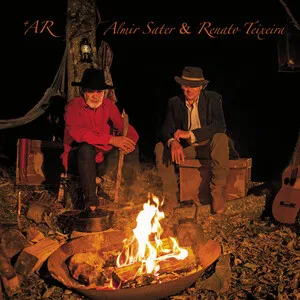
AR
Almir Sater & Renato Teixeira
Sertanejo
1979
1
/5
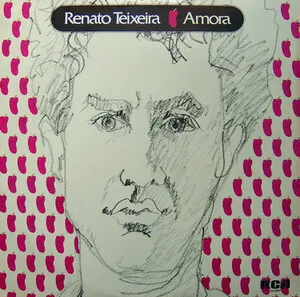
Amora
Renato Teixeira
Sertanejo
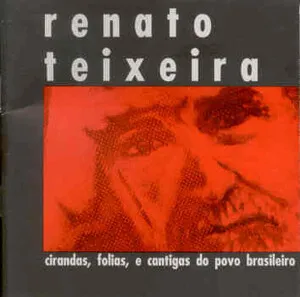
Cirandas, Folias e Cantigas do Povo Brasileiro
Renato Teixeira
Ciranda
Similar artists
3
/5
Almir Sater
Sertanejo
Sertanejo Raiz
Brazilian Folk Music
2
/5
Pena Branca
Mpb
Sertanejo
Sertanejo Tradicional
1
/5
Various Artists
Afro-Funk
Alternative Rock
Ambient
4
/5
Zezé Di Camargo & Luciano
Sertanejo
Country
Sertanejo Romântico
4
/5
Continental
Sertanejo
Sertanejo Raiz
Brega
4
/5
Leandro & Leonardo
Sertanejo Romântico
Sertanejo
Brega
4
/5
Luan Santana
Sertanejo Universitário
Arrocha
Sertanejo
3
/5
Tião Carreiro & Pardinho
Sertanejo
Sertanejo Tradicional
Sertanejo Raiz
2
/5
Pena Branca E Xavantinho
Sertanejo
Sertanejo Raiz
Sertanejo Tradicional
4
/5
Chitãozinho & Xororó
Sertanejo
Sertanejo Romântico
Sertanejo Tradicional
Download our mobile app
Get the Melodigging app and start digging for new genres on the go
Download on the App Store
Get it on Google Play
© 2026 Melodigging
Give feedback
Legal
Melodding was created as a tribute to
Every Noise at Once
, which inspired us to help curious minds keep digging into music's ever-evolving genres.