Genres
Artists
Albums
Make Music
Sign in
Sign in
Artists
Sertanejo
Artists
Sertanejo
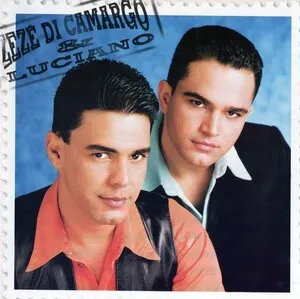
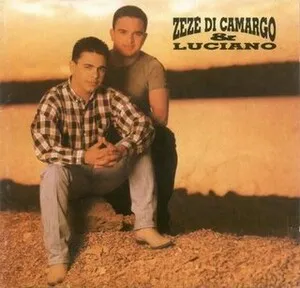
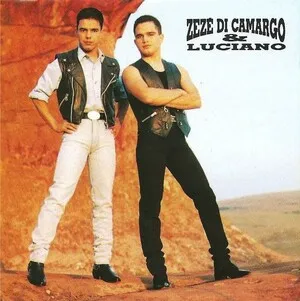
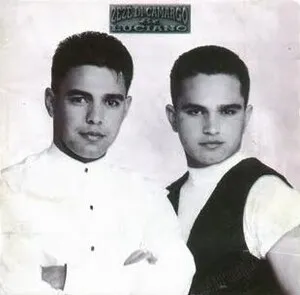
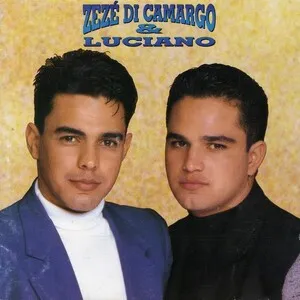
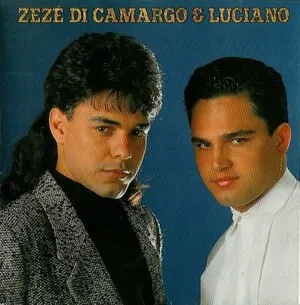
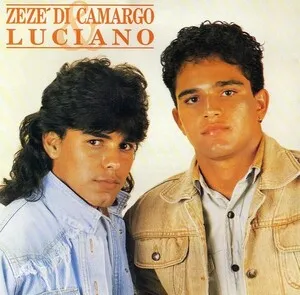
Zezé Di Camargo & Luciano
1991–2021
·
19 albums
Listen
4
/5
Genres
Reparto
Reparto is a contemporary Cuban urban dance genre that grew out of Havana’s neighborhood (“el reparto”) party circuits. It is built for high-energy street dancing, emphasizing syncopated, loop-based rhythms, shouted hooks, and a raw, percussive low-end that often feels closer to club-ready reggaeton than to traditional Cuban pop. A distinctive trait is the incorporation of Cuban music elements—especially salsa-derived rhythmic language and, in many productions, salsa-like guitar picking patterns that add a bright, montuno-adjacent drive over modern drum programming. Vocals typically alternate between rap-style delivery, call-and-response chants, and catchy repeated slogans designed for crowd participation.
Discover
Listen
Sertanejo Romântico
Sertanejo romântico is a polished, radio‑friendly strand of Brazilian sertanejo that centers on love, longing, and heartbreak. Duos singing in close harmony deliver melodic hooks over pop‑ballad arrangements, often with a "truck driver’s gear change" key lift in the final chorus to heighten emotion. Musically it blends the rural roots of moda de viola and classic sertanejo with urban pop, adult contemporary, bolero, and soft rock. Acoustic and electric guitars, piano, lush string pads, saxophone cameos, and later synths and drum machines are common. Tempos tend to be moderate (ballad to mid‑tempo), harmonic progressions are diatonic and singable, and production is glossy to suit mass radio and TV appeal. Lyrically it favors direct, sentimental storytelling—confessions of love, separations, idealized romance, and nostalgia—delivered in a conversational, emotive tone that made the style dominate Brazilian charts from the late 1980s through the 1990s.
Discover
Listen
Pop
Pop is a broad, hook-driven style of popular music designed for wide appeal. It emphasizes memorable melodies, concise song structures, polished vocals, and production intended for radio, charts, and mass media. While pop continually absorbs elements from other styles, its core remains singable choruses, accessible harmonies, and rhythmic clarity. Typical forms include verse–pre-chorus–chorus, frequent use of bridges and middle-eights, and ear-catching intros and outros. Pop is not defined by a single instrumentation. It flexibly incorporates acoustic and electric instruments, drum machines, synthesizers, and increasingly digital production techniques, always in service of the song and the hook.
Discover
Listen
Rock
Rock is a broad family of popular music centered on amplified instruments, a strong backbeat, and song forms that foreground riffs, choruses, and anthemic hooks. Emerging from mid‑20th‑century American styles like rhythm & blues, country, and gospel-inflected rock and roll, rock quickly expanded in scope—absorbing folk, blues, and psychedelic ideas—while shaping global youth culture. Core sonic markers include electric guitar (often overdriven), electric bass, drum kit emphasizing beats 2 and 4, and emotive lead vocals. Rock songs commonly use verse–chorus structures, blues-derived harmony, and memorable melodic motifs, ranging from intimate ballads to high‑energy, stadium‑sized performances.
Discover
Listen
Latin
Latin (as a genre label) is a broad umbrella used by the recording industry to categorize popular music rooted in Latin America, the Caribbean, and the Iberian world, often characterized by syncopated Afro-diasporic rhythms, dance-forward grooves, and lyrics primarily in Spanish or Portuguese. As a marketplace category that took shape in the mid-20th century United States, it gathers diverse traditions—Afro-Cuban, Brazilian, Mexican, and Caribbean styles—into a shared space. In practice, "Latin" spans everything from big-band mambo and bolero ballads to contemporary pop, rock, hip hop, and dance fusions produced by artists of Latin American heritage.
Discover
Listen
Folk
Folk is a song-centered acoustic tradition rooted in community storytelling, everyday life, and social history. It emphasizes clear melodies, simple harmonies, and lyrics that foreground narrative, protest, and personal testimony. As a modern recorded genre, folk coalesced in the early-to-mid 20th century in the United States out of older ballad, work song, and rural dance traditions. It typically features acoustic instruments (guitar, banjo, fiddle, mandolin, harmonica), strophic song forms, and participatory singing (choruses, call-and-response).
Discover
Listen
Sertanejo
Sertanejo is Brazil’s homegrown counterpart to country music, rooted in the rural song traditions of the country’s interior (música caipira) and later modernized for urban radio and arenas. Its core sound revolves around close-harmony duos, storytelling lyrics about love, longing, and countryside life, and the distinctive timbre of the viola caipira (10‑string Brazilian guitar) alongside acoustic guitar, accordion, and, in contemporary productions, full rhythm sections and pop‑leaning arrangements. Across a century, sertanejo evolved through several waves: the narrative, acoustic sertanejo raiz; the polished, romantic duos that conquered national television and FM radio; and the 2000s/2010s universitário movement that fused pop, rock, and electronic textures. Today it is one of Brazil’s most commercially dominant genres, spawning numerous substyles and crossovers while retaining its identity of heartfelt vocal harmonies and sing‑along choruses.
Discover
Listen
Country
Country is a roots-based popular music from the rural American South that blends Anglo-Celtic ballad traditions with African American blues, gospel, and string-band dance music. It is characterized by narrative songwriting, plainspoken vocals with regional twang, and a palette of acoustic and electric instruments such as acoustic guitar, fiddle, banjo, pedal steel, and telecaster guitar. Rhythmically it favors two-step feels, train beats, shuffles, and waltzes, while harmony is largely diatonic (I–IV–V) with occasional country chromaticism and secondary dominants. Across a century, country has evolved through substyles like honky-tonk, the Nashville and Bakersfield sounds, outlaw country, neotraditionalist revivals, pop-country, and country-rap hybrids, but it consistently prioritizes storytelling about everyday life, love, work, faith, place, and identity.
Discover
Listen
Sertanejo Tradicional
Sertanejo tradicional (also called sertanejo de raiz) is the early, roots-oriented form of Brazilian country music that crystallized from rural “caipira” song traditions in the early 20th century. It is centered on duet vocals singing in close harmony and the distinctive sound of the viola caipira (10‑string Brazilian guitar), often supported by acoustic guitar and, at times, accordion. The style features storytelling ballads (modas de viola), devotional and pastoral themes, and dance rhythms adapted from Iberian and Southern Cone sources such as waltz, polka, xote, chamamé, and guarânia. Its melodies are typically diatonic and folk-like, harmonies rely on simple functional progressions, and arrangements highlight picked patterns and bass runs (baixarias) on viola. Lyrically, the music celebrates rural life, love, faith, landscapes, and the nostalgia (saudade) of the countryside.
Discover
Listen
Show all 9 genres
Albums
2021
3
/5
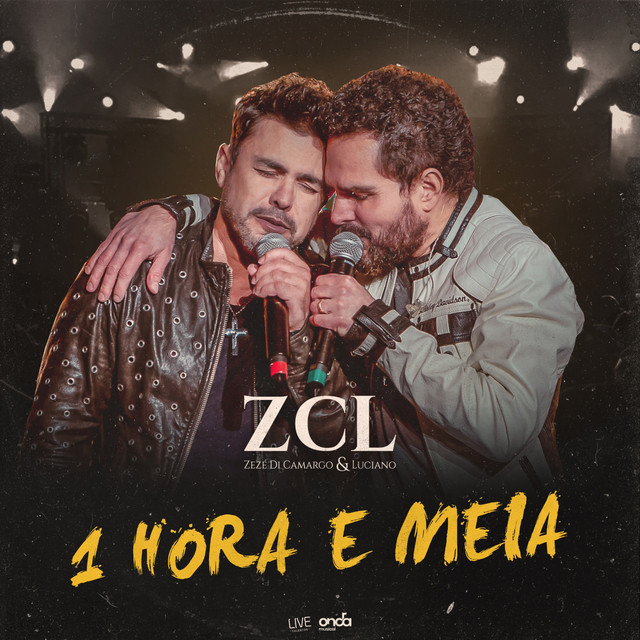
1 Hora e Meia
Zezé Di Camargo & Luciano
Sertanejo Tradicional
2017
Dois tempos, parte 2
Zezé Di Camargo & Luciano
Country
Sertanejo
2016
Dois Tempos
Zezé Di Camargo & Luciano
Country
Sertanejo
2014
Teorias de Raul
Zezé Di Camargo & Luciano
Country
Sertanejo
Sertanejo Romântico
2010
Double Face
Zezé Di Camargo & Luciano
Sertanejo
2006
Diferente
Zezé Di Camargo & Luciano
Country
Sertanejo
2005
3
/5
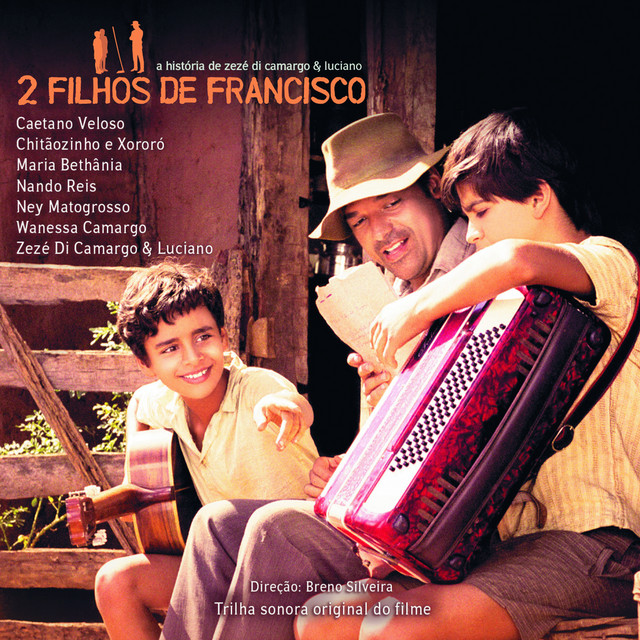
Trilha Sonora "Dois Filhos de Francisco"
Zezé Di Camargo & Luciano
Sertanejo Tradicional
2005
Zezé Di Camargo & Luciano
Zezé Di Camargo & Luciano
Country
Folk
Sertanejo
2000
4
/5
Zezé di Camargo & Luciano [X]
Zezé di Camargo & Luciano
Sertanejo Romântico
Country
Pop
1999
4
/5
Zezé di Camargo & Luciano [IX]
Zezé di Camargo & Luciano
Sertanejo Romântico
Country
Pop
1998
4
/5
Zezé di Camargo & Luciano [VIII]
Zezé di Camargo & Luciano
Sertanejo Romântico
Country
Pop
1997
4
/5
Zezé di Camargo & Luciano [VII]
Zezé di Camargo & Luciano
Sertanejo Romântico
Country
Sertanejo
1996
4
/5
Zezé di Camargo & Luciano [VI]
Zezé di Camargo & Luciano
Sertanejo Romântico
Country
Latin
1995
4
/5
Zezé di Camargo & Luciano [V]
Zezé di Camargo & Luciano
Sertanejo Romântico
Country
Latin
1995
Camargo & Luciano
Camargo & Luciano
Country
Latin
Sertanejo
1994
4
/5
Zezé di Camargo & Luciano [IV]
Zezé di Camargo & Luciano
Sertanejo Romântico
Country
Latin
1993
4
/5
Zezé di Camargo & Luciano [III]
Zezé di Camargo & Luciano
Sertanejo Romântico
Country
Sertanejo
1992
4
/5
Zezé di Camargo & Luciano
Zezé di Camargo & Luciano
Sertanejo Romântico
Country
Latin
1991
4
/5
Zezé di Camargo & Luciano
Zezé di Camargo & Luciano
Sertanejo Romântico
Sertanejo
Country
Similar artists
4
/5
Bruno & Marrone
Sertanejo Tradicional
Sertanejo Romântico
Sertanejo
1
/5
Various Artists
Afro-Funk
Alternative Rock
Ambient
4
/5
Leandro & Leonardo
Sertanejo Romântico
Sertanejo
Brega
4
/5
Paula Fernandes
Sertanejo
Sertanejo Tradicional
Sertanejo Romântico
4
/5
Continental
Sertanejo
Sertanejo Raiz
Brega
4
/5
Victor & Leo
Sertanejo
Sertanejo Tradicional
Sertanejo Romântico
4
/5
Luan Santana
Sertanejo Universitário
Arrocha
Sertanejo
4
/5
Chitãozinho & Xororó
Sertanejo
Sertanejo Romântico
Sertanejo Tradicional
4
/5
Chrystian & Ralf
Sertanejo Romântico
Sertanejo
Sertanejo Tradicional
4
/5
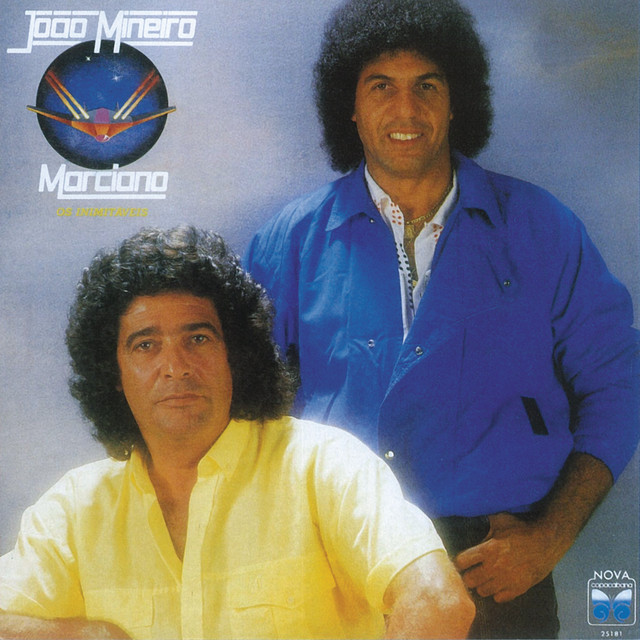
João Mineiro & Marciano
Brega
Sertanejo
Sertanejo Tradicional
Download our mobile app
Get the Melodigging app and start digging for new genres on the go
Download on the App Store
Get it on Google Play
© 2026 Melodigging
Give feedback
Legal
Melodding was created as a tribute to
Every Noise at Once
, which inspired us to help curious minds keep digging into music's ever-evolving genres.