Genres
Artists
Albums
Make Music
Sign in
Sign in
Artists
Hardcore Punk
Artists
Hardcore Punk
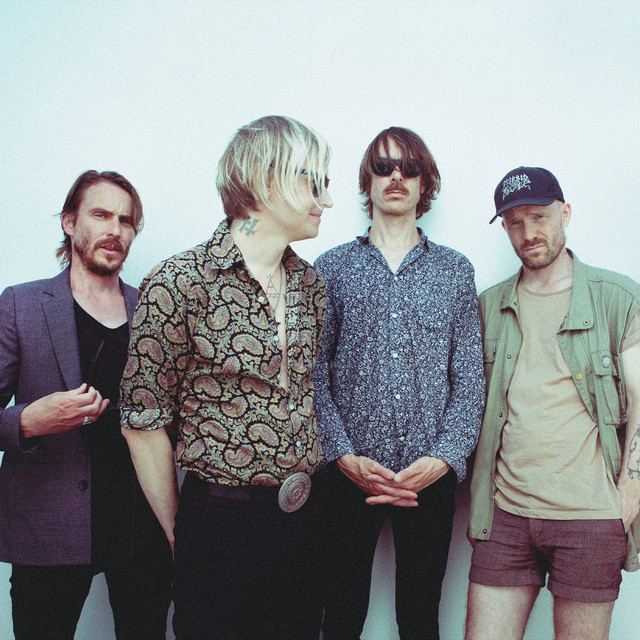
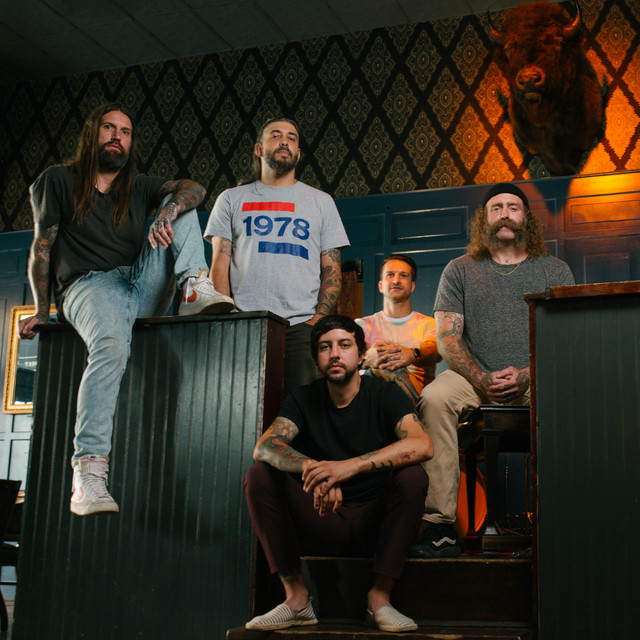
Refused
1996–2024
·
3 albums
Listen
3
/5
Genres
Electronic Djent
Electronic djent is a hybrid microgenre that fuses the palm‑muted, polyrhythmic chug and extended‑range guitar vocabulary of djent with the sound design, structures, and drops of modern electronic music. Producers and guitarists build songs around tight, syncopated low‑string riffs, then interweave synth basses, arpeggiators, glitch edits, and half‑time drops drawn from dubstep, drum & bass, and IDM. The result feels at once mechanical and cinematic: staccato guitars lock to quantized drums while side‑chained pads and digital ‘wub’ basses breathe in the spaces between the accents. Although largely instrumental, the genre ranges from sleek, futuristic ‘chip‑djent’ and synthwave‑tinted palettes to heavier industrial and bass‑music crossovers. It is a quintessential internet‑era style: written in DAWs, shared on Bandcamp/YouTube, and refined by tight community feedback loops.
Discover
Listen
Darksynth
Darksynth is a brooding, aggressive offshoot of synthwave that fuses 1980s cinematic synth aesthetics with the bite of industrial and EBM. It emphasizes distorted bass arpeggios, minor-key motifs, and ominous atmospheres inspired by slasher films, cyberpunk dystopias, and occult imagery. The style typically features saturated analog-style timbres, reese and FM basses, gated reverbs, and pounding, 80s-informed drum programming. While it retains retro color and melody, it pushes into harsher sound design, higher contrast dynamics, and heavier rhythmic impact than most synthwave, often flirting with metal’s intensity and industrial’s menace.
Discover
Listen
Modern Melodic Hardcore
Modern melodic hardcore is a contemporary evolution of hardcore punk that foregrounds tuneful, emotive guitar lines and memorable vocal hooks without sacrificing speed, urgency, or bite. It typically pairs fast, driving rhythms (often in the 160–210 BPM range) and shouted–sung vocals with bright octave riffs, ringing chords, and dynamic shifts between explosive passages and reflective, melodic breaks. Compared with earlier waves, the modern form embraces cleaner production, bigger choruses, and influences from emo, post-hardcore, and power-pop—producing songs that are both cathartic and catchy.
Discover
Listen
Post-Post-Hardcore
Post-post-hardcore is a polished, third-wave offshoot of post-hardcore that crystallized in the 2010s. It fuses the genre’s emotive, dynamic vocals and tension-release structures with modern pop hooks, electronic programming, and metalcore heft. Compared with classic post-hardcore, it favors glossy production, radio-leaning choruses, and hybridized textures—think syncopated djent-lite riffs under bright synths, EDM-style risers and drops, half-time breakdowns, and call-and-response vocals (screamed versus soaring cleans). The result is an accessible yet intense sound that thrives in the internet era of playlists, YouTube covers, and scene cross-pollination.
Discover
Listen
Post-Screamo
Post-screamo is a modern, studio-savvy offshoot of screamo that blends the genre’s emotive harsh vocals with sleek, pop-leaning hooks and polished, post-hardcore/metalcore instrumentation. Compared with classic screamo, it favors dynamic “scream-and-sing” song forms, EDM/electronic textures, and breakdowns with djent-tinged guitar tones. Clean choruses, cinematic builds, and glossy production sit alongside cathartic screams, creating a style that is equal parts heavy release and radio-ready melodicism.
Discover
Listen
Transpop
Transpop is a contemporary pop micro-scene centered on transgender and gender‑expansive artists and narratives. It blends glossy pop songwriting with internet‑native production aesthetics drawn from hyperpop, electropop, and bedroom pop. Stylistically, it favors hook‑forward melodies, bright synths, pitched and processed vocals, and beat palettes that oscillate between four‑on‑the‑floor dance-pop and trap‑influenced rhythms. Lyrically it foregrounds identity, euphoria, dysphoria, love, self‑fashioning, and chosen family, often with a confessional, diaristic tone. While global and community‑driven, the sound coalesced online (SoundCloud/Discord/TikTok) and in indie queer club spaces, making it both danceable and emotionally candid.
Discover
Listen
Cybergrind
Cybergrind is an ultra-kinetic fusion of grindcore’s extremity with digital production and club-adjacent sound design. It pairs screamed or growled vocals and whiplash riffing with drum machines, trackers, and DAWs that unleash blast beats far beyond human performance, glitch edits, and brutal, bit-crushed textures. Stylistically, it draws from breakcore, digital hardcore, industrial, gabber, and speedcore, translating grind’s micro-song intensity into a hyper-digital aesthetic. Song lengths are often short, arrangements swing between chaotic bursts and razor-cut grooves, and synths/organs/8‑bit timbres frequently replace or double traditional guitars. Lyrically and visually, cybergrind leans into dystopia, technophobia/techno‑fetish, internet culture, and cyberpunk imagery.
Discover
Listen
Hardcore
Hardcore (often called hardcore techno in its early form) is a fast, aggressive branch of electronic dance music characterized by heavily distorted, punchy 4/4 kick drums, tempos ranging from roughly 160 to well over 200 BPM, and a dark, high‑energy aesthetic. It emphasizes percussive drive over complex harmony, using clipped and saturated kick-bass sound design, sharp hi-hats, claps on the backbeat, and harsh synth stabs or screeches. Vocals, when present, are typically shouted hooks, sampled movie lines, or crowd chants processed with distortion and effects. Originating in the Netherlands in the early 1990s, the style quickly splintered into related scenes and subgenres such as gabber, happy hardcore, Frenchcore, terrorcore, speedcore, and later hardstyle. Its culture is closely associated with large-scale raves, specialized labels, and distinctive visual branding.
Discover
Listen
Post-Hardcore
Post-hardcore is a branch of hardcore punk that retains the style’s urgency and DIY ethos while expanding its musical vocabulary. Bands push beyond breakneck tempos and simple power-chord progressions into more dynamic song structures, varied rhythms, and a wider emotional range. Guitars often alternate between caustic distortion and clean, chiming textures; vocals can shift from shouted slogans to melodic singing; and arrangements emphasize tension-and-release, odd meters, and dramatic builds. Lyrically, post-hardcore tends to be more introspective and socially conscious than its hardcore roots, touching on personal, political, and philosophical themes.
Discover
Listen
Avant-Garde Metal
Avant-garde metal is a branch of metal that embraces experimentation as a core principle. It extends the genre’s sonic vocabulary through unusual song forms, dissonant harmony, non-standard instrumentation, and an eagerness to fuse styles that traditionally sit outside heavy music. Where conventional metal often relies on riff-driven structures, avant-garde metal frequently employs through-composed forms, asymmetrical rhythms, and abrupt dynamic shifts. Its palette can include strings, woodwinds, brass, electronics, prepared instruments, and extended vocal techniques alongside distorted guitars and aggressive drums. Lyrically and conceptually, the style leans toward the surreal, the philosophical, and the theatrical. The result is a deliberately challenging, exploratory music that values atmosphere, texture, and surprise as much as impact and heaviness.
Discover
Listen
Straight Edge
Straight edge is a strain of hardcore punk defined as much by its ethical stance as by its sound. The term comes from Minor Threat’s 1981 song "Straight Edge," which rejected alcohol, tobacco, and recreational drugs, and often extended to promiscuity, gambling, and later to vegetarianism/veganism. Musically, straight edge bands play fast, compact hardcore marked by urgent tempos, shouted lead vocals, gang-chorus hooks, and breakdowns built for stage dives and pile-ons. Guitars use tight, mid-to-high gain power-chords with minimal solos, while drums favor skank beats and brisk two-steps. Lyrically, songs emphasize self-control, personal responsibility, community, and social awareness, delivered with a positive, motivational tone even when confronting anger or injustice. Aesthetically, the movement adopted DIY ethics and recognizable symbols—most famously the “X” on hands—reflecting an all-ages, alcohol-free show culture and a commitment to sober spaces within punk.
Discover
Listen
Hardcore Punk
Hardcore punk is a faster, louder, and more abrasive offshoot of late-1970s punk rock. Songs are typically short (often under two minutes), propelled by rapid tempos, aggressive down‑stroked guitar riffs, and shouted or barked vocals. The style prioritizes raw energy over technical ornamentation: power‑chord harmony, minimal guitar solos, and tightly locked rhythm sections dominate. Lyrically, hardcore punk is intensely direct—often political, anti‑authoritarian, and socially critical—reflecting a DIY ethic that values independent labels, self‑organized shows, and community‑run spaces. The genre coalesced in U.S. scenes such as Los Angeles, Washington, D.C., New York, and Boston, and soon spread internationally. Its velocity, attitude, and grassroots infrastructure profoundly shaped underground music and paved the way for numerous metal, punk, and alternative subgenres.
Discover
Listen
Punk Rock
Punk rock is a fast, raw, and stripped‑down form of rock music that foregrounds energy, attitude, and the DIY ethic over technical polish. Songs are short (often 90–180 seconds), in 4/4, and driven by down‑stroked power‑chord guitars, eighth‑note bass, and relentless backbeat drumming. Vocals are shouted or sneered rather than crooned, and lyrics are direct, often political, anti‑establishment, or wryly humorous. Production is intentionally unvarnished, prioritizing immediacy and live feel over studio perfection. Beyond sound, punk rock is a culture and practice: independent labels, fanzines, all‑ages venues, self‑organized tours, and a participatory scene that values inclusivity, affordability, and self‑reliance.
Discover
Listen
Punk
Punk is a fast, abrasive, and minimalist form of rock music built around short songs, stripped-down instrumentation, and confrontational, anti-establishment lyrics. It emphasizes DIY ethics, raw energy, and immediacy over virtuosity, often featuring distorted guitars, shouted or sneered vocals, and simple, catchy melodies. Typical songs run 1–3 minutes, sit around 140–200 BPM, use power chords and basic progressions (often I–IV–V), and favor live, unpolished production. Beyond sound, punk is a cultural movement encompassing zines, independent labels, political activism, and a fashion vocabulary of ripped clothes, leather, and safety pins.
Discover
Listen
Show all 14 genres
Albums
2024
2
/5
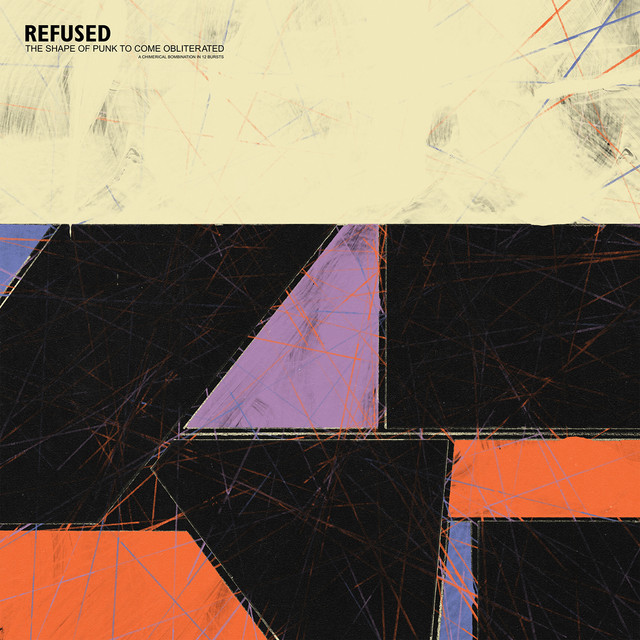
The Shape Of Punk To Come Obliterated
Igorrr
Cybergrind
Avant-Garde Metal
1998
1
/5
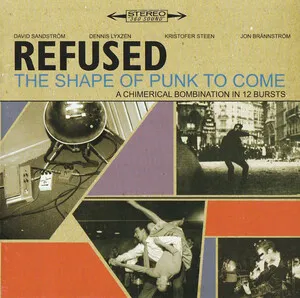
The Shape of Punk to Come
Refused
Post-Hardcore
Hardcore Punk
Punk Rock
1996
2
/5
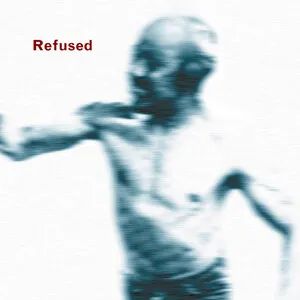
Songs to Fan the Flames of Discontent
Refused
Straight Edge
Similar artists
3
/5
Every Time I Die
Mathcore
Metalcore
Hardcore Punk
3
/5
Converge
Hardcore Punk
Metalcore
Mathcore
3
/5
Hüsker Dü
Experimental Rock
Hardcore Punk
Post-Hardcore
3
/5
Drug Church
Hardcore Punk
Melodic Hardcore
Dreamo
2
/5
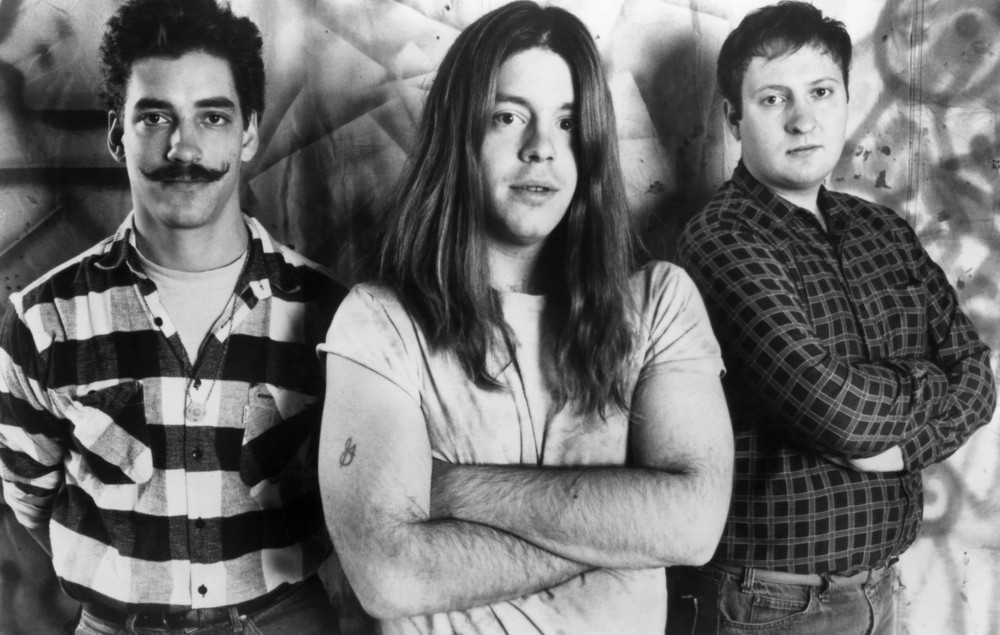
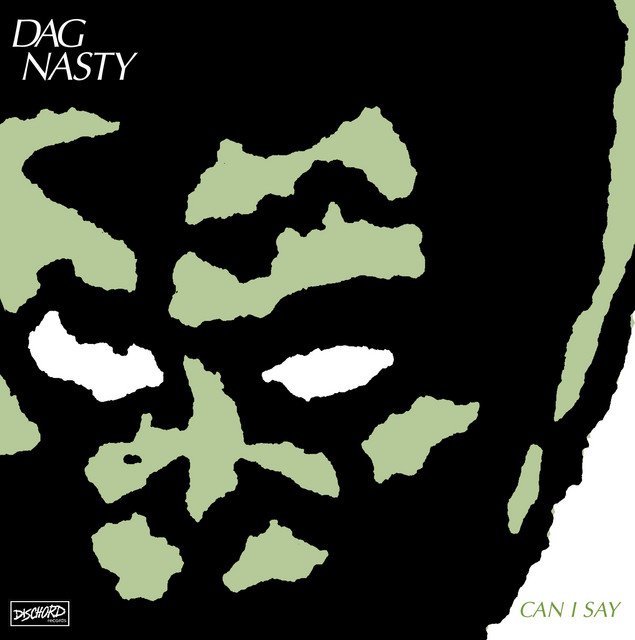
Dag Nasty
Hardcore Punk
Punk
Revolution Summer
3
/5
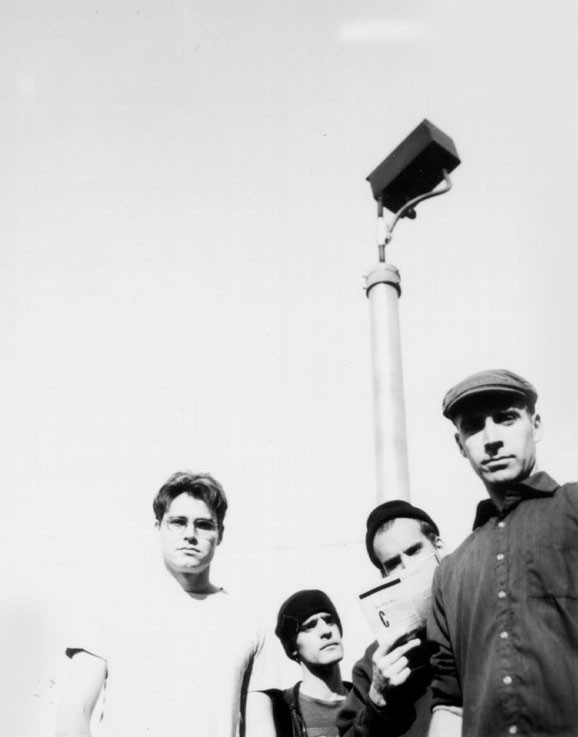
Fugazi
Post-Hardcore
Punk
Rock
3
/5
Counterparts
Melodic Hardcore
Metalcore
Hardcore Punk
3
/5
Bad Brains
Hardcore Punk
Proto-Punk
Punk
3
/5
Discharge
Hardcore Punk
Punk
Grindcore
3
/5
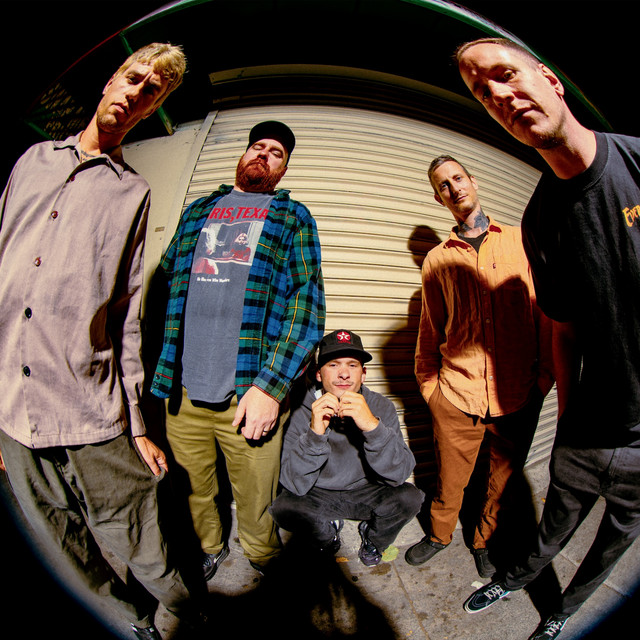
DRAIN
Hardcore Punk
Hardcore
Modern Hardcore
Download our mobile app
Get the Melodigging app and start digging for new genres on the go
Download on the App Store
Get it on Google Play
© 2026 Melodigging
Give feedback
Legal
Melodding was created as a tribute to
Every Noise at Once
, which inspired us to help curious minds keep digging into music's ever-evolving genres.