
Genres
Artists
Albums
Make Music
Sign in
Sign in
Artists
English Pastoral School
Artists
English Pastoral School
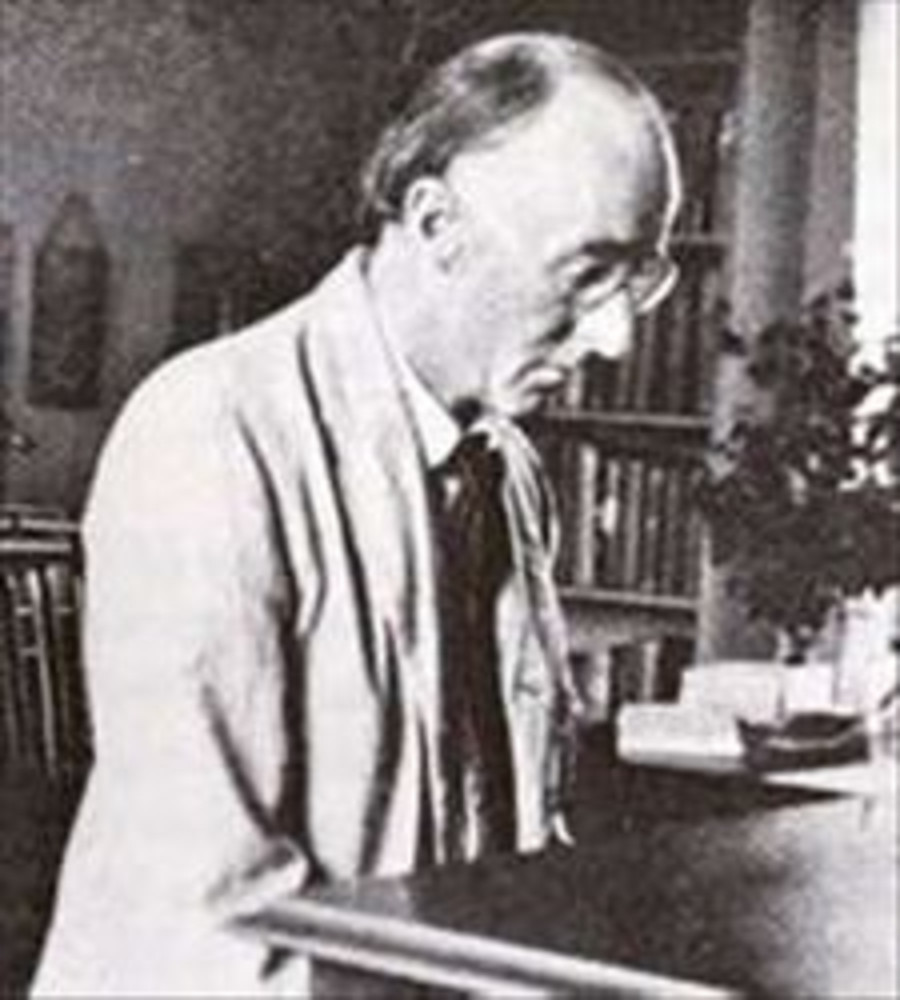
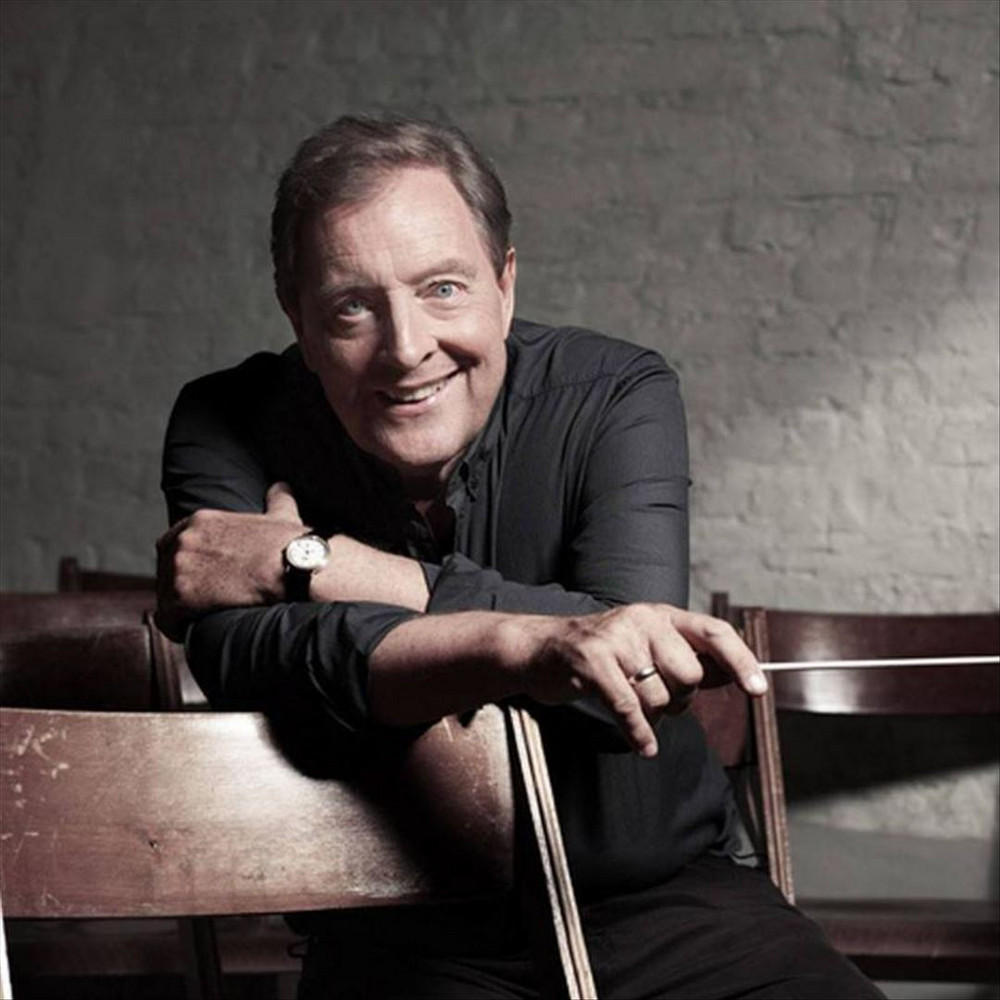
Ralph Vaughan Williams
1972–2019
·
16 albums
Listen
3
/5
Genres
Pet Calming
Pet calming is a functional micro‑genre designed to reduce stress and arousal in companion animals—primarily dogs and cats—during triggering situations such as owner absence, fireworks, vet visits, thunderstorms, or travel. Musically it favors very slow tempos, sparse arrangements, soft timbres (piano, pads, gentle strings, warm guitars), long sustains, smooth envelopes, and stable, consonant harmonies. Dynamics are kept narrow and transients are tamed to avoid startle responses. Many releases add gentle environmental ambiences (rain, ocean, rustling leaves) or unobtrusive pink/white‑noise beds to mask external sounds. Structures are highly repetitive with gradual variation so the soundscape feels predictable and safe. While aimed at non‑human listeners, the genre is informed by animal‑behavior findings (e.g., predictable low‑arousal sound reduces stress) and by human relaxation idioms (ambient, new age, lullaby). It is commonly delivered as long‑form, streaming‑friendly content that owners can loop for hours.
Discover
Listen
English Pastoral School
The English Pastoral School is an early 20th‑century current in British classical music that evokes the landscapes, folk traditions, and choral heritage of England. Its sound is lyrical, modal, and often deliberately diatonic, favoring transparent textures and long, singing lines over dense chromaticism. Composers in this movement frequently drew on English folk songs and hymnody, and rediscovered techniques from Tudor and Renaissance polyphony. Orchestration tends to feature warm strings, solo woodwinds (especially oboe and cor anglais), horn choirs, and harp, with choral and organ writing closely allied to Anglican liturgy. The mood ranges from serenely bucolic to elegiac, reflecting both an idealized countryside and the losses of the First World War.
Discover
Listen
Concert Band
Concert band refers to the symphonic wind ensemble tradition that performs concert music for woodwinds, brass, and percussion, sometimes augmented by double bass, harp, piano, and other color instruments. Unlike marching bands, concert bands are designed for seated indoor performance with nuanced dynamics, refined balance, and a wide stylistic range—from ceremonial marches and overtures to suites, tone poems, and contemporary works. Over the 20th century the repertoire expanded beyond transcriptions of orchestral music to a large body of original works by major composers, establishing the concert band as a distinct and sophisticated medium with its own idioms, colors, and performance practices.
Discover
Listen
Ballad Opera
Ballad opera is an English-language theatrical form that combines spoken dialogue with songs set to familiar popular tunes, folk melodies, and dance airs, often with newly written, satirical lyrics. It arose in early 18th-century London as an anti-elitist response to imported Italian opera seria. Musically, numbers are short, strophic, and tuneful, supported by light, diatonic harmonies and a small pit ensemble. Dramatically, the plots feature contemporary, often lower- or middle-class characters—thieves, tavern-goers, soldiers—allowing pointed social commentary. The best-known exemplar is John Gay’s The Beggar’s Opera (1728), with arrangements by J. C. Pepusch, which set the template for the genre’s blend of popular song, satire, and spoken play.
Discover
Listen
British Music
British music is an umbrella term for the musical traditions and innovations that emerged from the United Kingdom, spanning folk, sacred, classical, and popular forms. Rooted in medieval and Renaissance church and court music, it absorbed Celtic and English folk traditions, later contributing decisively to Western classical repertoire and, in the 20th century, to globally dominant popular styles. From madrigals and cathedral choirs to the symphonic works of Purcell, Elgar, and Britten—and from skiffle and the British Invasion to punk, metal, electronic dance music, and grime—British music emphasizes melody, lyrical storytelling, and a spirit of hybridization. In popular culture, Britain repeatedly catalyzed world trends: the 1960s beat and rock explosion, 1970s hard rock and heavy metal, late-1970s punk and post-punk, 1980s synth-pop and new wave, 1990s Britpop and electronic subcultures, and 2000s–present urban and club styles like grime, drum and bass, and UK drill.
Discover
Listen
Classical
Classical music is the notated art-music tradition of Europe and its global descendants, characterized by durable forms, carefully codified harmony and counterpoint, and a literate score-based practice. The term “classical” can refer broadly to the entire Western art-music lineage from the Medieval era to today, not just the Classical period (c. 1750s–1820s). It privileges long-form structures (such as symphonies, sonatas, concertos, masses, and operas), functional or modal harmony, thematic development, and timbral nuance across ensembles ranging from solo instruments to full orchestras and choirs. Across centuries, the style evolved from chant and modal polyphony to tonal harmony, and later to post-tonal idioms, while maintaining a shared emphasis on written notation, performance practice, and craft.
Discover
Listen
Albums
2019
1
/5
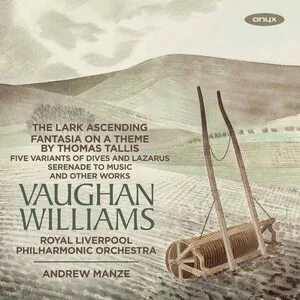
The Lark Ascending; Fantasia on a Theme by Thomas Tallis; Five Variants of Dives and Lazarus; Serenade to Music and Oth…
Ralph Vaughan Williams / Royal Liverpool Philharmonic Orchestra / Andrew Manze
English Pastoral School
1999
1
/5
Symphony No.6; In the Fen Country; On Wenlock Edge
Ralph Vaughan Williams
English Pastoral School
1998
1
/5
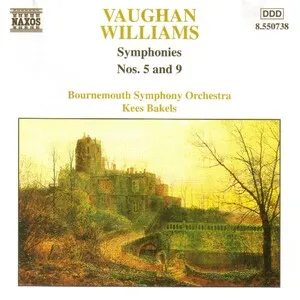
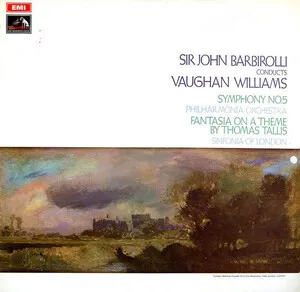
Symphonies Nos. 5 and 9
Ralph Vaughan Williams / Bournemouth Symphony Orchestra / Kees Bakels
English Pastoral School
1995
1
/5
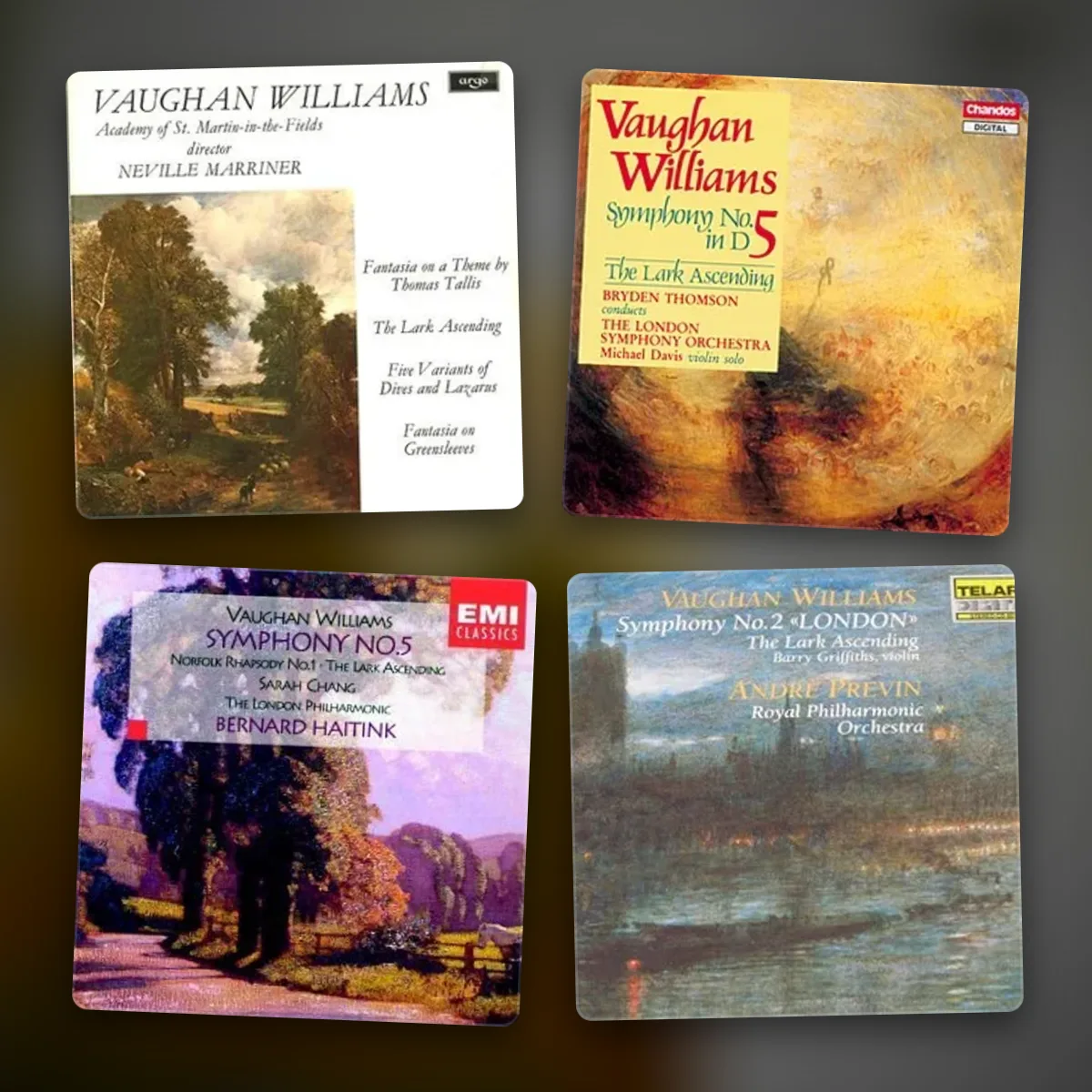
Symphony No.5; Norfolk Rhapsody No.1; The Lark Ascending
Ralph Vaughan Williams
English Pastoral School
1994
1
/5
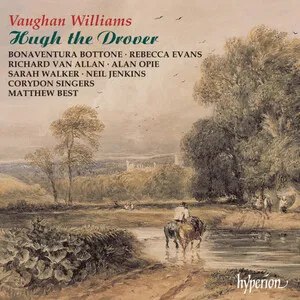
Hugh the Drover
Ralph Vaughan Williams
Ballad Opera
1990
1
/5
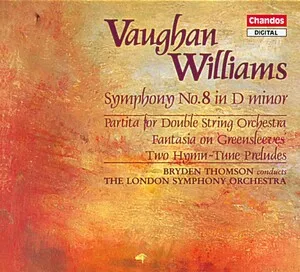
Symphony No. 8 in D minor; Partita for Double String Orchestra; Fantasia on 'Greensleeves'; Two Hymn-Tune Preludes
Ralph Vaughan Williams / London Symphony Orchestra / Bryden Thomson
English Pastoral School
1988
1
/5
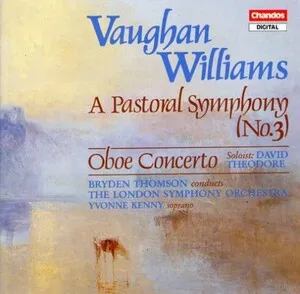
A Pastoral Symphony (no. 3); Oboe Concerto
Ralph Vaughan Williams
English Pastoral School
1987
1
/5
Symphony No. 5 in D; The Lark Ascending
Ralph Vaughan Williams
English Pastoral School
1987
1
/5
Symphony No. 2 "London"; The Lark Ascending
Ralph Vaughan Williams
English Pastoral School
1972
3
/5
Fantasia on a Theme by Thomas Tallis; The Lark Ascending; Five Variants of Dives and Lazarus; Fantasia on Greensleeves
Ralph Vaughan Williams / Academy of St Martin in the Fields / Neville Marriner
English Pastoral School
British Music
1972
1
/5
Symphony No. 3 "A Pastoral Symphony"; Tuba Concerto in F minor
Ralph Vaughan Williams
English Pastoral School
Husa / Copland / Vaughan Williams / Hindemith
Ralph Vaughan Williams
Concert Band
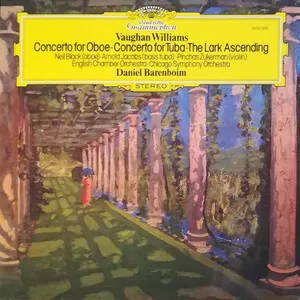
Concerto for Oboe; Concerto for Tuba; The Lark Ascending
Ralph Vaughan Williams
English Pastoral School
Symphony No. 5 in D Major; Fantasia on a Theme by Thomas Tallis
Ralph Vaughan Williams
English Pastoral School
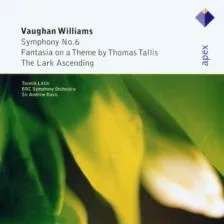
Symphony No. 6; Fantasia on a Theme by Thomas Tallis; The Lark Ascending
Ralph Vaughan Williams
English Pastoral School
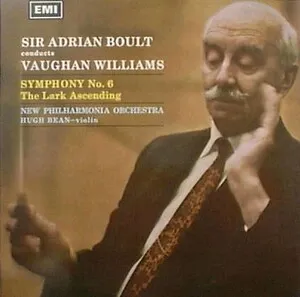
Symphony No. 6; The Lark Ascending
Ralph Vaughan Williams
English Pastoral School
Similar artists
4
/5
London Symphony Orchestra
Classical
Ballet
Concerto
4
/5
London Philharmonic Orchestra
Opera
Classical
Deep Soundtrack
3
/5
Frederick Delius
Classical
English Pastoral School
Pet Calming
4
/5
Royal Philharmonic Orchestra
Calming Instrumental
Classical
Deep Soundtrack
4
/5
Academy of St. Martin in the Fields
Classical
Classical Performance
Baroque
4
/5
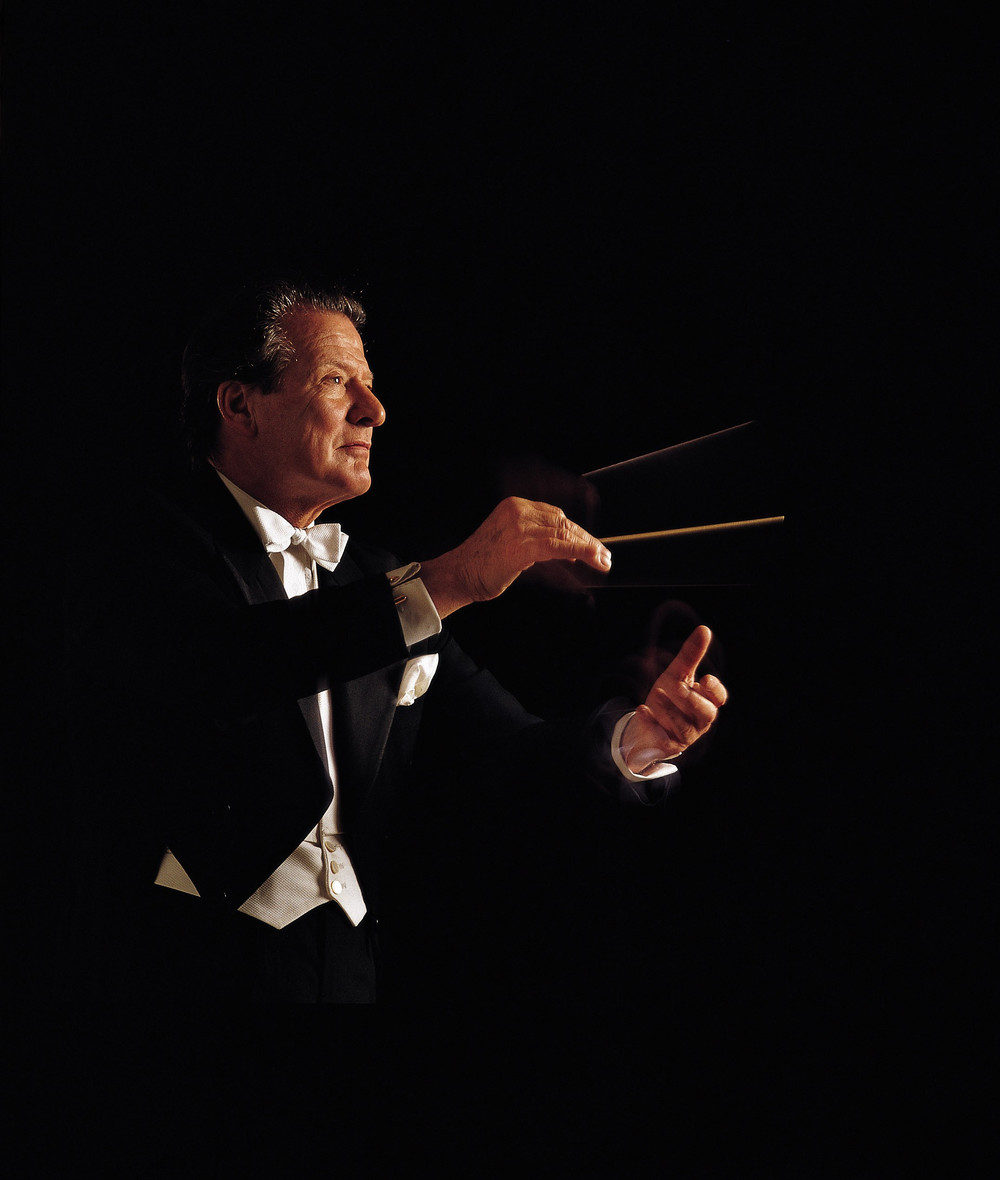
Sir Neville Marriner
Classical
Baroque
Classical Performance
3
/5
Howard Shelley
Classical
Classical Piano
Pet Calming
3
/5
Richard Hickox
Choral
Classical
Opera
3
/5
Howard Griffiths
Classical
Pet Calming
English Pastoral School
2
/5
Gerald Finzi
Classical
Pet Calming
English Pastoral School
Download our mobile app
Get the Melodigging app and start digging for new genres on the go
Download on the App Store
Get it on Google Play
© 2026 Melodigging
Give feedback
Legal
Melodding was created as a tribute to
Every Noise at Once
, which inspired us to help curious minds keep digging into music's ever-evolving genres.