Genres
Artists
Albums
Make Music
Sign in
Sign in
Artists
Italo Dance
Artists
Italo Dance
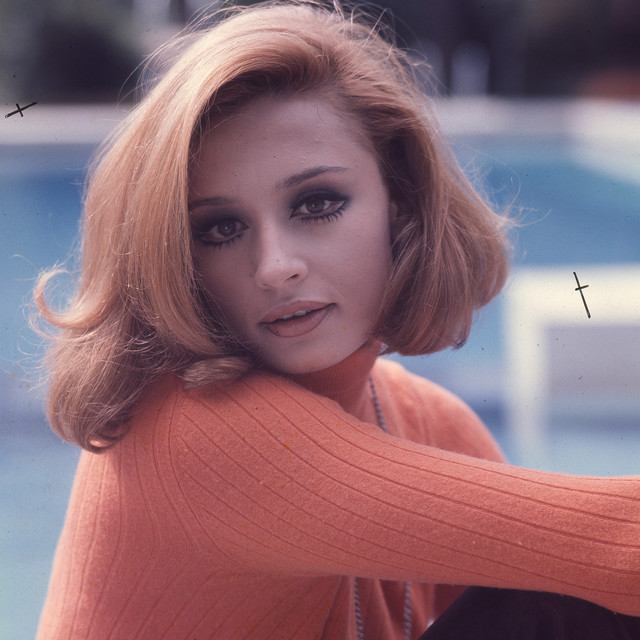
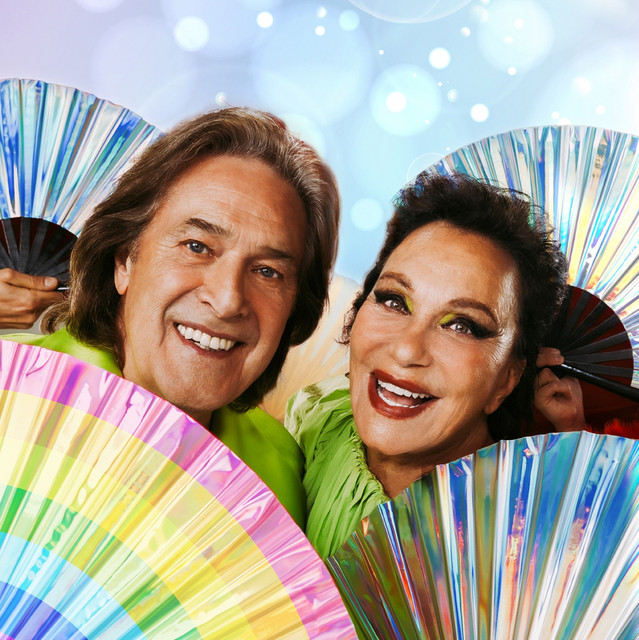
Raffaella Carrà
Listen
4
/5
Genres
Hypertechno
Hypertechno is a fast, compact electronic dance style built around bouncy grooves and forceful, techno-derived drum impact. Its usual tempo range is about 140–160 BPM, but its arrangements favour accessible pop-song structures over extended club development. Tracks are deliberately concise and relatively simple in construction, often recasting recognisable 2000s material through a hard, contemporary dance production lens. The style distinguishes itself from more purely techno-focused forms through this collision of hard drums, short song length, mainstream-oriented hooks, and pop-structured pacing. Its palette can overlap with stutter house and with early-2020s revivals of Euro Trance and Eurodance.
Discover
Listen
Hypertrance
Hypertrance is an internet-native fusion of modern trance and the maximalist, ultra-glossy aesthetics of the hyperpop ecosystem. It emphasizes euphoric supersaw leads, soaring pads, huge risers, and hard side‑chained kick–bass grooves, while borrowing hyperpop’s pitch‑shifted vocals, clipped loudness, and playful, self‑aware sound design. Typical tempos sit around 140–160 BPM with a 4/4 pulse, bright major‑key hooks, and breakdowns that explode into short, high‑impact drops. Producers frequently combine trance signifiers (gated pads, anthemic builds, arpeggios, 303/acid flourishes) with internet-era techniques (OTT compression, aggressive clipping, formant play, nightcore‑style vocal edits). The result feels at once nostalgic and futuristic: a rave ecstasy updated for the post‑SoundCloud, post‑PC Music generation.
Discover
Listen
Latin Tech
Latin tech (often labeled Latin Tech on Beatport) is a modern, dance‑floor‑focused offshoot of tech house that foregrounds Latin American rhythmic vocabulary and timbres while keeping the sleek, driving 4/4 engine of tech house. Expect tight, minimal arrangements built around punchy kicks, syncopated percussion (congas, bongos, rimshots, güira), tumbao‑inspired bass motion and short, chant‑like Spanish or Portuguese vocal hooks. Compared with classic Latin house, Latin tech leans on the sound design, loop discipline and DJ‑friendly structure associated with tech house, prioritizing hypnotic grooves over harmonic complexity. Producers and DJs from across Latin America helped consolidate the sound, and in the early‑to‑mid‑2020s Beatport formalized the tag as a dedicated subgenre within Tech House.
Discover
Listen
Rage
Rage is a high-energy, synth-forward trap production style characterized by bright, detuned supersaw leads, pounding 808s, and fast, looping drum patterns built for explosive rap performances. It emphasizes instant-impact hooks, minimal chord movement, and anthemic drops that feel closer to festival EDM crescendos than traditional hip hop breakdowns. The sound rose from the post–SoundCloud, punk-influenced branch of trap, drawing on the icy simplicity of Playboi Carti’s late-2010s palette and marrying it with trance/eurodance-styled leads and EDM trap dynamics. The result is a glossy, adrenalized bed for shouted, rebellious vocals—music designed for mosh pits, arena stages, and viral snippets alike.
Discover
Listen
Sped-Up Music
Sped-up music is the practice of releasing or circulating versions of existing tracks that have been deliberately accelerated, often with a corresponding pitch raise that produces the classic "chipmunk" timbre. These versions are typically 10–35% faster than the original and are optimized for short‑form video platforms, where quick hooks and heightened energy improve replayability and engagement. While the aesthetic traces back to 2000s nightcore and fan edits on YouTube, the 2020s saw a commercial normalization: labels and artists now issue official “sped up” (and often “slowed”) versions on streaming services. The result is a micro‑genre defined less by unique compositional vocabulary than by a production treatment that recontextualizes mainstream pop, R&B, hip hop, and dance records for viral, danceable, hook‑forward consumption.
Discover
Listen
Meme
Meme is an internet-native umbrella genre for songs and audio clips that are created for, shaped by, or propelled through online meme culture. It blends humor, parody, and fast-turnaround production with infectious hooks designed to spread rapidly across platforms. Stylistically, meme music is eclectic. It can be rap, pop, EDM, rock, or mashup-driven collage; the common thread is comedic framing, referential lyrics, exaggerated vocal processing, and recognizable samples that cue shared online in-jokes. Tracks often favor short runtimes, bold punchlines, and instantly loopable sections optimized for social media. Because it thrives on virality rather than a fixed instrumentation set, meme functions as a meta-genre. It borrows techniques from mashup culture, YTPMV, soundclown, nightcore, and novelty/comedy traditions, while using platform-specific aesthetics from YouTube, SoundCloud, Vine, and TikTok.
Discover
Listen
Guaracha Edm
Guaracha EDM is a Colombian-born strain of four-on-the-floor electronic dance music that fuses big-room energy with hooky, folkloric Latin riffs. Its hallmark sound is a driving 4/4 kick at club tempo, stacked with syncopated toms and hand percussion, while short, catchy trumpet- or accordion-like leads deliver the melodic hook. Unlike classic house or techno, the genre leans heavily on Latin rhythmic vocabulary and party chants in Spanish, often chopping, pitching, or formant-shifting vocals into percussive call‑and‑response motifs. The result is a high-adrenaline, festival-ready style designed for “zapateo” dance floors and peak-time drops.
Discover
Listen
Psystyle
Psystyle is a hardstyle subgenre that blends the rolling, hypnotic basslines and acidic leads of psytrance with the punchy 150 BPM kicks, anthem-writing, and arrangement habits of modern hardstyle. Typically, a psystyle track opens with a DJ-friendly mid-intro driven by a psy-style rolling bass and syncopated percussive patterns, then pivots into hardstyle build-ups and drops powered by distorted kick-and-tail sound design. The result is high-energy, festival-ready music that feels both trancey and relentless, combining psychedelic timbres with big-room hard dance impact.
Discover
Listen
Motivation
Motivation is a functional, cross-genre style designed to inspire action, confidence, and perseverance. It blends modern pop and EDM energy with cinematic/orchestral builds and post-rock textures to create an uplifting, triumphant arc. Arrangements typically move from a sparse, contemplative opening (piano, pads, delayed guitars) into steadily layered drums, rhythmic ostinatos, and wide, anthemic choruses. Major keys, bright synths, claps, stomps, and chantable hooks are common, while harmonic progressions favor familiar, optimistic cycles (e.g., I–V–vi–IV) that signal resolve and forward motion. Originally tied to production and library music for promos, sports, tech launches, and YouTube storytelling, Motivation has become a recognizable aesthetic across advertising, fitness culture, and personal development media.
Discover
Listen
Pop Reggaeton
Pop reggaeton is a mainstream-friendly fusion of reggaeton’s dembow rhythm with pop songwriting, melody, and production polish. It keeps the genre’s signature off‑beat snare pattern and half‑time swing while foregrounding catchy toplines, bright synths, and clean, radio-ready mixes. Tempos typically sit around 85–100 BPM (or 170–200 BPM felt in halftime), with warm 808 subs, syncopated percussion, and hook‑centric choruses. Vocals—often in Spanish or Spanglish—lean toward memorable, romantic, or aspirational themes. Compared with classic reggaeton, pop reggaeton softens timbres, smooths cadences, and uses pop structures (verse–pre‑chorus–chorus–bridge) for broad crossover appeal.
Discover
Listen
Viral Trap
Viral trap is a social‑media‑driven offshoot of trap that optimizes hooks, structure, and sound design for short‑form video virality. Producers foreground catchy one‑line choruses, hard 808s, and loopable motifs that can be clipped into 10–30 second moments. The style leans on familiar trap drum programming (stuttering hi‑hats, booming 808/kick layers), minimal synth or bell lines, and highly memetic lyrics that lend themselves to dances, edits, and challenges. Releases often arrive with alternate mixes (sped‑up, slowed) because these versions travel faster on platforms like TikTok and YouTube Shorts.
Discover
Listen
Bérite Club
Bérite club is a Paris-born strain of hybrid club music that emerged in the late 2010s. It fuses UK soundsystem energy (grime, UK funky, bass) with Afro-diasporic and Latin rhythms (dembow/reggaeton, dancehall, gqom) and the textural experimentation of deconstructed club. The style favors elastic, sub-heavy low-end, off-kilter percussion, chopped vocal shards, and rapid switch‑ups. Producers often juxtapose stark, industrial hits with trancey pads or glossy rave stabs, keeping arrangements DJ‑functional yet unpredictable. Tempos typically range from 95–140 BPM, oscillating between halftime dembow lurch and propulsive UK‑funky or techno momentum.
Discover
Listen
Big Room Trance
Big room trance is a festival-ready offshoot of trance that fuses euphoric, supersaw-led melodies and breakdowns with the drop-centric, minimal heft of big room house. The result emphasizes towering anthemic leads, thunderous 4/4 kicks, and massive crowd-centric builds that resolve into simple but explosive drops. Typically sitting around 128–132 BPM, it retains trance’s emotional chord movements and uplifting tension while adopting big room’s stripped-back, stadium-oriented sound design: punchy mono kicks, sidechained pads, white-noise risers and snare rolls, plus short, high-impact drops that spotlight a memorable lead hook. It’s engineered for mainstage impact and instant recognizability.
Discover
Listen
Edm
EDM (Electronic Dance Music) refers to the mainstream, festival-oriented wave of electronic dance styles that rose to global prominence in the early 2010s. It emphasizes high-energy drops, ear-catching toplines, and crowd-pleasing arrangements designed for large stages and mass audiences. Musically, EDM typically sits around 124–130 BPM with a strong four-on-the-floor kick, wide supersaw leads, bright plucks, and heavily sidechained pads and basses for a pumping feel. Tracks are structured around tension-and-release: intros and builds lead to explosive drops, followed by breakdowns that rebuild energy. Vocals and pop-style songwriting frequently appear, enabling crossover success on radio and streaming platforms.
Discover
Listen
Electro Latino
Electro latino (often stylized as electrolatino) is a club-oriented fusion that blends the four-on-the-floor energy of European EDM and electro house with Spanish/Latin pop songwriting and Caribbean rhythmic accents. It typically features bright supersaw or pluck synth leads, sidechained pads, and festival-style drops, combined with Latin percussion (congas, güira, timbales) and chantable Spanish hooks. Lyrical themes favor summer romance, parties, and coastal imagery, mirroring the genre’s warm, feel-good sonic identity. The style crystallized in Spain in the early 2010s and rapidly spread across European and Latin markets through high-rotation radio singles and compilation series, normalizing Spanish-language vocals and Latin rhythms on mainstream EDM platforms.
Discover
Listen
Latin Afrobeats
Latin Afrobeats is a hybrid of West African Afrobeats and Latin urban pop in which Spanish (and sometimes Portuguese) lyrics ride syncopated, polyrhythmic grooves. It marries Afrobeats’ swung shakers, off‑beat hi‑hats, guitar licks, and buoyant bass with dembow and dancehall drum patterns common to reggaeton and Latin pop. The result is a bright, dance‑forward style with catchy toplines, call‑and‑response hooks, and concise song forms tailored to streaming. Production tends to be minimal yet percussive, with Afro‑percussion (shekere, conga/bongo colors), plucked guitars or synth plucks, and warm sub‑bass supporting melodies that often draw on pentatonic or natural minor scales. Themes revolve around romance, partying, and feel‑good celebration, making the music equally at home in clubs and playlists.
Discover
Listen
Kids Dance Party
Kids dance party is a substyle of children’s music built for high-energy group dancing at birthdays, school discos, camps, and family events. It borrows the hooks, tempos, and production gloss of mainstream dance-pop and EDM, but with age-appropriate lyrics and clear movement prompts that make it easy for children to join in together. Compilations and kid-sung covers have been central to its spread, giving young audiences familiar pop tunes in a safe, participatory format. Songs tend to feature simple, repetitive choruses, call-and-response chants, and action cues (e.g., “clap,” “jump,” “spin”) so that children can follow along without prior instruction—a practice long used by “action songs” in classrooms and PE “brain break” activities. The style also embraces viral, choreography-driven children’s hits that pair a catchy beat with iconic hand-and-body motions, which cement the “dance-along” identity of the genre in the streaming and social-media era.
Discover
Listen
Italo Dance
Italo dance is a melodic, radio-ready strain of European dance music that emerged from Italy in the late 1990s. It blends the hook-forward gloss of Italo disco and Eurodance with the groove of house, emphasizing catchy toplines, bright synth leads, and four‑on‑the‑floor rhythms. Tracks typically run around 128–140 BPM and feature an off‑beat bass, side‑chained pads, and supersaw or square‑lead riffs that mirror the vocal chorus. English‑language vocals—often delivered with a distinctly Italian timbre—alternate with instrumental refrains, making songs equally suited for club play and mainstream charts. The overall aesthetic is uplifting, sentimental, and unabashedly “pop,” with earworm choruses and simple, emotive chord progressions.
Discover
Listen
Disco
Disco is a dance-music genre and nightlife subculture that crystallized in the United States during the 1970s, drawing especially from African-American, Italian-American, Latino, and queer club communities. Musically, disco is typified by a steady four-on-the-floor kick drum, syncopated and melodic electric-bass lines, lush string sections, bright brass and horns, electric pianos and synthesizers, and percussive, choppy rhythm guitars. Arrangements often feature orchestral colors, handclaps, congas, and vibraphone or bell textures, all engineered to deliver a continuous, groove-forward experience for the dance floor. The style combines the rich orchestration and romantic sweep of Philadelphia soul with the bottom-end drive of funk and the songcraft of contemporary R&B/pop, delivered in DJ-friendly extended mixes and 12-inch singles designed for club play.
Discover
Listen
Euro-Disco
Euro-disco is a European-driven branch of disco that emerged in the mid-to-late 1970s, centered around studio hubs in Germany (especially Munich), France, and Italy. It is characterized by a steady four-on-the-floor beat, sequenced or arpeggiated synthesizer basslines, lush string arrangements, glossy production, and hook-heavy, often minor-key melodies. Compared with American disco, Euro-disco leaned more heavily on electronic textures and motorik repetition, creating a sleek, futuristic feel that became a template for later electronic pop and dance music. Lyrically and thematically it favors romance, nightlife escapism, and space-age or cosmopolitan imagery. The term is also used more broadly for a closely related 1980s wave (sometimes styled “Eurodisco”) associated with polished German and pan-European productions.
Discover
Listen
Europop
Europop is a broad pop music style that developed in continental Europe and emphasizes catchy melodies, strong hooks, and danceable rhythms. It often features bright, polished production, simple and memorable choruses, and a preference for major keys and sing‑along refrains. While early europop drew on local traditions like schlager and yé‑yé, the genre quickly integrated international influences such as disco, synth‑pop, and new wave. English‑language lyrics are common to facilitate cross‑border appeal, though many hits also mix languages. Europop is closely associated with the Eurovision Song Contest aesthetic—big choruses, theatrical staging, and accessible, universal themes.
Discover
Listen
Pop
Pop is a broad, hook-driven style of popular music designed for wide appeal. It emphasizes memorable melodies, concise song structures, polished vocals, and production intended for radio, charts, and mass media. While pop continually absorbs elements from other styles, its core remains singable choruses, accessible harmonies, and rhythmic clarity. Typical forms include verse–pre-chorus–chorus, frequent use of bridges and middle-eights, and ear-catching intros and outros. Pop is not defined by a single instrumentation. It flexibly incorporates acoustic and electric instruments, drum machines, synthesizers, and increasingly digital production techniques, always in service of the song and the hook.
Discover
Listen
Ballad
A ballad is a narrative song form that tells a story in simple, singable stanzas, traditionally using quatrains in ballad meter (alternating lines of iambic tetrameter and trimeter with an ABCB rhyme scheme). Ballads typically recount dramatic events—love, betrayal, tragedy, murder, the supernatural—or notable historical incidents. Early ballads were often sung unaccompanied or with minimal accompaniment, carried by memorable, modal melodies and refrains that aided oral transmission. Over time, the term also came to describe slow, sentimental popular songs in the 20th century, but the core of the genre remains the storytelling focus and strophic, easily learned structure. Ballads are central to the English- and Scots-language folk traditions, migrated to North America where they flourished in Appalachian singing, and continue to be performed, adapted, and reinterpreted in contemporary folk and roots scenes.
Discover
Listen
Organic Ambient
Organic ambient is a name found on Every Noise at Once, a map of genres identified by Spotify, and in the playlist “The Sound of Organic Ambient” from The Sounds of Spotify; little has been written about it. The music is often instrumental and drumless, built from sustained synthesizer pads, slow chord changes and deep drones. Rather than following a strong beat, it tends to drift, with occasional arpeggiated or bell-like tones adding movement. Some tracks blend the electronic textures with environmental sounds, including water and wind. Wide stereo mixes, generous reverb and occasional delay give the music a spacious, enveloping quality. The prevailing mood is serene, meditative and dreamy, sometimes with a touch of melancholy. Its artists are also associated with ambient, drone and space music: styles that favor sustained tones, gradual changes and atmosphere over conventional song structures. Many titles evoke landscapes, dreams, memory or outer space, as in “Evening Mist,” “Drawing You from Memory” and “Passing Through Dust Clouds.” The playlist tracks range from 2010 to 2024, while linked albums include releases from 2025 and 2026.
Discover
Listen
Show all 24 genres
Similar artists
Hide discovered
4
/5
Ricchi E Poveri
Italo-Disco
Pop
Electronic
3
/5
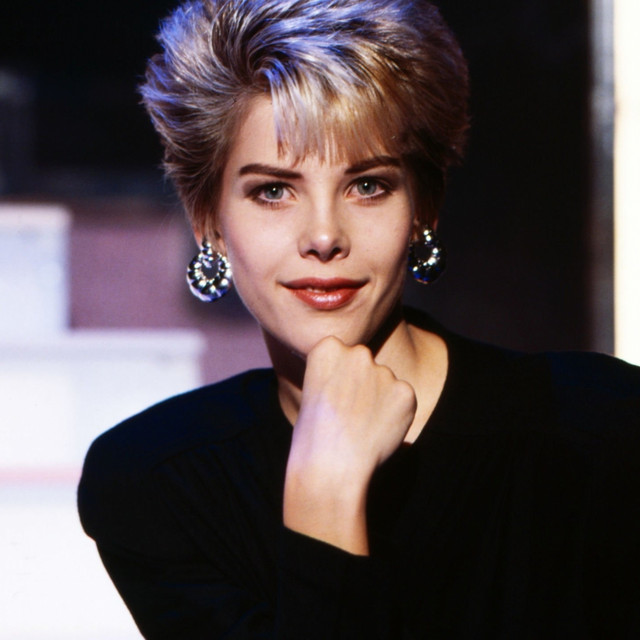
C.C. Catch
Europop
Euro-Disco
Hi-Nrg
3
/5
Blue System
Europop
Electronic
Eurodance
4
/5
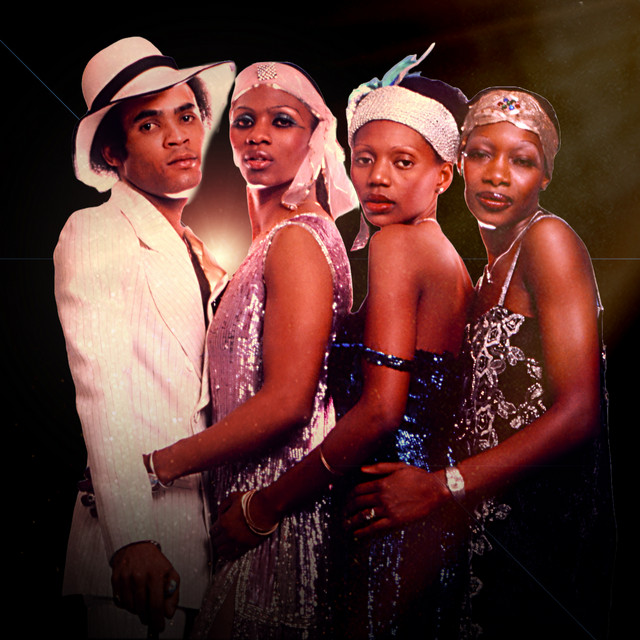
Boney M.
Disco
Euro-Disco
Electronic
4
/5
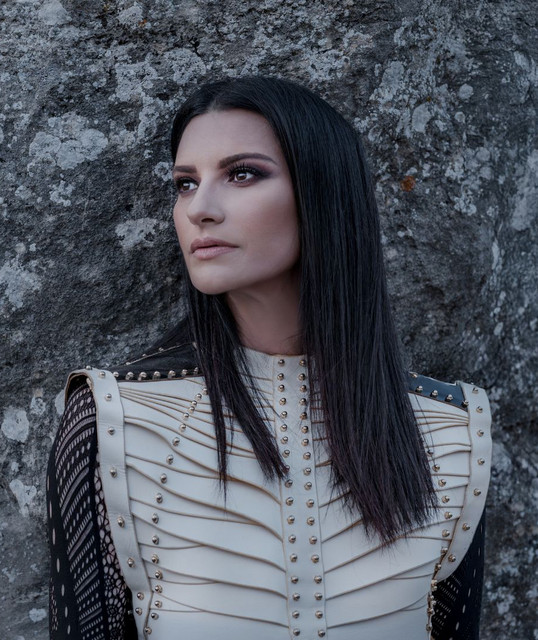
Laura Pausini
Pop
Latin
Europop
4
/5
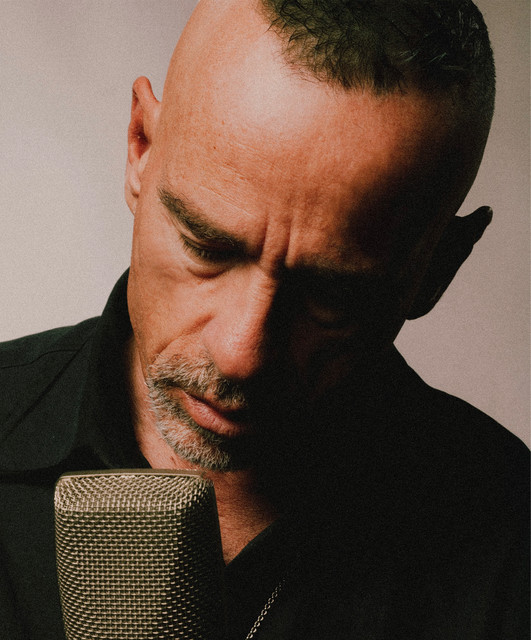
Eros Ramazzotti
Pop
Pop Rock
Rock
4
/5
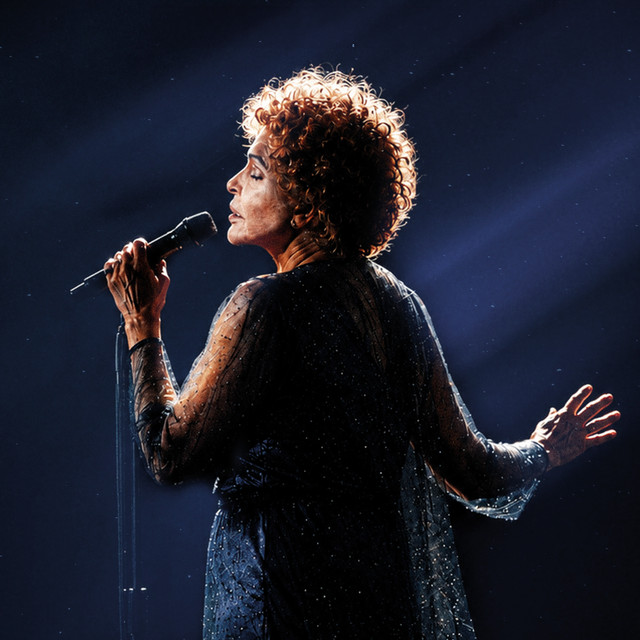
Ornella Vanoni
Pop
Ballad
Italo-Disco
3
/5
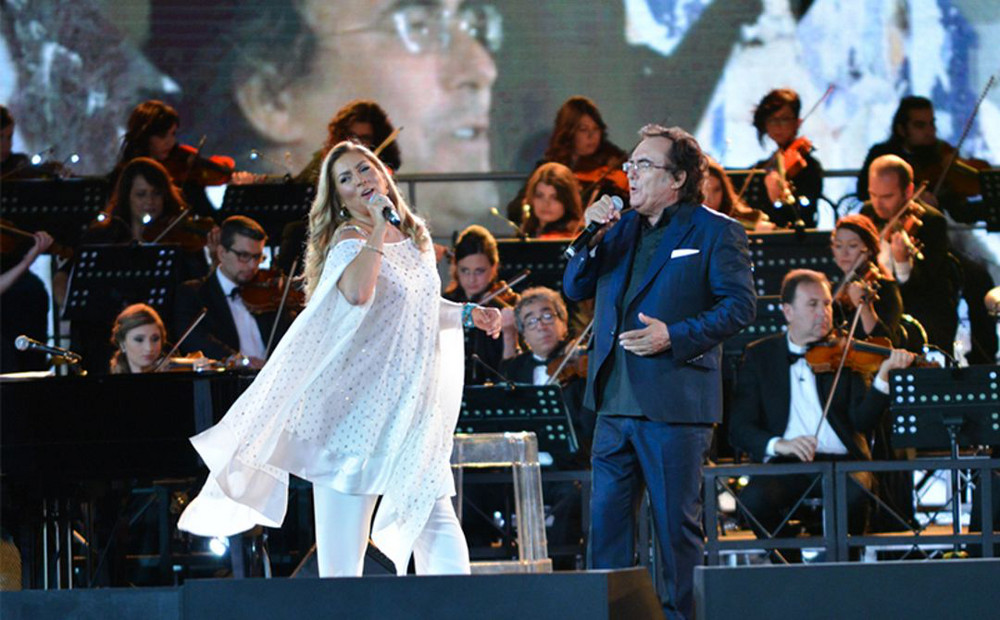
Al Bano And Romina Power
Italo Dance
Italo-Disco
Ballad
3
/5
Silent Circle
Spacesynth
Italo-Disco
Synth-Pop
3
/5
Joy
Italo Dance
Italo-Disco
New Wave
Download our mobile app
Get the Melodigging app and start digging for new genres on the go
Download on the App Store
Get it on Google Play
© 2026 Melodigging
Give feedback
About & FAQ
Legal
Melodding was created as a tribute to
Every Noise at Once
, which inspired us to help curious minds keep digging into music's ever-evolving genres.