Genres
Artists
Albums
Make Music
Sign in
Sign in
Artists
Brazilian Classical Music
Artists
Brazilian Classical Music
Quinteto Armorial
1974–1980
·
3 albums
Listen
2
/5
Genres
Chamber Folk
Chamber folk blends singer‑songwriter and traditional folk songwriting with the textures and arranging techniques of chamber music. Acoustic guitar, harp, or piano typically carry the song, while small ensembles of strings and woodwinds provide counter‑melodies, pedal drones, and delicate harmonic color. The style favors intimate vocals, close‑miked acoustic timbres, and nuanced dynamics over percussive drive. Arrangements often develop patiently, using techniques like pizzicato, harmonics, and gentle swells to underline narrative, pastoral, or reflective lyrics. The overall mood is warm, detailed, and quietly expansive.
Discover
Listen
Northeastern Brazilian Music
Northeastern Brazilian music is an umbrella for the rich, dance‑driven and song‑centered traditions from Brazil’s Nordeste, spanning rural sertão sounds and vibrant coastal carnival repertoires. It gathers matrix styles such as forró (and its substyles baião, xote, xaxado), coco and embolada (repente), maracatu, frevo, ciranda, and more. Characterized by propulsive percussion (zabumba, alfaia, pandeiro), bright timbres (triangle, brass), and the signature diatonic accordion (sanfona), the region’s music balances joyous, communal dance grooves with lyrical narratives about sertão life, migration, love, drought, and resilience. Its rhythmic DNA mixes Portuguese dance forms with Afro‑Brazilian and Indigenous elements, producing syncopated two‑step feels and carnival‑ready cadences. From the early 20th century radio era to contemporary pop and hip‑hop fusions, Northeastern styles have continually refreshed Brazilian music at large, informing MPB, axé, and the Recife‑born mangue beat while sustaining strong local dance and festival circuits.
Discover
Listen
Brazilian Classical Music
Brazilian classical music is the national art‑music tradition that fuses European concert music with the rhythms, melodies, and timbres of Brazil. It emerged as composers absorbed the harmonic language and forms of the Classical and Romantic eras and then wove in modinha, lundu, choro, and other popular/folk idioms. Across orchestral, chamber, operatic, and solo repertoire—often with guitar and voice at the center—its hallmarks include lyrical, song‑forward themes, syncopated and dance‑derived rhythms, colorful orchestration, and frequent evocations of regional and Indigenous materials. From the late‑Romantic operas of Carlos Gomes to Villa‑Lobos’s modernist Bachianas and Chôros cycles, the style maps a distinctly Brazilian identity onto classical craft.
Discover
Listen
Traditional Folk
Traditional folk is a broad umbrella for orally transmitted songs and dance tunes that circulated in rural and working-class communities before the age of mass recording. Repertoires include narrative ballads, laments, love songs, work songs, lullabies, and instrumental dance sets such as reels, jigs, hornpipes, and marches. Stylistically, traditional folk favors strophic forms, pentatonic or modal melodies (often Dorian and Mixolydian), limited harmonic movement, and strong, memorable tunes designed for communal singing and dancing. Performances range from unaccompanied solo voice to small ensembles built around fiddle, flute/whistle, pipes, concertina/accordion, guitar, banjo, and frame drum. Ornamentation, variation by verse, and flexible tempo are integral, reflecting an oral tradition where songs live through continual reinterpretation. Although it is pan‑regional, the modern idea of “traditional folk” coalesced in the 19th century through collectors and revivalists who documented vernacular music and framed it as cultural heritage.
Discover
Listen
Brazilian Folk Music
Brazilian folk music is an umbrella term for the country’s regional and traditional musics that grew from the encounter of Indigenous, African (mainly West and Central African), and Iberian (especially Portuguese) cultures. It encompasses rural song, dance, and ritual genres such as baião and forró in the Northeast, viola-caipira traditions in the Southeast and Center-West, Afro-Brazilian drumming and chant in maracatu and jongo, circle-dance genres like ciranda and coco, and many others associated with religious festivals, work songs, and oral poetry. Marked by call-and-response vocals, propulsive percussion, syncopated grooves, and narrative lyrics, Brazilian folk music remains a living tradition that informs Brazilian popular music while preserving local identity and heritage.
Discover
Listen
Albums
1980
2
/5
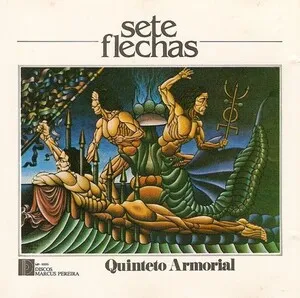
Sete flechas
Quinteto Armorial
Brazilian Classical Music
1976
1
/5
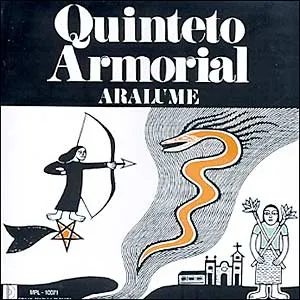
Aralume
Quinteto Armorial
Brazilian Classical Music
1974
2
/5
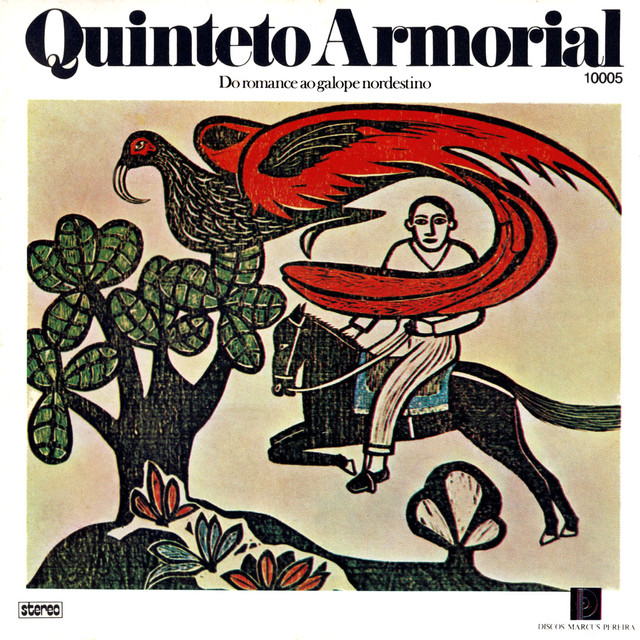
Do romance ao galope nordestino
Quinteto Armorial
Brazilian Folk Music
Northeastern Brazilian Music
Chamber Folk
Similar artists
1
/5
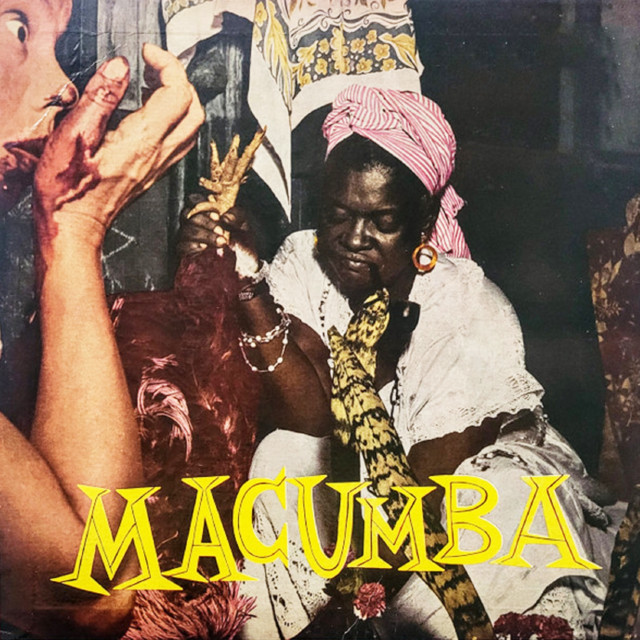
Heitor dos Prazeres
Samba
Samba De Roda
Traditional Folk
2
/5
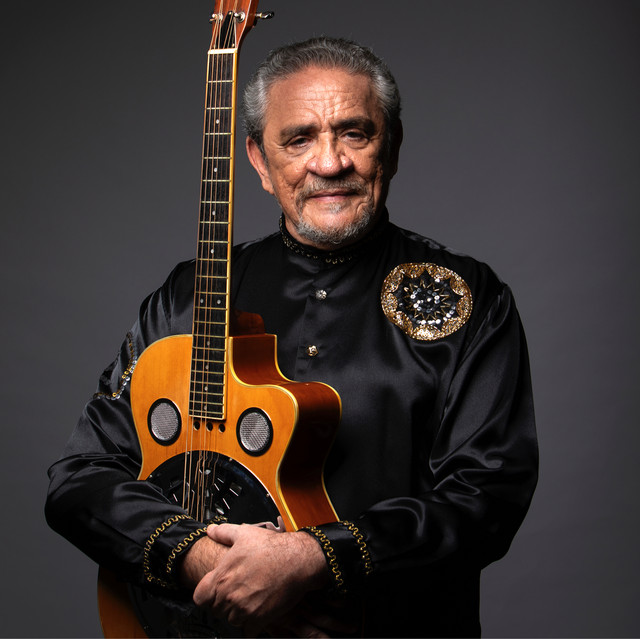
Elomar
Mpb
Cantoria
Brazilian Folk Music
2
/5
Shirley Collins
English Folk Music
Folk
Traditional Folk
2
/5
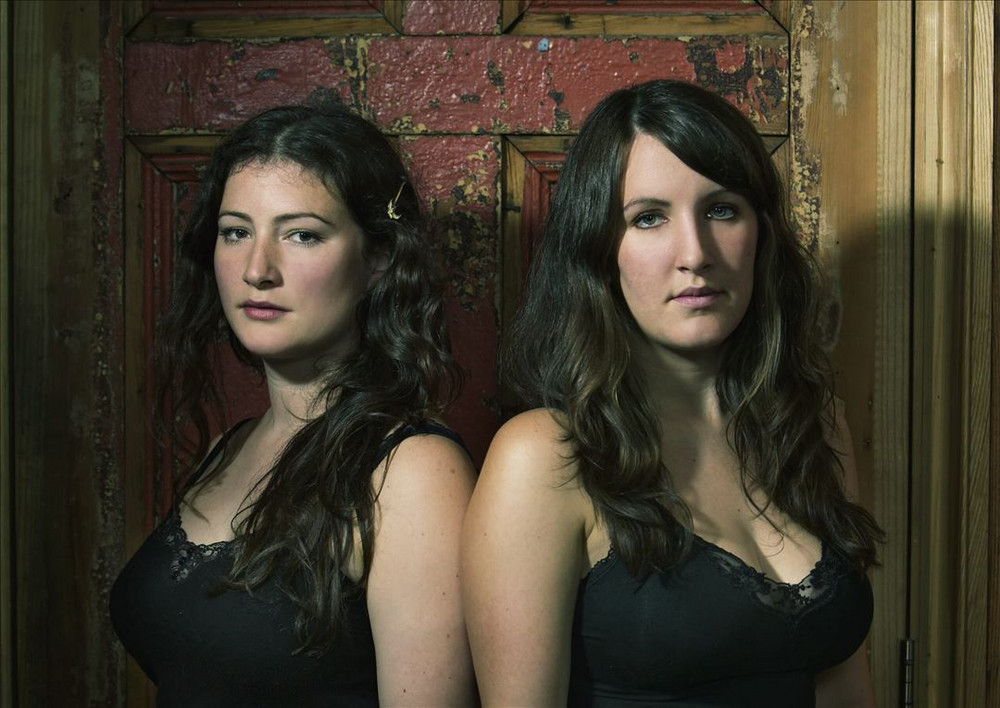
The Unthanks
Chamber Folk
Folk
Traditional Folk
1
/5
César y su Jardín
Latin Folk
Traditional Folk
Chamber Folk
1
/5
Helena Meirelles
Chamamé
Sertanejo
Sertanejo Raiz
1
/5
Various Artists
Afro-Funk
Alternative Rock
Ambient
4
/5
Zé Ramalho
Sertanejo Tradicional
Northeastern Brazilian Music
Brazilian Folk Music
4
/5
Alcione
Samba-Joia
Samba
Pagode
4
/5
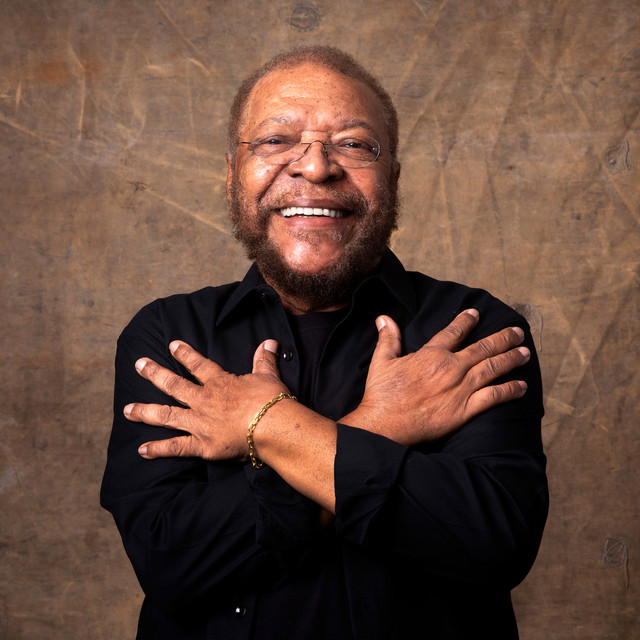
Martinho Da Vila
Samba
Samba-Enredo
Samba De Roda
Download our mobile app
Get the Melodigging app and start digging for new genres on the go
Download on the App Store
Get it on Google Play
© 2026 Melodigging
Give feedback
Legal
Melodding was created as a tribute to
Every Noise at Once
, which inspired us to help curious minds keep digging into music's ever-evolving genres.