Genres
Artists
Albums
Make Music
Sign in
Sign in
Artists
Gregorian Chant
Artists
Gregorian Chant
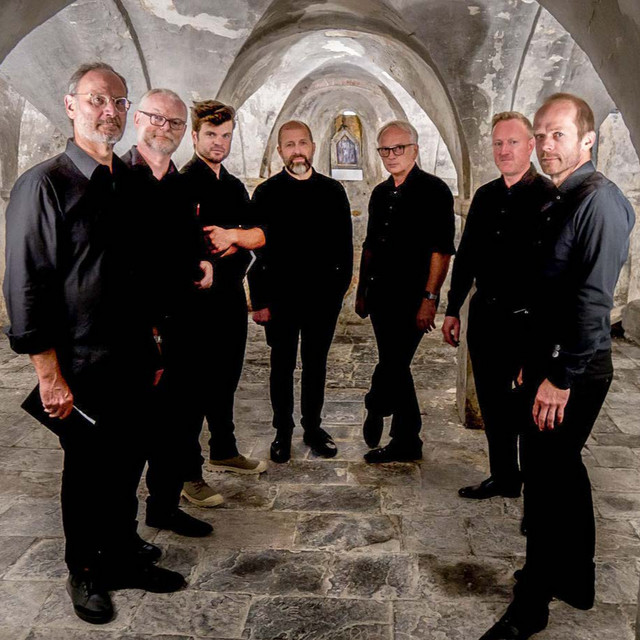
Psallentes
2006
·
1 album
Listen
2
/5
Genres
Early Music Choir
Early music choir refers to choral ensembles dedicated to Medieval, Renaissance, and early Baroque repertoire, typically performed with historically informed performance (HIP) practices. The sound emphasizes blended, straight-tone singing, clear diction, and modal or early tonal harmonies, often at a moderate, tactus-led pulse. Repertoires include Mass cycles, motets, hymns, anthems, Magnificats, and madrigals by composers such as Josquin, Palestrina, Tallis, Byrd, Victoria, and Monteverdi. Ensembles range from one-voice-per-part consorts to chamber choirs, singing a cappella or with period instruments (organ/positive, cornetts, sackbuts, viols, dulcians). Editorial choices—such as musica ficta accidentals, text underlay, meantone/unequal temperaments, and historically appropriate pronunciation—are integral to the idiom.
Discover
Listen
Gregorian Chant
Gregorian chant is the central Western tradition of plainchant: a monophonic, unaccompanied sacred song in Latin (and occasionally Greek) used in the Roman Catholic liturgy. It employs free rhythm guided by the prosody of the text rather than by strict meter, and is sung in unison by clerics or scholas. Its melodies are organized by the system of eight church modes, with characteristic finalis (final), tenor/reciting tones, and melodic formulas. Repertoires include the Proper and Ordinary of the Mass (e.g., Introit, Gradual, Alleluia, Offertory, Communion, Kyrie, Gloria, Credo, Sanctus, Agnus Dei) and the Divine Office (e.g., Antiphons, Responsories, Hymns, Psalms). Although legend credits Pope Gregory I, modern scholarship sees Gregorian chant as a Carolingian synthesis of Old Roman and Gallican chants, standardized across Frankish realms and later the broader Latin West.
Discover
Listen
Medieval
Medieval music refers to the diverse sacred and secular musical practices of Europe between the fall of the Western Roman Empire and the dawn of the Renaissance. It spans more than eight centuries, from early monophonic chant to the first notated polyphony. Core features include the use of church modes rather than major/minor, extensive reliance on vocal music (Latin sacred chant as well as vernacular song), and the progressive development from unmeasured chant to rhythmic modal notation and, later, mensural notation. Texture evolves from monophony (plainchant, troubadour songs) to organum, conductus, and the motet, culminating in complex isorhythmic works by the late 13th–14th centuries. Secular traditions—troubadours and trouvères in France, Minnesänger in German lands, and the Iberian Cantigas—coexisted with and influenced sacred practice. Instruments such as the vielle, harp, psaltery, recorder, shawm, hurdy-gurdy, and portative organ often doubled or accompanied voices, though much music remained purely vocal.
Discover
Listen
Albums
2006
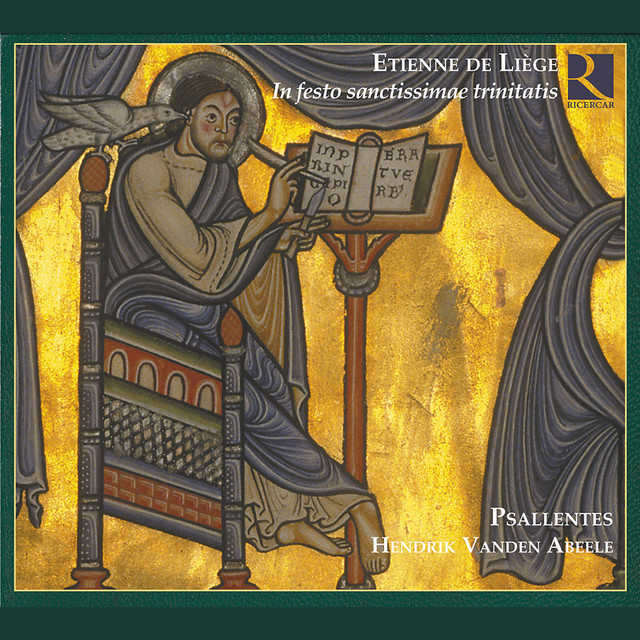
De Liège: In festo sanctissimae trinitatis
Etienne de Liège, Psallentes, Hendrik Vanden Abeele
Early Music Choir
Similar artists
4
/5
Anonymous
Ars Antiqua
Gregorian Chant
Medieval
3
/5
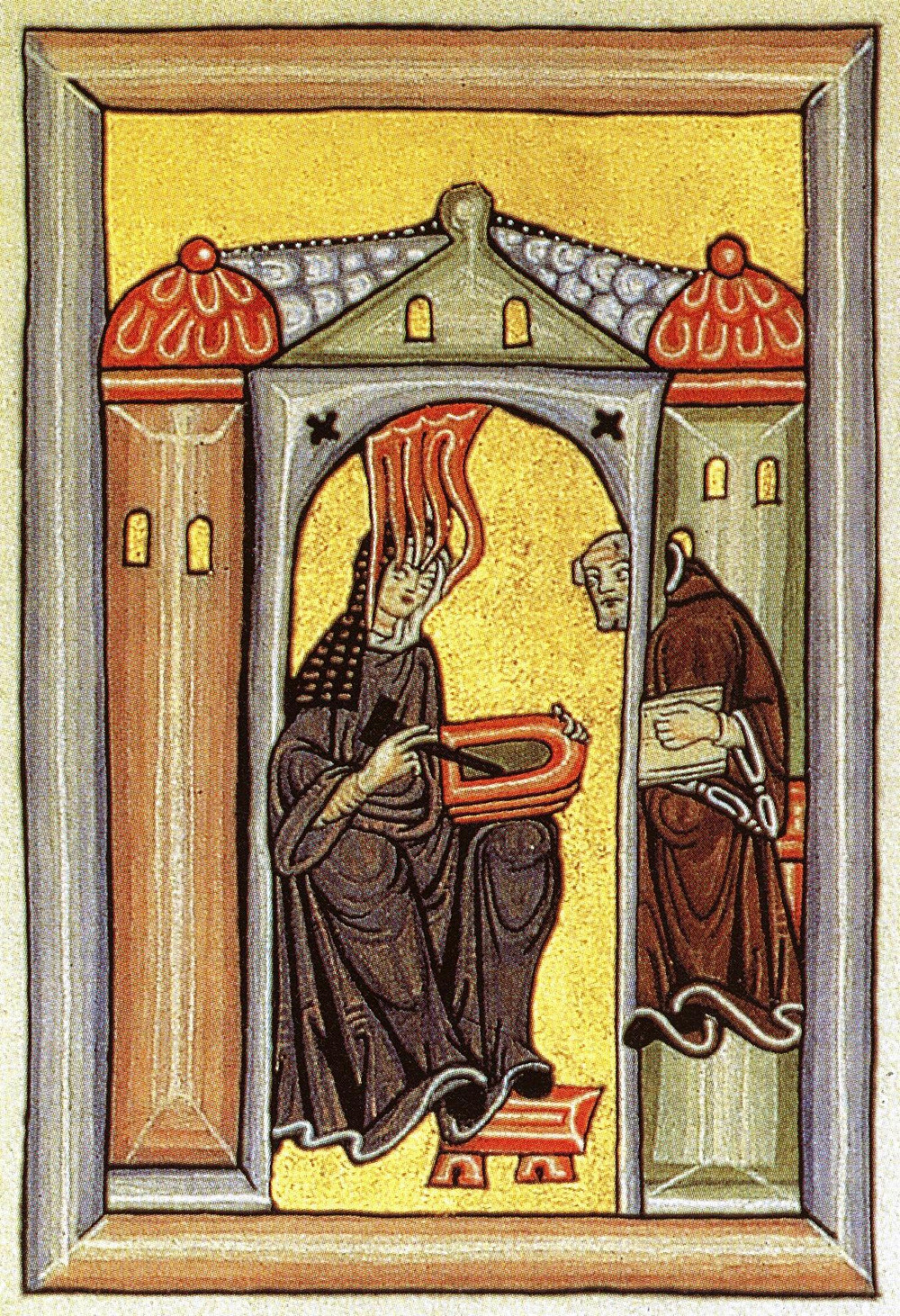
Hildegard von Bingen
Gregorian Chant
Plainchant
Classical
3
/5
Giovanni Pierluigi da Palestrina
Classical
Renaissance
Mass
3
/5
Marcel Pérès
Gregorian Chant
Plainchant
Ars Antiqua
3
/5
Anonymous 4
Gregorian Chant
Medieval Classical Music
Ars Antiqua
2
/5
Ensemble Organum
Gregorian Chant
Plainchant
Ars Antiqua
2
/5
Tomás Luis de Victoria
Requiem
Choral
Renaissance
2
/5
Guillaume de Machaut
Ars Nova
Classical
Medieval
2
/5
Orlande de Lassus
Madrigal
Renaissance
Choral
2
/5
Antony Pitts
Choral
Early Music
Gregorian Chant
Download our mobile app
Get the Melodigging app and start digging for new genres on the go
Download on the App Store
Get it on Google Play
© 2026 Melodigging
Give feedback
Legal
Melodding was created as a tribute to
Every Noise at Once
, which inspired us to help curious minds keep digging into music's ever-evolving genres.