Genres
Artists
Albums
Make Music
Sign in
Sign in
Artists
Progressive Electro House
Artists
Progressive Electro House
Poppy Baskcomb
2023
·
1 album
Listen
4
/5
Genres
Stutter House
Stutter house is a contemporary house microgenre defined by the percussive use of chopped and rapidly re-triggered vocal fragments that “stutter” rhythmically over a four-on-the-floor groove. Producers slice a short vocal phrase into tiny grains (often 1/8–1/32 notes), gate or retrigger them in syncopated patterns, and then pitch-, formant-, or time-shift the pieces to create a hook that functions as both melody and rhythm. The style typically runs at 124–130 BPM, pairs a tight, sidechained low-end with crisp tech house drums, and relies on minimalist arrangement so the stuttering vocal lead remains the focal point. It borrows the tactile, loop-centric immediacy of tech house and the glitchy ear-candy of modern EDM while keeping club mixing and dancefloor momentum in mind.
Discover
Listen
Progressive Electro House
Progressive electro house is a festival‑ready hybrid that marries the long, melodic builds and emotive chord progressions of progressive house with the gritty basslines, saw‑lead stabs, and syncopated drops of electro house. Tracks typically run around 126–130 BPM in 4/4, featuring wide supersaw stacks, side‑chained pads, and bright, anthemic toplines that crescendo into aggressive, electro‑flavored drops. The style thrived during the early 2010s EDM boom, with Dutch and Scandinavian producers pushing a sound designed for big‑room and main‑stage impact. Production aesthetics favor layered synth leads (Serum, Sylenth1, Massive), tight festival kicks, off‑beat open hats, sweeping risers, and snare‑roll builds, while arrangements spotlight tension‑and‑release between harmonic, euphoric breakdowns and powerful, synth‑driven drops.
Discover
Listen
Slap House
Slap house is a pop-leaning strain of deep/house music built around a short, percussive "slap" bass that punches through the mix with aggressive sidechain compression. It typically sits between 118–125 BPM, uses simple minor-key harmony, and places a catchy topline—often a pitched‑down vocal or a cover of a familiar hit—over a sparse, club‑ready groove. The style borrows the weighty low end and rhythmic bounce of Brazilian bass while streamlining arrangements for streaming and radio. Clean four‑on‑the‑floor kicks, clipped claps on 2 and 4, and a tight, syncopated bass riff define the drop, with subtle pads, plucks, and FX in the breakdowns. Its combination of moody harmony, recognizable hooks, and dancefloor impact helped it dominate charts and TikTok/Spotify playlists in the late 2010s and early 2020s.
Discover
Listen
Edm
EDM (Electronic Dance Music) refers to the mainstream, festival-oriented wave of electronic dance styles that rose to global prominence in the early 2010s. It emphasizes high-energy drops, ear-catching toplines, and crowd-pleasing arrangements designed for large stages and mass audiences. Musically, EDM typically sits around 124–130 BPM with a strong four-on-the-floor kick, wide supersaw leads, bright plucks, and heavily sidechained pads and basses for a pumping feel. Tracks are structured around tension-and-release: intros and builds lead to explosive drops, followed by breakdowns that rebuild energy. Vocals and pop-style songwriting frequently appear, enabling crossover success on radio and streaming platforms.
Discover
Listen
Candy Pop
Candy pop is a super-bright, hook-forward branch of contemporary pop that emphasizes sweetness in both sound and theme. It blends bubblegum-style melodies with modern, glossy production, favoring catchy toplines, clean harmonies, and playful textures. Arrangements lean on glittery synths, claps, hand-percussion, and buoyant four-on-the-floor or bouncy half-time beats. Lyrics typically revolve around crushes, friendship, first love, and carefree fun, delivered with enthusiastic, youthful vocals. Compared with classic bubblegum pop, candy pop adopts current pop techniques (EDM builds, post-chorus hooks, subtle trap-lite percussion) and borrows visual and melodic cues from J-pop and K-pop’s “kawaii” aesthetics.
Discover
Listen
Chill R&b
Chill R&B is a mellow, atmospheric branch of contemporary R&B that emphasizes intimate vocals, warm harmonies, and low-key, downtempo grooves. It blends the songwriting and emotive delivery of classic R&B with modern, minimal production, often borrowing the hazy textures of lo-fi hip hop and the spacious sound design of ambient and chillwave. The style is defined by soft, close-miked vocals with layered harmonies, smooth chord extensions, and restrained drum programming that leaves plenty of negative space. Lyrically, it leans into late-night introspection, romance, self-reflection, and mood-setting imagery. The overall effect is cozy and cinematic, designed for headphones, night drives, and relaxed listening.
Discover
Listen
Covertronica
Covertronica is a microgenre centered on electronically produced cover versions of well‑known songs. Artists retain the recognizability of the original melodies and hooks, but reimagine them with contemporary electronic palettes—glossy synths, side‑chained pads, drum machines, 808s, and modern pop/EDM production. The style thrives on clever reharmonization (e.g., minor/major flips), tempo shifts, and textural redesign, often translating rock, soul, or classic pop into sleek electropop/indietronica frameworks. Vocals are typically polished and upfront, with stacked harmonies, tight autotune as a color (when desired), and arrangement tricks such as filtered intros, half‑time drops, and breakdowns that mirror club and synth‑pop dynamics. Because the repertoire comes from existing songs, covertronica is as much about curatorial taste and arrangement craft as it is about sound design, making it a meeting point between DJ culture’s recontextualization and the singer‑producer era of the internet.
Discover
Listen
Deep Big Room
Deep big room is a hybrid branch of EDM that fuses the stadium-scale drops and arrangement of big‑room house with the warmer timbres, deeper basslines, and more groove‑led sensibilities of deep/progressive house. Instead of the piercing supersaw leads and maximalist claps typical of early‑2010s main‑stage tracks, deep big room favors chunky, sidechained low‑end, percussive toplines, filtered plucks, organ/piano stabs, and longer, moodier breakdowns. The result is music that still “hits” on large systems but reads less abrasive—more rolling, hypnotic, and groove‑centric—while retaining crowd‑moving build/drop architecture.
Discover
Listen
Deep Deep House
Deep deep house is a late-evolution branch of deep house that emphasizes warmth, space, and subtlety over overt hooks or peak-time energy. Compared with classic deep house, it leans even more toward minimal, dub-inflected textures, extended harmonies, and long atmospheric tails. Tracks typically feature understated yet weighty low end, soft Rhodes or pad chords rich in 7ths/9ths, lightly swung percussion, and carefully sculpted ambience. The mood is intimate and immersive—club music that invites close listening as much as dancing—often suited to small rooms, lounges, after-hours sets, and sunset/sunrise moments.
Discover
Listen
Flint Sound
Flint sound is a contemporary Michigan rap style centered in Flint, United States. It is characterized by fast, minimal, piano- or organ-led beats, dry and upfront vocals, and bar-by-bar “punch‑in” delivery that often rides slightly ahead of or behind the grid for a conversational, off‑kilter feel. The production typically favors bright piano loops, staccato 808 slides, crisp claps or rimshots, and sparse percussion, leaving plenty of space for relentless punchlines, gritty street reportage, and mischievous humor. While hard-edged and streetwise, the style frequently leans into charismatic personality and wit, making it both aggressive and infectious for dancing.
Discover
Listen
Gaming Edm
Gaming EDM is a bright, hook‑driven branch of electronic dance music tailored for online gaming, streaming, and creator culture. It blends festival‑ready drops and sidechained supersaws with melodic, video‑game–friendly timbres (arpeggiated leads, chip/8‑bit flourishes) and clean royalty-friendly production that sits well under voice chat or commentary. The songs are typically concise, high‑energy, and instantly catchy, engineered to loop well on streams and to sync to highlight reels and esports content.
Discover
Listen
Hard Motivation
Hard motivation is a functional, high-intensity micro-scene that blends the most powerful strains of modern EDM (hardstyle, big-room, trap, and dubstep) with an overt motivational ethos aimed at training, sports, and peak-performance contexts. It privileges explosive drops, distorted kicks, supersaw and screech leads, alarm-like stabs, and stadium-scale builds, often topped by hyped crowd chants or short motivational speeches. The result is music engineered to raise heart rate, focus, and determination—equally at home in the gym, combat sports warm‑ups, esports walk-ins, or highlight reels. While not a traditional genre with strict stylistic boundaries, hard motivation has coalesced online (YouTube, TikTok, streaming playlists) as a recognizable aesthetic that curates the "hardest" moments of EDM into a single, purpose-built sound.
Discover
Listen
Malayalam Hip Hop
Malayalam hip hop is the localized form of hip hop created by artists from Kerala, India, performed primarily in the Malayalam language. It blends global rap aesthetics (boom‑bap, trap, and alternative hip hop) with Kerala’s rhythmic and melodic sensibilities, often sampling or referencing folk percussion (chenda, thavil), Mappila folk idioms, and Carnatic/Raga motifs. Lyrically, it covers identity, migration (especially Gulf Malayali experiences), social commentary, political satire, and everyday urban life, frequently code‑switching between Malayalam and English. The scene grew online through DIY production and YouTube releases, and later crossed into the mainstream via film soundtracks and brand collaborations, while maintaining a strong independent, crew‑driven culture.
Discover
Listen
Nyc Pop
NYC pop is a contemporary, hook-forward strain of alternative pop centered on artists living and working in New York City. It blends the sheen of electropop and dance-pop with the songwriting sensibilities of indie pop and indie rock, often pairing bright synths, rhythmic guitars, and punchy drums with large, chantable choruses. Lyrically, it frequently references urban life, ambition, relationships, and self-discovery, capturing the speed, romance, and pressure-cooker energy of the city. Production is glossy but retains an indie edge: live instruments sit beside modern electronic textures, with crisp vocal stacking and ear-catching toplines designed for both radio and festival stages.
Discover
Listen
Tropical House
Tropical house is a mellow, melodic offshoot of deep house that blends a four-on-the-floor pulse with sun-soaked timbres like steel drums, marimba, pan flute, and warm acoustic guitar. It typically runs around 100–115 BPM, favors major-key progressions, and foregrounds breezy hooks over heavy drops, making it feel more like a summer pop record than a club banger. Vocals often carry romantic, nostalgic, or escapist themes—beaches, sunsets, and travel—while the production emphasizes soft percussion, sidechained pads, and a smooth, rolling sub. The genre rose to global prominence mid-2010s through hit remixes and crossover singles that brought house aesthetics into mainstream pop radio.
Discover
Listen
Tulum
Tulum is a contemporary electronic dance music sound that crystallized around the boutique party scene in Tulum, Mexico, during the 2010s. It blends deep, organic house grooves with downtempo sensibilities, hand-played percussion, and "world"-leaning timbres such as oud, bansuri, handpan, and Latin guitar. The style favors warm, analog textures; modal, minor-key harmonies (often Dorian or Phrygian); long, reverb-washed atmospheres; and subtle, mantra-like vocals or chants. Tempos usually sit between 112–120 BPM, with earthy polyrhythms and shuffling, Afro- and Latin-influenced percussion propelling a hypnotic four-on-the-floor. Aesthetically, the Tulum sound is associated with sunrise/sunset beach settings, bohemian design, and a wellness-forward, festival-adjacent culture. Musically it overlaps with the broader “organic house/downtempo” movement while retaining a distinctly tropical, ritualistic character.
Discover
Listen
Ukg Revival
UKG revival refers to the modern resurgence of UK garage (UKG) aesthetics after the style’s early‑2000s decline. It recasts classic 2‑step swing, rubbery sub‑bass, chopped R&B vocals, and organ/piano stabs with contemporary production, club formats, and pop sensibilities. Typical tracks sit around 128–135 BPM, with syncopated, skippy drum programming and swung hi‑hats, soulful chord colors, and prominent, rolling basslines. The revival often blends speed‑garage grit, bassline energy, and house polish, while borrowing contemporary topline writing and social‑media‑driven hooks for wider crossover appeal. Culturally, the movement connects today’s audiences to late‑’90s/early‑’00s UKG heritage (pirate radio, MC culture, and champagne‑garage euphoria) through fresh artists, labels, and events that foreground inclusivity, DIY distribution, and festival‑ready anthems.
Discover
Listen
Wonky Techno
Wonky techno is a strain of techno that borrows the off‑kilter swing, lurching syncopations, and pitch‑wobbled sound design of “wonky” and UK bass, then grafts them onto techno’s hypnotic structures. Instead of straight four‑on‑the‑floor, it leans on broken, asymmetrical drum programming, micro‑timing nudges, and rubbery low‑end, creating grooves that feel simultaneously club‑functional and crooked. The palette often includes detuned or FM‑rich synths, percussive stabs filtered through dub‑techno space, and restless modulation that keeps the grid feeling fluid and unstable. The result is techno that moves bodies while constantly unbalancing the listener’s inner metronome: tense, bass‑forward, textural, and rhythmically adventurous.
Discover
Listen
Brostep
Brostep is a high-intensity, EDM-leaning strain of dubstep that foregrounds aggressively modulated midrange basses, dramatic builds, and arena-sized drops. Where classic UK dubstep emphasizes sub-bass weight, spaciousness, and dubwise minimalism, brostep shifts the focus to bright, distorted, and highly articulated bass sound design, often supported by festival-ready structures and glossy, loud mastering. Typical tempos sit around 140 BPM (often presented in half-time), with snare on beat 3, punchy kick patterns, and dense fills. Signature sounds include vowel/formant "talking" basses, metallic growls, comb-filtered screeches, and heavy multiband distortion, arranged in call-and-response riffs that drive the drop.
Discover
Listen
Deep Deep Tech House
Deep deep tech house is a particularly stripped‑back, hypnotic strain of tech house that leans heavily into deep house harmony and minimal, dub‑tinged textures. It keeps the 4/4 groove and club functionality of house while favoring restrained arrangements, long tension arcs, and subtle sound‑design over big breakdowns. Typical tempos sit around 120–126 BPM; drums emphasize tight 909‑style hats and crisp, short kicks; basslines are warm, rolling subs that lock with lightly swung percussion; harmonic content tends to be sparse—muted chord stabs, airy pads, and occasional soulful vocal fragments used as texture rather than focal hooks. The overall aim is an immersive “head‑down” flow that rewards long blends and extended sets. The palette and structure trace back to tech house’s fusion of house and techno and to deep house’s smoother harmonies.
Discover
Listen
Drum And Bass
Drum and bass (DnB) is a fast, rhythmically intricate form of electronic dance music centered on breakbeats at roughly 160–180 BPM and powerful, sub‑heavy basslines. It grew out of the UK’s early ’90s rave and jungle scenes, combining chopped funk breaks (most famously the Amen break), dub and reggae sound‑system aesthetics, hip‑hop sampling, and techno’s futurist sound design. Across its many substyles—liquid funk’s soulful harmonies, techstep and neurofunk’s cold, machine‑like bass engineering, jump‑up’s hooky bass riffs, atmospheric DnB’s pads and space—drum and bass remains a DJ‑oriented, dancefloor‑driven genre that prizes tight drum programming, deep low end, and precise arrangement for mixing.
Discover
Listen
Trance
Trance is a form of electronic dance music characterized by steady four-on-the-floor beats, long build‑ups and breakdowns, and euphoric, melodic progressions designed to induce a hypnotic or “trance‑like” state. Typical tempos range from about 130 to 142 BPM, with arrangements often stretching 7–10 minutes to allow DJs room for tension, release, and seamless mixing. The sound palette emphasizes shimmering pads, arpeggiated synth motifs, supersaw leads, and wide, reverberant spaces. Harmonically, trance tends to favor minor keys, modal mixture, and extended suspense before cathartic drops. Production hallmarks include sidechain compression (“pumping”), off‑beat open hi‑hats, rolling basslines, and lush delay/reverb tails. While largely instrumental, a major branch—vocal trance—features lyrical toplines and pop‑leaning structures without losing its club‑centric dynamics.
Discover
Listen
House
House is a dance music genre that emerged in Chicago in the early 1980s, defined by a steady four-on-the-floor kick drum, off-beat hi-hats, soulful or hypnotic vocals, and groove-centric basslines. Typical tempos range from 118–130 BPM, and tracks are structured in DJ-friendly 16–32 bar phrases designed for seamless mixing. Drawing on disco’s celebratory spirit, electro-funk’s drum-machine rigor, and Italo/Hi-NRG’s synth-led sheen, house prioritizes repetition, tension-and-release, and communal energy on the dancefloor. Its sound palette often includes 808/909 drums, sampled or replayed disco/funk elements, filtered loops, piano/organ stabs, and warm, jazzy chords. Over time, house diversified into many substyles—deep house, acid house, French house, tech house, progressive house, and more—yet it remains a global foundation of club culture, known for emphasizing groove, inclusivity, and euphoria.
Discover
Listen
Dance
Dance (as a broad, mainstream club- and radio-oriented style) is pop-leaning music designed primarily for dancing, characterized by steady, driving beats, catchy hooks, and production that translates well to nightclubs and large sound systems. It emerged after disco, blending four-on-the-floor rhythms with electronic instrumentation and pop songwriting, and it continually absorbs elements from house, techno, Hi-NRG, synth-pop, and later EDM. Tempos commonly fall between 110–130 BPM, vocals often emphasize memorable choruses, and arrangements are structured for both club mixing and mass appeal.
Discover
Listen
Show all 24 genres
Albums
2023
4
/5
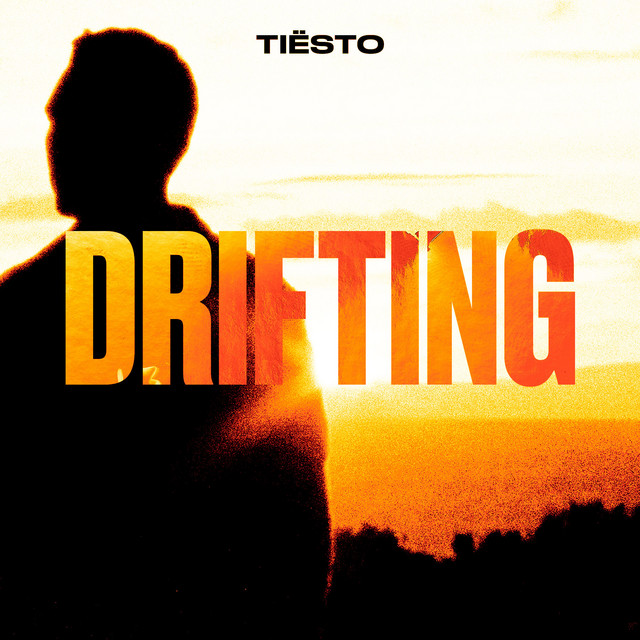
Drifting
Tiësto
Brostep
Dance
Trance
Similar artists
5
/5
Tiësto
Dance
Trance
Brostep
4
/5
R3HAB
Dutch House
Electro House
Tropical House
5
/5
Marshmello
Edm
Electronic
Brostep
4
/5
Alesso
Edm
Progressive Electro House
Chill Pop
4
/5
Galantis
Tropical House
Electronic
Edm
4
/5
Don Diablo
Dutch House
Future House
Electro House
4
/5
Sam Feldt
Tropical House
Progressive Electro House
Chill Pop
4
/5
Armin van Buuren
Progressive Trance
Trance
Dutch House
4
/5
Luude
Drum And Bass
Modern Downshift
Slap House
4
/5
Blasterjaxx
Dutch House
Progressive Electro House
Big Room House
Download our mobile app
Get the Melodigging app and start digging for new genres on the go
Download on the App Store
Get it on Google Play
© 2026 Melodigging
Give feedback
Legal
Melodding was created as a tribute to
Every Noise at Once
, which inspired us to help curious minds keep digging into music's ever-evolving genres.