Genres
Artists
Albums
Make Music
Sign in
Sign in
Artists
Doo-Wop
Artists
Doo-Wop
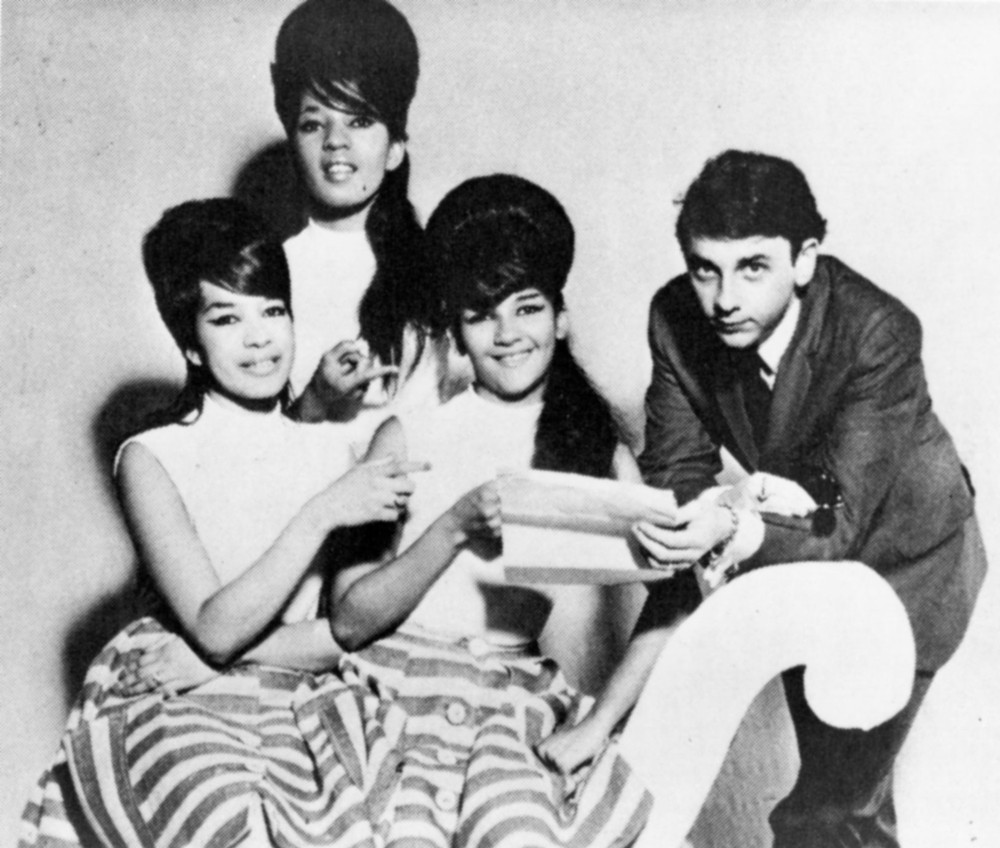
Phil Spector
Listen
2
/5
Genres
Baroque Pop
Baroque pop is a mid‑1960s fusion of contemporary pop/rock songwriting with the timbres, textures, and contrapuntal techniques of Baroque and broader European classical music. It is marked by harpsichord and piano doubling, string quartets or small orchestras, woodwinds (oboe, recorder, bassoon), French horn and piccolo trumpet colors, and melody‑forward arrangements that favor counter‑melodies and suspensions over riff‑based accompaniment. Harmonies tend to be richer than standard rock, with chromatic voice‑leading, circle‑of‑fifths motion, deceptive cadences, and occasional modulations. Production is usually lush and reverberant, supporting reflective, often nostalgic or romantic lyrics. Although it overlaps with orchestral pop and psychedelic pop, baroque pop is distinguished by its chamber‑scale instrumentation, Baroque idioms (basso continuo feel, ornamented lines), and the way classical elements are woven into compact pop song forms.
Discover
Listen
Girl Group
Girl group is a pop- and R&B-rooted vocal group tradition defined by all-female ensembles whose songs emphasize memorable hooks, close harmonies, and teen-focused narratives about love, longing, friendship, and empowerment. Although female vocal groups existed earlier, the term “girl group” most strongly denotes the early‑to‑mid‑1960s era shaped by the Brill Building writing teams, Motown’s artist-development system, and producers such as Phil Spector. Canonical records combine doo‑wop harmony language, gospel-inflected lead vocals, and sparkling pop arrangements with handclaps, tambourine, string sweetening, and the “Wall of Sound.” Across subsequent decades the template evolved—from 1970s soul and disco through 1990s contemporary R&B and 2000s–2020s global idol scenes—while retaining core hallmarks: tightly blended vocals, catchy chorus-first songwriting, and a strong visual identity with coordinated fashion and choreography.
Discover
Listen
Brill Building
Brill Building is a style of polished, hook-driven pop music crafted by professional songwriting teams and producers centered around New York City’s Brill Building (1619 Broadway) and nearby 1650 Broadway in the late 1950s and early 1960s. It blends Tin Pan Alley songcraft with rhythm & blues grooves, doo-wop harmonies, and rock and roll energy, resulting in concise, radio-friendly singles often aimed at teen audiences. Typical traits include strong melodic hooks, AABA or verse–chorus forms, handclaps and backbeat-driven rhythms, lush arrangements with strings or horns, and lyrics that focus on young love, heartache, and aspiration. The "factory" model paired lyricists and composers, publishers, and producers with vocal groups or soloists, generating a steady stream of hits for artists like The Shirelles, The Drifters, The Crystals, and The Ronettes.
Discover
Listen
Pop
Pop is a broad, hook-driven style of popular music designed for wide appeal. It emphasizes memorable melodies, concise song structures, polished vocals, and production intended for radio, charts, and mass media. While pop continually absorbs elements from other styles, its core remains singable choruses, accessible harmonies, and rhythmic clarity. Typical forms include verse–pre-chorus–chorus, frequent use of bridges and middle-eights, and ear-catching intros and outros. Pop is not defined by a single instrumentation. It flexibly incorporates acoustic and electric instruments, drum machines, synthesizers, and increasingly digital production techniques, always in service of the song and the hook.
Discover
Listen
Rock
Rock is a broad family of popular music centered on amplified instruments, a strong backbeat, and song forms that foreground riffs, choruses, and anthemic hooks. Emerging from mid‑20th‑century American styles like rhythm & blues, country, and gospel-inflected rock and roll, rock quickly expanded in scope—absorbing folk, blues, and psychedelic ideas—while shaping global youth culture. Core sonic markers include electric guitar (often overdriven), electric bass, drum kit emphasizing beats 2 and 4, and emotive lead vocals. Rock songs commonly use verse–chorus structures, blues-derived harmony, and memorable melodic motifs, ranging from intimate ballads to high‑energy, stadium‑sized performances.
Discover
Listen
Doo-Wop
Doo-wop is a vocal harmony–driven style of rhythm and blues that blossomed in mid-century urban America. Built around lead-tenor melodies, lush background harmonies, and playful nonsense syllables (the source of its name), the genre blends church-bred gospel techniques with street-corner spontaneity. Musically, doo-wop favors simple, singable chord cycles—especially the “’50s progression” (I–vi–IV–V)—a steady 4/4 or lilting 12/8 feel, and call-and-response between lead and backing parts. Arrangements range from a cappella to small combos with guitar, piano, bass, light drums, and occasional saxophone. Lyrically, the songs are often teen-centered: romance, longing, heartbreak, and devotion. The sound emerged in the late 1940s within African-American communities and soon resonated across ethnic lines, inspiring groups in cities such as New York, Philadelphia, Chicago, Detroit, and Los Angeles. Its polished harmonies, sweet ballads, and hooky refrains helped shape early rock and roll and later pop harmony traditions.
Discover
Listen
Similar artists
1
/5
Various Artists
Soundtrack
Afro-Funk
Alternative Rock
4
/5
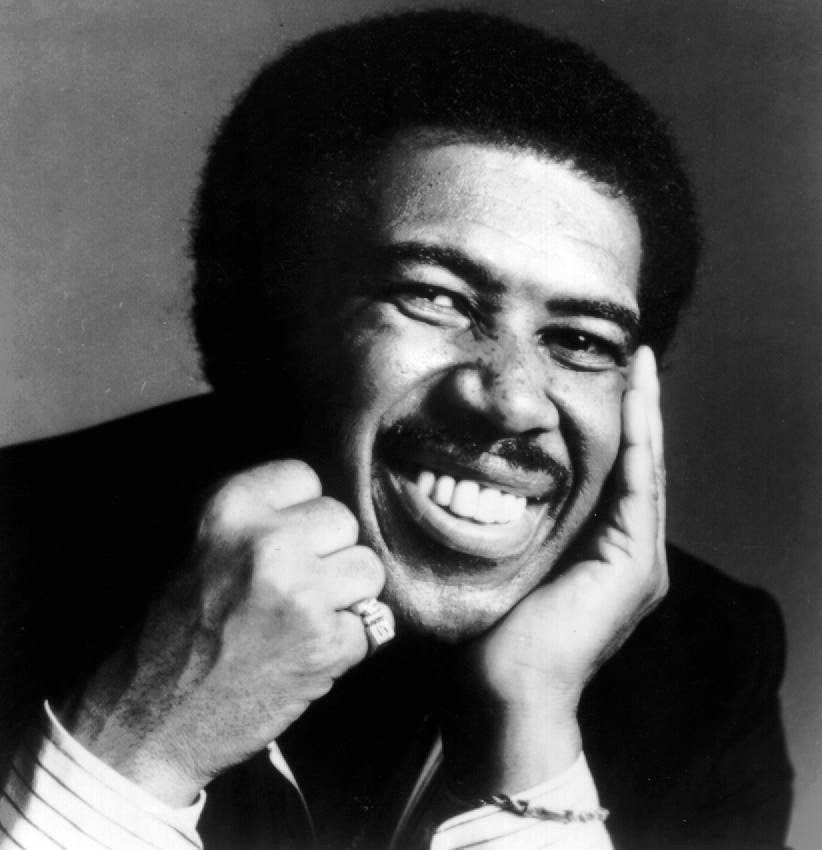
Ben E. King
Pop
Jazz Pop
Soul
4
/5
Frankie Valli
Pop
Bubblegum Pop
Doo-Wop
3
/5
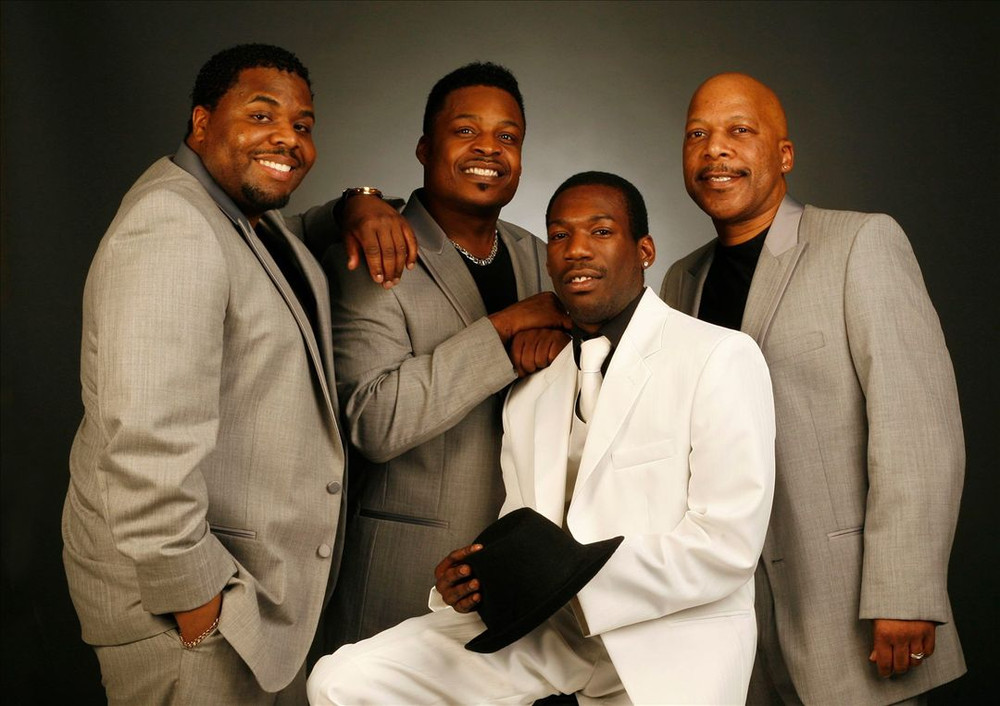
The Drifters
Doo-Wop
Motown
Rock And Roll
3
/5
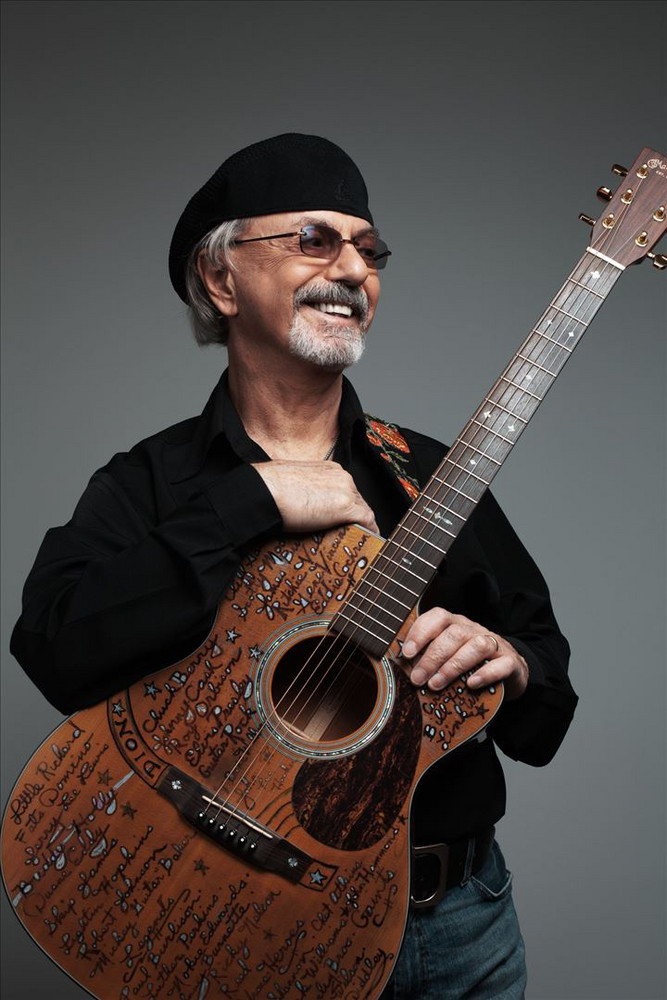
Dion
Doo-Wop
Pop Rock
Brill Building
3
/5
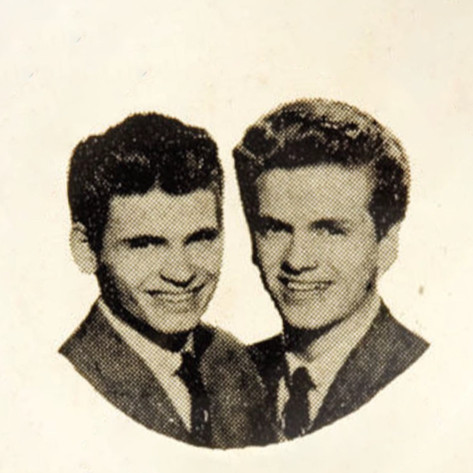
The Everly Brothers
Rock And Roll
Pop
Close Harmony
3
/5
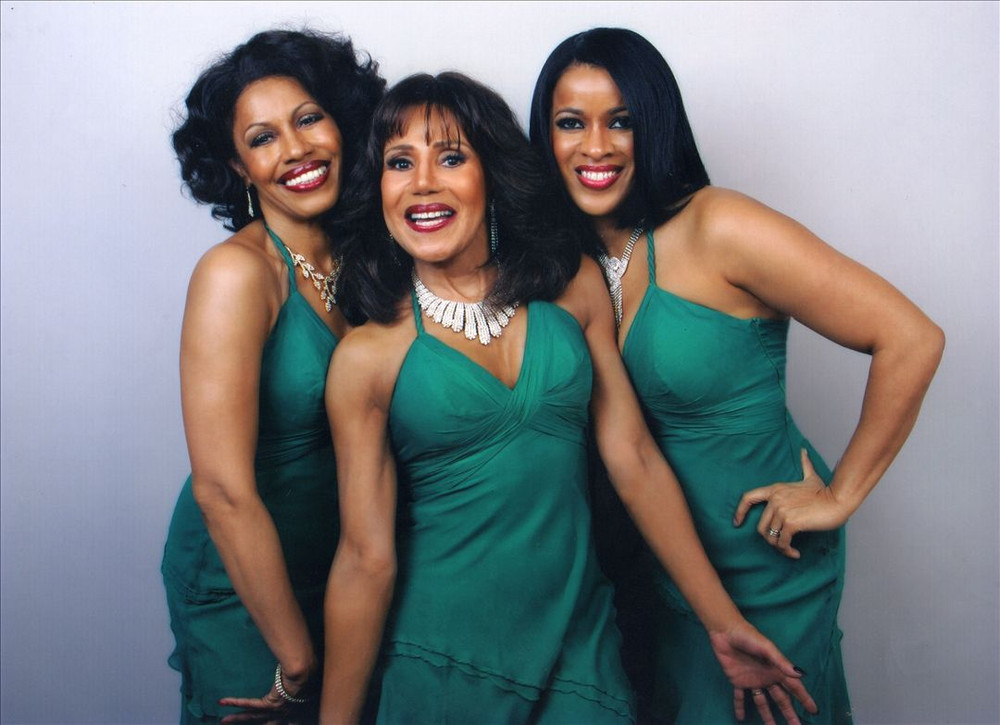
The Crystals
Brill Building
Girl Group
Pop
3
/5
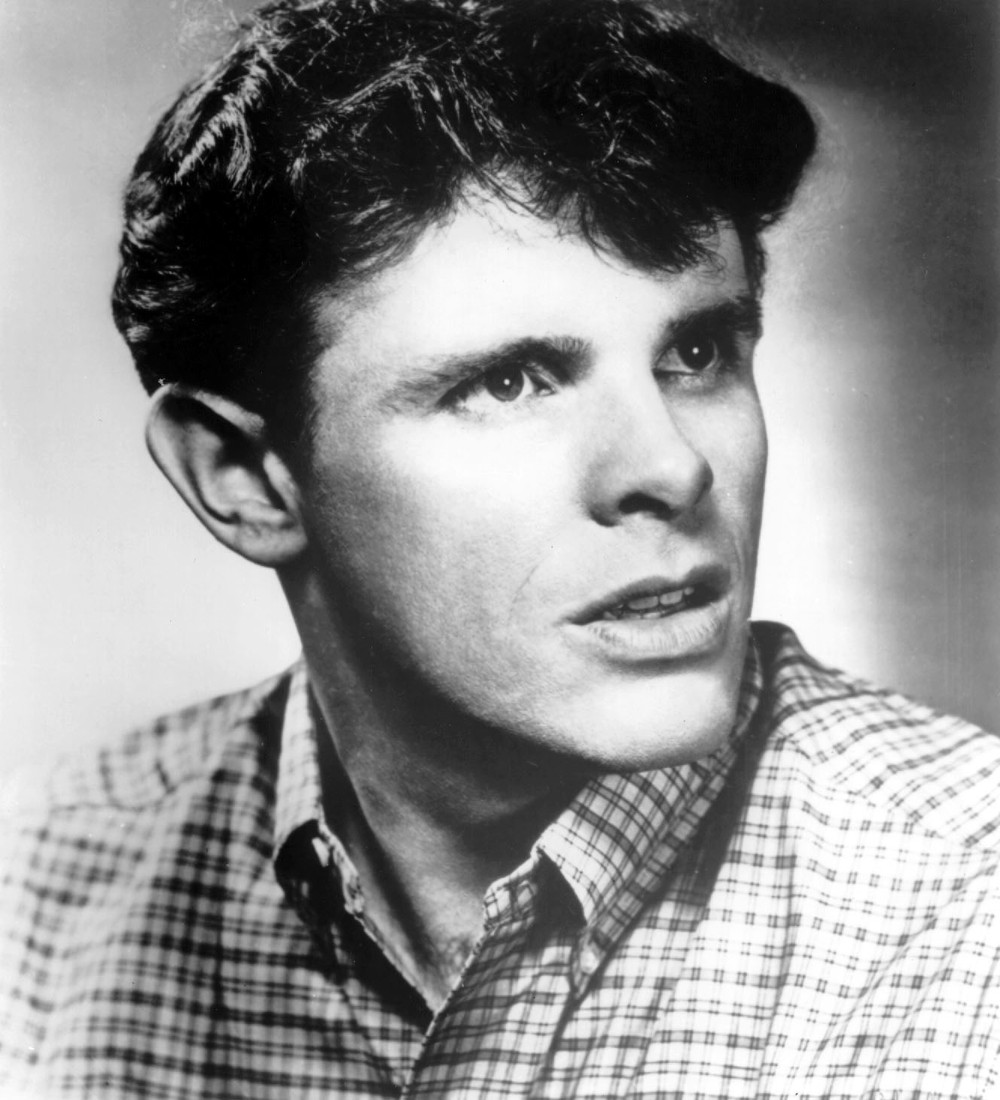
Del Shannon
Doo-Wop
Rockabilly
Rock And Roll
3
/5
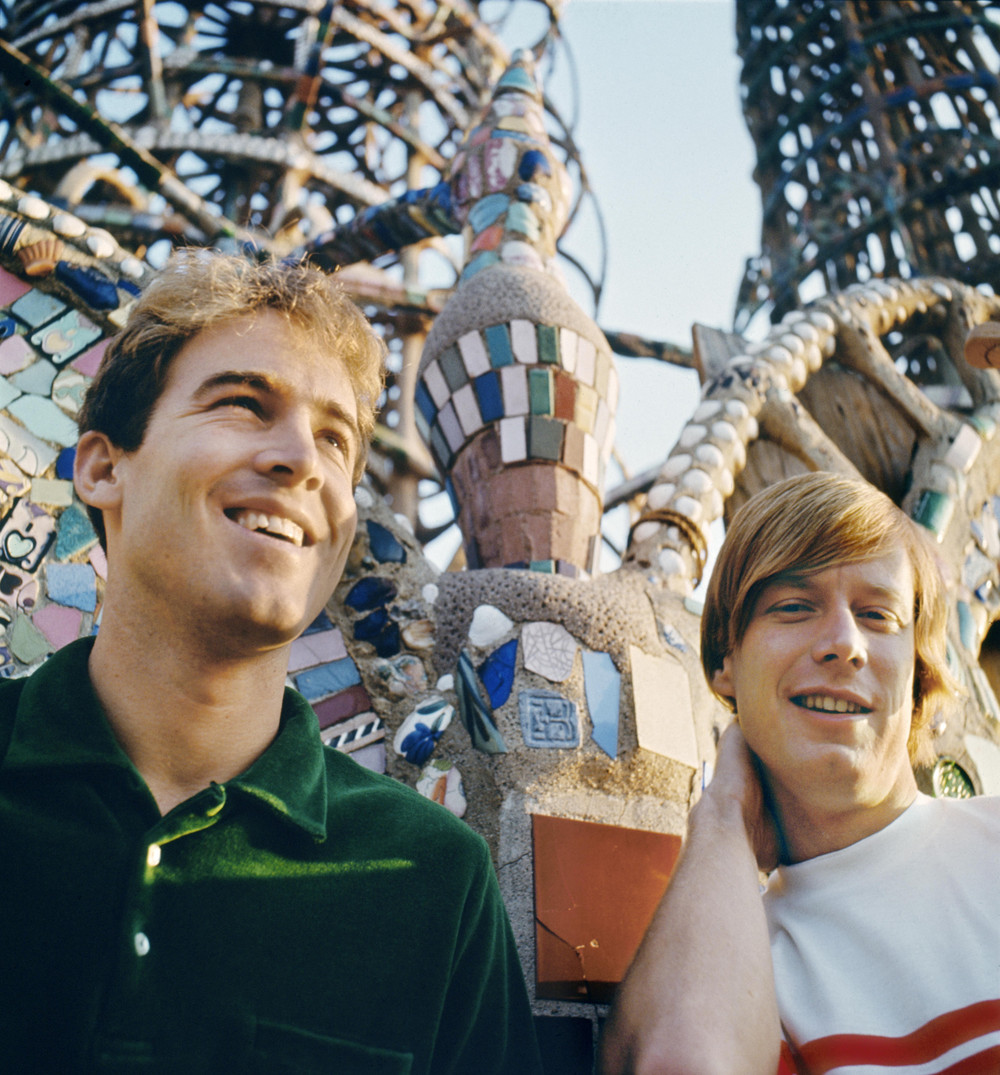
Jan & Dean
Vocal Surf
Pop
Rock
4
/5
Bobby Darin
Big Band
Pop
Jazz
Download our mobile app
Get the Melodigging app and start digging for new genres on the go
Download on the App Store
Get it on Google Play
© 2026 Melodigging
Give feedback
Legal
Melodding was created as a tribute to
Every Noise at Once
, which inspired us to help curious minds keep digging into music's ever-evolving genres.