Genres
Artists
Albums
Make Music
Sign in
Sign in
Artists
Concerto
Artists
Concerto
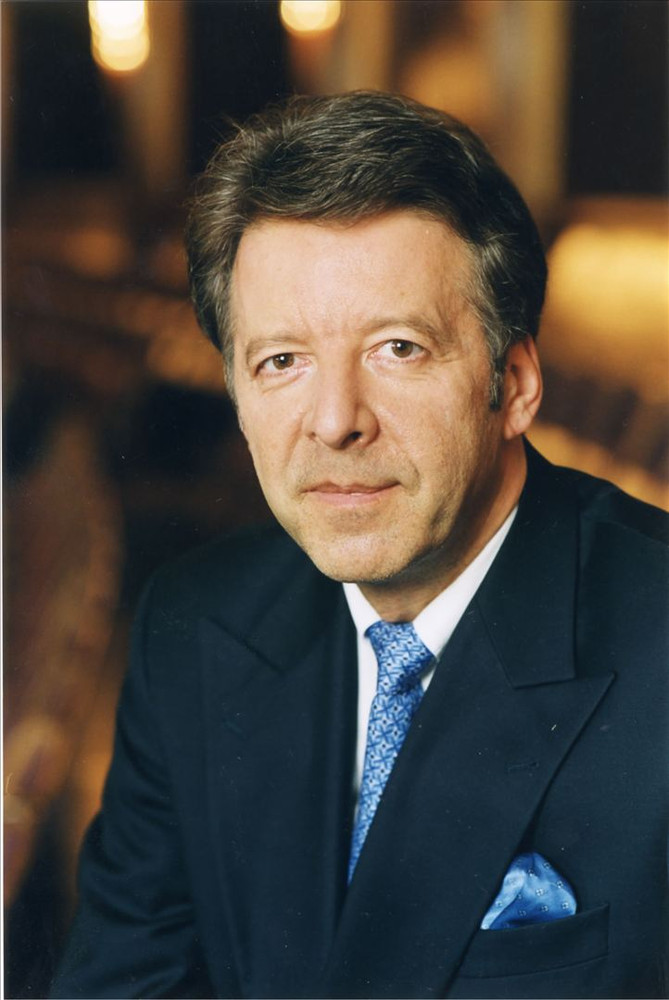
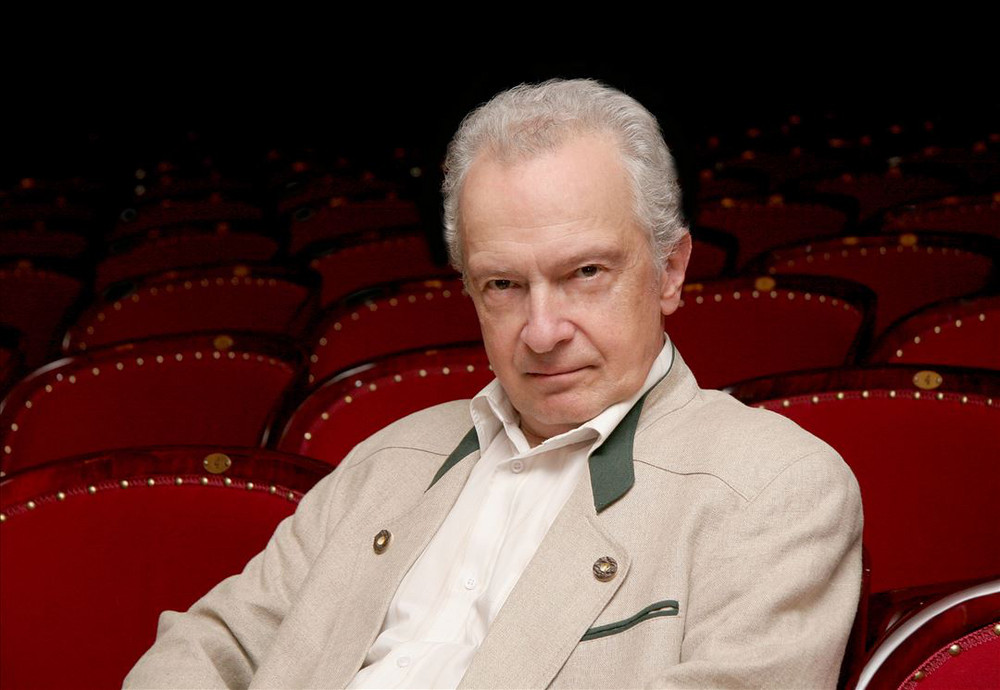
Peter Ruzicka
Listen
2
/5
Genres
Contemporary Classical
Contemporary classical is the broad field of Western art music created after World War II. It embraces an array of aesthetics—from serialism and indeterminacy to minimalism, spectralism, electroacoustic practices, and post‑tonal lyricism—while retaining a concern for notated composition and timbral innovation. Unlike the unified styles of earlier eras, contemporary classical is pluralistic. Composers freely mix acoustic and electronic sound, expand instrumental techniques, adopt non‑Western tuning and rhythm, and explore new forms, from process-based structures to open and graphic scores. The result is a music that can be rigorously complex or radically simple, technologically experimental or intimately acoustic, yet consistently focused on extending how musical time, timbre, and form can be shaped.
Discover
Listen
Electroacoustic
Electroacoustic music is a broad art-music tradition that integrates recorded acoustic sound and electronically generated or processed sound into coherent musical works. It privileges timbre, gesture, texture, and spatialization over conventional melody-and-harmony song forms, often employing tape manipulation, synthesis, live electronics, and computer-based signal processing. Works are frequently composed for fixed media (stereo or multichannel loudspeakers) and may also involve live performers who are transformed in real time. Concert presentation typically emphasizes spatial diffusion and immersive listening, and the repertoire spans concert works, radio pieces, installations, and soundscape compositions.
Discover
Listen
Concerto
A concerto is a large-scale composition that sets one or more solo instruments in dynamic dialogue with an orchestra. Its core idea is contrast—between soloist and tutti—and the dramatic negotiation of power, color, and thematic responsibility. While Baroque concertos often relied on ritornello form, the Classical era standardized a three-movement plan (fast–slow–fast) with sonata principles in the opening movement. The Romantic period emphasized virtuosity and expressive foregrounding of the soloist, and the 20th–21st centuries broadened the palette with new instruments, harmonies, and formats. Across eras, the concerto remains a showcase for instrumental character, technical brilliance, and the art of orchestral conversation.
Discover
Listen
Similar artists
2
/5
WDR Sinfonieorchester Köln
Classical
Electroacoustic
Musique Concrète
3
/5
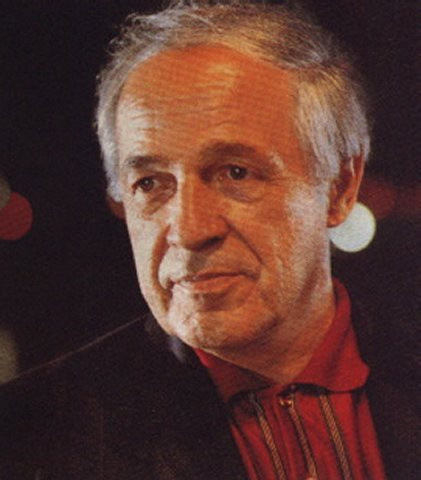
Pierre Boulez
Classical
Expressionism
Impressionism
2
/5
Ensemble Intercontemporain
Expressionism
Classical
Avant-Garde
1
/5
Hans Werner Henze
Avant-Garde
Concerto
Electroacoustic
2
/5
György Ligeti
Classical
Avant-Garde
Electroacoustic
3
/5
BBC Symphony Orchestra
Classical
Concerto
Contemporary Classical
3
/5
Antoni Wit
Classical
Requiem
Orkiestra Symfoniczna
3
/5
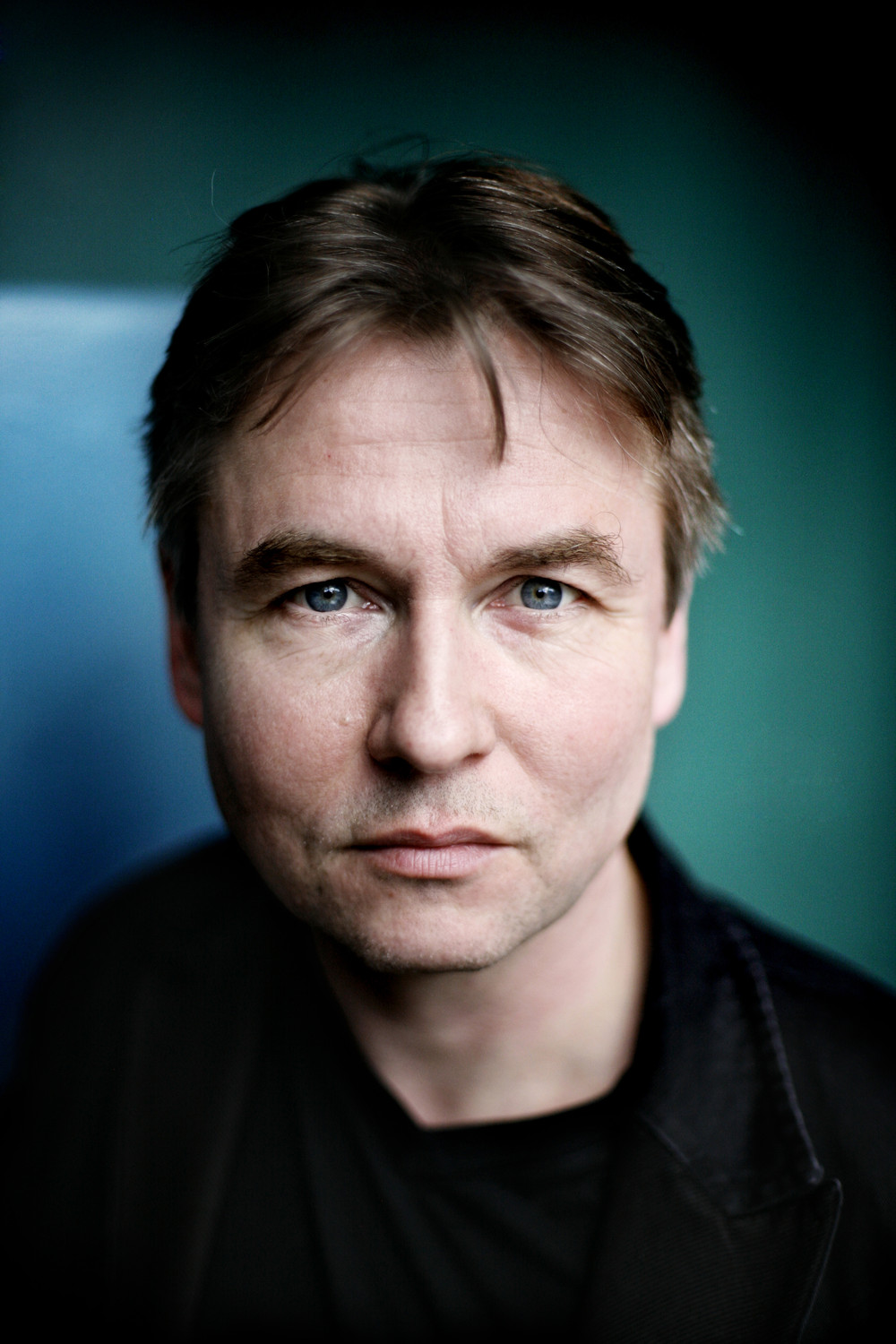
Esa-Pekka Salonen
Concerto
Ballet
Classical
3
/5
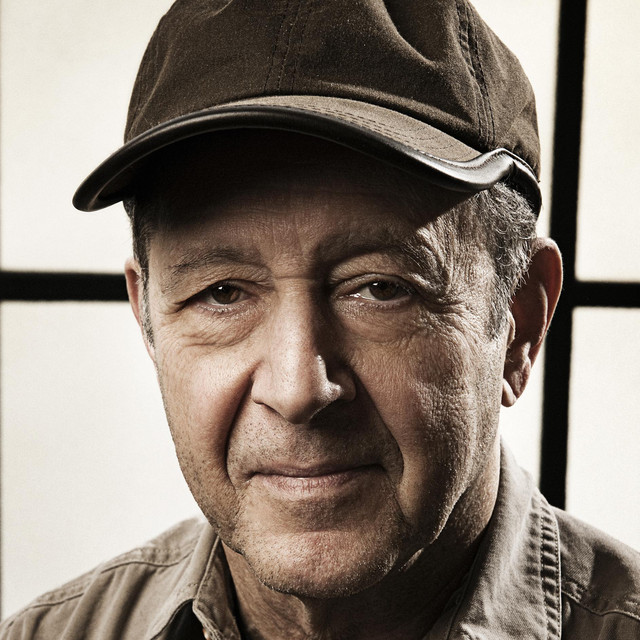
Steve Reich
Minimalism
Classical
Modern Classical
3
/5
Deutsches Symphonie-Orchester Berlin
Classical
Opera
Concerto
Download our mobile app
Get the Melodigging app and start digging for new genres on the go
Download on the App Store
Get it on Google Play
© 2026 Melodigging
Give feedback
Legal
Melodding was created as a tribute to
Every Noise at Once
, which inspired us to help curious minds keep digging into music's ever-evolving genres.