Genres
Artists
Albums
Make Music
Sign in
Sign in
Artists
Tsonga Disco
Artists
Tsonga Disco
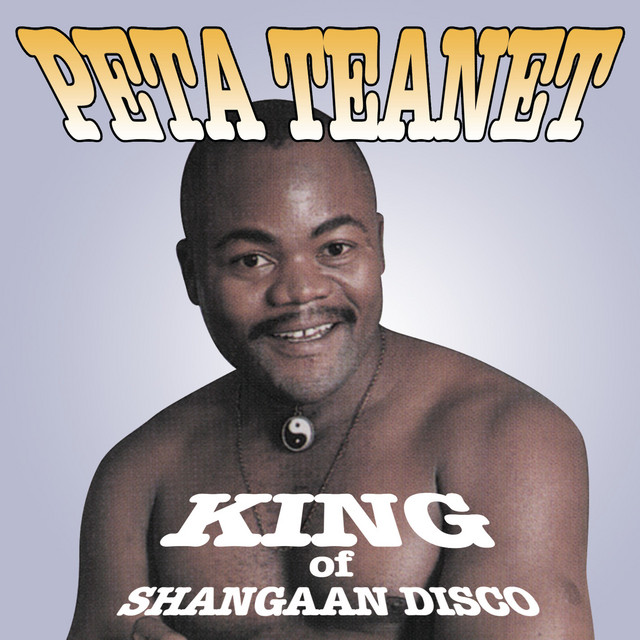
Peta Teanet
1991–2013
·
9 albums
Listen
2
/5
Genres
3-Step
3-step is a contemporary club style built around a distinctive three‑kick‑drum pattern per bar instead of the traditional four‑on‑the‑floor. It blends the supple log‑drum bass and patient, rolling pace of Amapiano with the syncopated, jazz‑inflected looseness of UK Broken Beat. The result is relaxed, free‑form and playful, with a subtly swung feel, airy Rhodes‑style chords and nimble percussion that invite head‑nodding as much as dancing.
Discover
Listen
Afro Tech
Afro tech is a club-focused hybrid of Afro house and techno that blends four-on-the-floor drum programming with African polyrhythms, deep sub-bass, and hypnotic, minor-key synth work. It favors driving grooves, atmospheric pads, chant-like vocals, and long, DJ-friendly arrangements that build patiently toward cathartic drops. Compared with soulful Afro house, Afro tech tends to be darker, more streamlined, and more mechanical, while retaining the swing, percussion density, and call-and-response sensibilities of Southern African dance music.
Discover
Listen
Amapiano
Amapiano is a South African house offshoot defined by deep, airy pads, jazzy chord voicings, and the signature "log drum" bass that carves syncopated, percussive patterns through the low end. Emerging from Gauteng townships, it favors mid-tempo grooves (typically 108–114 BPM), minimal four-on-the-floor kicks, and richly layered percussion—shakers, congas, rimshots—leaving generous space for melodic piano riffs and soulful vocals. The overall mood is warm, hypnotic, and communal, designed as much for social spaces and dance circles as for late-night listening. Amapiano marries the street-level grit and swing of kwaito and Pretoria’s bacardi house with the smoothness of deep house and the harmonic language of jazz, resulting in a style that is both understated and irresistibly danceable.
Discover
Listen
Gqom
Gqom is a minimalist, hard-edged club music from Durban, South Africa, built around pounding kicks, syncopated toms, and sparse, looped vocal chants. It favors tension and release over melodic development, using stark, percussive motifs and dramatic breakdowns to create a hypnotic, physically compelling groove. Typically sitting around 120–130 BPM, gqom departs from straight four-on-the-floor house patterns, embracing broken-beat structures, off-grid fills, and sudden dropouts. The sound palette leans dark and industrial—heavy sub-bass, metallic hits, claps, whistles, crowd shouts, and found sounds—while harmony is minimal or absent, keeping the focus on rhythm and texture.
Discover
Listen
Singeli
Singeli is a hyper-accelerated Tanzanian dance music and MC tradition that emerged in Dar es Salaam’s working-class neighborhoods in the mid‑2000s. Built on blisteringly fast drum programming—often between 180 and 300 BPM—it features shouted or rapped vocals in Swahili and street slang, rapid-fire call‑and‑response, and looped keyboard riffs or chopped samples. While it draws from local ngoma rhythms, mchiriku street styles, and the broader tarab/taarab lineage, singeli is its own distinctly Tanzanian sound rather than soukous or classical taarab. Performances are intensely kinetic: DJs trigger barrages of claps, toms, and snares while MCs hype the crowd, and dancers drive the energy with footwork and shoulder moves. The overall aesthetic is raw, DIY, and maximal, but also playful and community‑focused.
Discover
Listen
Afro House
Afro house is a subgenre of house music that took shape in South Africa in the 1990s. It blends classic house’s 4/4 pulse with African rhythmic sensibilities, emphasizing hand percussion such as congas, bongos, shakers and djembe alongside warm basslines and steadily dancing kick drums. Tracks often sit around 118–124 BPM and lean into hypnotic, polyrhythmic grooves, soulful harmonies, and an organic, spiritual atmosphere. Producers commonly use piano, saxophone, synthesizers, marimba/kalimba and rich pads, while vocals appear in a variety of African languages in call‑and‑response or chantlike phrases. The result is music that feels both deeply communal and club‑ready, equally at home on outdoor dance floors and late‑night sets.
Discover
Listen
Tsonga Disco
Tsonga disco (also called Shangaan/Tsonga disco) is a South African dance-pop style rooted in Xitsonga language song traditions and 1980s electronic dance production. It features drum machines and bright synthesizers, with a charismatic male lead vocal answered by a tight female chorus in call-and-response. Tempos are mid-to-uptempo, bass lines are buoyant and repetitive, and synth stabs double catchy guitar or marimba-like figures. The mood is celebratory and romantic, with lyrics often addressing love, pride, everyday life, and regional identity. While it grew from township disco and bubblegum pop, Tsonga disco keeps distinctive Tsonga melodic turns and choral voicings, creating a sound that is both unmistakably local and primed for the dance floor.
Discover
Listen
Township Bubblegum
Township bubblegum is a South African, synthesizer‑driven dance‑pop style that blossomed in the 1980s, aimed primarily at Black urban audiences in the townships during the late apartheid era. It blends disco’s four‑on‑the‑floor pulse, funk basslines, and bright synth hooks with township jive/mbaqanga rhythmic guitar figures and marabi‑flavored chord cycles. Lyrics are usually in English mixed with isiZulu, isiXhosa, Sesotho and other local languages, delivered through catchy, chant‑like refrains and call‑and‑response vocals. The result is upbeat, radio‑friendly party music with ear‑worm choruses, glossy drum‑machine production, and feel‑good grooves that made it a foundational stepping stone toward 1990s kwaito and, later, contemporary South African dance styles.
Discover
Listen
Afro-Funk
Afro-funk is a groove-driven fusion that marries the syncopated punch of American funk with West African rhythmic traditions such as highlife and jùjú. It features tightly interlocking rhythm sections, ostinato bass lines, bright horn riffs, call-and-response vocals, and guitar textures that often use wah-wah, palm-muted chanks, and cyclical vamps. While rooted in dance-floor energy, afro-funk retains a strong sense of locality—languages, proverbs, and social themes are woven into songs—making it both a party music and a vehicle for cultural expression. The sound flourished in the 1970s across West Africa, especially Nigeria, Ghana, and Benin, with some bands based in diasporic hubs like London, creating a pan-African, cosmopolitan take on funk.
Discover
Listen
Afrobeat
Afrobeat is a horn-driven, polyrhythmic, and politically charged style that emerged in Nigeria, spearheaded by bandleader Fela Kuti and drummer Tony Allen. It fuses West African highlife and juju with American funk, jazz, and soul to create extended, hypnotic grooves. Typical tracks revolve around interlocking guitar and keyboard ostinatos, elastic bass vamps, dense percussion (shekere, congas, agogô, cowbell), and tightly arranged horn riffs that punctuate the beat. Vocals often use call-and-response and socially conscious lyrics, delivered in English, Nigerian Pidgin, or Yoruba. Harmonically sparse but rhythmically intricate, Afrobeat prioritizes feel: long, evolving arrangements, richly syncopated drum patterns, and sectional dynamics that spotlight solos and collective interplay.
Discover
Listen
Bubblegum Pop
Bubblegum pop is an upbeat, hook-saturated strain of pop music engineered for immediate catchiness and mass youth appeal. It favors short songs, simple melodies, bright major-key harmonies, handclaps, sing-along choruses, and playful onomatopoeia or nonsense syllables (la-la, na-na, sha-la-la). Typical productions use clean, jangly guitars, tambourines, tambourine-like percussion, and sweet backing vocals, often performed by session musicians working under producer-driven studio projects. Lyrically it is lighthearted and G-rated, centering on teen romance, dancing, and fun; musically it sits between early rock and roll, Brill Building pop, girl-group stylings, and a sprinkle of psychedelic color. The sound was designed for radio singles, TV tie-ins, and merchandising, making it one of the earliest consciously “manufactured” pop subgenres.
Discover
Listen
Show all 11 genres
Albums
2013
2
/5
Divorce Case
Peta Teanet
Township Bubblegum
2008
2
/5
King Of Shangaan Disco
Peta Teanet
Afro-Funk
1991
1
/5
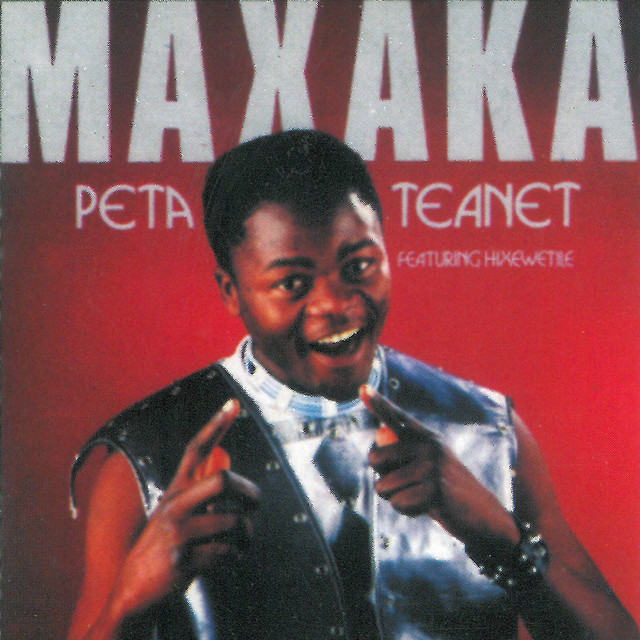
Maxaka
Peta Teanet
Township Bubblegum
Sakanaye Jive
Peta Teanet
Tsonga Disco
King of Shangaan Disco
Peta Teanet
Tsonga Disco
U taku tsakisa
Peta Teanet
Tsonga Disco
Double Pashash
Peta Teanet
Tsonga Disco
Will Excite You
Peta Teanet
Tsonga Disco
Divorce Case
Peta Teanet
Tsonga Disco
Similar artists
1
/5
Various Artists
Afro-Funk
Alternative Rock
Ambient
3
/5
Uhuru
Afro House
Afrobeat
Amapiano
2
/5
A-Star
Afro House
Afrobeat
Afropiano
2
/5
Distruction Boyz
Gqom
Afro House
Afrobeat
3
/5
Sun-El Musician
Afro House
Afro Soul
Afropop
2
/5
Hagan
Gqom
Afro House
Afro Tech
3
/5
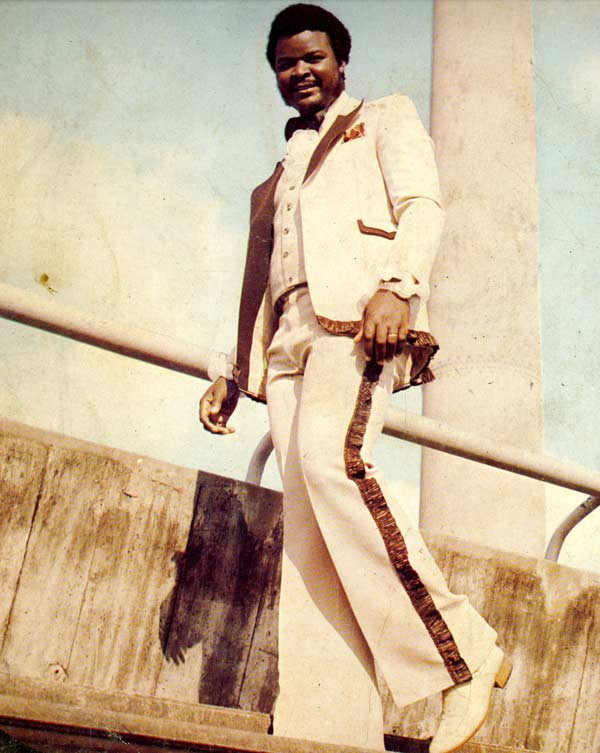
William Onyeabor
Afro-Funk
Synth Funk
Afrobeat
2
/5
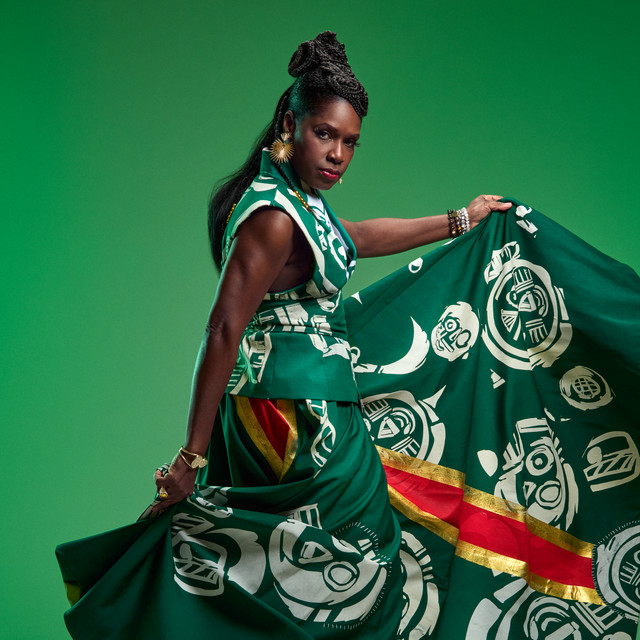
Ibibio Sound Machine
Afro-Funk
Afrobeat
Electronic
2
/5
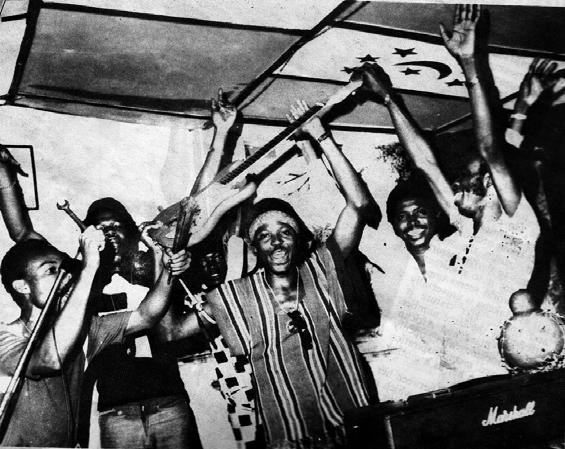
The Funkees
Afro-Funk
Afrobeat
Highlife
2
/5
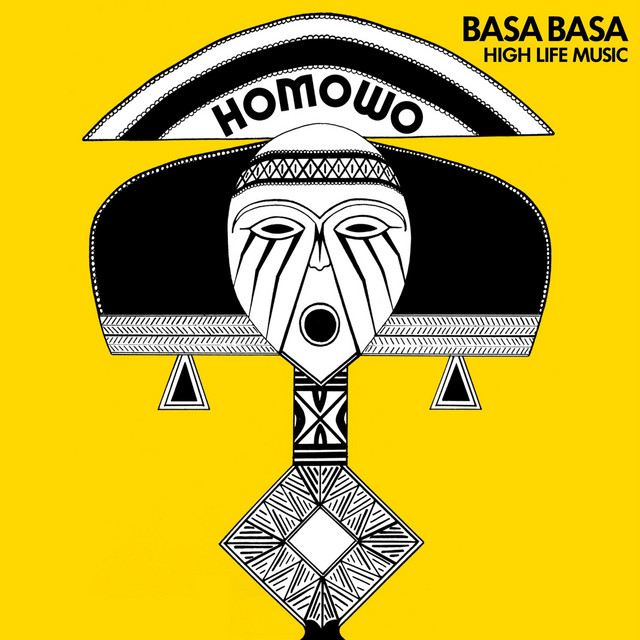
Basa Basa
Afro-Funk
Afrobeat
Highlife
Download our mobile app
Get the Melodigging app and start digging for new genres on the go
Download on the App Store
Get it on Google Play
© 2026 Melodigging
Give feedback
Legal
Melodding was created as a tribute to
Every Noise at Once
, which inspired us to help curious minds keep digging into music's ever-evolving genres.