Genres
Artists
Albums
Make Music
Sign in
Sign in
Artists
Coldwave
Artists
Coldwave
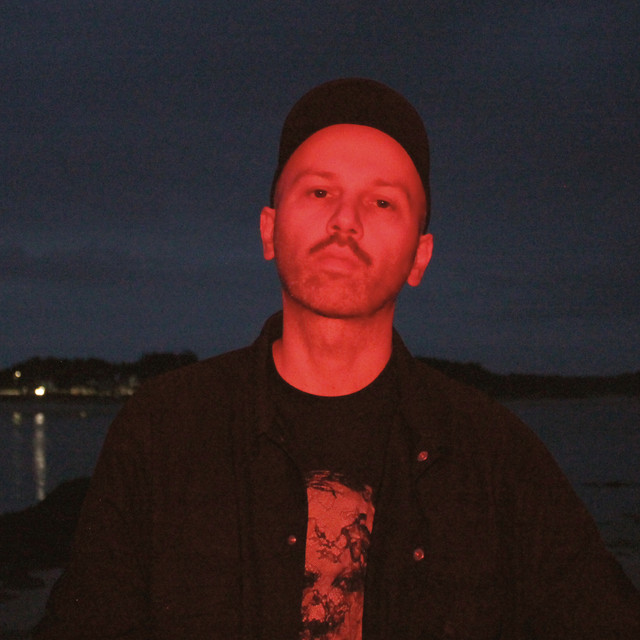
PERMSKY KRAY
Listen
3
/5
Genres
Experimental Indie
Experimental indie is a broad, exploratory wing of independent rock and pop that prioritizes curiosity over convention. It blends DIY recording practices with off‑kilter song forms, unusual timbres, and a willingness to fold in ideas from avant‑pop, noise, electronic music, and psych. Rather than a fixed sound, it is a method and attitude: use the tools at hand (bedroom rigs, pedals, samplers, tape, software) to push past genre borders, while keeping the immediacy and intimacy of indie. Expect jagged rhythms, warped hooks, collage‑like arrangements, and production choices that foreground texture as much as melody.
Discover
Listen
Winter Synth
Winter synth is a microgenre of dungeon synth and ambient that evokes wintertime landscapes, quiet snowfall, candlelit interiors, and festive or solstitial moods. Its sound palette favors soft synth pads, bell and celesta tones, choir and string layers, gentle drones, and understated percussion such as sleigh bells or muffled toms. Production typically leans lo‑fi and reverb‑rich, often with tape hiss or room noise to enhance the cozy, nostalgic feel. While largely instrumental, some releases weave in hymn- or carol-like harmonies, wind and fireplace field recordings, or simple leitmotifs that recur across short vignettes. The focus is atmosphere over virtuosity, creating intimate, scenic miniatures that suggest a quiet winter journey or a peaceful night by the hearth.
Discover
Listen
Sovietwave
Sovietwave is a retrofuturist microgenre of electronic music that blends the hazy, sample-based nostalgia of vaporwave with the analog synth palettes and cinematic sentiment of late–Cold War era soundtracks. It aims to evoke imagined futures and everyday atmospheres of the Soviet period through audio patina, archival voices, and melancholic, slow-moving harmonies. Typical tracks feature tape hiss, radio static, and excerpts from newsreels, educational films, or cosmonaut broadcasts, set against synth pads, simple drum programming, and minor-key progressions. The result is a bittersweet, dreamy sound that feels both distant and familiar—reconstructing a “lost future” through the sonic memory of the USSR and post-Soviet popular culture.
Discover
Listen
Broken Transmission
Broken transmission is a vaporwave-adjacent microgenre built from fragmented, channel-surfing collages of analog broadcast ephemera. Producers splice together tiny shards of TV idents, news stingers, commercials, interstitial music, and dead air, emphasizing tape hiss, static, dropouts, and tuning noise as musical material. Often beatless or only loosely pulsed, tracks unfold like late-night flipping through channels: abrupt cuts, fleeting jingles, station sign‑offs, and half-heard voiceovers that dissolve into snow. The result is a liminal, hauntological mood—nostalgia filtered through the mechanical errors and material decay of VHS, cable boxes, and broadcast tape. Where classic vaporwave slows and loops pop smoothness, broken transmission foregrounds the texture of the medium itself. It treats errors, transitions, and broadcast artifacts as hooks, creating an uncanny documentary of mediated memory.
Discover
Listen
Dark Disco
Dark disco is a mid‑tempo, nocturnal strain of club music that fuses the hypnotic pulse of disco with the grit of post‑punk, EBM, coldwave, and industrial. It favors ominous basslines, minor‑key harmonies, reverb‑soaked guitars and vocals, and analog synth textures, resulting in a moody, cinematic atmosphere that is equally suited to sweaty basements and late‑night festival stages. Tempos typically sit between 105–120 BPM, with emphasis on groove, tension, and shadowy drama rather than maximal speed or brightness.
Discover
Listen
Dark Trap
Dark trap is a moody, ominous strain of trap characterized by minor‑key melodies, dystopian pads, bell arpeggios, choirs, and cinematic textures laid over hard‑hitting 808s. Producers lean on distorted or saturated sub‑bass, rapid hi‑hat rolls, and halftime drum feels to create a sense of menace and weight. Harmonically it favors natural/harmonic minor, Phrygian, and Phrygian‑dominant colors, with sparse motifs, dissonant intervals, and tension‑building sound design. Vocals often explore themes of nihilism, isolation, urban decay, crime, and horror/occult imagery. Typical tempos sit around 130–150 BPM (felt in halftime around 65–75 BPM), keeping the groove heavy while leaving space for vocals.
Discover
Listen
Modern Darkwave
Modern darkwave is a contemporary revival and update of 1980s darkwave, post-punk, and goth-influenced synth music. It typically blends moody, minor-key synth textures with rock-band attitude: pulsing electronic basslines, tight drum-machine grooves, and melodic vocals that range from detached and baritone to dramatic and reverbed. Compared with classic darkwave, the “modern” strain often sounds cleaner and heavier at once: larger low end, brighter synth timbres, more club-ready mixing, and occasional cross-pollination with EBM, minimal wave, and dark pop aesthetics.
Discover
Listen
Dark Synthpop
Dark synthpop is a brooding, minor‑key offshoot of classic synth‑pop that blends catchy electronic songcraft with the mood and aesthetics of gothic rock and darkwave. It typically features analog or analog‑modeled synthesizers, stark drum‑machine patterns, pulsing sequencers, and baritone or breathy vocals treated with chorus, delay, and reverb. Lyrics dwell on alienation, nocturnal romance, technology, and existential unease, while the production favors shadowy timbres, low‑end weight, and cinematic atmosphere. The style preserves synth‑pop’s hook writing and verse‑chorus immediacy but replaces glossy brightness with colder textures, minimalist motifs, and a noir sensibility influenced by post‑punk and industrial.
Discover
Listen
Dark Wave
Dark wave is a moody, melancholic offshoot of post-punk and new wave that emphasizes minor-key harmonies, somber timbres, and introspective or romantic lyrical themes. It blends the icy textures of early synthesizers and drum machines with reverb-laden guitars and melodic, driving basslines. The style typically features baritone or ethereal vocals, atmospheric production with heavy use of chorus, delay, and reverb, and tempos that range from slow and brooding to mid-tempo and danceable. Dark wave spans both guitar-oriented and synth-forward approaches, and often overlaps with related movements such as coldwave, minimal wave, and ethereal wave.
Discover
Listen
Indie
Indie (short for “independent”) began as music made and released outside the major-label system, where a DIY ethos shaped everything from songwriting and recording to artwork and touring. As a sound, indie is eclectic but often features jangly or overdriven guitars, intimate or understated vocals, melodic basslines, and unvarnished production that foregrounds authenticity over gloss. It spans rock, pop, and folk while welcoming electronic textures and lo‑fi aesthetics. Lyrics typically focus on personal observation, small details, and wry self-awareness rather than overt virtuosity or spectacle. Beyond style, indie describes a culture: small labels and stores, college/alternative radio, fanzines/blogs, community venues, and scenes that value experimentation, individuality, and artistic control.
Discover
Listen
Coldwave
Coldwave is a European post-punk offshoot characterized by icy, minimalist arrangements, prominent basslines, sparse drum machines, and a detached vocal delivery. Emerging first in France (and neighboring Belgium) in the late 1970s and peaking through the mid-1980s, it blends punk’s austerity with the synthetic textures of early analog keyboards and stark, minor-key guitar figures. The mood is melancholic and introspective—often sung in French or English—favoring rigid rhythms, chorus-drenched guitars, and compact songwriting that foregrounds atmosphere over virtuosity. Its "cold" aesthetic refers as much to the emotional temperature of the music as to the gray-toned production: dry snares, steely bass, and reverb used not for lushness but for distance.
Discover
Listen
Post-Punk
Post-punk is a broadly experimental strain of rock that emerged in the late 1970s as artists sought to push beyond the speed, simplicity, and orthodoxy of first-wave punk. It typically features angular, bass-forward grooves; jagged or minimal guitar lines; stark, spacious production; and an openness to dub, funk, electronic, and avant-garde ideas. Lyrics often examine alienation, urban decay, politics, and the inner life with artful or abstract delivery. A studio-as-instrument approach, emphasis on rhythm section interplay, and an appetite for non-rock textures (tape effects, drum machines, found sound, synths) distinguish the style. The result can be danceable yet tense, cerebral yet visceral, and emotionally restrained yet intensely expressive.
Discover
Listen
Show all 12 genres
Similar artists
3
/5
Linea Aspera
Minimal Wave
Dark Synthpop
Grave Wave
4
/5
Boy Harsher
Grave Wave
Ebm
Dark Wave
3
/5
French Police
Deathrock
Gothic Rock
Post-Punk
3
/5
Vestron Vulture
Coldwave
Dark Wave
Experimental Club Music
3
/5
Provoker
Lo-Fi Indie
Post-Punk
Coldwave
3
/5
Faerybabyy
Coldwave
Dark Wave
Post-Punk
3
/5
Las eras
Ebm
Coldwave
Dark Wave
3
/5
Minuit Machine
Dark Synthpop
Grave Wave
Coldwave
2
/5
Harsh Symmetry
Modern Goth
Coldwave
Deathrock
2
/5
Fragrance
Coldwave
Dark Synthpop
Dark Wave
Download our mobile app
Get the Melodigging app and start digging for new genres on the go
Download on the App Store
Get it on Google Play
© 2026 Melodigging
Give feedback
Legal
Melodding was created as a tribute to
Every Noise at Once
, which inspired us to help curious minds keep digging into music's ever-evolving genres.