Genres
Artists
Albums
Make Music
Sign in
Sign in
Artists
New Wave
Artists
New Wave
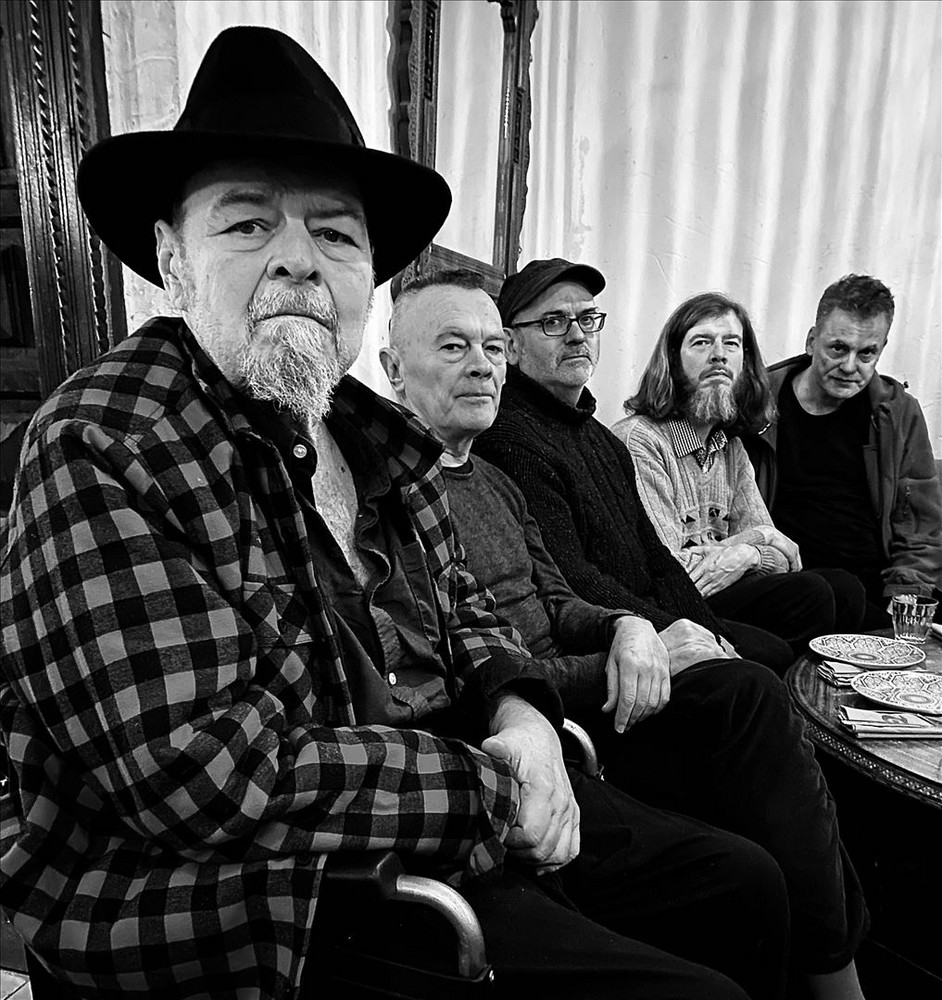
Pere Ubu
1978–1982
·
5 albums
Listen
2
/5
Genres
Noise Rock
Noise rock is a subgenre of rock that deliberately embraces distortion, feedback, dissonance, and abrasive textures as primary musical materials rather than mere effects. It prioritizes timbre, volume, and sonic density over conventional melody and harmony, often using nonstandard tunings, prepared or detuned guitars, and extended techniques to generate harsh overtones and sheets of sound. Rhythm sections tend to be driving and repetitive, anchoring the chaos with motorik pulses, lurching grooves, or pummeling, minimal patterns. Vocals range from spoken and murmured to shouted and cathartic, with lyrics that skew cryptic, confrontational, or surreal. Aesthetically, noise rock traces a line from punk’s anti-virtuosity and DIY ethos through no wave’s iconoclasm and the avant-garde’s interest in sound-as-sound, yielding music that can be physically intense, psychologically unsettling, and artistically exploratory.
Discover
Listen
New Wave
New wave is a broad, pop-oriented umbrella for styles that emerged in the mid-to-late 1970s as a sleeker, more melodic outgrowth of punk culture. Initially, the term varied by region: in the United States it was first used by critics and labels (famously Sire Records’ “Don’t Call It Punk” campaign in 1977) to rebrand punk-associated artists with more radio-friendly aesthetics; in the United Kingdom it encompassed a wider constellation of fresh, stylish post-punk-era sounds. Over time, “new wave” became a catch‑all for hooky guitar pop, synth-driven songs, danceable rhythms, and modernist production sensibilities. Sonically, it blends tight, upbeat rhythms (often disco- and reggae-informed), clean chorus/flanger guitars, prominent synthesizers, and concise, hook-led songwriting. Its visual identity—sharp suits, futurist imagery, and fashion-forward presentation—was integral, aligning with the rise of music television and emphasizing art-school wit, irony, and modern urban themes.
Discover
Listen
Post-Punk
Post-punk is a broadly experimental strain of rock that emerged in the late 1970s as artists sought to push beyond the speed, simplicity, and orthodoxy of first-wave punk. It typically features angular, bass-forward grooves; jagged or minimal guitar lines; stark, spacious production; and an openness to dub, funk, electronic, and avant-garde ideas. Lyrics often examine alienation, urban decay, politics, and the inner life with artful or abstract delivery. A studio-as-instrument approach, emphasis on rhythm section interplay, and an appetite for non-rock textures (tape effects, drum machines, found sound, synths) distinguish the style. The result can be danceable yet tense, cerebral yet visceral, and emotionally restrained yet intensely expressive.
Discover
Listen
Art Punk
Art punk is a strand of punk that embraces avant-garde methods, conceptual framing, and experimental songcraft while retaining punk’s immediacy and economy. It favors angular guitars, nonstandard song structures, and an art-school sensibility that treats the band as both a musical and visual project. Drawing on proto‑punk, art rock, and the downtown gallery/club scenes, art punk often features dissonance, spoken or affectless vocals, minimal or motorik grooves, and lyrics that are ironic, cerebral, or politically critical. The result is music that is fierce yet meticulously designed, marrying punk energy to avant-garde curiosity.
Discover
Listen
Cleveland Punk
Cleveland punk is a raw, abrasive strain of 1970s American punk rooted in the city’s post‑industrial landscape and art‑damaged underground. It marries the primitive drive of garage rock and proto‑punk with experimental impulses—tape noise, synth burbles, sax skronk, and deliberately jagged guitar tones. Compared to coastal scenes, Cleveland’s bands were harsher, more sardonic, and less fashion‑oriented: short, confrontational songs, trebly overdrive and feedback, pounding minimalist rhythms, and lyrics full of Rust Belt black humor and urban decay. Groups like electric eels, Rocket from the Tombs, Pere Ubu, the Dead Boys, Mirrors, and the Pagans defined a sound that was both proto–noise rock and a blueprint for later post‑punk and alternative rock.
Discover
Listen
Experimental Rock
Experimental rock is a broad, exploratory branch of rock music that prioritizes innovation over convention. It stretches rock’s core instrumentation and song forms through unusual timbres, extended techniques, nonstandard tunings, chance procedures, and studio-as-instrument production. Drawing on avant-garde composition, free jazz, minimalism, and electronic/tape music, experimental rock often rejects verse–chorus structures in favor of drones, suites, collage, and improvisation. It embraces dissonance and noise as expressive tools, employs odd or fluid meters, and incorporates non-rock instruments, found sounds, and unconventional recording methods. The result is a lineage of music that treats rock not as a fixed style but as a laboratory for new sound worlds.
Discover
Listen
Art Rock
Art rock is a branch of rock music that treats the studio and the album as spaces for artistic experimentation, emphasizing conceptual ideas, ambitious arrangements, and cross-pollination with modernist and avant-garde traditions. It typically favors extended song forms, thematic or conceptual unity, and non-standard instrumentation (strings, woodwinds, synthesizers) alongside rock’s core band setup. Lyrically, it leans toward literary, surreal, or philosophical subjects and often adopts theatrical presentation. Where mainstream rock centers on immediacy and hooks, art rock embraces risk: unusual time signatures, timbral exploration, complex harmony, tape and electronic manipulation, and interludes that draw from classical, jazz, minimalism, and experimental music.
Discover
Listen
Proto-Punk
Proto-punk is a catch-all term for the raw, stripped-down rock that immediately preceded and inspired punk rock. It favors abrasive guitar tones, primitive drumming, short song forms, shouted or deadpan vocals, and lyrics steeped in alienation, anti-establishment anger, and street-level realism. Emerging from 1960s garage rock, avant-leaning art rock, and hard-edged rhythm & blues, proto-punk connected the chaos of early rock and roll with the urgency of the 1970s punk explosion. Its sound ranges from the Detroit ferocity of The Stooges and MC5 to the arty minimalism and noise experiments of The Velvet Underground.
Discover
Listen
Rock
Rock is a broad family of popular music centered on amplified instruments, a strong backbeat, and song forms that foreground riffs, choruses, and anthemic hooks. Emerging from mid‑20th‑century American styles like rhythm & blues, country, and gospel-inflected rock and roll, rock quickly expanded in scope—absorbing folk, blues, and psychedelic ideas—while shaping global youth culture. Core sonic markers include electric guitar (often overdriven), electric bass, drum kit emphasizing beats 2 and 4, and emotive lead vocals. Rock songs commonly use verse–chorus structures, blues-derived harmony, and memorable melodic motifs, ranging from intimate ballads to high‑energy, stadium‑sized performances.
Discover
Listen
Experimental
Experimental music is an umbrella term for practices that prioritize exploration, process, and discovery over adherence to established genre norms. It embraces new sound sources, nonstandard tuning systems, indeterminacy and chance operations, graphic and open-form scores, extended techniques, and technology-led sound design (tape, electronics, computers, and live processing). Rather than a single style, it is a methodology and ethos: testing hypotheses about sound, structure, and performance, often blurring boundaries between composition, improvisation, sound art, and performance art. Listeners can expect unfamiliar timbres, unusual forms, and an emphasis on how music is made as much as the resulting sound.
Discover
Listen
Show all 10 genres
Albums
1982
1
/5
Song of the Bailing Man
Pere Ubu
Cleveland Punk
Experimental
New Wave
1980
1
/5
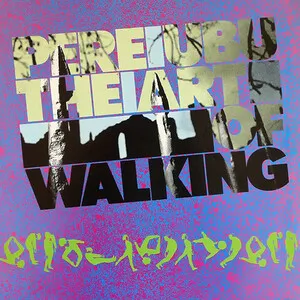
The Art of Walking
Pere Ubu
Cleveland Punk
Experimental
New Wave
1979
1
/5
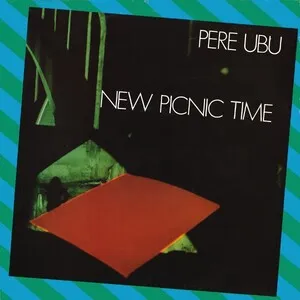
New Picnic Time
Pere Ubu
Cleveland Punk
New Wave
Post-Punk
1978
1
/5
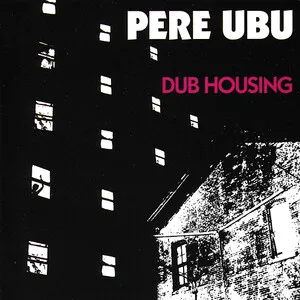
Dub Housing
Pere Ubu
Cleveland Punk
Experimental Rock
Post-Punk
1978
1
/5
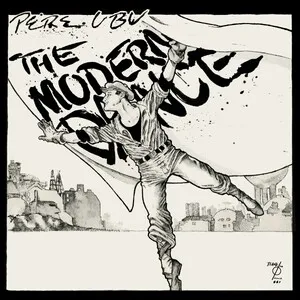
The Modern Dance
Pere Ubu
Cleveland Punk
Art Punk
Similar artists
3
/5
Wire
Art Punk
Post-Punk
Punk
1
/5
Various Artists
Afro-Funk
Alternative Rock
Ambient
4
/5
Talking Heads
Art Punk
New Wave
Post-Punk
3
/5
The Fall
Post-Punk
New Wave
Rock
2
/5
Magazine
Art Punk
New Wave
Post-Punk
3
/5
DEVO
Synth Punk
Art Punk
New Wave
2
/5
Tropical Fuck Storm
Art Punk
Post-Punk
Noise Rock
3
/5
Television
Post-Punk
Art Rock
New Wave
3
/5
Viagra Boys
Post-Punk
Egg Punk
Rock
3
/5
Gang Of Four
Post-Punk
Punk
Dance-Punk
Download our mobile app
Get the Melodigging app and start digging for new genres on the go
Download on the App Store
Get it on Google Play
© 2026 Melodigging
Give feedback
Legal
Melodding was created as a tribute to
Every Noise at Once
, which inspired us to help curious minds keep digging into music's ever-evolving genres.