Genres
Artists
Albums
Make Music
Sign in
Sign in
Artists
Axé
Artists
Axé
Pepeu Gomes
1978
·
1 album
Listen
3
/5
Genres
Neo-Psicodelia Brasileira
Neo-psicodelia brasileira (Brazilian neo-psychedelia) is a contemporary wave of Brazilian artists who revive and reinvent classic 1960s/70s psychedelic aesthetics through today’s indie-rock, dream-pop, shoegaze, and experimental production. Marked by shimmering guitars drenched in reverb and fuzz, hypnotic grooves that often nod to Brazilian rhythmic DNA (from Tropicália’s eclecticism to samba, baião, and maracatu pulses), and kaleidoscopic synth textures, the style pairs vintage tones with modern bedroom-studio craft. Portuguese lyrics frequently blend surreal imagery with everyday urban poetics, creating a sound that is at once nostalgic and forward-looking. This scene flourished around DIY venues, independent labels, and digital communities across Brazil, with a particularly strong footprint in cities like São Paulo, Goiânia, Belo Horizonte, and Recife. The result is a colorful, exploratory ecosystem that treats psychedelia not as pure retro revival but as a living vocabulary.
Discover
Listen
Axé
Axé is a high-energy popular music from Salvador, Bahia, that fuses Afro-Brazilian and Caribbean rhythms with pop and rock songcraft. Designed for massive Carnival parades, it pairs large percussion ensembles with bright electric guitars, brass hooks, and call-and-response vocals to drive dancing crowds along the trio elétrico (truck-mounted sound stages). Grounded in afoxê/ijexá and samba-reggae grooves, axé favors upbeat major-key melodies, anthemic choruses, and lyrics celebrating joy, love, summer, Afro-Bahian pride, and the collective ecstasy of the street party. Its sound is at once percussive and melodic: layered surdos, timbales, repiniques, and atabaques interlock beneath catchy horn lines and pop arrangements built to move tens of thousands of revelers.
Discover
Listen
Brazilian Pop
Brazilian pop is the mainstream-oriented spectrum of popular music made in Brazil, merging local rhythmic DNA (samba, bossa nova, MPB, axé, forró, sertanejo) with international pop, rock, R&B, and electronic production. Across eras, it has balanced melodic immediacy and radio-friendly structures with the harmonic richness and syncopation characteristic of Brazilian traditions. In the 2010s–2020s, Brazilian pop increasingly incorporates baile funk grooves, trap/R&B textures, and polished EDM elements, while retaining Portuguese lyrics, regional slang, and themes tied to Brazilian daily life, romance, and celebration.
Discover
Listen
Brazilian Rock
Brazilian rock is the umbrella term for rock music created in Brazil, sung mostly in Portuguese, and colored by the country’s regional rhythms, harmonic language, and social context. From its 1960s roots in rock and roll and Jovem Guarda, through the psychedelic and Tropicália experiments at the decade’s end, to the post-dictatorship explosion of 1980s “BRock,” the style has continually absorbed global rock currents while retaining a distinctly Brazilian identity. You’ll hear electric guitars alongside samba and baião grooves, bossa/MPB chords, and lyrics that move between youthful romance, biting social commentary, and poetic introspection. Today, Brazilian rock spans classic, alternative, indie, and heavy strands, remaining a foundational pillar of Brazilian popular music.
Discover
Listen
Mpb
MPB (Música Popular Brasileira) is a broad Brazilian popular music movement that crystallized in the mid-1960s after bossa nova. It blends samba and other regional rhythms with jazz harmony, singer‑songwriter craft, and elements of contemporary pop and rock. The style is marked by sophisticated melodies, extended harmonies, inventive arrangements, and lyrically rich songs that often use poetry and metaphor. Many classic MPB works balance intimacy (voice and violão/nylon‑string guitar) with lush studio orchestration, drawing from samba‑canção, choro, baião, and frevo while engaging modern influences. Historically, MPB provided a platform for social commentary during Brazil’s military dictatorship, with artists employing allegory to navigate censorship. It remains a living tradition that continually renews itself through new generations (“nova MPB”).
Discover
Listen
Samba-Rock
Samba-rock is a Brazilian dance-music style born in São Paulo that fuses the rhythmic swing of samba with the instrumentation and backbeat of rock, plus strong doses of American soul, funk, and touches of jazz. It keeps samba’s syncopated pulse while shifting the drum feel toward a rock/funk backbeat, adding electric guitar chord stabs, bass grooves, Rhodes or organ, and, often, compact horn lines. More than a studio genre, samba-rock grew out of community dance parties (bailes) in predominantly Black neighborhoods, where DJs and bands blended imported rock ’n’ roll and African‑American records with local samba. The result is a mid‑tempo, highly danceable style with romantic, urban lyrics and an emphasis on groove, swing, and call‑and‑response vocals.
Discover
Listen
Albums
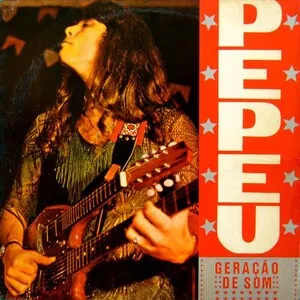
1978
1
/5
Geração de som
Pepeu
Samba-Rock
Similar artists
4
/5
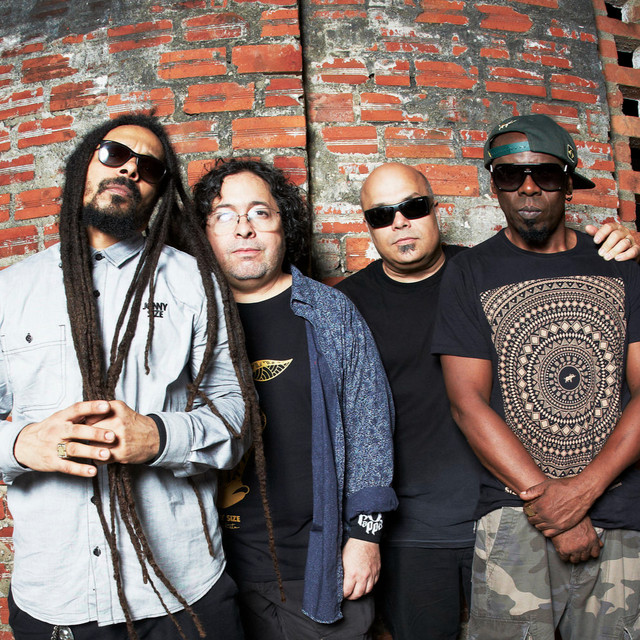
Charlie Brown Jr.
Brazilian Rock
Brazilian Pop
Brazilian Trap
4
/5
O Rappa
Brazilian Hip Hop
Brazilian Pop
Brazilian Rock
4
/5
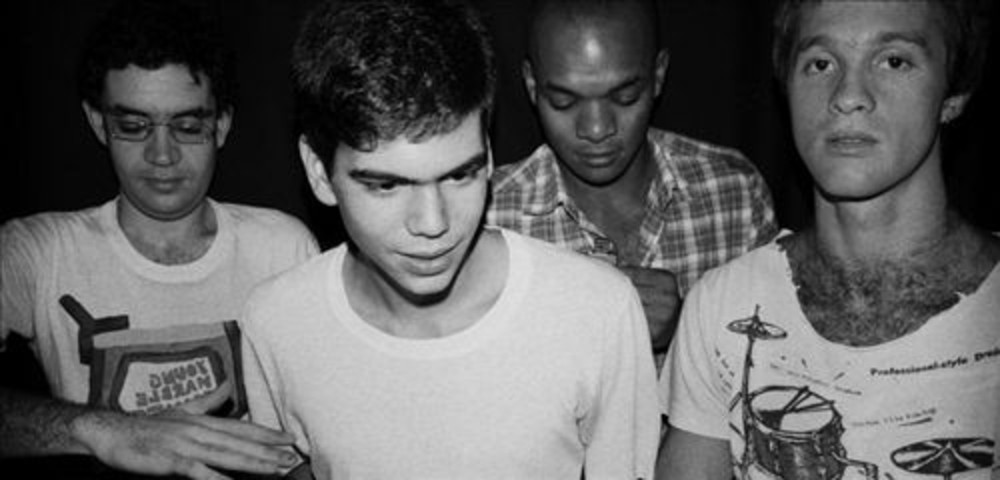
Legião Urbana
Brazilian Rock
Brazilian Pop
Mpb
4
/5
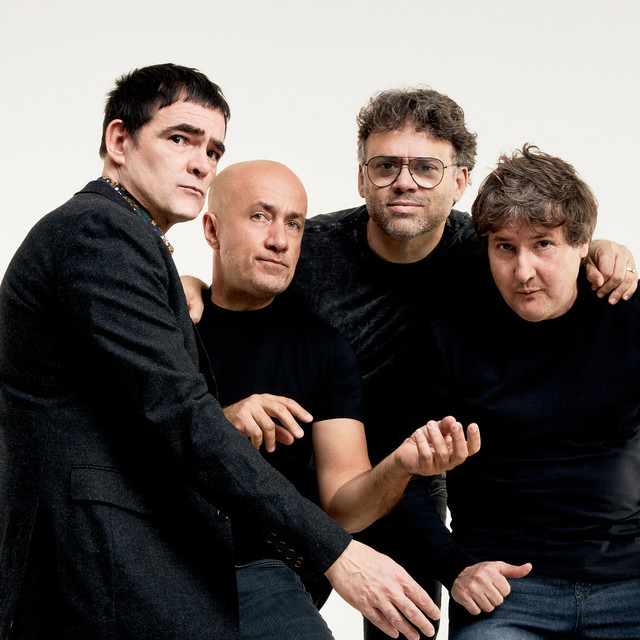
Skank
Pop Rock
Brazilian Rock
Brazilian Pop
4
/5
Engenheiros Do Hawaii
Rock Gaucho
Pop Rock
Brazilian Pop
4
/5
Pitty
Brazilian Rock
Brazilian Pop
Emo Revival
4
/5
Capital Inicial
Brazilian Pop
Brazilian Rock
Mpb
4
/5
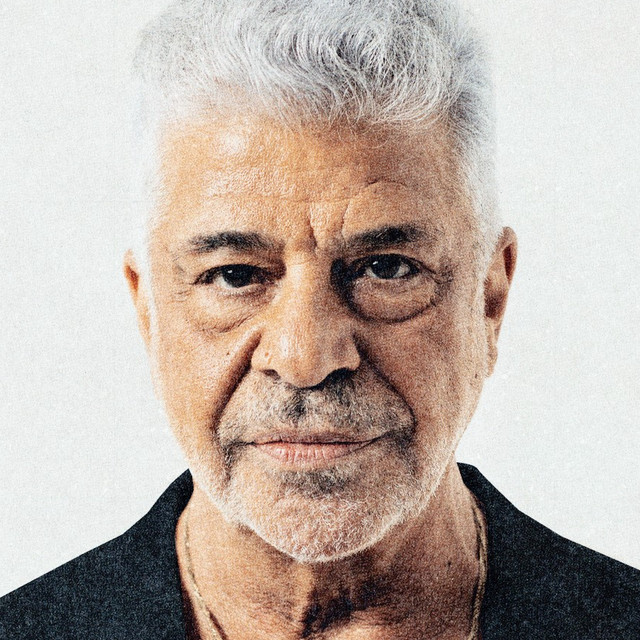
Lulu Santos
Brazilian Pop
Brazilian Rock
Emo Revival
4
/5
Os Paralamas Do Sucesso
Latin Rock
Reggae Rock
Brazilian Pop
4
/5
Jota Quest
Brazilian Pop
Brazilian Rock
Mpb
Download our mobile app
Get the Melodigging app and start digging for new genres on the go
Download on the App Store
Get it on Google Play
© 2026 Melodigging
Give feedback
Legal
Melodding was created as a tribute to
Every Noise at Once
, which inspired us to help curious minds keep digging into music's ever-evolving genres.