Genres
Artists
Albums
Make Music
Sign in
Sign in
Artists
Compositional Ambient
Artists
Compositional Ambient
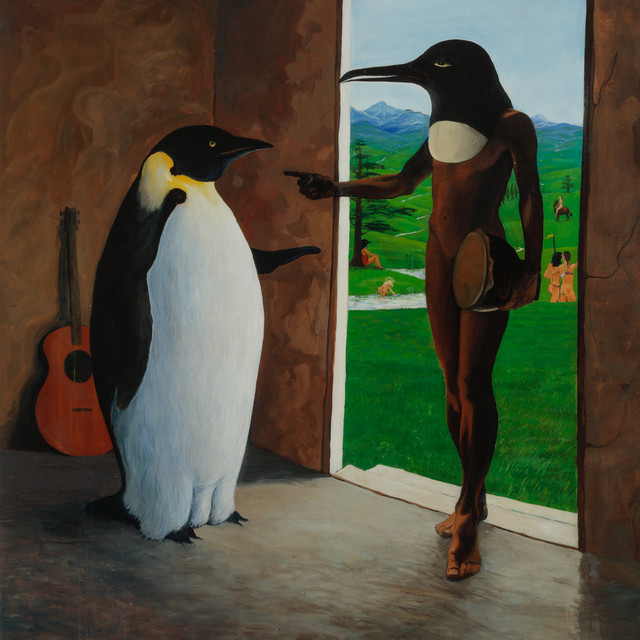
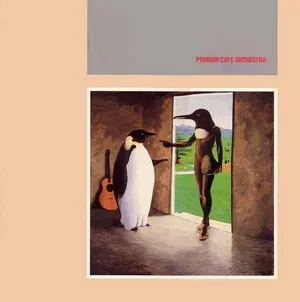
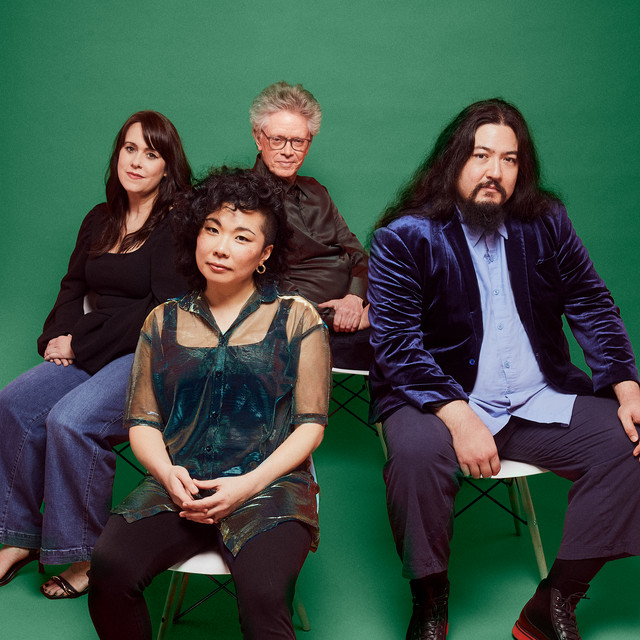
Penguin Cafe Orchestra
1981
·
1 album
Listen
3
/5
Genres
Channel Pop
Channel pop is a digital-era strain of mainstream pop shaped by video and creator platforms—especially YouTube and later TikTok and Instagram—where artists build audiences through frequent uploads on their own “channels.” Musically it favors intimate, highly polished but close-mic’d vocals, acoustic guitar or piano-led arrangements, restrained beats, and succinct, playlist-friendly structures. Many releases are cover-first (reimagining recent chart hits) with a steady flow of glossy singles, session-style performances, and creator collaborations that gradually blend into original material. Titles, artwork, and release cadence are optimized for search and recommendation algorithms, yielding a sound that is simultaneously personal and platform-aware.
Discover
Listen
Compositional Ambient
Compositional ambient is a strand of ambient music that foregrounds written, motif‑driven structures and classical instrumentation while preserving the spaciousness and timbral subtlety of ambient sound design. It typically blends slow, consonant harmony with post‑minimalist processes, using piano, strings, and soft electronics to build gentle arcs, ostinati, and long decays. Unlike purely generative or texture‑only ambient, it emphasizes form, counterpoint, and thematic development—often with cinematic pacing and intimate production aimed at close, contemplative listening.
Discover
Listen
World
World music is a broad, industry-coined umbrella for traditional, folk, and contemporary popular styles from around the globe that fall outside the Anglo-American pop mainstream. The label emerged in the 1980s as a retail and marketing category to group diverse regional musics for international distribution. Musically, it spans acoustic and electric instrumentation; modal, pentatonic, and microtonal pitch systems; and rhythms ranging from cyclical grooves and polyrhythms to asymmetrical meters. While the term can obscure local specificity, it also facilitated cross-cultural collaboration, festivals, and recordings that brought regional genres to wider audiences.
Discover
Listen
Minimalism
Minimalism is a style of Western art music that emerged in the United States during the 1960s, characterized by the use of very limited musical materials, steady pulse, and extensive repetition. Composers often build pieces from short cells or motifs that are repeated and slowly transformed through additive or subtractive processes, phase shifting, and gradual changes in harmony, texture, or register. Harmony is typically consonant (often modal or diatonic), though just intonation and extended drones are also common. The result is music that foregrounds process, clarity, audibility of structure, and a hypnotic sense of stasis and flow. Typical ensembles include keyboards, mallet percussion, strings, winds, voices, and electronics or tape. Minimalism influenced a wide array of later styles, from ambient and new age to post-minimalism and minimal techno.
Discover
Listen
Chamber Jazz
Chamber jazz is a refined, small-ensemble approach to jazz that borrows the intimacy, timbral palette, and structural thinking of classical chamber music. Instead of big-band power or hard-swinging virtuosic displays, it prioritizes subtle dynamics, contrapuntal lines, and carefully shaped arrangements. Typical instrumentation includes piano, vibraphone, guitar, double bass, light percussion, and at times strings or woodwinds. Improvisation remains central, but solos are restrained, conversational, and integrated into composed frameworks. The overall sound is spacious, lyrical, and acoustically focused—frequently closer to the volume and precision of a chamber group than to a club combo. Historically adjacent to cool jazz and Third Stream, the style was later deepened by the ECM label’s spacious production aesthetic, which emphasized silence, resonance, and a modern classical sensibility. The result is music that can feel calm and contemplative without losing jazz’s harmonic depth and rhythmic subtlety.
Discover
Listen
Contemporary Classical
Contemporary classical is the broad field of Western art music created after World War II. It embraces an array of aesthetics—from serialism and indeterminacy to minimalism, spectralism, electroacoustic practices, and post‑tonal lyricism—while retaining a concern for notated composition and timbral innovation. Unlike the unified styles of earlier eras, contemporary classical is pluralistic. Composers freely mix acoustic and electronic sound, expand instrumental techniques, adopt non‑Western tuning and rhythm, and explore new forms, from process-based structures to open and graphic scores. The result is a music that can be rigorously complex or radically simple, technologically experimental or intimately acoustic, yet consistently focused on extending how musical time, timbre, and form can be shaped.
Discover
Listen
Folk
Folk is a song-centered acoustic tradition rooted in community storytelling, everyday life, and social history. It emphasizes clear melodies, simple harmonies, and lyrics that foreground narrative, protest, and personal testimony. As a modern recorded genre, folk coalesced in the early-to-mid 20th century in the United States out of older ballad, work song, and rural dance traditions. It typically features acoustic instruments (guitar, banjo, fiddle, mandolin, harmonica), strophic song forms, and participatory singing (choruses, call-and-response).
Discover
Listen
Avant-Garde
Avant-garde music is an umbrella term for boundary-pushing practices that challenge prevailing norms of harmony, rhythm, timbre, form, and performance. It privileges experimentation, conceptual rigor, and a willingness to reframe what counts as music at all. Historically tied to early 20th‑century artistic modernism, avant-garde music introduced atonality, the emancipation of noise, and new forms of notation and process. It embraces indeterminacy, extended techniques, electronics, spatialization, and multimedia performance, treating sound as material to be sculpted, questioned, and reinvented.
Discover
Listen
Jazz
Jazz is an improvisation-centered music tradition that emerged from African American communities in the early 20th century. It blends blues feeling, ragtime syncopation, European harmonic practice, and brass band instrumentation into a flexible, conversational art. Defining features include swing rhythm (a triplet-based pulse), call-and-response phrasing, blue notes, and extended harmonies built on 7ths, 9ths, 11ths, and 13ths. Jazz is as much a way of making music—spontaneous interaction, variation, and personal sound—as it is a set of forms and tunes. Across its history, jazz has continually hybridized, from New Orleans ensembles and big-band swing to bebop, cool and hard bop, modal and free jazz, fusion, and contemporary cross-genre experiments. Its influence permeates global popular and art music.
Discover
Listen
Show all 9 genres
Albums
1981
3
/5
Penguin Cafe Orchestra
Penguin Cafe Orchestra
Chamber Jazz
Similar artists
4
/5
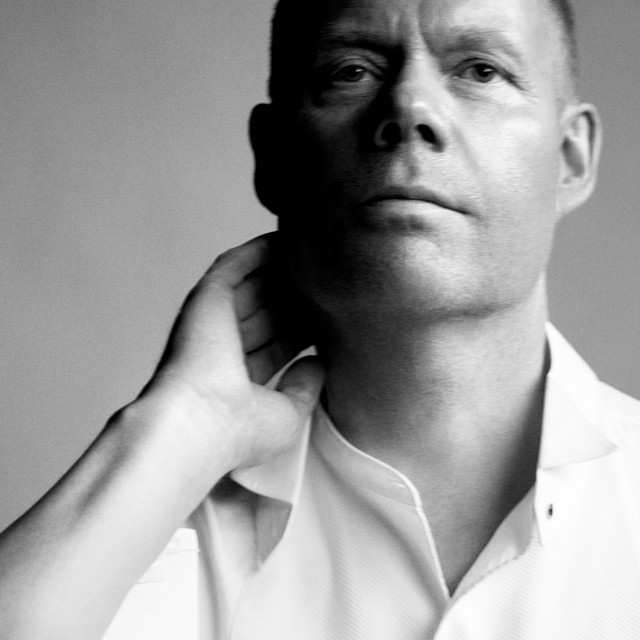
Max Richter
Post-Minimalism
Classical
Contemporary Classical
4
/5
Ólafur Arnalds
Compositional Ambient
Contemporary Classical
Minimalism
4
/5
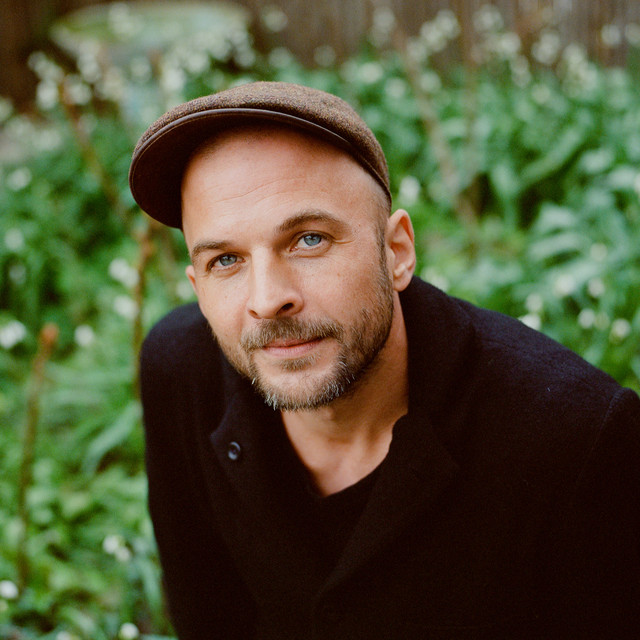
Nils Frahm
Minimalism
Contemporary Classical
Ambient
3
/5
Kronos Quartet
Classical
Chamber Music
Latin American Classical Music
3
/5
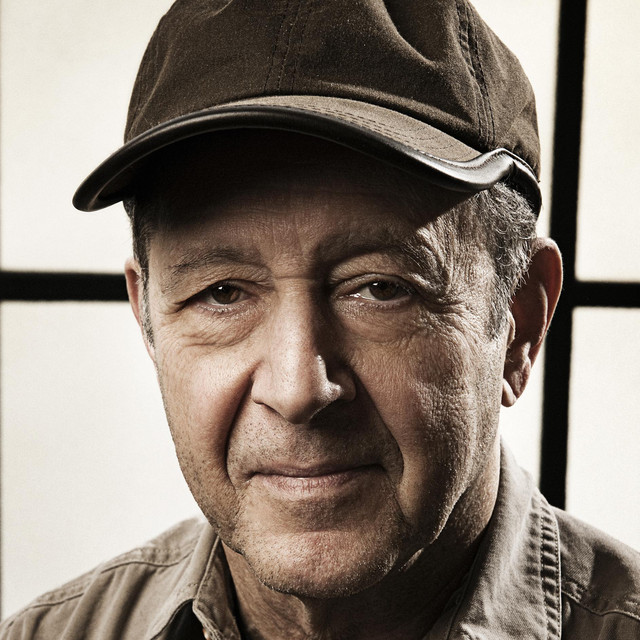
Steve Reich
Minimalism
Classical
Modern Classical
1
/5
Éliane Radigue
Drone
Experimental
Ambient
1
/5
Quatuor Bozzini
Avant-Garde
Chamber Music
Classical
1
/5
Various Artists
Afro-Funk
Alternative Rock
Ambient
4
/5
Brian Eno
Ambient
Krautrock
Experimental
4
/5
Ludovico Einaudi
Classical
Contemporary Classical
Compositional Ambient
Download our mobile app
Get the Melodigging app and start digging for new genres on the go
Download on the App Store
Get it on Google Play
© 2026 Melodigging
Give feedback
Legal
Melodding was created as a tribute to
Every Noise at Once
, which inspired us to help curious minds keep digging into music's ever-evolving genres.