Genres
Artists
Albums
Make Music
Sign in
Sign in
Artists
Gnawa
Artists
Gnawa
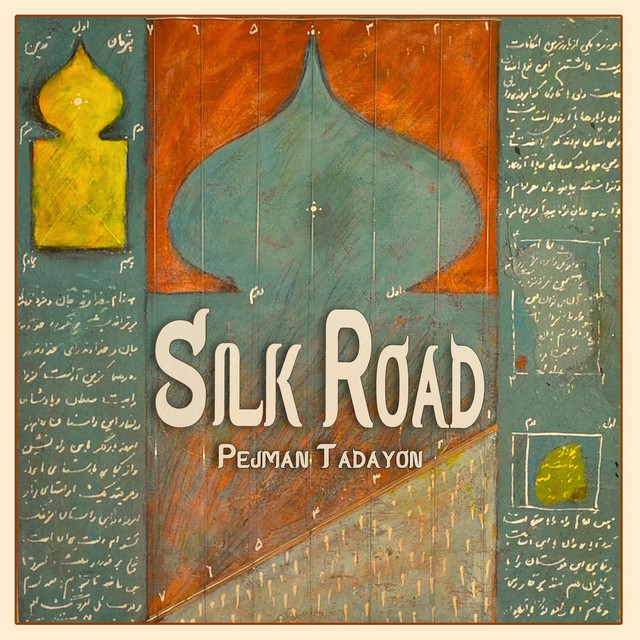
Pejman Tadayon
2017
·
1 album
Listen
1
/5
Genres
Gnawa
Gnawa is a spiritual, trance-based music of Morocco associated with the Gnawa brotherhoods, a community with roots in sub‑Saharan Africa and Sufi Islam. It centers on a deep, percussive bass lute called the guembri (also known as sintir or hajhuj), the bright metallic clatter of iron castanets (qraqeb/krakebs), unison handclaps, and call‑and‑response vocals. Performances often unfold in an all‑night ritual called a lila (derdeba), where cyclical 6/8 grooves and repetitive chants invite communal participation and induce a trance state. The repertoire invokes saints and ancestral spirits (mluk), moving through color-coded suites and intensifying rhythmic layers. While firmly rooted in West African rhythmic sensibilities, Gnawa also absorbs Maghrebi and Sufi aesthetics, producing a sound that is both devotional and intensely groove‑driven.
Discover
Listen
Sufi
Sufi is a devotional musical tradition rooted in Islamic mysticism that seeks to induce remembrance of the Divine (dhikr) and transport performers and listeners toward spiritual ecstasy (wajd). It is not a single uniform style, but a family of practices that vary across regions—most notably Persian/Iranian, Anatolian/Turkish (Mevlevi), Arab, and South Asian (qawwali, kafi). Musically, Sufi repertoire tends to revolve around repetitive, mantra-like refrains, call-and-response between lead and chorus, and gradual intensification over cyclical rhythms. Melodic language draws from regional modal systems such as the Persian dastgāh, Ottoman/Turkish makam, and South Asian raga, and is often supported by drones. Texts are central: poetry by mystic masters like Rumi, Hafez, Bullhe Shah, and Amir Khusrau is sung in Persian, Urdu, Punjabi, Arabic, Turkish, and other languages. Instrumentation varies by locale—harmonium, tabla/dholak, tanpura, and clapping in South Asia; ney, kudüm, bendir, and tanbur in Turkey; oud and frame drums across the Arab world—yet the unifying aim is spiritual uplift and inner transformation.
Discover
Listen
Sufi Chant
Sufi chant refers to the vocal devotional practices (dhikr, ḥadra, inshād, ilāhī, samaʿ) used by Sufi orders to remember God through the repetition of divine names, litanies, and poetic texts. It is primarily voice-led, often unaccompanied or supported by sparse percussion (frame drum/duff, riqq) and occasionally by modal instruments (ney, oud). Melodies draw on regional modal systems (e.g., maqam in the Middle East, dastgah in Iran, raga/raga-like frameworks in South Asia) and are delivered with melismatic ornamentation and flexible rhythm that intensifies toward ecstatic climax. Chant can be responsorial (call-and-response between a leader and a chorus) or communal unison. Its texts range from Qurʾanic invocations and the Beautiful Names of God to Sufi poetry by figures such as Rumi, Hafez, and al-Busiri (e.g., Qaṣīdat al-Burda). Though styles vary from Egypt to Turkey, Morocco, Iran, and South Asia, the shared aim is spiritual remembrance and transformation through sound.
Discover
Listen
Albums
2017
Silk Road
Pejman Tadayon
Sufi Chant
Similar artists
2
/5
Ensemble Ibn Arabi
Andalusian Classical
Sufi
Gnawa
3
/5
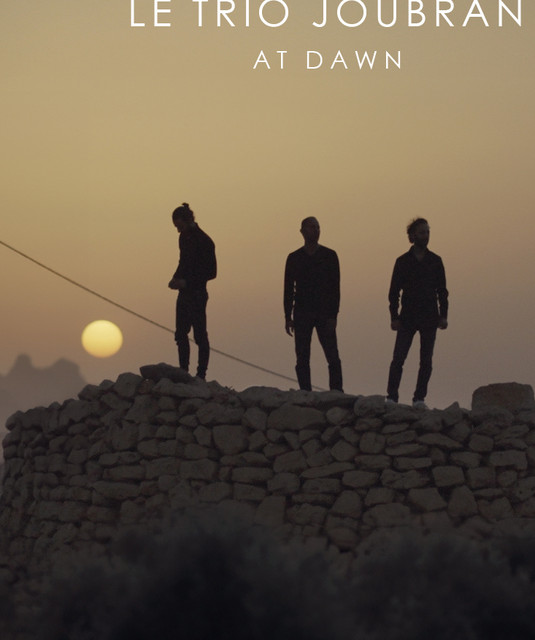
Le Trio Joubran
Arabic Jazz
Arabic Folk Music
Gnawa
2
/5
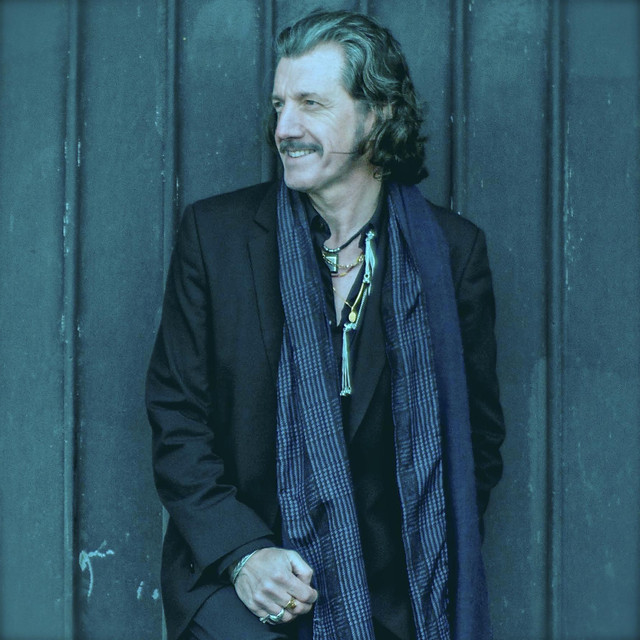
Titi Robin
Qawwali
Gnawa
Romani Folk Music
2
/5
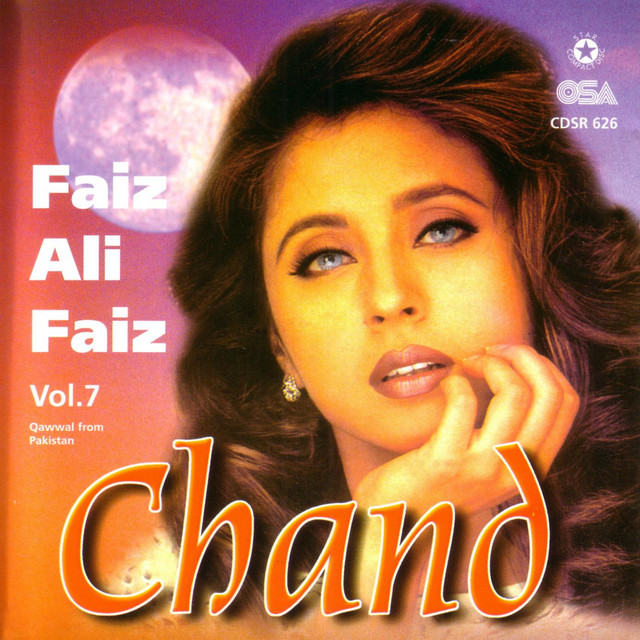
Faiz Ali Faiz
Qawwali
Ghazal
Gnawa
2
/5
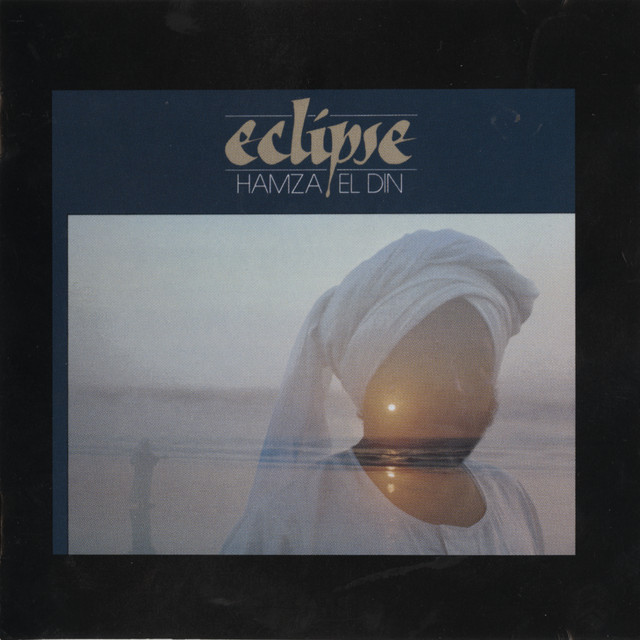
Hamza El Din
Nubian Music
Nubian Traditional
Northeastern African Music
1
/5
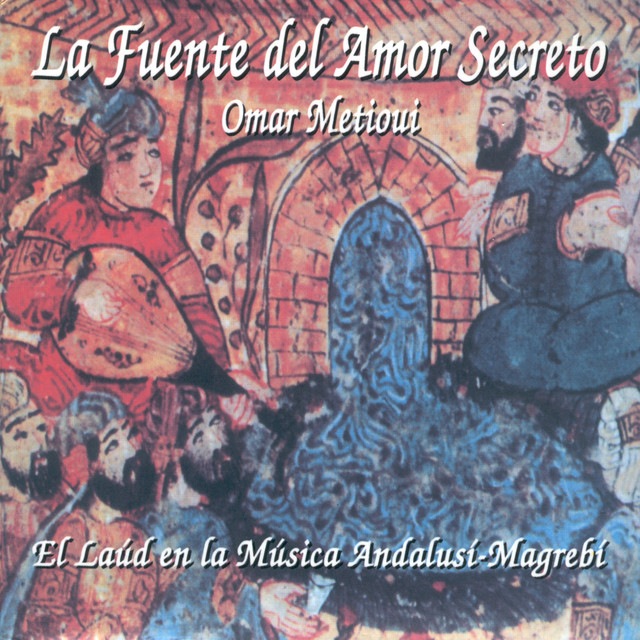
Omar Metioui
Andalusian Classical
Gnawa
Medieval
1
/5
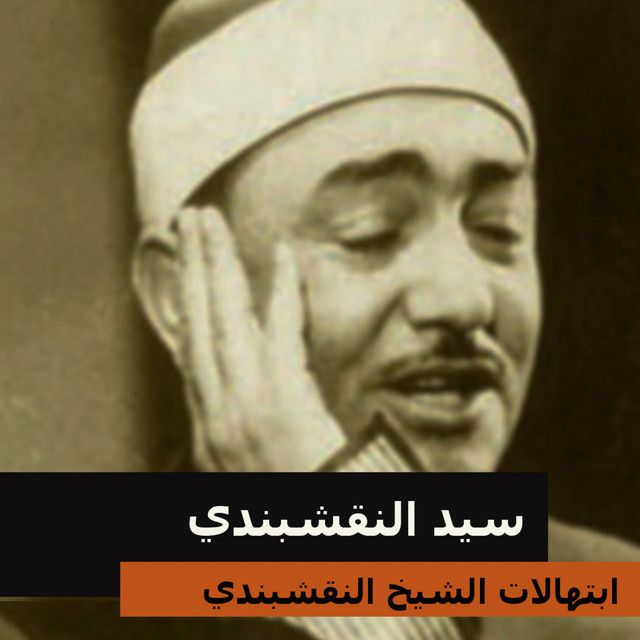
Sheikh Sayed Al Nakshabandi
Gnawa
Sufi
1
/5
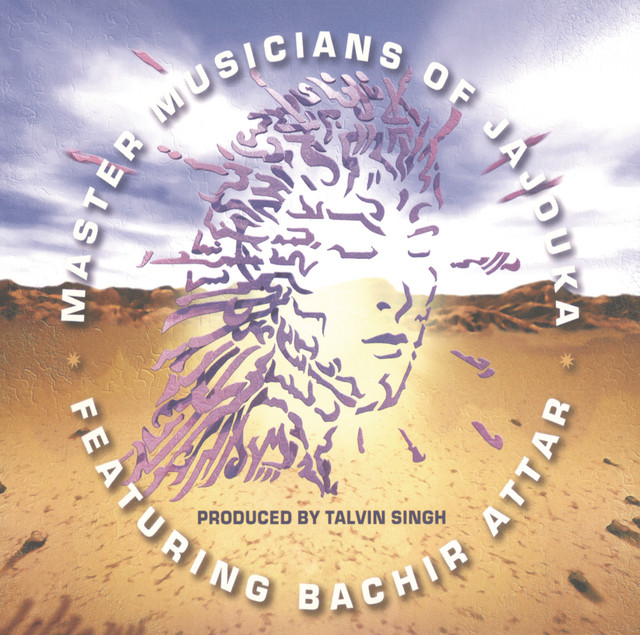
The Master Musicians Of Jajouka
Arabic Folk Music
Gnawa
Spoken Word
1
/5
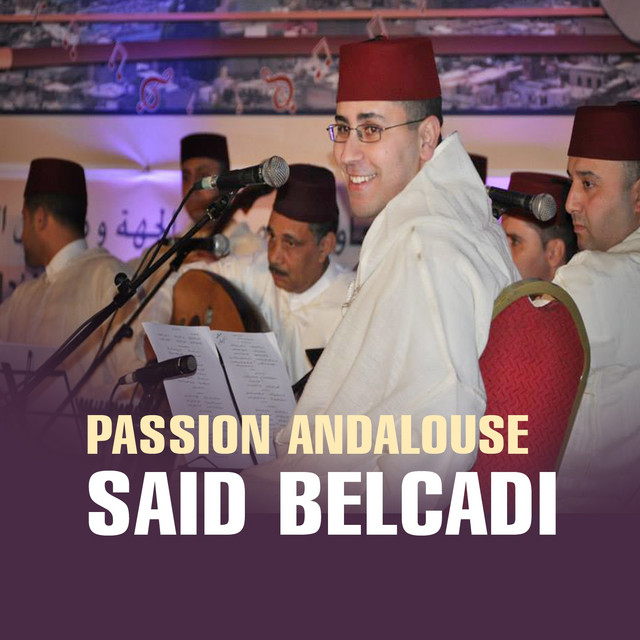
Said Belcadi
Andalusian Classical
Gnawa
Medieval
1
/5
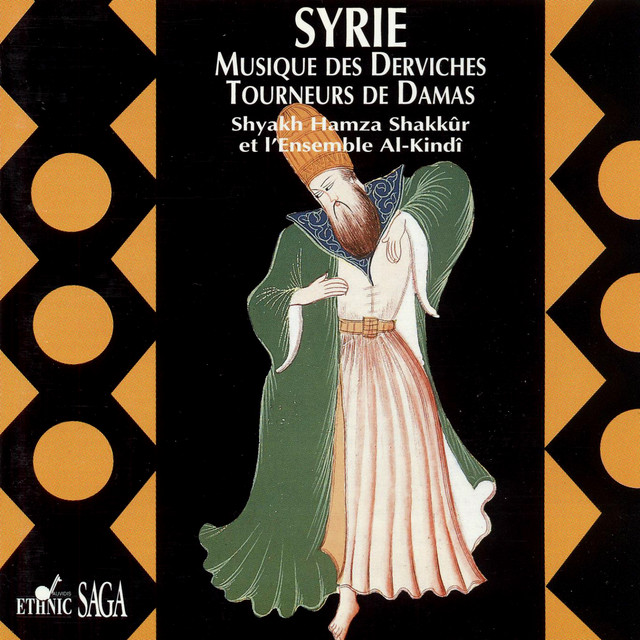
Ensemble al-Kindî
Gnawa
Sholawat
Sufi
Download our mobile app
Get the Melodigging app and start digging for new genres on the go
Download on the App Store
Get it on Google Play
© 2026 Melodigging
Give feedback
Legal
Melodding was created as a tribute to
Every Noise at Once
, which inspired us to help curious minds keep digging into music's ever-evolving genres.