Genres
Artists
Albums
Make Music
Sign in
Sign in
Artists
Folclor Andino
Artists
Folclor Andino
Pedro Messone
1966
·
2 albums
Listen
2
/5
Genres
Musica Nublensina
Musica nublensina refers to the contemporary, locally rooted music scene of Chile’s Ñuble Region (Chillán, San Carlos, Quirihue and surrounding communes). It is a place-based umbrella term rather than a single strict style, bringing together indie, folk, rock, cumbia, and singer‑songwriter currents that reflect the area’s cultural memory and its current independent ecosystem. Musically, the scene blends Chilean folk idioms (cueca campesina, tonadas, nueva canción legacies) with modern pop/indie textures, occasional Caribbean rhythms (via the long Chile–Caribbean exchange), and a DIY production ethos. Lyrically, songs often carry costumbrista imagery—rivers, cordillera, harvests, barrios—and a quietly political, community‑minded sensibility characteristic of central‑southern Chile. Because it is a geographic scene, musica nublensina naturally includes both heritage influences (iconic Ñuble‑born artists of the 20th century) and an active network of 2010s–2020s independent bands, solo acts, ensembles, and collectives.
Discover
Listen
Folclor Andino
Folclor andino is the pan‑regional folk music of the Andean highlands, shaped by Indigenous Quechua and Aymara traditions and later mestizo influences. It centers on wind instruments such as quena (notched flute) and zampoña/siku (panpipes), the small 10‑string charango, guitar, and deep hand‑drummed bombos, producing bright timbres over earthy rhythms. Melodically it favors pentatonic and natural minor (Aeolian/Dorian) scales, parallel thirds, antiphonal hocketing between panpipe parts, and cyclical ostinatos. Repertoire often draws from regional forms like huayno, yaraví, carnavalito, and related highland dances, with lyrics that invoke the mountains, Pachamama (Mother Earth), love, migration, and social realities. As a modern stage and recording genre, folclor andino coalesced mid‑20th century when urban ensembles standardized instrumentation and performance, later intersecting with nueva canción’s socially engaged aesthetics and spreading globally through tours and world‑music circuits.
Discover
Listen
Neofolklore
Neofolklore is a short‑lived Chilean movement from the mid‑1960s that refreshed rural folk repertories—especially cuecas and tonadas—using urbane, radio‑friendly arrangements. Vocal quartets and small ensembles favored tight multipart harmonies, crisp acoustic guitar strums, and tasteful studio polish, presenting tradition with contemporary pop sensibilities. Although rooted in local dance forms, the style was also inspired by foreign folk-revival groups of the era (e.g., smooth vocal blends and refined stagecraft), which encouraged modern production values while keeping Spanish‑language lyrics focused on countryside imagery, love, festivities, and Chile’s landscapes. It bridged earlier huaso ensembles and the later, more politically engaged Nueva Canción, preserving folklore while adapting it for mass media.
Discover
Listen
Nueva Canción
Nueva canción is a Latin American song movement that emerged in the 1960s, blending traditional folk forms with contemporary, socially engaged songwriting. It foregrounds poetic, politically conscious lyrics that address social justice, labor, indigenous rights, anti-imperialism, and everyday dignity. Musically, it draws on Andean and Southern Cone folk idioms—such as cueca, zamba, and chacarera—alongside pan-Latin ballad traditions. Typical instrumentation includes nylon-string guitar, charango, quena and zampoña (panpipes), bombo legüero, and rich vocal harmonies, often arranged for ensembles. The style’s melodic language favors modal inflections and singable, anthemic choruses designed for communal participation. While it became a continent-wide phenomenon, Chilean artists were especially pivotal in shaping its aesthetics and political ethos, with the movement later radiating into Argentina, Uruguay, and Spain.
Discover
Listen
Música Típica Chilena
Música típica chilena is a stylized, urban presentation of Chile’s rural folk traditions that coalesced in the early radio era. It highlights huaso (Chilean cowboy) imagery, close-harmony vocal ensembles, and dance-song forms such as the cueca and the tonada. Typical instrumentation includes nylon-string guitars, guitarrón chileno, Chilean harp, accordion (especially in southern repertoires), pandero cuequero, and light percussion. Songs frequently emphasize clear melodies, major-key harmonies (I–IV–V with occasional secondary dominants), and danceable rhythms with characteristic hemiola interplay between 6/8 and 3/4 in cueca forms. Lyrically, the repertoire celebrates rural life, love, nature, and patriotism, often using coplas and décimas. The style became a national symbol through polished stage and radio performances by huaso quartets and mixed ensembles, especially around national festivities.
Discover
Listen
Albums
1966
1
/5
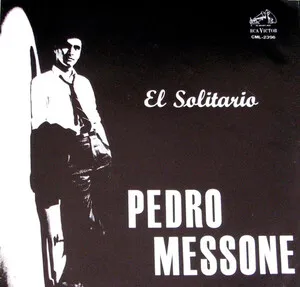
El solitario
Pedro Messone
Música Típica Chilena
Neofolklore
1966
1
/5
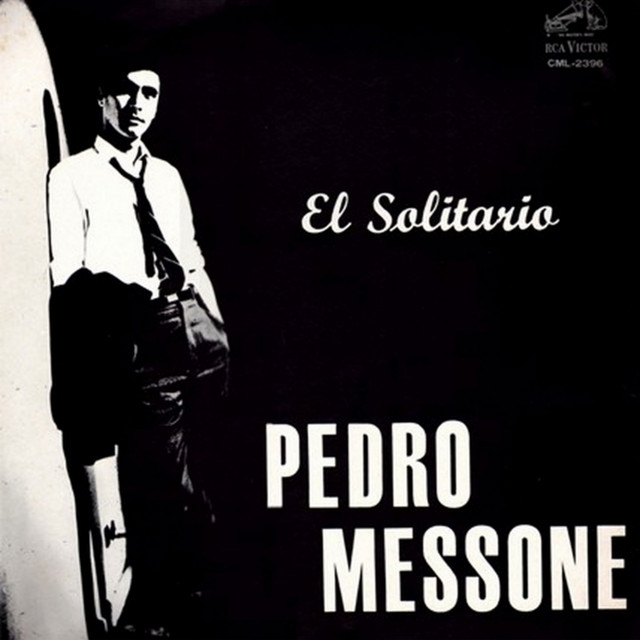
El Solitario
Pedro Messone
Nueva Canción
Similar artists
2
/5
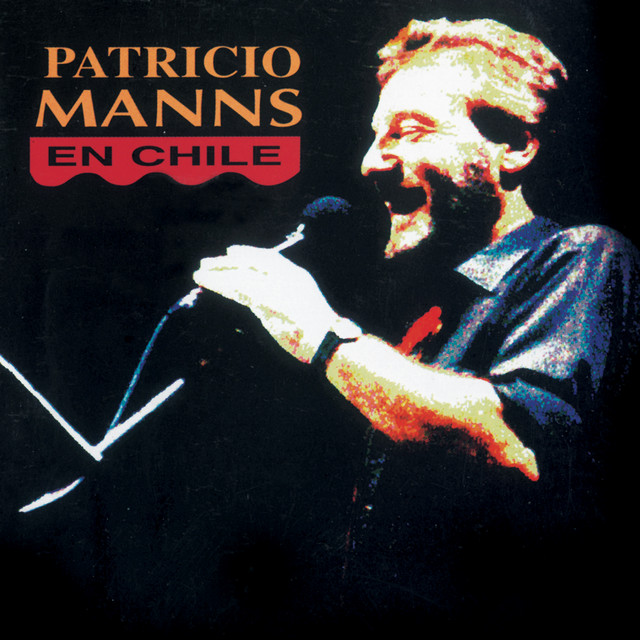
Patricio Manns
Folclor Andino
Latin Folk
Musica Nublensina
2
/5
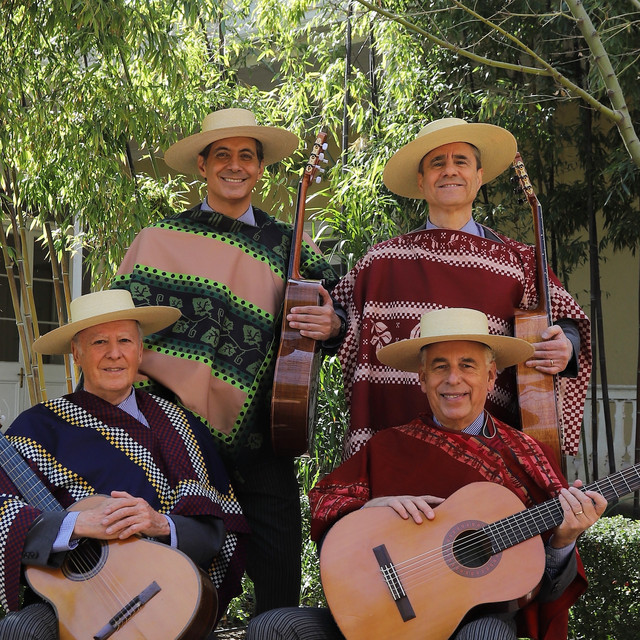
Los Cuatro Cuartos
Folclor Andino
Musica Nublensina
Música Típica Chilena
2
/5
Los Cuatro de Chile
Folclor Andino
Musica Nublensina
Música Típica Chilena
3
/5
Los Huasos Quincheros
Tonada Chilena
Folclor Andino
Musica Nublensina
3
/5
Violeta Parra
Musica Nublensina
Chilean Music
Latin
3
/5
Inti-Illimani
Nueva Canción Chilena
Conjunto Andino
Chilean Music
3
/5
Victor Jara
Chilean Music
Nueva Canción
Nueva Canción Chilena
3
/5
Quilapayún
Nueva Canción Chilena
Chilean Music
Folclor Andino
2
/5
Rolando Alarcon
Folclor Andino
Latin Folk
Musica Nublensina
3
/5
Tito Fernández
Folclor Andino
Musica Nublensina
Nueva Trova
Download our mobile app
Get the Melodigging app and start digging for new genres on the go
Download on the App Store
Get it on Google Play
© 2026 Melodigging
Give feedback
Legal
Melodding was created as a tribute to
Every Noise at Once
, which inspired us to help curious minds keep digging into music's ever-evolving genres.