Genres
Artists
Albums
Make Music
Sign in
Sign in
Artists
Jazz
Artists
Jazz
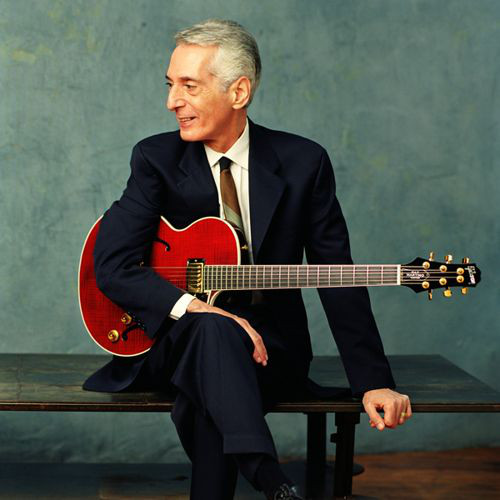
Pat Martino
1989–1990
·
2 albums
Listen
2
/5
Genres
Post-Bop
Post-bop is a modern jazz style that emerged in the early-to-mid 1960s as a synthesis of bebop, hard bop, modal jazz, cool jazz, third stream ideas, and the experimental impulses of the avant‑garde. It typically features acoustic small ensembles (often trumpet, saxophone, piano, bass, and drums) interacting with highly flexible time, non-functional or modal harmony, and motivic development rather than relying strictly on bebop chord cycles. Its sound balances structure and freedom: forms are clearly composed and often intricate, but improvisers stretch time feels, reharmonize on the fly, and use advanced harmonic colors such as quartal voicings, pedal points, and chromatic planing. Canonical touchstones include Miles Davis’s mid‑’60s Second Great Quintet (e.g., E.S.P., Nefertiti), Wayne Shorter’s Speak No Evil, Herbie Hancock’s Maiden Voyage, Andrew Hill’s Point of Departure, and many mid‑’60s Blue Note recordings that pushed beyond hard bop.
Discover
Listen
Jazz Fusion
Jazz fusion (often simply called "fusion") blends the improvisational language and harmonic richness of jazz with the amplified instruments, grooves, and song forms of rock, funk, and R&B. It typically features electric guitars, electric bass or fretless bass, Rhodes electric piano, clavinet, analog and digital synthesizers, and a drum kit playing backbeat- and syncopation-heavy patterns. Hallmarks include extended chords and modal harmony, complex and shifting meters, brisk unison lines, virtuosic improvisation, and a production aesthetic that embraces effects processing and studio craft. The style ranges from fiery, aggressive workouts to polished, atmospheric textures, often within the same piece. Emerging in the late 1960s and flourishing through the 1970s, jazz fusion became a bridge between jazz audiences and rock/funk listeners, shaping later styles such as jazz-funk, smooth jazz, nu jazz, and parts of progressive and technical rock/metal.
Discover
Listen
Indo Jazz
Indo jazz is a cross-cultural fusion that blends the melodic and rhythmic frameworks of Indian classical music with the improvisational language, ensemble formats, and harmonic vocabulary of jazz. Pioneered in mid-1960s London by the Indo‑Jazz Fusions projects of saxophonist Joe Harriott and composer‑violinist John Mayer, the style typically marries raga-based melodies, drone textures, and tala time cycles with jazz head–solo–head forms, modal harmony, and interactive improvisation. The palette often includes saxophone, piano, double bass, and drum set alongside tabla, sitar or violin, bansuri, and tanpura. The result is music that can be serene and meditative yet rhythmically intricate, moving fluidly between swing and straight feels while respecting the raga’s pitch set and ornamentation (meend, gamak, and microtonal inflections).
Discover
Listen
Soul Jazz
Soul jazz is a groove-forward branch of jazz that blends the improvisational language of hard bop with the churchy harmonies of gospel and the backbeat of rhythm & blues. It favors memorable riffs, earthy tones, and a strong, danceable pulse over dense harmonic complexity. Typical settings include Hammond B-3 organ trios (organ, guitar, drums) or small combos with saxophone or trumpet. Tunes often use blues forms, minor-key vamps, and gospel cadences, featuring call-and-response figures, pentatonic and blues-scale lines, and a relaxed but insistent pocket. The overall aesthetic is warm, direct, and soulful—equally at home in jazz clubs, lounges, and on the radio.
Discover
Listen
Hard Bop
Hard bop is a mid‑1950s subgenre of jazz that extends bebop’s virtuosic improvisation while bringing back a more explicitly African‑American groove. It incorporates pronounced influences from blues, rhythm & blues, and gospel—especially evident in riff‑based heads, church‑like harmonic movements on piano, and earthy saxophone phrasing. Compared with bebop, hard bop favors stronger backbeat accents, more grounded bass lines, and memorable, soulful melodies, all while retaining fast, harmonically rich improvisation when desired. Typical ensembles are small groups (often quintets) with trumpet, tenor sax, piano, bass, and drums. The style’s hallmark is the blend of bop harmony and lines with blues/gospel feeling and a driving swing feel.
Discover
Listen
Jazz
Jazz is an improvisation-centered music tradition that emerged from African American communities in the early 20th century. It blends blues feeling, ragtime syncopation, European harmonic practice, and brass band instrumentation into a flexible, conversational art. Defining features include swing rhythm (a triplet-based pulse), call-and-response phrasing, blue notes, and extended harmonies built on 7ths, 9ths, 11ths, and 13ths. Jazz is as much a way of making music—spontaneous interaction, variation, and personal sound—as it is a set of forms and tunes. Across its history, jazz has continually hybridized, from New Orleans ensembles and big-band swing to bebop, cool and hard bop, modal and free jazz, fusion, and contemporary cross-genre experiments. Its influence permeates global popular and art music.
Discover
Listen
South Asian Music
South Asian music is a broad regional meta-genre that encompasses the diverse classical, devotional, folk, and popular traditions of the Indian subcontinent, including India, Pakistan, Bangladesh, Nepal, Sri Lanka, Bhutan, and the Maldives. It is organized primarily around modal melody (raga/ragini systems and related regional modes), cyclical rhythm (tala and folk meters), and a strong emphasis on improvisation, ornamentation, and timbral nuance. A constant drone (often tanpura or shruti box) and intricate percussion languages (bols) are characteristic across many forms. Devotional currents (bhajan, kirtan, qawwali), courtly and Sufi lineages, and countless folk idioms feed into modern popular styles from filmi/Bollywood to regional pop and diaspora fusions. While the roots reach back to ancient Vedic chant and early treatises, much of the classical grammar and performance practice recognizable today coalesced between the late medieval and early modern periods, shaped by temple, court, and Sufi contexts and later interfacing with colonial modernity and global pop.
Discover
Listen
Show all 7 genres
Albums
1990
2
/5
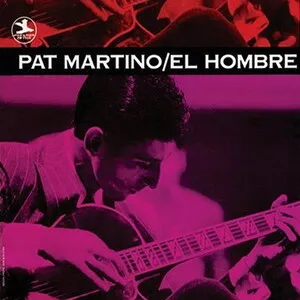
El hombre
Pat Martino
Soul Jazz
Jazz
Post-Bop
1989
1
/5
Baiyina (The Clear Evidence)
Pat Martino
Indo Jazz
South Asian Music
Similar artists
4
/5
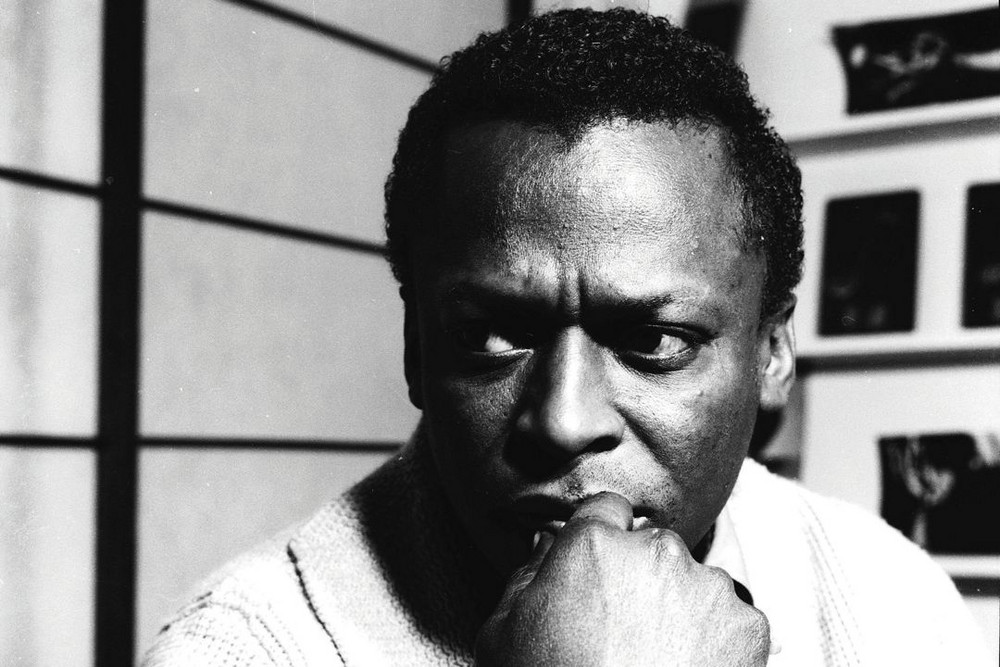
Miles Davis
Jazz
Jazz Fusion
Hard Bop
3
/5
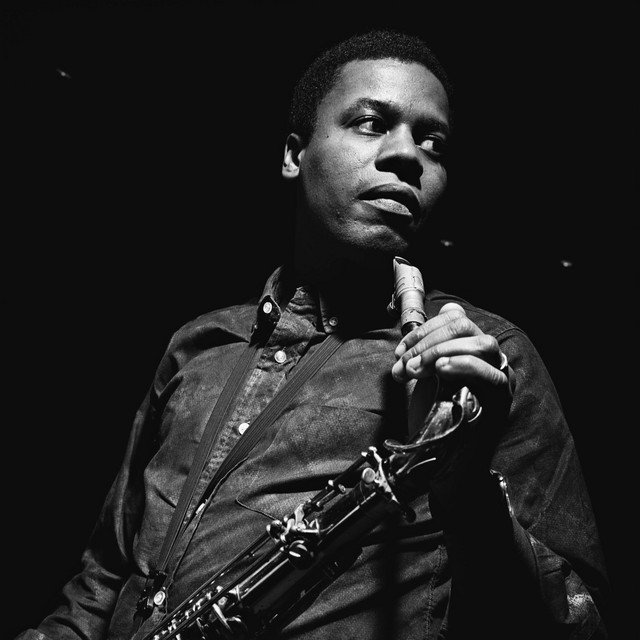
Wayne Shorter
Hard Bop
Jazz
Bebop
3
/5
Donald Byrd
Jazz-Funk
Hard Bop
Soul Jazz
3
/5
Grant Green
Soul Jazz
Jazz
Cool Jazz
3
/5
Freddie Hubbard
Jazz
Hard Bop
Jazz-Funk
3
/5
Herbie Hancock
Jazz
Jazz Fusion
Jazz-Funk
3
/5
Lee Morgan
Hard Bop
Jazz
Bebop
3
/5
Ryo Fukui
Jazz
Bebop
Jazz Fusion
2
/5
Don Ellis
Big Band
Jazz
Experimental Big Band
2
/5
Les McCann
Hard Bop
Jazz
Jazz Fusion
Download our mobile app
Get the Melodigging app and start digging for new genres on the go
Download on the App Store
Get it on Google Play
© 2026 Melodigging
Give feedback
Legal
Melodding was created as a tribute to
Every Noise at Once
, which inspired us to help curious minds keep digging into music's ever-evolving genres.