Genres
Artists
Albums
Make Music
Sign in
Sign in
Artists
Gothic Rock
Artists
Gothic Rock
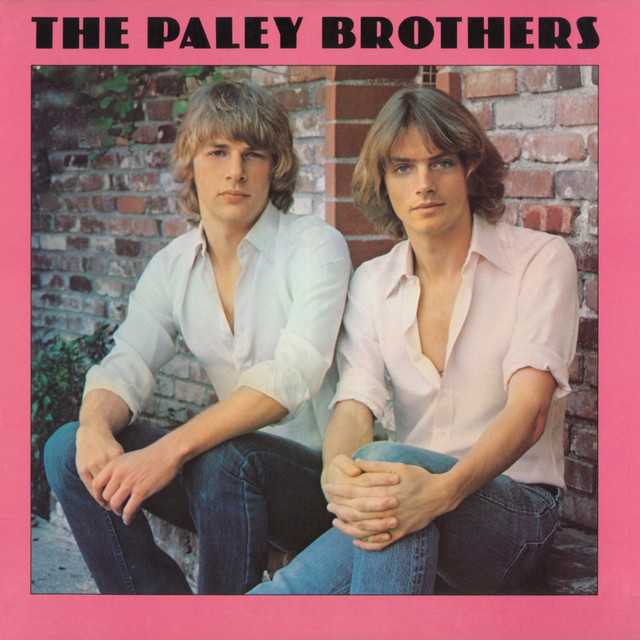
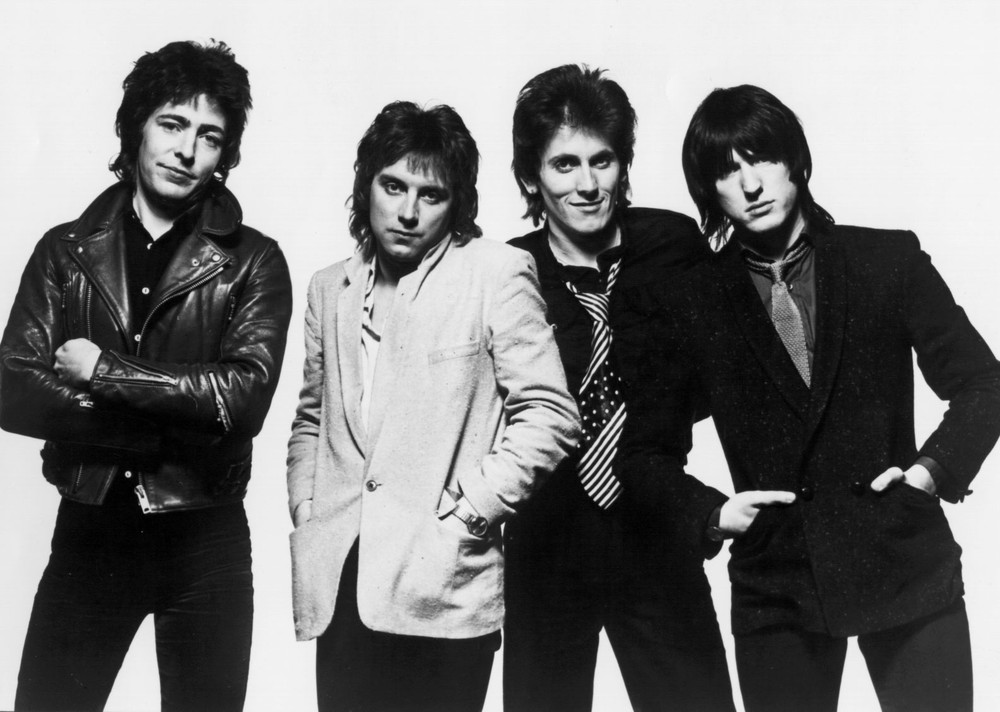
Paley Brothers
1978
·
1 album
Listen
1
/5
Genres
Jangle Pop
Jangle pop is a guitar-centered style of pop and rock defined by bright, chiming tones—often from a 12‑string electric (famously the Rickenbacker)—playing arpeggiated or open‑chord figures with minimal distortion. The sound emphasizes treble clarity, shimmering sustain, and tight compression, creating a sparkling texture that carries melodic hooks. Rhythm sections are typically crisp and supportive rather than aggressive, with steady mid‑tempo grooves and melodic bass counter‑lines. Vocals tend to be tuneful and understated, frequently with close harmonies. Lyrically, jangle pop pairs catchy, concise songwriting with wistful, romantic, and nostalgic themes. The style draws on 1960s guitar pop and folk rock traditions while channeling the DIY ethos of 1980s indie scenes.
Discover
Listen
Gothic Rock
Gothic rock is a dark, atmospheric branch of post-punk that emphasizes brooding moods, melodic basslines, baritone or icy vocal deliveries, and guitar textures drenched in chorus, delay, and reverb. Its lyrics often explore themes of romanticism, existential dread, night, mysticism, and decay, drawing on Gothic literature and cinema as much as rock tradition. Sonically, it blends the stark rhythms and minimalism of post-punk with the theatricality of glam and the textural experimentation of art and psychedelic rock. Drum machines or tightly metronomic drumming underpin prominent, melodic bass figures, while guitars shimmer or scrape with chorus/flanger effects. The result is danceable yet somber music that feels both dramatic and introspective.
Discover
Listen
Power Pop
Power pop is a guitar-driven style that distills the melodic immediacy of 1960s British Invasion pop into concise, high-energy rock songs. It emphasizes big hooks, ringing guitars (often Rickenbacker-style jangle), tight vocal harmonies, and punchy, economical arrangements that typically run around three minutes. Lyrically, it leans toward youthful longing, romance, and bittersweet nostalgia, delivered with bright major-key progressions, chiming arpeggios, and sing-along choruses. Though Pete Townshend used the term in the late 1960s, the genre cohered in the early 1970s with bands like Badfinger, Big Star, and the Raspberries, and it has resurfaced repeatedly in waves through new wave, indie, and modern pop-punk contexts.
Discover
Listen
Underground Power Pop
Underground power pop is the DIY, non-mainstream strain of power pop that thrives on short, hook-stuffed songs, chiming guitars, and stacked harmonies—delivered with indie/college‑radio grit instead of major‑label gloss. It keeps the British Invasion and bubblegum DNA that defined classic power pop, but tightens arrangements, leans on crunchy rhythm guitars and ringing 12‑strings, and injects punk/new wave urgency. The result is melodic earworms with brisk tempos, big middle‑eights, and bittersweet lyrics about love, longing, and everyday lives—crafted by bands operating on small labels, in local scenes, and via fanzine cultures rather than mainstream charts.
Discover
Listen
Albums
1978
Paley Brothers
Paley Brothers
Underground Power Pop
Similar artists
2
/5
The dB's
Power Pop
Hoboken Sound
Gothic Rock
1
/5
Dirty Looks
Gothic Rock
Jangle Pop
New Wave
1
/5
Subterfuge
Gothic Rock
Jangle Pop
Power Pop
3
/5
Matthew Sweet
Laboratorio
Jangle Pop
Power Pop
2
/5
The Plimsouls
Jangle Pop
New Wave
Power Pop
2
/5
Jason Falkner
Power Pop
Jangle Pop
Lullaby
2
/5
The Posies
Jangle Pop
Modern Power Pop
Power Pop
2
/5
Material Issue
Jangle Pop
Power Pop
Underground Power Pop
2
/5
The Records
Jangle Pop
New Wave
Power Pop
1
/5
Shoes
Jangle Pop
Power Pop
Underground Power Pop
Download our mobile app
Get the Melodigging app and start digging for new genres on the go
Download on the App Store
Get it on Google Play
© 2026 Melodigging
Give feedback
Legal
Melodding was created as a tribute to
Every Noise at Once
, which inspired us to help curious minds keep digging into music's ever-evolving genres.