Genres
Artists
Albums
Make Music
Sign in
Sign in
Artists
Boogie-Woogie
Artists
Boogie-Woogie
Noriko Awaya
1973–2012
·
2 albums
Listen
1
/5
Genres
Enka
Enka is a Japanese popular song style known for its sentimental ballads, expressive vocals with wide vibrato, and dramatic, narrative delivery. It evokes nostalgia for hometowns, bygone eras, and lost love, often painting scenes of coastal ports, country roads, and seasonal landscapes. Musically, enka blends Western harmonic frameworks with Japanese melodic sensibilities. Melodies often use yonanuki (four-note-omission) major or minor pentatonic variants, creating a “traditional” Japanese color over simple, diatonic progressions. Arrangements favor lush strings, reverb-laden guitars, saxophone obbligatos, and occasional traditional timbres (shamisen or shakuhachi) for color. Culturally, enka rose to mass popularity during the postwar Shōwa era and remains tied to television variety shows, karaoke bars, and live theater venues. Its performance practice foregrounds pathos, rubato phrasing, and ornamental turns called kobushi.
Discover
Listen
Ryūkōka
Ryūkōka is an early form of Japanese popular music that, in today’s usage, refers to the mainstream and semi-classical "pop" songs recorded and broadcast from the late 1920s through the early 1960s. While the word once broadly meant "fashionable/popular song" (a sinic reading related to hayariuta) with roots stretching back to premodern popular genres, the modern sense denotes a Showa-era repertoire that blends Japanese melodic sensibilities with Western classical harmony, dance rhythms (waltz, foxtrot, tango), and jazz-era orchestrations. Vocals in archetypal ryūkōka favor a smooth legato line rather than the wide, sobbing kobushi ornaments that later came to typify enka. Ryūkōka’s studio and radio-driven idiom provided the foundation from which postwar Japanese popular music diverged: one current moving toward enka and another toward poppusu/kayōkyoku, setting the stage for later J‑pop.
Discover
Listen
Ragtime
Ragtime is an African American–rooted piano style that flourished from the 1890s to the 1910s, characterized by lively syncopation in the right hand against a steady, march-like “oom‑pah” accompaniment in the left hand. Typically written in 2/4 or 4/4 time and notated with straight (unswung) eighth notes, classic rags unfold in multiple 16‑bar strains, often in the form AABBACCDD. The music draws on cakewalk rhythms, marching-band forms, and popular song, and it became a sensation through sheet music, piano rolls, and parlor performance. Scott Joplin, known as the “King of Ragtime,” helped codify the genre’s refined, compositional approach, calling for moderate tempos and a clear, singing melody. Beyond solo piano, ragtime was arranged for small ensembles and orchestras, found a home in vaudeville and dance halls, and laid essential groundwork for early jazz, stride piano, and much of 20th‑century American popular music.
Discover
Listen
Boogie-Woogie
Boogie-woogie is a highly rhythmic, piano-centered branch of the blues distinguished by its driving “eight-to-the-bar” left-hand ostinato and improvised right-hand riffs. While it shares the 12‑bar blues framework and blue-note vocabulary, it places an unusually strong emphasis on groove, forward motion, and danceability. Typically performed at brisk tempos, the style features a rolling, repeated bass pattern in broken octaves (or a walking single-note line) that locks into a shuffle or 12/8 swing feel. Over this foundation, the right hand plays syncopated licks, triplet figures, crushed grace notes, tremolos, and call‑and‑response motifs, often quoting and varying short, catchy riffs. The result is a propulsive, celebratory sound designed for social dancing and energetic performance.
Discover
Listen
Albums
2012
1
/5
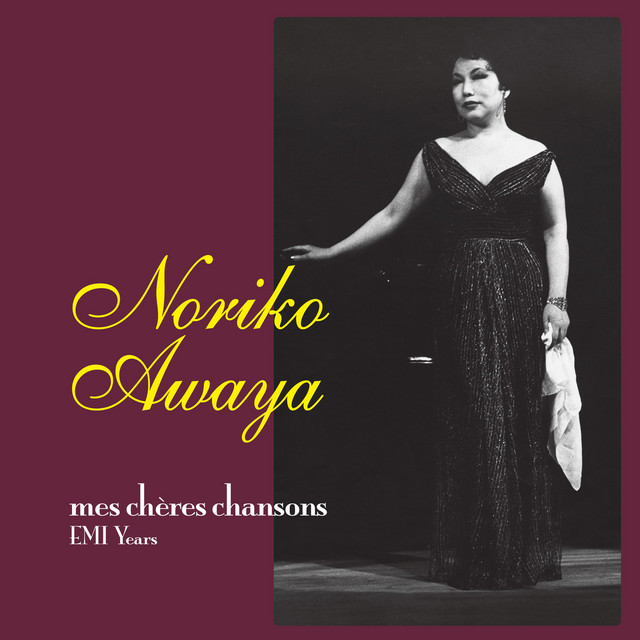
Ma chanson favorite (La chanson au Japon)
Noriko Awaya 淡谷のり子
Ryūkōka
1973
1
/5
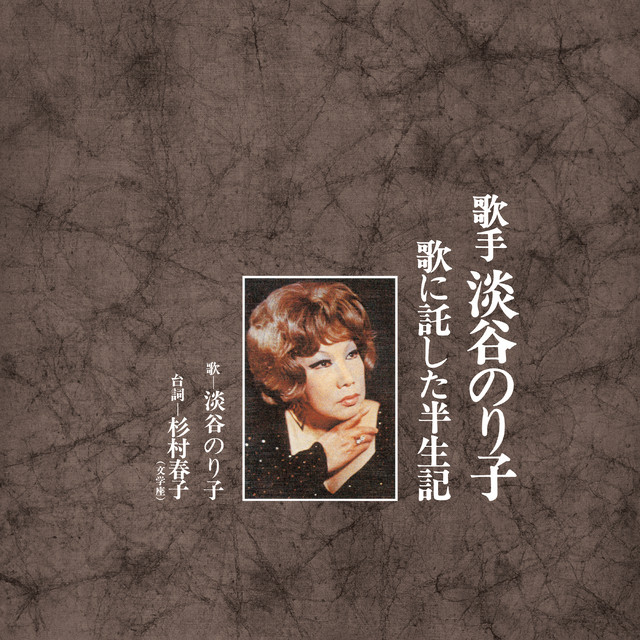
歌手 淡谷のり子 歌に託した半生記
Noriko Awaya
Ryūkōka
Similar artists
3
/5
Luca Sestak
Boogie
Ragtime
Boogie-Woogie
2
/5
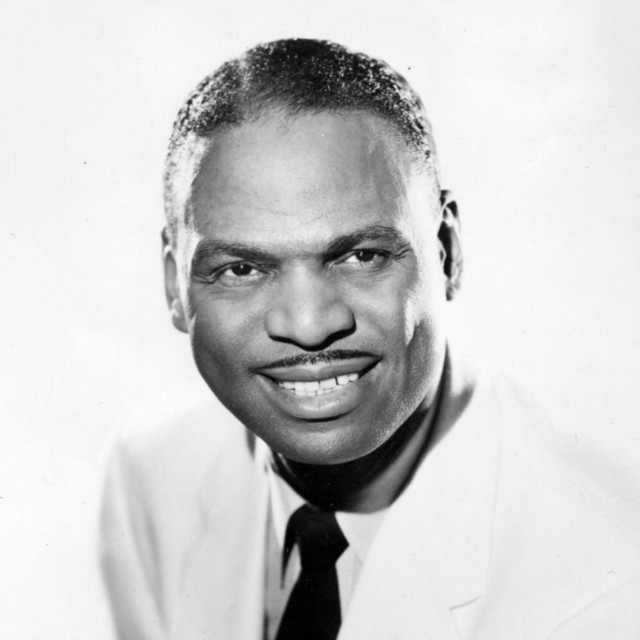
Pete Johnson
Boogie-Woogie
Boogie
Piano Blues
2
/5
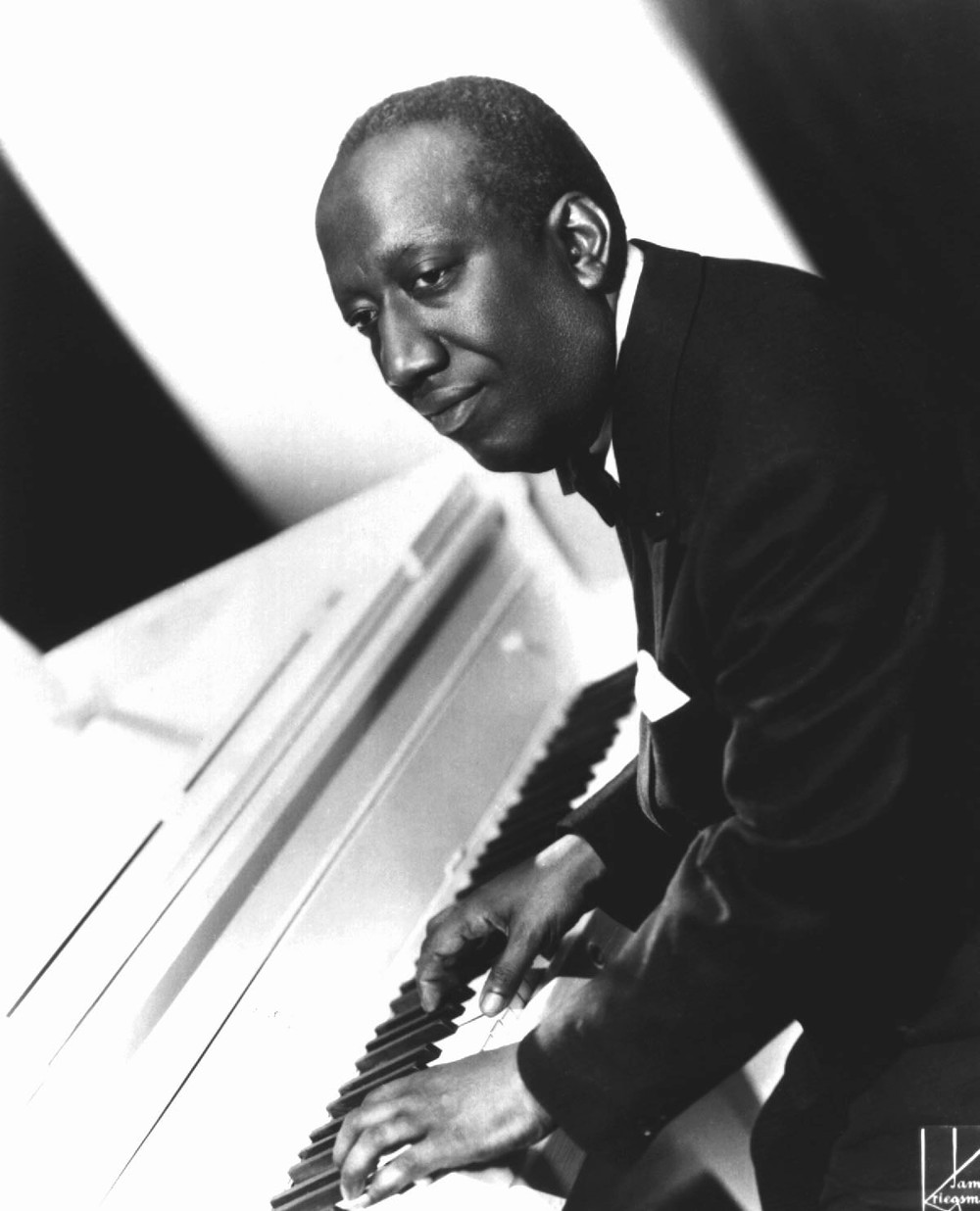
Earl Hines
Big Band
Boogie-Woogie
Jazz
2
/5
James P. Johnson
Ragtime
Boogie-Woogie
Jazz
2
/5
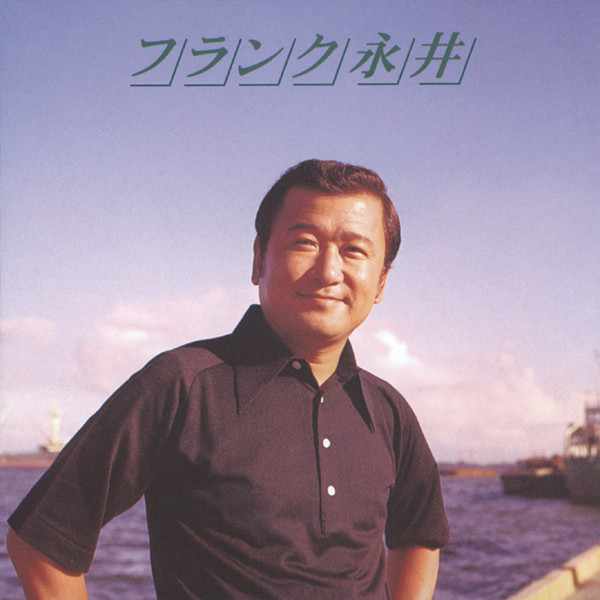
Frank Nagai
Ryūkōka
Mood Kayō
Enka
2
/5
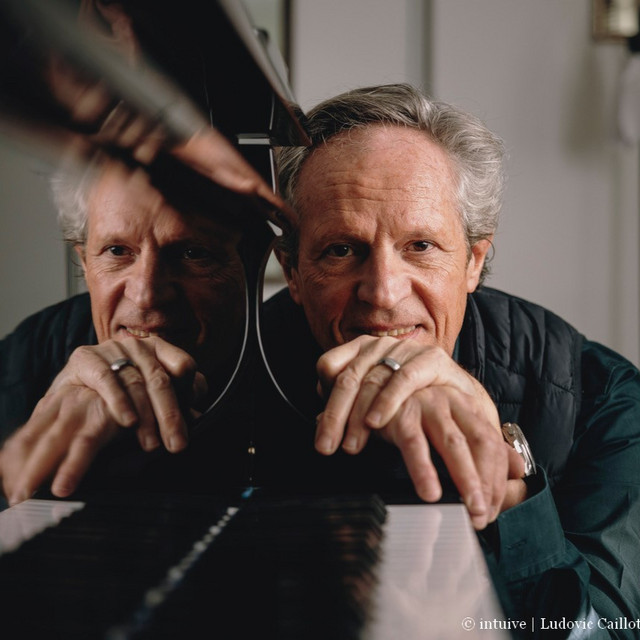
Jean-Pierre Bertrand
Boogie
Boogie-Woogie
Ragtime
2
/5
James Booker
New Orleans Blues
Piano Blues
Blues
2
/5
Frank Muschalle
Blues
Boogie
Boogie-Woogie
2
/5
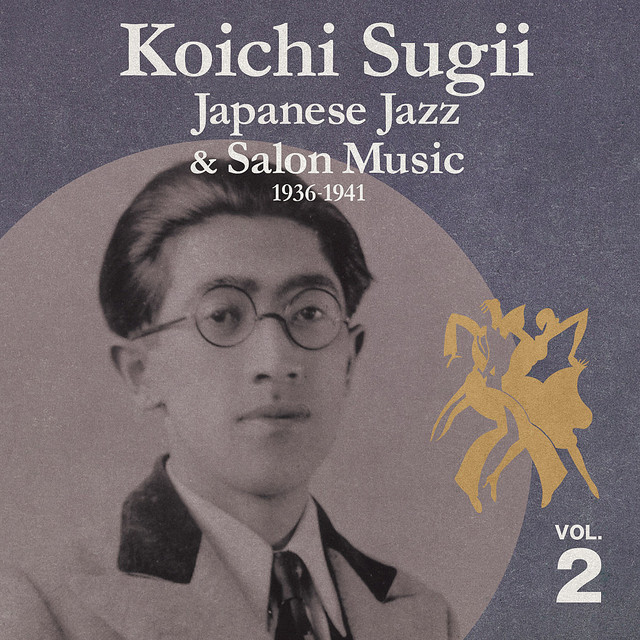
Koichi Sugii
Enka
Ragtime
2
/5
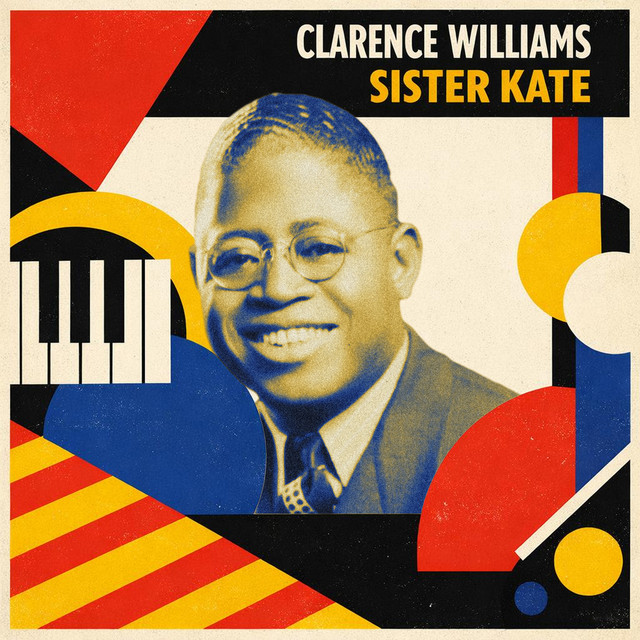
Clarence Williams
Boogie-Woogie
Classic Blues
Jazz
Download our mobile app
Get the Melodigging app and start digging for new genres on the go
Download on the App Store
Get it on Google Play
© 2026 Melodigging
Give feedback
Legal
Melodding was created as a tribute to
Every Noise at Once
, which inspired us to help curious minds keep digging into music's ever-evolving genres.