Genres
Artists
Albums
Make Music
Sign in
Sign in
Artists
Bounce
Artists
Bounce
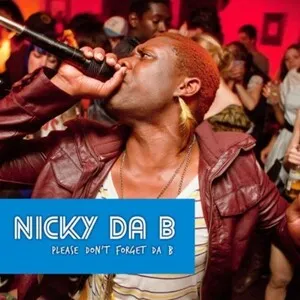
Nicky Da B
2 albums
Listen
2
/5
Genres
Deep Big Room
Deep big room is a hybrid branch of EDM that fuses the stadium-scale drops and arrangement of big‑room house with the warmer timbres, deeper basslines, and more groove‑led sensibilities of deep/progressive house. Instead of the piercing supersaw leads and maximalist claps typical of early‑2010s main‑stage tracks, deep big room favors chunky, sidechained low‑end, percussive toplines, filtered plucks, organ/piano stabs, and longer, moodier breakdowns. The result is music that still “hits” on large systems but reads less abrasive—more rolling, hypnotic, and groove‑centric—while retaining crowd‑moving build/drop architecture.
Discover
Listen
Jungle Terror
Jungle terror is a high-impact festival style of electronic dance music that fuses the punch of big-room and electro house with hyper-percussive, "tribal" drum programming. Rather than relying on massive supersaw leads, it centers on toms, congas, wooden blocks, clacks, and animalistic shouts that drive the drop. Typically around 128–135 BPM, its arrangements emphasize tension-and-release: long risers, vocal calls, and cinematic breaks snap into sparse, tom-led drops with heavy sub-kicks and syncopated patterns. The overall aesthetic is wild, raw, and rhythmic—designed for large dancefloors and open-air festival stages.
Discover
Listen
Progressive Electro House
Progressive electro house is a festival‑ready hybrid that marries the long, melodic builds and emotive chord progressions of progressive house with the gritty basslines, saw‑lead stabs, and syncopated drops of electro house. Tracks typically run around 126–130 BPM in 4/4, featuring wide supersaw stacks, side‑chained pads, and bright, anthemic toplines that crescendo into aggressive, electro‑flavored drops. The style thrived during the early 2010s EDM boom, with Dutch and Scandinavian producers pushing a sound designed for big‑room and main‑stage impact. Production aesthetics favor layered synth leads (Serum, Sylenth1, Massive), tight festival kicks, off‑beat open hats, sweeping risers, and snare‑roll builds, while arrangements spotlight tension‑and‑release between harmonic, euphoric breakdowns and powerful, synth‑driven drops.
Discover
Listen
Moombahcore
Moombahcore is a heavy, mid‑tempo offshoot of moombahton that fuses reggaeton’s dembow groove with the sound‑design and impact of dubstep and electro house. Typically set around 100–115 BPM (with 108–110 BPM common), it features syncopated dembow drums, massive wobble/growl basses, hard electro leads, and festival‑style builds and drops. Compared to standard moombahton, moombahcore is darker, more aggressive, and more sound‑design‑driven, yet it retains the swaying, dance‑forward pulse of Latin and dancehall rhythms. Producers often employ complex bass resampling, heavy distortion and saturation, sharp snare accents on the 3, and percussive fills drawn from reggaeton and dancehall, making the genre ideal for high‑energy club and festival contexts.
Discover
Listen
Jersey Club
Jersey club is a high-energy, club-oriented dance music from Newark, New Jersey that evolved in the early 2000s. It is known for punchy three-kick patterns, chopped vocal stabs, stop‑and‑go drops, and a relentless, call‑and‑response party ethos. Typically around 130 BPM, the sound blends house and breakbeat drum programming with hip‑hop sampling aesthetics. Producers often flip R&B hooks, sprinkle in signature effects (notably the "bed squeak" timbre popularized in 2000s rap), and build arrangements around short, repeatable phrases designed for coordinated dance routines.
Discover
Listen
Bounce
Bounce is a high-energy regional style of hip hop that emerged in New Orleans in the early 1990s. It is built on fast, repetitive party grooves, commanding chants, and call‑and‑response hooks that directly engage dancers and the crowd. Its signature rhythmic bed centers on the "Triggerman" beat (from the Showboys' 1986 track Drag Rap) and the "Brown Beat" break, usually driven by punchy TR‑808 drums, handclaps, and chopped vocal samples. Lyrics tend to be chant-like, local, and instructional—naming neighborhoods, wards, and housing projects, and cueing specific dance moves (notably twerking). Bounce’s performance tradition connects to New Orleans second‑line and parade culture: it’s communal, percussive, and built for the club and block party. The result is a kinetic, minimal, bass‑forward sound that prioritizes movement, crowd interaction, and relentless momentum.
Discover
Listen
Footwork
Footwork (often called juke or Chicago juke) is a high‑velocity, sample‑driven form of electronic dance music that emerged from Chicago’s battle‑dance culture. Built around stuttering, off‑grid percussion at roughly 160 BPM, it uses chopped vocal snippets, booming sub‑bass, and rapid toms, claps, and snares arranged in highly syncopated patterns that are not locked to a constant 4/4 kick. Producers frequently slice fragments of rap, R&B, pop, and soul into call‑and‑response hooks that interact with dancers on the floor. The result is a tense, kinetic sound designed for competitive circles as much as for clubs and headphones.
Discover
Listen
Sissy Bounce
Sissy bounce is a queer-led strain of New Orleans bounce rap characterized by rapid-fire party chants, call-and-response hooks, and the classic "Triggerman" and "Brown Beat" break patterns. Emerging in the late 1990s around artists like Katey Red and flourishing in the 2000s through figures such as Big Freedia and Sissy Nobby, it centers LGBTQ+ performers (especially trans women and gay, gender‑nonconforming MCs) who reclaimed the local term “sissy” and pushed bounce’s club‑ready energy into a proudly inclusive, body‑positive space. Musically it features 808-heavy, uptempo grooves (roughly mid‑90s to low‑100s BPM), repetitive crowd commands, neighborhood shout‑outs, and highly kinetic dance focus (twerking/ass‑shaking), with performance style that blends hype‑MC showmanship, humor, and unfiltered sexuality.
Discover
Listen
Dance
Dance (as a broad, mainstream club- and radio-oriented style) is pop-leaning music designed primarily for dancing, characterized by steady, driving beats, catchy hooks, and production that translates well to nightclubs and large sound systems. It emerged after disco, blending four-on-the-floor rhythms with electronic instrumentation and pop songwriting, and it continually absorbs elements from house, techno, Hi-NRG, synth-pop, and later EDM. Tempos commonly fall between 110–130 BPM, vocals often emphasize memorable choruses, and arrangements are structured for both club mixing and mass appeal.
Discover
Listen
Hip Hop
Hip hop is a cultural and musical movement that emerged from Black, Latino, and Caribbean communities, centering around rapping (MCing), DJing/turntablism, sampling-based production, and rhythmic speech over beats. It prioritizes groove, wordplay, and storytelling, often reflecting the social realities of urban life. Musically, hip hop is built on drum-centric rhythms (from breakbeats to 808 patterns), looped samples, and bass-forward mixes. Lyrically, it ranges from party anthems and braggadocio to political commentary and intricate poetic forms, with flow, cadence, and rhyme density as core expressive tools. Beyond music, hip hop encompasses a broader culture, historically intertwined with graffiti, b-boying/b-girling (breakdance), fashion, and street entrepreneurship, making it both an art form and a global social language.
Discover
Listen
Rap
Rap is a vocal music style built on the rhythmic, rhymed, and often improvised spoken delivery of lyrics over a beat. It emphasizes flow, cadence, wordplay, and narrative, and is commonly performed over sampled or programmed drum patterns and loops. Emerging from block parties and sound-system culture in the Bronx, New York City, rap became the core vocal expression of hip hop culture alongside DJing, breakdancing, and graffiti. While it is closely linked to hip hop, rap as a technique and genre has also crossed into pop, rock, electronic, and global regional scenes. Musically, rap favors strong drum grooves (breakbeats, 808 patterns), sparse harmony, and loop-based structures that foreground the MC’s voice. Lyrically, it spans party chants and battle brags to intricate internal rhymes, social commentary, reportage, and autobiography.
Discover
Listen
Show all 11 genres
Albums
Please Don't Forget da B
Nicky da B
Sissy Bounce
Please Don't Forget da B
Nicky da B
Bounce
Similar artists
2
/5
DJ Tray
Ballroom Vogue
Baltimore Club
Bounce
2
/5
DJ Jayhood
Jersey Club
Baltimore Club
Bounce
1
/5
DJ 809
Baltimore Club
Bounce
Footwork
1
/5
DJ Yae
Baltimore Club
Bounce
Footwork
3
/5
Dirty Palm
Bounce
Melbourne Bounce
Bass House
3
/5
Pr0d.k4y
Baltimore Club
Bounce
Philly Club
3
/5
craz3teki
Bounce
Philly Club
Jersey Club
2
/5
prodbyraesam
Bounce
Jersey Club
Zess
3
/5
Big Freedia
Bounce
Ballroom Vogue
Sissy Bounce
2
/5
Sissy Nobby
Bounce
Sissy Bounce
Baltimore Club
Download our mobile app
Get the Melodigging app and start digging for new genres on the go
Download on the App Store
Get it on Google Play
© 2026 Melodigging
Give feedback
Legal
Melodding was created as a tribute to
Every Noise at Once
, which inspired us to help curious minds keep digging into music's ever-evolving genres.