

Your digging level
Description
Sissy bounce is a queer-led strain of New Orleans bounce rap characterized by rapid-fire party chants, call-and-response hooks, and the classic "Triggerman" and "Brown Beat" break patterns.
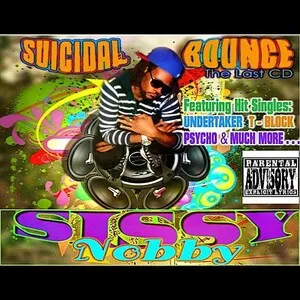
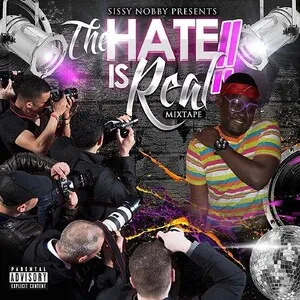
Emerging in the late 1990s around artists like Katey Red and flourishing in the 2000s through figures such as Big Freedia and Sissy Nobby, it centers LGBTQ+ performers (especially trans women and gay, gender‑nonconforming MCs) who reclaimed the local term “sissy” and pushed bounce’s club‑ready energy into a proudly inclusive, body‑positive space.
Musically it features 808-heavy, uptempo grooves (roughly mid‑90s to low‑100s BPM), repetitive crowd commands, neighborhood shout‑outs, and highly kinetic dance focus (twerking/ass‑shaking), with performance style that blends hype‑MC showmanship, humor, and unfiltered sexuality.
![Mannie Fresh On New Orleans Bounce Music Sissy Bounce Gay Rappers) [BEAT Short Documentary]](https://i.ytimg.com/vi/d6Hhn75rEQw/hqdefault.jpg)

History
Sissy bounce took shape in New Orleans in the late 1990s as a distinct, queer-forward current within bounce, itself a homegrown Southern hip hop style built on the iconic “Triggerman” (The Showboys’ Drag Rap) and “Brown Beat” (Cameron Paul) breaks. Trans and gay artists—most notably Katey Red—began headlining local block parties and club nights, asserting visibility and ownership within a scene historically defined by neighborhood identity, call-and-response, and participatory dance culture.
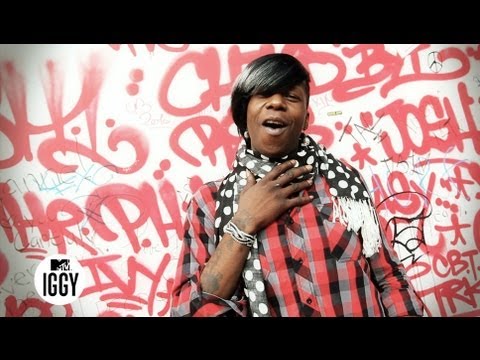
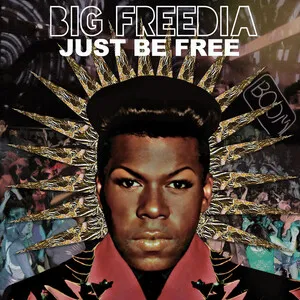
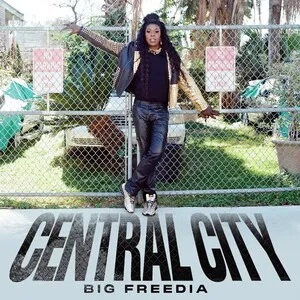
During the 2000s, artists like Big Freedia, Sissy Nobby, and Vockah Redu amplified sissy bounce’s profile with relentless live shows and viral club anthems. The style’s celebratory, body-positive approach and commanding chant vocals drew wider media attention post‑Katrina as New Orleans culture was reintroduced to national and global audiences. Collaborations and festival bookings helped move sissy bounce beyond local clubs while preserving its community roots.
Sissy bounce reframed bounce as a platform for queer expression, normalizing gender nonconformity on Southern rap stages and influencing broader club culture and dance trends (including the mainstreaming of twerking). Even as the term “sissy” remains contested outside New Orleans, many artists in the scene use it as a reclaimed identity marker. The movement’s impact endures in the visibility of LGBTQ+ voices within hip hop, the persistence of bounce’s signature breaks in pop and club productions, and the continuing global demand for high‑energy, inclusive party rap.

Top albums
Best playlists

