Genres
Artists
Albums
Make Music
Sign in
Sign in
Artists
Grebo
Artists
Grebo
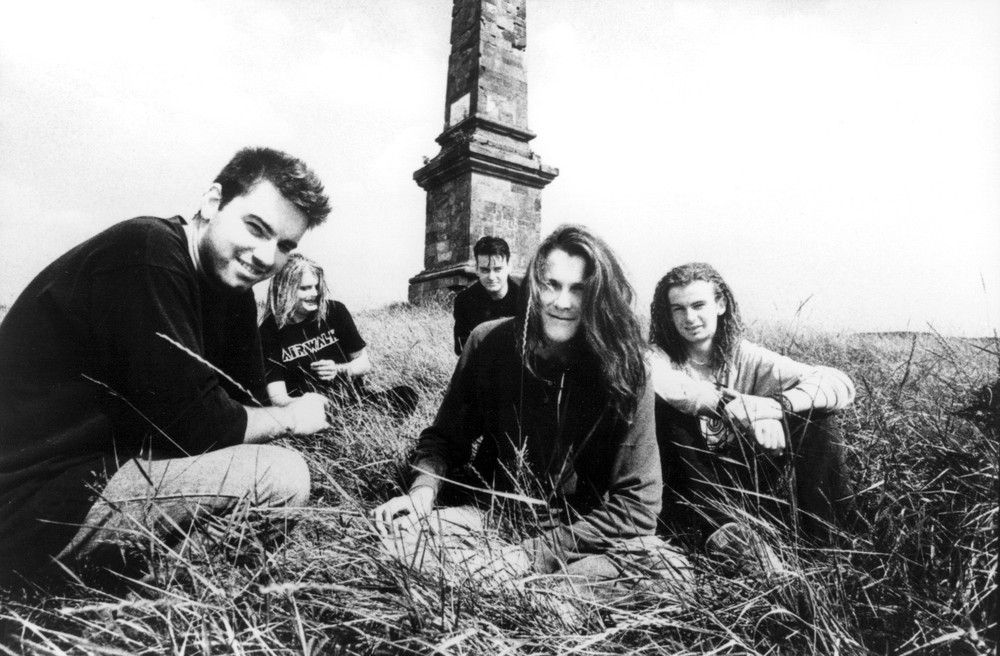
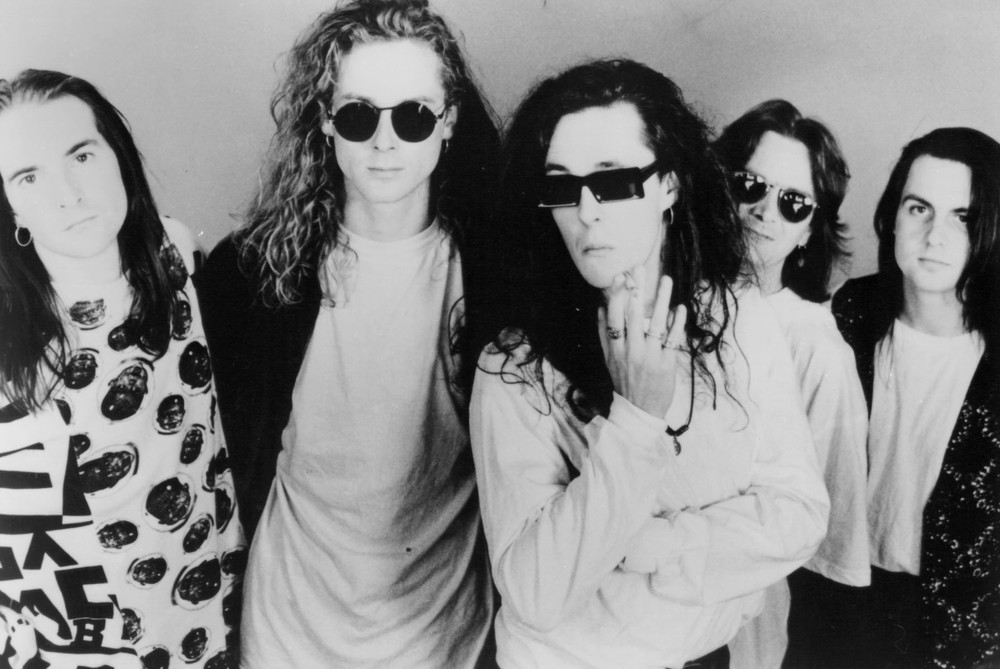
Ned's Atomic Dustbin
1991–1995
·
4 albums
Listen
2
/5
Genres
Slimepunk
Slimepunk is an internet-born microgenre that fuses the hyper-saturated textures of vaporwave-era net music with the velocity and abrasion of breakcore, digital hardcore, and punk. Its sound favors blown-out drums, maximally clipped mixdowns, candy-coated melodies, and sudden left turns, capturing both the chaotic energy of DIY punk and the playful, neon gloss of online aesthetics. Typical tracks pair frenetic breakbeats or half-time trap grooves with chiptune timbres, mangled samples, and pitch-shifted vocals that dart between cute, deadpan, and snarling. The result is a noisy, high-impact, and deliberately synthetic style that celebrates the unstable, meme-native sensibility of the modern web while remaining danceable and hook-driven.
Discover
Listen
Britpop
Britpop is a UK-centered movement of the early-to-mid 1990s that revived classic British guitar-pop values—memorable hooks, concise songcraft, and everyday storytelling—while positioning itself as a confident alternative to American grunge. It celebrated Britishness in sound and subject matter, drawing heavily on 1960s and 1970s British pop and rock traditions. Stylistically, britpop tends to feature jangly or crunchy electric guitars, sing-along choruses, and tuneful melodies over straightforward rhythms. Lyrics often focus on ordinary life, class, romance, and wry social observation, typically delivered in unvarnished British accents. The production is generally clean and punchy, favoring clarity over heavy effects and emphasizing immediacy and radio-friendliness.
Discover
Listen
Grebo
Grebo is a short‑lived British subculture and loosely defined subgenre of alternative/indie rock that fused punk energy, sample‑driven electronic dance grooves, hip hop rhythms, and flashes of psychedelia. Sonically, it feels like a raw, futuristic strain of alternative dance: dirty, fuzz‑laden guitars riding breakbeats and looped samples, with barked or semi‑rapped vocals, collage aesthetics, and a knowingly trash‑culture sense of humor. The scene clustered in England’s Midlands (notably around Stourbridge and Leicester) and peaked from the late 1980s into the early 1990s, just before the rise of Britpop and the global breakthrough of grunge. Aesthetically, grebo embraced an anti‑fashion biker/crust look—dreads or lank hair, army boots, leathers, cut‑and‑paste flyers—mirroring its hybrid, scuzzy mix of garage‑rock riffing and beat‑driven sample play.
Discover
Listen
Alternative Rock
Alternative rock is a broad umbrella for guitar-based rock that emerged from the independent and college-radio scenes as a counterpoint to mainstream, commercial rock. It blends the energy and ethos of punk with the textural and songwriting experiments of post-punk, new wave, jangle pop, and noise rock, often foregrounding introspective or socially aware lyrics. Across its many strains—from the melodic minimalism of college rock to the loud-quiet-loud dynamics of grunge and the artful experimentation of Radiohead-era modernism—alternative rock prioritizes authenticity, sonic individuality, and a do-it-yourself approach. Its sound ranges from chiming, chorus-laden clean guitars to abrasive distortion and feedback, supported by straightforward rock rhythms or off-kilter grooves, and production that can be either raw and live-sounding or polished yet unconventional.
Discover
Listen
Indie Rock
Indie rock is a subgenre of rock and a branch of alternative rock that coalesced in the early–mid 1980s around independent labels and DIY practices in the United Kingdom, the United States, and New Zealand. Defined less by a single sound than by an ethos, indie rock favors non‑mainstream approaches, self‑recording and small‑label distribution, and an interest in pop‑informed melody and eclectic experimentation. Hallmarks include jangly or fuzzed guitars, intimate or deadpan vocals, off‑kilter song structures, and production that often preserves a raw, “authentic” feel rather than glossy studio polish.
Discover
Listen
Madchester
Madchester is a late-1980s Manchester music scene and sound that fused jangly indie/alternative rock with acid house, funk, and psychedelic influences. It emphasized danceable grooves, repetitive basslines, baggy drum feels, and anthemic, chant-like choruses. More than a sonic palette, Madchester was a cultural moment centered around Factory Records, the Haçienda nightclub, and a hedonistic rave-meets-guitar-pop aesthetic. Its artists bridged club culture and indie rock, popularizing house-derived rhythms and ecstatic, communal live energy within a band format.
Discover
Listen
Noise Pop
Noise pop blends the tunefulness and hook-centric structures of pop with abrasive textures such as feedback, distortion, and tape hiss. It typically features bright, simple melodies buried beneath a dense, overdriven "wall of sound," with vocals often mixed low or coated in reverb. The aesthetic draws on 1960s girl-group and power-pop songwriting but delivers it through punk-informed energy and noise-rock sonics, creating music that is simultaneously sweet and scuffed.
Discover
Listen
Pop Punk
Pop punk blends the speed and attitude of punk rock with the melody, hooks, and songcraft of pop. It features bright, concise songs driven by crunchy power-chord guitars, punchy drums, and catchy vocal lines that often favor gang shouts and harmonies. Lyrically, pop punk tends to focus on adolescence, relationships, boredom, suburbia, and self-deprecating humor, delivered with a mix of earnestness and wit. Production ranges from raw and DIY to radio-ready polish, but the core is always immediacy: big choruses, tight structures, and energetic performances.
Discover
Listen
Rock
Rock is a broad family of popular music centered on amplified instruments, a strong backbeat, and song forms that foreground riffs, choruses, and anthemic hooks. Emerging from mid‑20th‑century American styles like rhythm & blues, country, and gospel-inflected rock and roll, rock quickly expanded in scope—absorbing folk, blues, and psychedelic ideas—while shaping global youth culture. Core sonic markers include electric guitar (often overdriven), electric bass, drum kit emphasizing beats 2 and 4, and emotive lead vocals. Rock songs commonly use verse–chorus structures, blues-derived harmony, and memorable melodic motifs, ranging from intimate ballads to high‑energy, stadium‑sized performances.
Discover
Listen
Show all 9 genres
Albums
1995
2
/5
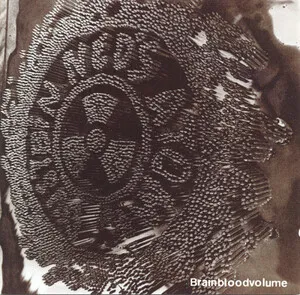
Brainbloodvolume
Ned's Atomic Dustbin
Grebo
Alternative Rock
1992
2
/5
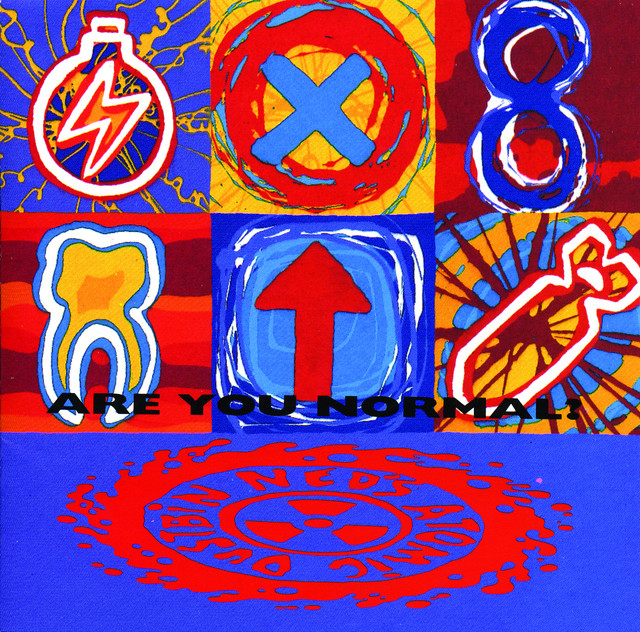
Are You Normal?
Ned's Atomic Dustbin
Grebo
Alternative Rock
Indie Rock
1991
2
/5
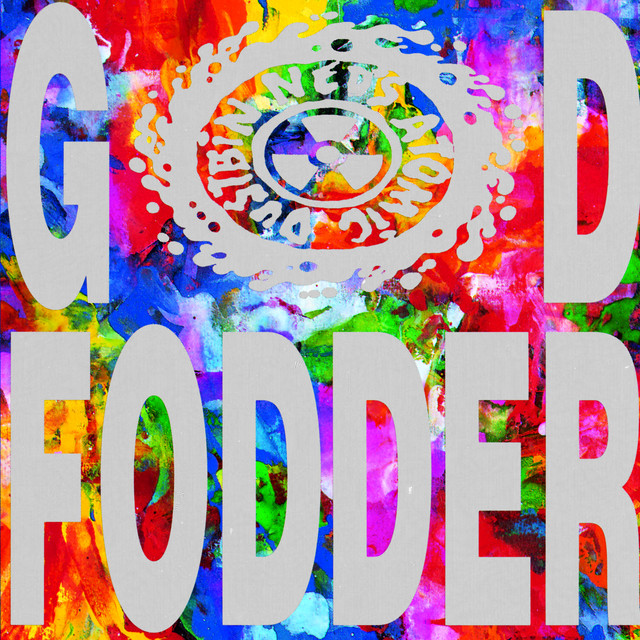
'GOD FODDER'
Ned's Atomic Dustbin
Grebo
Alternative Rock
Indie Rock
1991
3
/5
God Fodder
Ned's Atomic Dustbin
Grebo
Alternative Rock
Indie Rock
Similar artists
1
/5
Various Artists
Afro-Funk
Alternative Rock
Ambient
2
/5
The Wonder Stuff
Grebo
Britpop
Madchester
2
/5
Carter The Unstoppable Sex Machine
Grebo
Electronic
Rock
3
/5
Levellers
Grebo
Celtic Rock
Celtic Punk
4
/5
Blur
Britpop
Alternative Rock
Madchester
5
/5
Radiohead
Alternative Rock
Art Rock
Melancholia
3
/5
Doves
Madchester
Indie Rock
Post-Britpop
4
/5
The Stone Roses
Madchester
Britpop
Rock
4
/5
Morrissey
Jangle Pop
Solo Wave
Rock
3
/5
Elbow
Post-Britpop
Indie Rock
Alternative Rock
Download our mobile app
Get the Melodigging app and start digging for new genres on the go
Download on the App Store
Get it on Google Play
© 2026 Melodigging
Give feedback
Legal
Melodding was created as a tribute to
Every Noise at Once
, which inspired us to help curious minds keep digging into music's ever-evolving genres.