Genres
Artists
Albums
Make Music
Sign in
Sign in
Artists
Coldwave
Artists
Coldwave
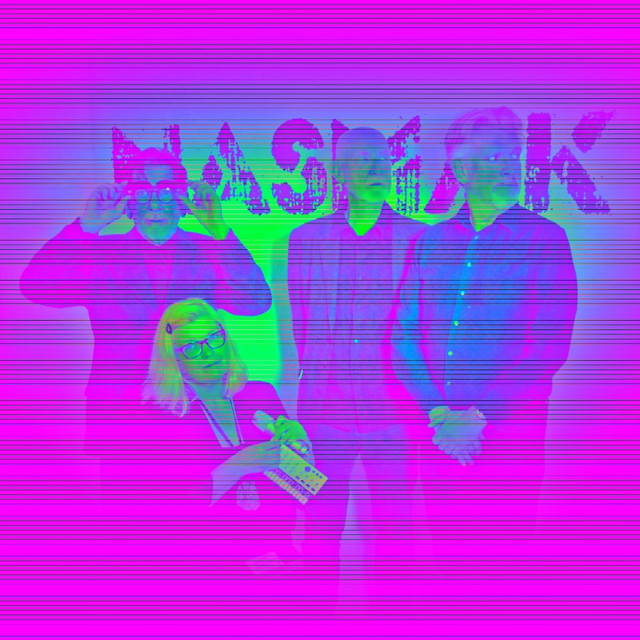
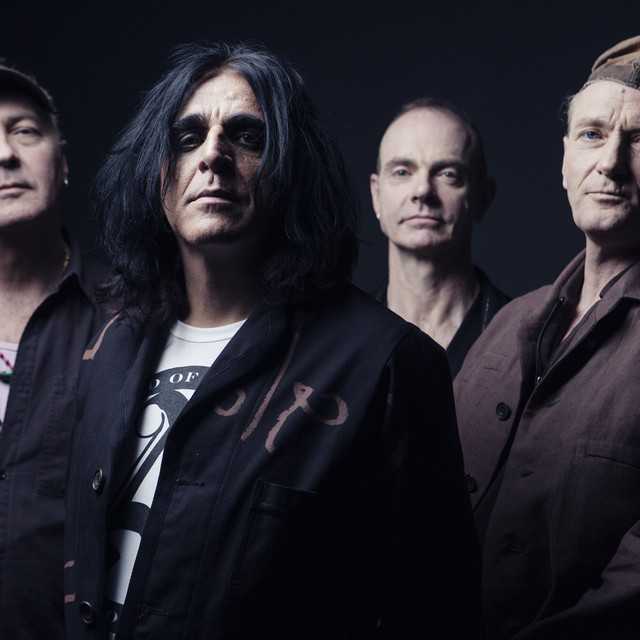
Nasmak
1980–2023
·
2 albums
Listen
1
/5
Genres
Noise Rock
Noise rock is a subgenre of rock that deliberately embraces distortion, feedback, dissonance, and abrasive textures as primary musical materials rather than mere effects. It prioritizes timbre, volume, and sonic density over conventional melody and harmony, often using nonstandard tunings, prepared or detuned guitars, and extended techniques to generate harsh overtones and sheets of sound. Rhythm sections tend to be driving and repetitive, anchoring the chaos with motorik pulses, lurching grooves, or pummeling, minimal patterns. Vocals range from spoken and murmured to shouted and cathartic, with lyrics that skew cryptic, confrontational, or surreal. Aesthetically, noise rock traces a line from punk’s anti-virtuosity and DIY ethos through no wave’s iconoclasm and the avant-garde’s interest in sound-as-sound, yielding music that can be physically intense, psychologically unsettling, and artistically exploratory.
Discover
Listen
Ultra
Ultra is a Dutch early-1980s post‑punk/art‑music movement that blended angular guitars, minimal electronics, and performance‑art concepts. Emerging from art schools, squats, and independent venues, it favored a stark, reductionist sound built from drum machines, monotone bass figures, brittle guitar sketches, and cheap synths. Beyond a sonic palette, Ultra was a DIY network of bands, zines, and labels (notably Plurex, Torso) and was championed by the magazine Vinyl, which documented the scene and issued cassettes. Its aesthetics leaned toward collage, xeroxed graphics, conceptual lyrics, and spoken‑word delivery, positioning the movement between post‑punk, minimal wave, and experimental electronics.
Discover
Listen
Coldwave
Coldwave is a European post-punk offshoot characterized by icy, minimalist arrangements, prominent basslines, sparse drum machines, and a detached vocal delivery. Emerging first in France (and neighboring Belgium) in the late 1970s and peaking through the mid-1980s, it blends punk’s austerity with the synthetic textures of early analog keyboards and stark, minor-key guitar figures. The mood is melancholic and introspective—often sung in French or English—favoring rigid rhythms, chorus-drenched guitars, and compact songwriting that foregrounds atmosphere over virtuosity. Its "cold" aesthetic refers as much to the emotional temperature of the music as to the gray-toned production: dry snares, steely bass, and reverb used not for lushness but for distance.
Discover
Listen
New Wave
New wave is a broad, pop-oriented umbrella for styles that emerged in the mid-to-late 1970s as a sleeker, more melodic outgrowth of punk culture. Initially, the term varied by region: in the United States it was first used by critics and labels (famously Sire Records’ “Don’t Call It Punk” campaign in 1977) to rebrand punk-associated artists with more radio-friendly aesthetics; in the United Kingdom it encompassed a wider constellation of fresh, stylish post-punk-era sounds. Over time, “new wave” became a catch‑all for hooky guitar pop, synth-driven songs, danceable rhythms, and modernist production sensibilities. Sonically, it blends tight, upbeat rhythms (often disco- and reggae-informed), clean chorus/flanger guitars, prominent synthesizers, and concise, hook-led songwriting. Its visual identity—sharp suits, futurist imagery, and fashion-forward presentation—was integral, aligning with the rise of music television and emphasizing art-school wit, irony, and modern urban themes.
Discover
Listen
Post-Punk
Post-punk is a broadly experimental strain of rock that emerged in the late 1970s as artists sought to push beyond the speed, simplicity, and orthodoxy of first-wave punk. It typically features angular, bass-forward grooves; jagged or minimal guitar lines; stark, spacious production; and an openness to dub, funk, electronic, and avant-garde ideas. Lyrics often examine alienation, urban decay, politics, and the inner life with artful or abstract delivery. A studio-as-instrument approach, emphasis on rhythm section interplay, and an appetite for non-rock textures (tape effects, drum machines, found sound, synths) distinguish the style. The result can be danceable yet tense, cerebral yet visceral, and emotionally restrained yet intensely expressive.
Discover
Listen
Albums
2023
1
/5
4our Clicks
Nasmak
Ultra
1980
1
/5
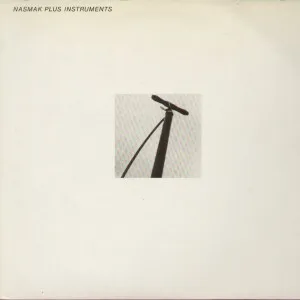
Nasmak Plus Instruments / Instruments Plus Nasmak
Nasmak & Plus Instruments
Ultra
Similar artists
2
/5
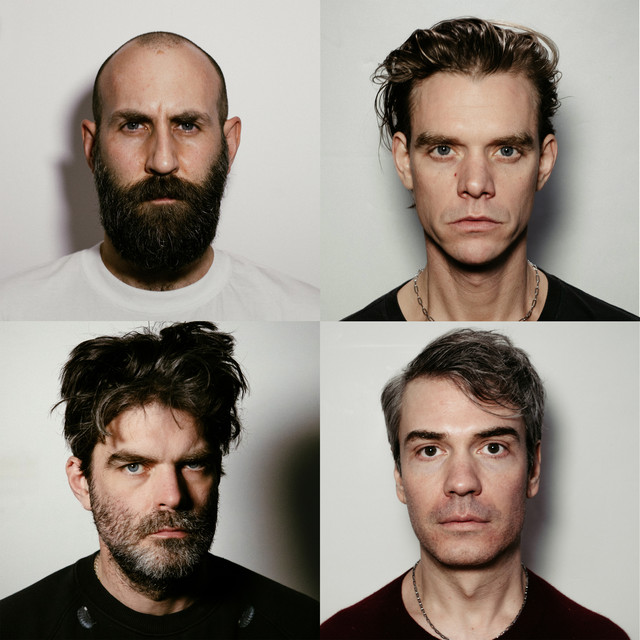
Preoccupations
Garage Psych
Post-Punk
Coldwave
1
/5
Minny Pops
Coldwave
Dark Wave
New Wave
1
/5
Various Artists
Afro-Funk
Alternative Rock
Ambient
4
/5
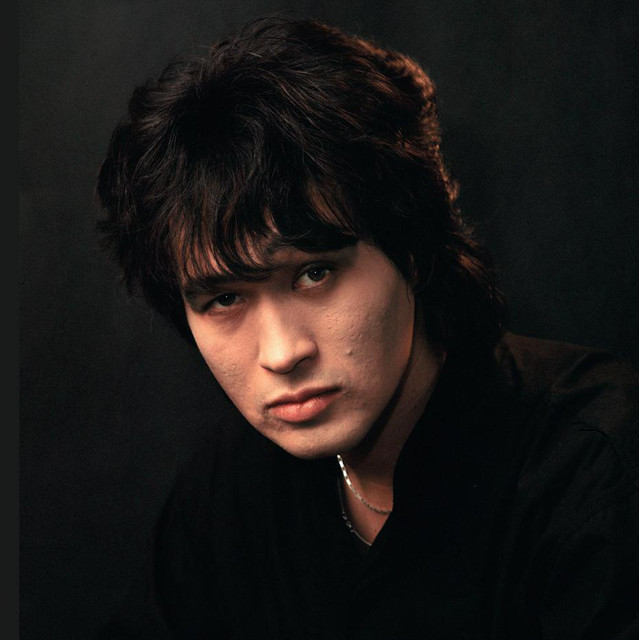
Kino
Post-Punk
Leningrad Rock Club Scene
New Wave
4
/5
Joy Division
Gothic Rock
Post-Punk
Madchester
4
/5
Siouxsie and the Banshees
Gothic Rock
Post-Punk
Deathrock
3
/5
Sisters of Mercy
Gothic Rock
Dark Wave
Deathrock
3
/5
Bauhaus
Dark Wave
Post-Punk
Gothic Rock
3
/5
The Jesus and Mary Chain
Noise Pop
Post-Punk
Dream Pop
3
/5
Killing Joke
Industrial Rock
Industrial
Post-Punk
Download our mobile app
Get the Melodigging app and start digging for new genres on the go
Download on the App Store
Get it on Google Play
© 2026 Melodigging
Give feedback
Legal
Melodding was created as a tribute to
Every Noise at Once
, which inspired us to help curious minds keep digging into music's ever-evolving genres.