Genres
Artists
Albums
Make Music
Sign in
Sign in
Artists
Palestinian Alternative
Artists
Palestinian Alternative
Mohammad Assaf
2013–2021
·
4 albums
Listen
3
/5
Genres
Bashment Soca
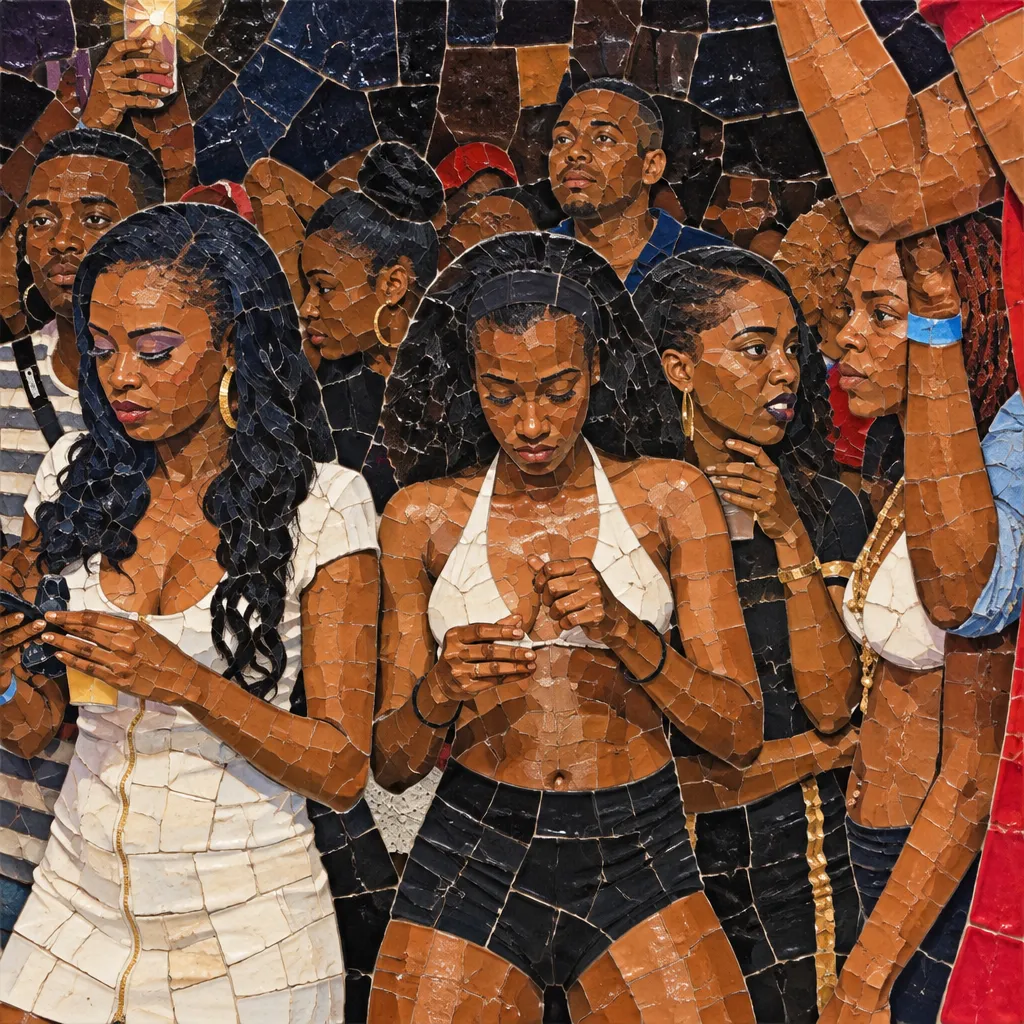
Bashment soca is a Barbadian-born variant of soca that fuses the high-energy party Spirit of Crop Over with the grit and vocal delivery of Jamaican dancehall. Compared with power soca’s fast tempos, bashment soca typically runs slower and heavier, leaning on booming sub‑bass, minimal chord movement, and infectious, chantable hooks. The style foregrounds Bajan dialect, cheeky wordplay, and call‑and‑response crowd interaction. Tracks are often built on shared riddims, encouraging multiple vocal takes, remixes, and sound‑system style performances. The result is a raw, street‑level party music tailor‑made for “wuk up” dancing and road marches.
Discover
Listen
Egyptian Viral Pop
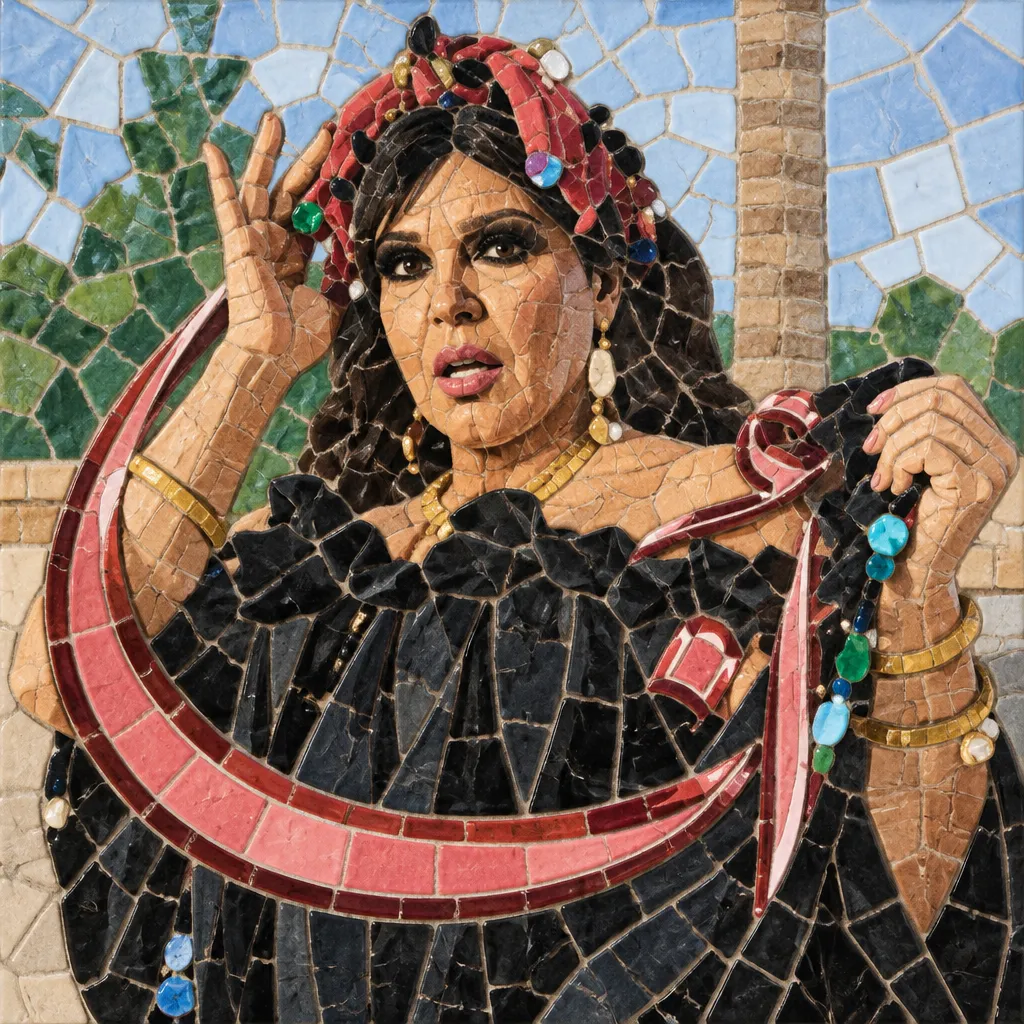
Egyptian viral pop is contemporary Egyptian pop designed for rapid spread on social platforms, especially YouTube, Instagram Reels, and TikTok. It blends mainstream Egyptian pop songwriting with street-level shaabi/mahraganat grooves and modern hip hop, trap, and EDM production. Songs are short, hook-first, and built around chantable refrains, memeable catchphrases, and danceable beats. Vocals are often in colloquial Egyptian Arabic with generous use of Auto‑Tune, while arrangement choices highlight a 15–30 second snippet optimized for short‑form video. Typical productions fuse darbuka and riqq percussion with 808s, claps, bright synth leads, and occasional mizmar, sax, or oud motifs. The overall effect is energetic, catchy, and built to travel quickly across the MENA region and diasporic audiences.
Discover
Listen
Palestinian Alternative
Palestinian alternative is a broad, independent-leaning umbrella for artists from Palestine and its diaspora who fuse Western alternative idioms with Levantine (particularly Palestinian) musical language. It commonly blends guitar-driven indie/alt-rock, electronic textures, hip‑hop beats, and experimental production with Arabic melodic modes (maqām), dabke rhythms, and instruments such as oud, buzuq, qanun, riqq, and darbuka. Lyrics (often in Palestinian Arabic) address everyday love and longing alongside lived realities of displacement, checkpoint life, borders, identity, and resilience—balancing personal storytelling with social and political nuance. While stylistically diverse—from intimate singer‑songwriter and electro‑acoustic experiment to bass-heavy rap crossovers—the scene is unified by DIY ethics, cross-city collaboration (Ramallah, Haifa, Jerusalem, Bethlehem, Gaza, and diaspora nodes like Amman, Berlin, and London), and a drive to update Palestinian sonic heritage for contemporary global audiences.
Discover
Listen
Khaleeji
Khaleeji (Khaliji) is the contemporary popular music of the Arabian Gulf, spanning Saudi Arabia, Kuwait, Bahrain, Qatar, the United Arab Emirates, and Oman. It blends deep-rooted Gulf rhythmic traditions and poetic forms with modern pop arrangement, creating a distinctly percussive, melodic, and danceable sound. Core characteristics include driving hand-drum grooves (mirwās, tabl, riqq), ornate vocal lines grounded in the Arabic maqam system (often Bayātī, Rāst, Ḥijāz, and Nahāwand), and Gulf-dialect (Nabaṭī) lyrics that balance romantic themes with imagery of desert, sea, and kinship. Since the 1980s, synthesizers, drum machines, and lush string pads have joined oud, violin, and qanun, giving Khaleeji its sleek pop sheen while preserving its rhythmic identity (samri and khaleegy dance rhythms). The result is a style that feels both traditional and modern: celebratory and suited to social dancing, yet melodically expressive and lyrically intimate.
Discover
Listen
Dabke
Dabke is a high‑energy Levantine line‑dance music associated with communal celebration, especially weddings and village festivals. It is driven by stomping rhythms and call‑and‑response vocals that cue and propel the dancers, who hold hands or shoulders in a line led by a raas (leader). Musically, dabke sits in the Arabic maqam system, with melodies often built on Bayati, Hijaz, Kurd, or Nahawand. Traditional ensembles feature reed pipes such as the mijwiz and yarghul, piercing double‑reed zurna, and hand percussion like the darbuka (tabla), riqq, and daff. Since the late 20th century, electronic keyboards with quarter‑tone tuning have become central, creating the distinctive modern “wedding keyboard” sound that powers contemporary dabke‑pop and electro‑dabke.
Discover
Listen
Albums
2021
2
/5
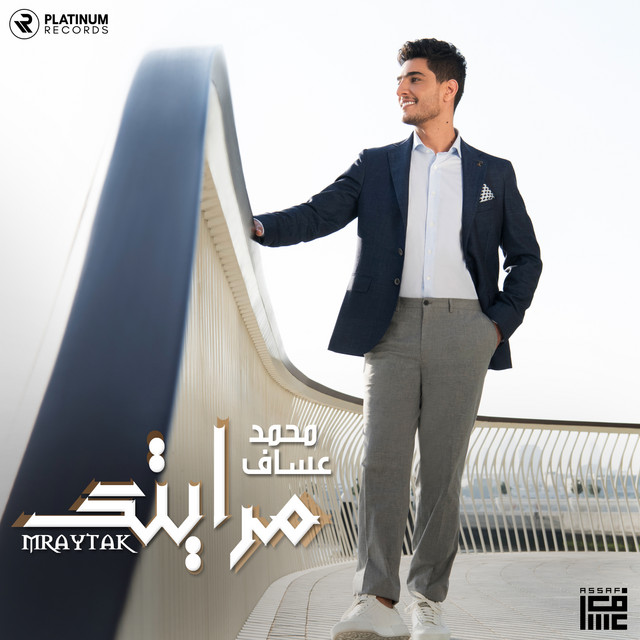
Mraytak
Mohammad Assaf
Palestinian Alternative
2018
2
/5
Makanak Khaly
Mohammad Assaf
Palestinian Alternative
Dabke
2013
1
/5
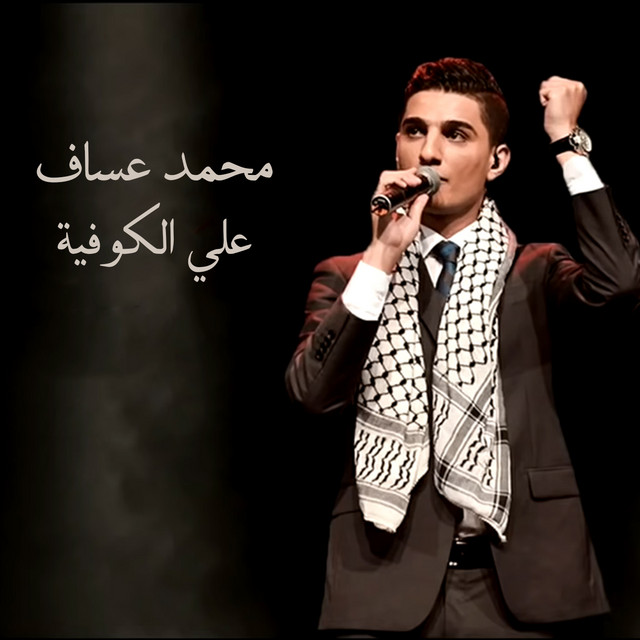
Alyi El Kofiya (علي الكوفية)
Mohammad Assaf
Palestinian Alternative
2013
2
/5
Alyi El Kofiya
Mohammad Assaf
Palestinian Alternative
Dabke
Similar artists
4
/5
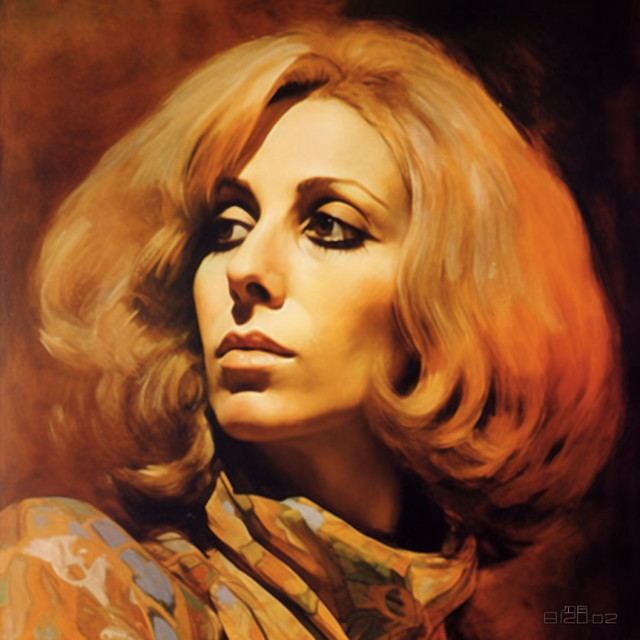
Fairuz
Al-Jadīd
Mūsīqā Lubnāniyya
Dabke
3
/5
Nassif Zeytoun
Dabke
Khaleeji
Egyptian Viral Pop
3
/5
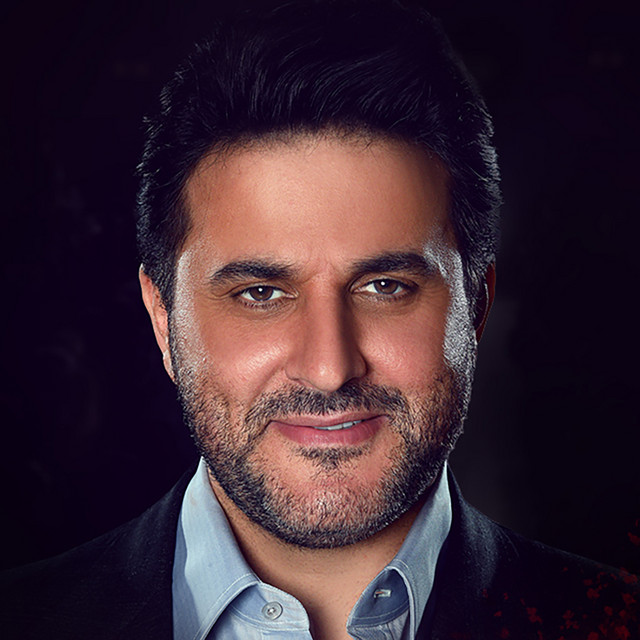
Melhem Zein
Dabke
Khaleeji
3
/5
Hussein Al Deek
Dabke
Khaleeji
3
/5
Anas Kareem
Dabke
Khaleeji
Lebanese Pop
3
/5
Al Walid Hallani
Dabke
Khaleeji
3
/5
Saria Al Sawas
Dabke
Khaleeji
2
/5
Hazem Al Sadeer
Dabke
Khaleeji
3
/5
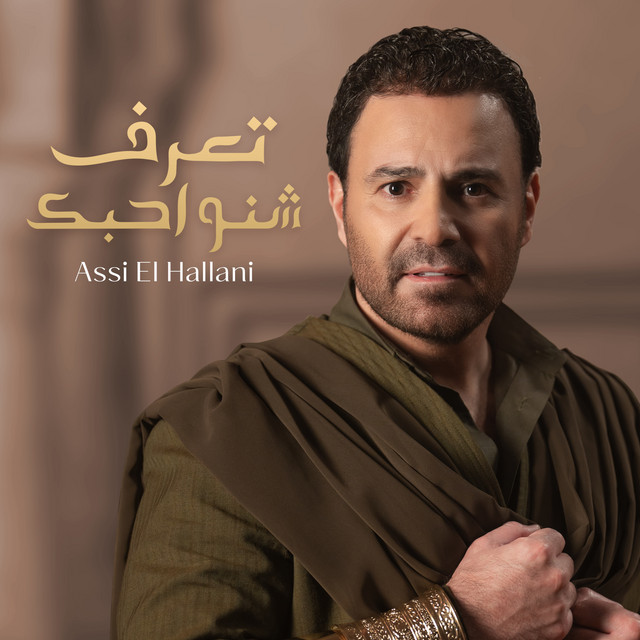
Assi El Hallani
Dabke
Khaleeji
3
/5
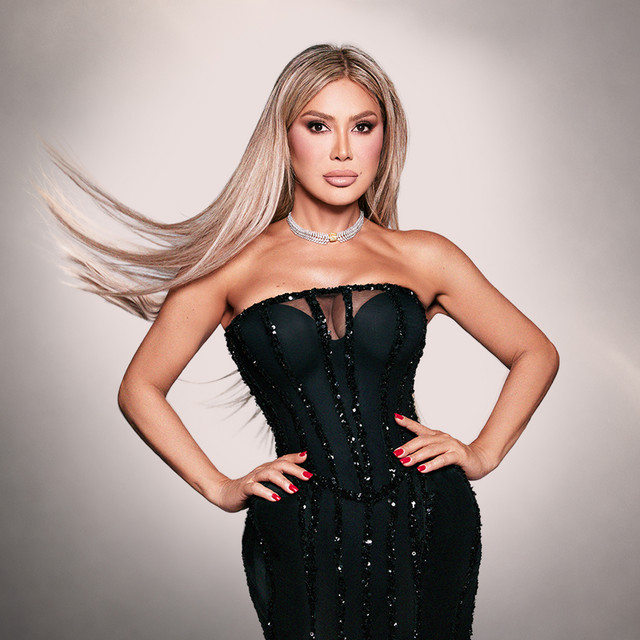
Nawal Al Zoghbi
Dabke
Egyptian Pop
Khaleeji
Download our mobile app
Get the Melodigging app and start digging for new genres on the go
Download on the App Store
Get it on Google Play
© 2026 Melodigging
Give feedback
Legal
Melodding was created as a tribute to
Every Noise at Once
, which inspired us to help curious minds keep digging into music's ever-evolving genres.