Genres
Artists
Albums
Make Music
Sign in
Sign in
Artists
Traditional Music
Artists
Traditional Music
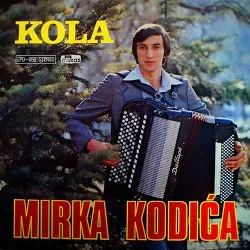
Mirko Kodic
1979
·
1 album
Listen
1
/5
Genres
Traditional Music
Traditional music is an umbrella term used in the mid–20th century by folklorists and ethnomusicologists to denote community-rooted, orally transmitted repertoires tied to social ritual, work, celebration, and storytelling. Unlike commercial pop or art-music traditions, traditional music is typically learned by ear, varies regionally, and evolves slowly through communal participation. It often features modal melodies, cyclic rhythms, heterophony or unison singing, and indigenous instruments whose timbres are integral to local identity. Lyrics tend to preserve language, history, and collective memory. While the musical practices themselves can be ancient, the phrase “traditional music” emerged to replace earlier, narrower or colonial framings like “folk” or “ethnic” music, foregrounding continuity, locality, and living practice rather than exoticism.
Discover
Listen
Narodnozabavna Glasba
Narodnozabavna glasba is a Slovenian popular-folk dance music that blends local folk song and dance traditions with light pop sensibilities. It is best known for lively polkas in 2/4 and tender waltzes in 3/4, arranged for compact small ensembles. The classic "Oberkrainer"-style quintet—popularized by the Avsenik Brothers—features accordion, clarinet, trumpet, guitar, and bass, with close-harmony vocals. A parallel lineage led by Lojze Slak centers the diatonic button accordion (frajtonarica) with guitar accompaniment and vocal quartet. Melodies are singable and bright, rhythms are "oom-pah" danceable, and lyrics celebrate countryside life, love, friendship, and Alpine landscapes.
Discover
Listen
Alpine Folk Music
Alpine folk music is the traditional rural music of the Alpine region spanning Austria, Switzerland, southern Germany (Bavaria and Swabia), South Tyrol in northern Italy, and parts of Slovenia. It centers on small ensembles (Tanzlmusik) playing dance tunes and strophic songs for village festivities, weddings, and seasonal rituals. Characteristic elements include yodeling (Jodler), lively dance forms such as Ländler (often in 3/4), Polka (2/4), Boarischer, and Zwiefacher (with alternating meters), and distinctive timbres from diatonic button accordion (Steirische Harmonika), zither, hammered dulcimer (Hackbrett), fiddle, clarinet, guitar, and alphorn. Melodies are typically modal or major with triadic outlines, drones, and parallel thirds, while lyrics use local dialects and celebrate landscape, pastoral work, and communal life. The style is closely tied to regional dress (Tracht) and dance customs (e.g., Schuhplattler), and it remains a living tradition that bridges intimate domestic music-making with public festivals and modern stage performance.
Discover
Listen
Serbian Folk Music
Serbian folk music (narodna muzika) is a diverse South Slavic tradition rooted in epic gusle singing, rural dance tunes, and urban salon songs. It blends indigenous Slavic elements with strong Byzantine-ecclesiastical and Ottoman-era influences, yielding modal melodies, ornamented vocals, and asymmetric dance meters. The sound world ranges from the intimate timbre of the one-string gusle accompanying decasyllabic epic verse, to frula (end-blown flute) and gajde (bagpipes) dances, tamburica and accordion-led songs from Vojvodina, and powerful brass "truba" ensembles from western Serbia. Hallmarks include drones (ison-like in church-related styles), heterophony, close-interval harmonies, and rhythmic vitality in meters such as 2/4 (kolo) and 7/8, 9/8, or 11/8. Lyrical themes span love, rural life, historical heroes, and poignant nostalgia.
Discover
Listen
Slovenian Folk Music
Slovenian folk music encompasses a wide range of regional vocal and instrumental traditions from the Alpine, Pannonian, and Mediterranean edges of Slovenia. It includes multipart village singing, narrative ballads, and lively dance tunes such as polkas and waltzes. Alongside older, rural styles (e.g., drone-based and modal songs, and the distinctive Istrian two-part singing with its characteristic narrow intervals), the 20th century ushered in the “narodnozabavna” (Oberkrainer) sound—small dance ensembles with diatonic button accordion (frajtonarca), clarinet, trumpet, baritone horn, guitar, and bass. This blend of local song, Central European dance rhythms, and tight ensemble arranging made Slovenian folk music a cornerstone of Alpine popular folk across the region. Lyrics typically celebrate rural life, courtship, seasonal cycles, mountains and vineyards, and are often sung in regional dialects. The mood ranges from festive and dancing to tender and nostalgic.
Discover
Listen
Albums
1979
1
/5
Kola Mirka Kodića
Mirko Kodić
Narodnozabavna Glasba
Slovenian Folk Music
Serbian Folk Music
Similar artists
2
/5
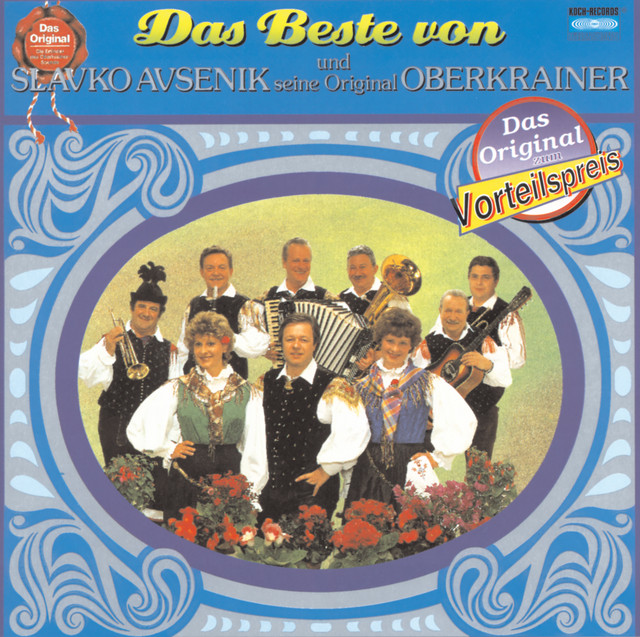
Slavko Avsenik und seine Original Oberkrainer
Narodnozabavna Glasba
Volkstümliche Musik
Slovenian Folk Music
2
/5
Ansambel Lojzeta Slaka
Narodnozabavna Glasba
Polka
Slovenian Folk Music
1
/5
Kvintet 'Avsenik'
Narodnozabavna Glasba
Polka
Slovenian Folk Music
1
/5
Ansambl Beneški Fantje
Polka
Alpine Folk Music
Narodnozabavna Glasba
1
/5
Die Knödel
Neue Volksmusik
Alpine Folk Music
Narodnozabavna Glasba
1
/5
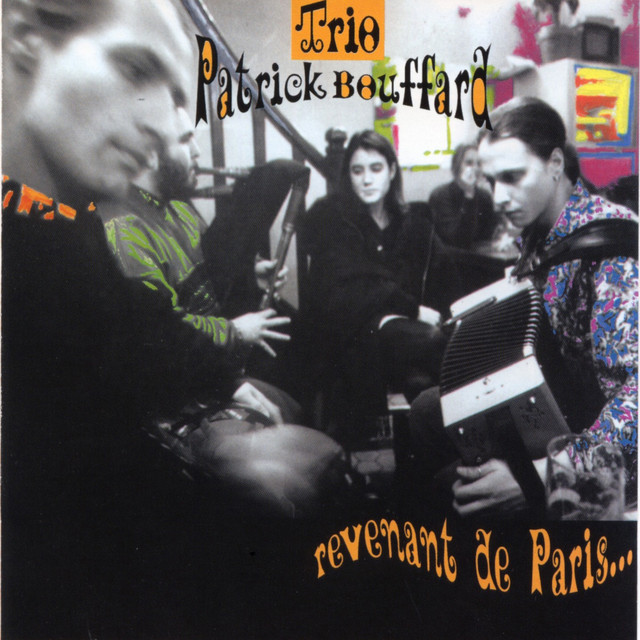
Trio Patrick Bouffard
Traditional Music
Alpine Folk Music
1
/5
Carapani
Serbian Folk Music
Traditional Music
2
/5
Ansambel bratov Avsenik
Polka
Narodnozabavna Glasba
Slovenian Folk Music
1
/5
Alpski kvintet
Polka
Narodnozabavna Glasba
Slovenian Folk Music
1
/5
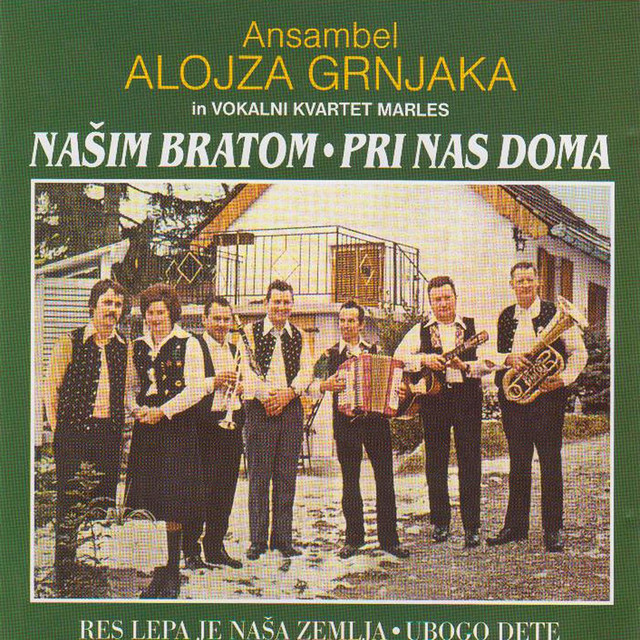
Ansambel Alojza Grnjaka
Polka
Narodnozabavna Glasba
Slovenian Folk Music
Download our mobile app
Get the Melodigging app and start digging for new genres on the go
Download on the App Store
Get it on Google Play
© 2026 Melodigging
Give feedback
Legal
Melodding was created as a tribute to
Every Noise at Once
, which inspired us to help curious minds keep digging into music's ever-evolving genres.