Genres
Artists
Albums
Make Music
Sign in
Sign in
Artists
Contemporary Classical
Artists
Contemporary Classical
Michael Nyman Band
1992
·
1 album
Listen
2
/5
Genres
Minimalism
Minimalism is a style of Western art music that emerged in the United States during the 1960s, characterized by the use of very limited musical materials, steady pulse, and extensive repetition. Composers often build pieces from short cells or motifs that are repeated and slowly transformed through additive or subtractive processes, phase shifting, and gradual changes in harmony, texture, or register. Harmony is typically consonant (often modal or diatonic), though just intonation and extended drones are also common. The result is music that foregrounds process, clarity, audibility of structure, and a hypnotic sense of stasis and flow. Typical ensembles include keyboards, mallet percussion, strings, winds, voices, and electronics or tape. Minimalism influenced a wide array of later styles, from ambient and new age to post-minimalism and minimal techno.
Discover
Listen
Modern Performance
Modern performance is a contemporary classical performance practice focused on post‑war and post‑tonal music, cutting‑edge notation, and exploratory sound. It privileges close composer–performer collaboration, precision of ensemble craft, and the use of extended techniques, electronics, and non‑traditional staging. The style grew around specialized ensembles able to realize complex rhythms, microtonality, new timbral combinations, live electronics, and spatialized setups. Scores may be conventionally notated, graphically specified, or text‑driven, and the result ranges from quiet, fragile textures to aggressive, noise‑inflected masses. Modern performance is less a single compositional language than a shared performance culture devoted to “new music” ideals of experimentation, rigor, and timbral imagination.
Discover
Listen
Contemporary Classical
Contemporary classical is the broad field of Western art music created after World War II. It embraces an array of aesthetics—from serialism and indeterminacy to minimalism, spectralism, electroacoustic practices, and post‑tonal lyricism—while retaining a concern for notated composition and timbral innovation. Unlike the unified styles of earlier eras, contemporary classical is pluralistic. Composers freely mix acoustic and electronic sound, expand instrumental techniques, adopt non‑Western tuning and rhythm, and explore new forms, from process-based structures to open and graphic scores. The result is a music that can be rigorously complex or radically simple, technologically experimental or intimately acoustic, yet consistently focused on extending how musical time, timbre, and form can be shaped.
Discover
Listen
Albums
1992
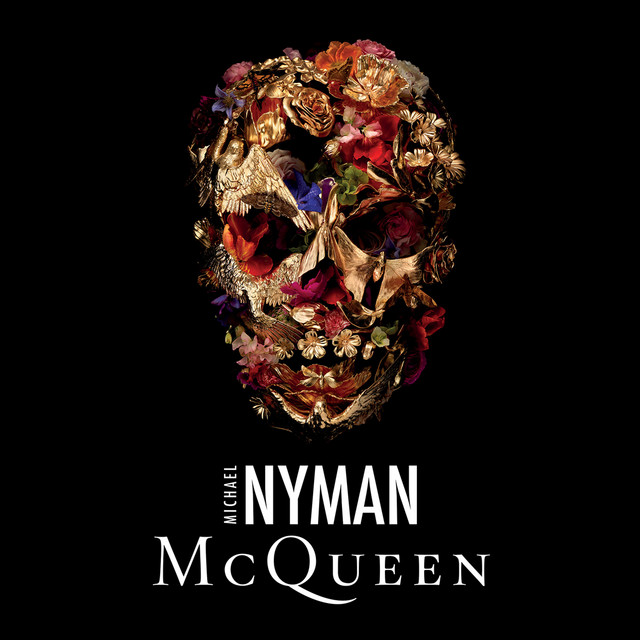
The Essential Michael Nyman Band
Michael Nyman, Michael Nyman Band
Modern Performance
Similar artists
3
/5
Michael Nyman
Classical
Contemporary Classical
Minimalism
3
/5
Steve Reich
Minimalism
Classical
Modern Classical
2
/5
Reinbert de Leeuw
Classical
Impressionism
Avant-Garde
2
/5
Nico Muhly
American 21st Century Classical
Classical
Contemporary Classical
3
/5
Caroline Shaw
Minimalism
American 21st Century Classical
Contemporary Choir
2
/5
Morton Feldman
Classical
Chamber Music
Contemporary Classical Piano
4
/5
Max Richter
Post-Minimalism
Classical
Contemporary Classical
4
/5
Ólafur Arnalds
Contemporary Classical
Minimalism
Compositional Ambient
4
/5
Philip Glass
Classical
Minimalism
Modern Classical
4
/5
Jóhann Jóhannsson
Contemporary Classical
Minimalism
Score
Download our mobile app
Get the Melodigging app and start digging for new genres on the go
Download on the App Store
Get it on Google Play
© 2026 Melodigging
Give feedback
Legal
Melodding was created as a tribute to
Every Noise at Once
, which inspired us to help curious minds keep digging into music's ever-evolving genres.