Genres
Artists
Albums
Make Music
Sign in
Sign in
Artists
American 21st Century Classical
Artists
American 21st Century Classical
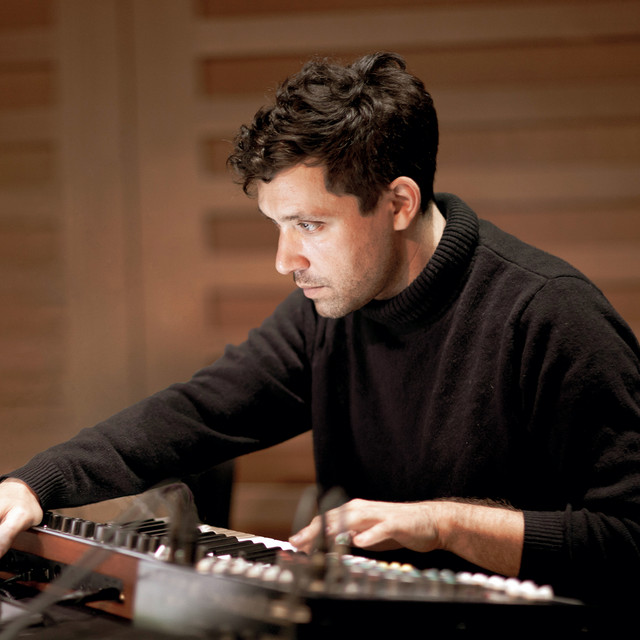
Michael Harrison
1985–2011
·
3 albums
Listen
1
/5
Genres
New Isolationism
New isolationism is a contemporary strain of isolationist ambient and post-industrial minimalism that emerged in the 2010s, particularly around Scandinavian experimental labels and studios. It foregrounds intimate, close-mic’d sound, negative space, and a quiet-but-present noise floor; its pieces feel both internal and architectural, like rooms built from reverb tails, tape hiss, and soft electronics. Sonically, the style blends glacial drones, fragile chamber timbres (strings, organ, piano), lo‑fi electronics, and field recordings into stark, slow-evolving tableaux. Melodic information is sparse—often only a few tones or gestures—while rhythm is either absent or reduced to distant pulses, heartbeats, or mechanical cycles. Vocals, when they appear, are murmured, diaristic, or abstracted by pitch and time manipulation. Aesthetically, new isolationism is post‑internet and diaristic: it captures solitude, memory, and dislocation with a palette that feels personal yet estranged, drawing as much from contemporary gallery sound practice as from classic dark ambient.
Discover
Listen
American 21st Century Classical
American 21st century classical refers to the body of concert music written by U.S.-based composers since the year 2000. It synthesizes the long arc of the Western classical tradition with post‑minimalism, spectral and timbral thinking, electroacoustic techniques, and porous boundaries with jazz, indie, and electronic scenes. This repertoire is marked by stylistic plurality: one can find post‑tonal rigor next to radiant consonance, pulse‑driven post‑minimalist grooves alongside static soundscapes, and acoustic virtuosity integrated with live electronics. It is also characterized by performer‑composer collaboration, flexible instrumentation (from DIY chamber setups to revitalized orchestras), and a renewed attention to place, ecology, and social themes in programmatic narratives.
Discover
Listen
Minimalism
Minimalism is a style of Western art music that emerged in the United States during the 1960s, characterized by the use of very limited musical materials, steady pulse, and extensive repetition. Composers often build pieces from short cells or motifs that are repeated and slowly transformed through additive or subtractive processes, phase shifting, and gradual changes in harmony, texture, or register. Harmony is typically consonant (often modal or diatonic), though just intonation and extended drones are also common. The result is music that foregrounds process, clarity, audibility of structure, and a hypnotic sense of stasis and flow. Typical ensembles include keyboards, mallet percussion, strings, winds, voices, and electronics or tape. Minimalism influenced a wide array of later styles, from ambient and new age to post-minimalism and minimal techno.
Discover
Listen
Neoclassicism
Neoclassicism in music is a 20th‑century movement that revived forms, genres, and aesthetics from the Baroque and Classical eras, but reframed them with modern harmony, rhythm, and orchestration. It emphasizes clarity, balance, objectivity, and contrapuntal craft, often rejecting late‑Romantic excess while retaining a tonal or modal center enriched by dissonance, bitonality, and crisp rhythmic drive. Typical hallmarks include neobaroque dance suites, neoclassical sonatas and concerti, chamber‑oriented scoring, clean textures, and a dry, anti‑rhetorical performance style.
Discover
Listen
Classical
Classical music is the notated art-music tradition of Europe and its global descendants, characterized by durable forms, carefully codified harmony and counterpoint, and a literate score-based practice. The term “classical” can refer broadly to the entire Western art-music lineage from the Medieval era to today, not just the Classical period (c. 1750s–1820s). It privileges long-form structures (such as symphonies, sonatas, concertos, masses, and operas), functional or modal harmony, thematic development, and timbral nuance across ensembles ranging from solo instruments to full orchestras and choirs. Across centuries, the style evolved from chant and modal polyphony to tonal harmony, and later to post-tonal idioms, while maintaining a shared emphasis on written notation, performance practice, and craft.
Discover
Listen
Albums
2011
1
/5
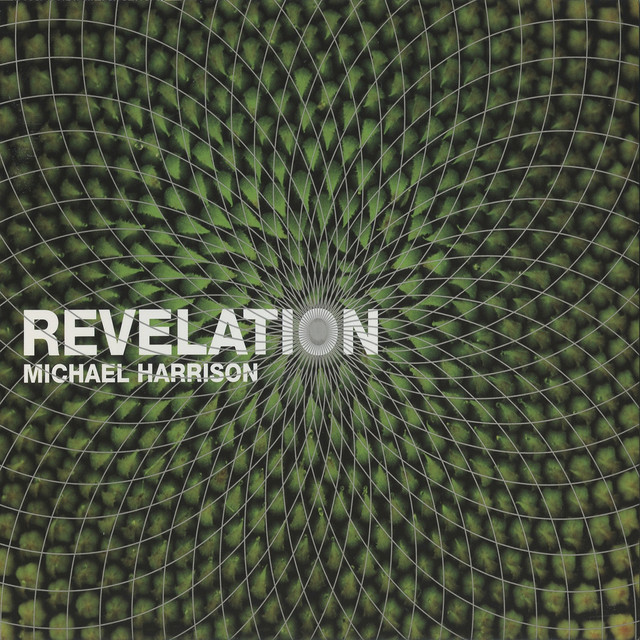
Revelation
Michael Harrison
American 21st Century Classical
Classical
2011
1
/5
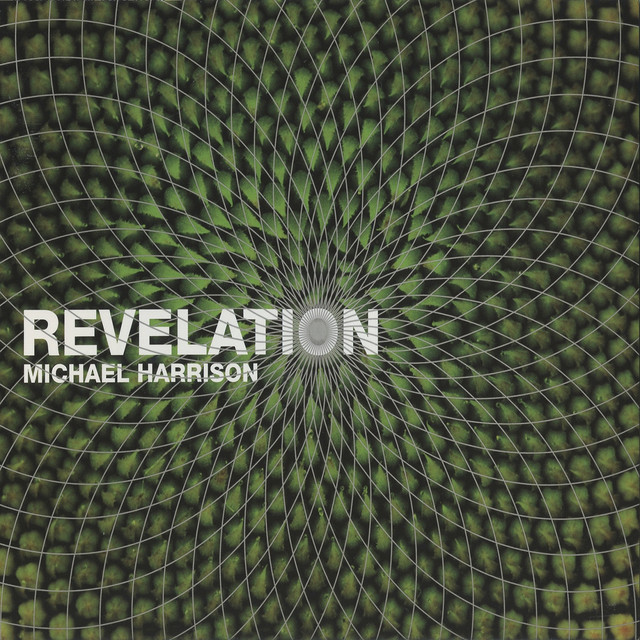
Revelation
Michael Harrison
American 21st Century Classical
Classical
1985
1
/5
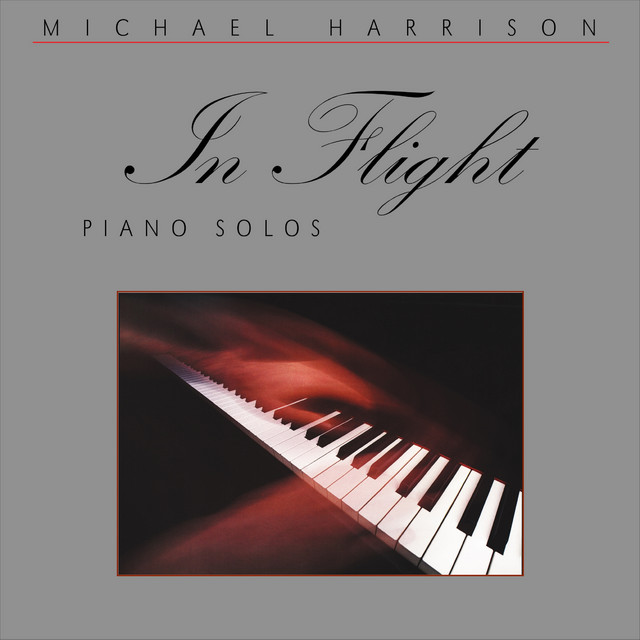
In Flight: Piano Solos
Michael Harrison
American 21st Century Classical
Similar artists
1
/5
Various Artists
Afro-Funk
Alternative Rock
Ambient
1
/5
Daniel Wohl
American 21st Century Classical
Avant-Garde
Minimalism
4
/5
Max Richter
Post-Minimalism
Classical
Contemporary Classical
4
/5
Philip Glass
Classical
Minimalism
Modern Classical
4
/5
Jóhann Jóhannsson
Contemporary Classical
Minimalism
Classical
3
/5
Kristjan Järvi
Classical
Gaming Edm
Minimalism
3
/5
MDR Leipzig Radio Symphony Orchestra
Classical
Minimalism
Neoclassicism
2
/5
Philip Glass Ensemble
Minimalism
Avant-Garde
Classical
2
/5
Nico Muhly
American 21st Century Classical
Indian Indie
Minimalism
1
/5
American Contemporary Music Ensemble
Classical
Electronic
Minimalism
Download our mobile app
Get the Melodigging app and start digging for new genres on the go
Download on the App Store
Get it on Google Play
© 2026 Melodigging
Give feedback
Legal
Melodding was created as a tribute to
Every Noise at Once
, which inspired us to help curious minds keep digging into music's ever-evolving genres.