Genres
Artists
Albums
Make Music
Sign in
Sign in
Artists
Electropowerpop
Artists
Electropowerpop
Metro Station
2007
·
2 albums
Listen
4
/5
Genres
Pixie
Pixie is a Gen‑Z, internet‑native microgenre that sits at the bright, whimsical end of the hyperpop/digicore spectrum. It favors sparkling, “fairy‑like” sound design: glassy arpeggios, glittering supersaws, twinkling bells, and breathy, often pitched‑up or formant‑shifted vocals. Songs tend to be short and hook‑forward, balancing innocent, daydreamy textures with maximal drops and elastic rhythms. Lyrically it blends diaristic vulnerability, romance, and coming‑of‑age themes with online culture references and a playful sense of fantasy. Aesthetically, pixie borrows the cute/kawaii visual language (soft pastels, magical motifs) while keeping the DIY, Discord‑server ethos of the hyperpop underground. Production is fast, DAW‑focused (FL Studio/Ableton), and built for streaming, TikTok loops, and community playlists.
Discover
Listen
Hyper-Rock
Hyper-rock is a contemporary fusion that welds glitchy, high-gloss hyperpop sound design to the riffs, songcraft, and catharsis of alternative and pop-punk–leaning rock. Productions typically feature blown-out drums, distorted guitars, sub-heavy 808s, and extreme vocal processing (hard autotune, formant shifting) delivered at adrenalized tempos. The genre embraces sudden switch-ups, meme-age collage aesthetics, maximalist drops, and compressed, internet-native songwriting. It keeps the immediacy of pop hooks while channeling the grit and angst of emo and post-hardcore, often presenting vulnerable lyrics through an aggressively modern, digital sheen.
Discover
Listen
Modern Uplift
Modern uplift is a streaming‑era microgenre label for contemporary, radio‑friendly pop/rock that emphasizes optimistic, motivational songwriting and anthemic, sing‑along choruses. It sits at the intersection of post‑grunge sheen and arena‑rock scale, updated with modern pop production touches. Compared with darker alternative strains, modern uplift favors major‑key progressions, mid‑tempo grooves, layered guitars and keys, and polished mixes designed to translate from headphones to large venues. Its lineage runs through 1990s–2000s post‑grunge’s radio‑ready polish and 1970s–1980s arena rock’s big, melodic hooks, reframed in the 2010s by streaming and playlist culture that grouped kindred artists under fine‑grained microgenre tags.
Discover
Listen
The Wave
The Wave is a loosely defined cluster of American post-hardcore/emo bands that surged in the early 2010s as emo-pop’s mainstream moment faded. The name was a tongue‑in‑cheek scene tag that stuck in press coverage, but it points to a real overlap in sound, ethos, and touring networks. Musically, The Wave fuses the urgency of 1990s post‑hardcore and screamo with confessional, literate lyric writing associated with emo. Expect shouted or half‑sung/half‑spoken vocals, dynamic quiet‑loud builds, intricate but driving drums, and guitar textures that shift between glassy clean arpeggios and overdriven, emotive climaxes. The songs often emphasize catharsis, narrative detail, and community-minded DIY presentation.
Discover
Listen
Modern Alternative Pop
Modern alternative pop is a broad, internet-era strain of pop that blends mainstream songcraft with left-of-center production, aesthetics, and subject matter. It borrows glossy hooks from radio pop while incorporating indie sensibilities, electronic textures, and experimental arrangement ideas. Lyrics lean confessional and self-aware—often addressing mental health, digital life, identity, and complicated relationships—with an emphasis on personality-forward vocal delivery. Sonically it spans hushed, minimal, bass-forward tracks to bright, synth-led anthems; what unites it is a willingness to break Top 40 conventions while remaining hook-centric and emotionally direct.
Discover
Listen
Electropowerpop
Electropowerpop is a high-gloss fusion of power‑pop hooks and club‑ready electronic production. It pairs bright, catchy choruses and pop‑punk energy with synth leads, side‑chained pads, and punchy programmed drums. The style crystallized in the late Myspace era, when laptop production and cheap soft‑synths let pop‑punk and indie‑pop acts fold EDM textures into radio‑friendly song forms. Autotuned vocals, four‑on‑the‑floor kicks, chiptune flourishes, and palm‑muted guitars are common, as are lyrics that orbit youth culture, online romance, nightlife, and melodramatic confession.
Discover
Listen
Neon Pop Punk
Neon pop punk is a glossy, synth-splashed offshoot of pop punk that emerged in the late 2000s alongside the MySpace/“scene” era and Warped Tour culture. It retains the brisk tempos, power-chord guitar drive, and catchy, chantable hooks of pop punk, but pairs them with bright electronic textures, dance-pop rhythms, and a highly processed, radio-ready sheen. Sonically, you’ll hear palm-muted guitars layered with fizzy polysynths and arpeggiated leads, four-on-the-floor kicks or clap-heavy pop grooves, and clean, often Auto-Tuned vocals stacked with harmonies and gang shouts. Lyrically, it leans toward youthful romance, summer escapism, and playful party imagery, packaged in a neon-bright aesthetic that defined late-2000s teen alternative culture.
Discover
Listen
Alternative Rock
Alternative rock is a broad umbrella for guitar-based rock that emerged from the independent and college-radio scenes as a counterpoint to mainstream, commercial rock. It blends the energy and ethos of punk with the textural and songwriting experiments of post-punk, new wave, jangle pop, and noise rock, often foregrounding introspective or socially aware lyrics. Across its many strains—from the melodic minimalism of college rock to the loud-quiet-loud dynamics of grunge and the artful experimentation of Radiohead-era modernism—alternative rock prioritizes authenticity, sonic individuality, and a do-it-yourself approach. Its sound ranges from chiming, chorus-laden clean guitars to abrasive distortion and feedback, supported by straightforward rock rhythms or off-kilter grooves, and production that can be either raw and live-sounding or polished yet unconventional.
Discover
Listen
Dance-Pop
Dance-pop is a mainstream-oriented pop style built for both radio and the dancefloor. It blends hook-driven songwriting with club-ready rhythms, typically using a steady four-on-the-floor kick, bright synthesizers, and punchy, polished production. Tempos usually sit in the 110–128 BPM range, and arrangements emphasize memorable choruses, clear verses and pre-choruses, and concise structures suitable for radio edits. Compared with club genres like house or techno, dance-pop prioritizes song form, vocal presence, and accessible harmonies, while still retaining an energetic groove. The sound palette often includes layered synths, sampled or electronic drums, tight bass lines, ear-catching toplines, and modern production techniques such as sidechain compression and stacked vocal harmonies.
Discover
Listen
Dance-Rock
Dance-rock is a fusion of rock’s guitar-driven energy with the steady, club-ready pulse of dance music. It favors tight, syncopated rhythm sections, prominent basslines, four-on-the-floor or disco-derived grooves, and the liberal use of synthesizers, sequencers, and drum machines alongside live instrumentation. The style often overlaps with new wave and post-punk, delivering hooky choruses, glossy production, and extended 12-inch remixes designed for DJs and dance floors. Typical sonics include choppy funk guitar, gated-reverb drums, bright synth leads or pads, and pop-leaning vocal melodies with an urbane, stylish aesthetic.
Discover
Listen
Electropop
Electropop is a branch of pop music that foregrounds electronic instruments—especially synthesizers, drum machines, and sequencers—to deliver catchy, hook-driven songs. It preserves the verse–pre-chorus–chorus architecture and melodic immediacy of pop while replacing most traditional band instrumentation with programmed rhythms, synthetic bass lines, and glossy textures. The style emphasizes earworm toplines, precise rhythmic grids, and tightly produced arrangements that often highlight contrast between minimal, punchy verses and expansive, anthemic choruses. Timbres range from warm analog pads and arpeggiators reminiscent of the late 1970s/early 1980s to ultra-modern, hyper-detailed sound design, making electropop both retro-leaning and future-facing depending on the artist.
Discover
Listen
Pop Punk
Pop punk blends the speed and attitude of punk rock with the melody, hooks, and songcraft of pop. It features bright, concise songs driven by crunchy power-chord guitars, punchy drums, and catchy vocal lines that often favor gang shouts and harmonies. Lyrically, pop punk tends to focus on adolescence, relationships, boredom, suburbia, and self-deprecating humor, delivered with a mix of earnestness and wit. Production ranges from raw and DIY to radio-ready polish, but the core is always immediacy: big choruses, tight structures, and energetic performances.
Discover
Listen
Pop Rock
Pop rock blends the hook-focused immediacy of pop with the instrumentation and drive of rock. It prioritizes catchy melodies, concise song structures, and polished production while retaining guitars, bass, and drums as core elements. Typical pop rock tracks use verse–pre-chorus–chorus forms, strong vocal harmonies, and memorable riffs. The sound ranges from jangly and bright to mildly overdriven and arena-ready, aiming for radio-friendly appeal without abandoning rock’s rhythmic punch.
Discover
Listen
Rock
Rock is a broad family of popular music centered on amplified instruments, a strong backbeat, and song forms that foreground riffs, choruses, and anthemic hooks. Emerging from mid‑20th‑century American styles like rhythm & blues, country, and gospel-inflected rock and roll, rock quickly expanded in scope—absorbing folk, blues, and psychedelic ideas—while shaping global youth culture. Core sonic markers include electric guitar (often overdriven), electric bass, drum kit emphasizing beats 2 and 4, and emotive lead vocals. Rock songs commonly use verse–chorus structures, blues-derived harmony, and memorable melodic motifs, ranging from intimate ballads to high‑energy, stadium‑sized performances.
Discover
Listen
Electronic
Electronic is a broad umbrella genre defined by the primary use of electronically generated or electronically processed sound. It encompasses music made with synthesizers, drum machines, samplers, computers, and studio/tape techniques, as well as electroacoustic manipulation of recorded or synthetic sources. The genre ranges from academic and experimental traditions to popular and dance-oriented forms. While its sonic palette is rooted in electricity and circuitry, its aesthetics span minimal and textural explorations, structured song forms, and beat-driven club permutations. Electronic emphasizes sound design, timbre, and studio-as-instrument practices as much as melody and harmony.
Discover
Listen
Show all 15 genres
Albums
2007
3
/5
Metro Station
Metro Station
Electropowerpop
Alternative Rock
Electronic
2007
3
/5
Shake It
Metro Station
Electropowerpop
Pixie
Neon Pop Punk
Similar artists
1
/5
Various Artists
Afro-Funk
Alternative Rock
Ambient
4
/5
Set It Off
Electropowerpop
Pixie
Rock
5
/5
Paramore
Emo Pop
Candy Pop
Pixie
4
/5
Against The Current
Neon Pop Punk
Pop Punk
Pixie
2
/5
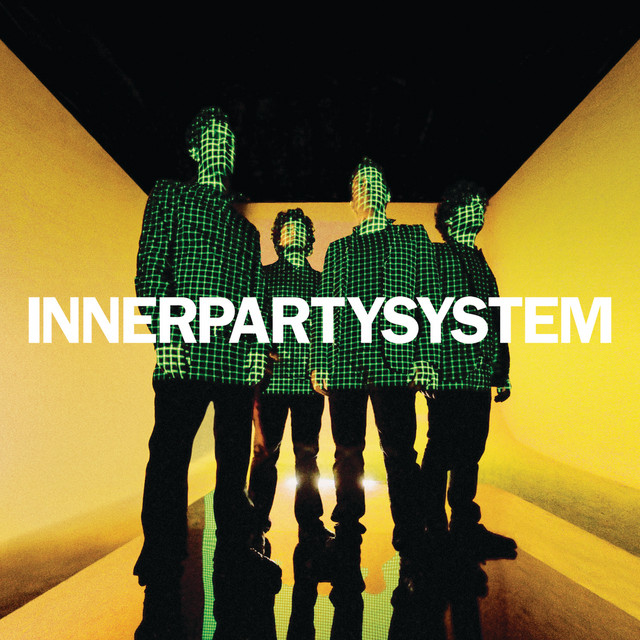
Innerpartysystem
Electropowerpop
Alternative Rock
Electroclash
4
/5
3OH!3
Electropowerpop
Post-Teen Pop
Crunk
3
/5
Breathe Carolina
Electropowerpop
Future House
Slap House
2
/5
For The Foxes
Electropowerpop
Alternative Rock
Rock
4
/5
Escape the Fate
Emocore
Emo
Pixie
3
/5
Waterparks
Pixie
Digital Horror
Speedrun
Download our mobile app
Get the Melodigging app and start digging for new genres on the go
Download on the App Store
Get it on Google Play
© 2026 Melodigging
Give feedback
Legal
Melodding was created as a tribute to
Every Noise at Once
, which inspired us to help curious minds keep digging into music's ever-evolving genres.