Genres
Artists
Albums
Make Music
Sign in
Sign in
Artists
Funk Brasileiro
Artists
Funk Brasileiro
Mc Carol
2016–2021
·
2 albums
Listen
3
/5
Genres
Funk Viral
Funk viral is a contemporary, platform-native strain of Brazilian funk designed to explode on social media feeds and short‑video apps. It emphasizes instantly catchy hooks, hard‑hitting drums, sped‑up edits, and micro‑arrangements tailored to 15–30 second danceable segments. Sonically it lives close to the 150 BPM "mandelão/rave" end of funk, with booming 808 subs, clipped claps, sharp tom fills, risers, vox chops, and meme‑ready catchphrases. Producers frequently tag tracks as MTG (montagem), signaling mash‑up/remix techniques and quick cut transitions, or lean on automotivo aesthetics for extra sub and car‑sound‑system impact. Culturally it sits at the intersection of baile funk’s street party tradition and the algorithmic dynamics of TikTok/Reels, where choreography challenges, sped‑up versions, and DJ IDs travel fast. The result is a highly portable, hook‑first dance music that cycles rapidly through trends while remaining rooted in Brazilian funk’s grooves and vocal delivery.
Discover
Listen
Rave Funk
Rave funk is a contemporary Brazilian club style that fuses the raw percussion, call‑and‑response vocals, and gritty bass of funk carioca with the supersaws, hoover stabs, white‑noise risers, and big‑room drops of EDM and rave. Typically sitting between 140–150 BPM (often at the Brazilian "150 BPM" pace), it uses the tamborzão or mandelão drum feel under festival‑scale synth builds and DJ‑friendly drops. The result is a high‑impact, dance‑floor sound that keeps the street energy of funk while adopting the dramatic structures of modern rave.
Discover
Listen
Brega Funk
Brega funk is a contemporary dance genre from Northeastern Brazil that fuses the melodic sentimentality of local brega with the percussive drive of Rio’s funk scene. Its beats are defined by a lurching, "wonky" kick pattern, crisp metallic snares that are often pitched, and chopped vocal one‑shots. Rooted in the technobrega sound system culture of the North (notably Pará), producers favor glossy, syncopated MIDI pianos and bright synth stabs, creating a slick, high‑contrast mix made for street parties, clubs, and viral choreography. The result feels simultaneously romantic and hard‑hitting: sweet hooks on top, rugged rhythm underneath.
Discover
Listen
Funk 150 Bpm
Funk 150 BPM is a high‑tempo offshoot of Brazilian funk (funk carioca) that standardizes the groove around 150 beats per minute. It speeds up the classic tamborzão rhythm, emphasizing pounding sub‑kicks, snappy claps/snares, tom fills, sirens, and shouty vocal tags designed for baile (street party) energy. Arrangements are usually minimal and loop‑driven, centering on call‑and‑response MC lines, short hooks, and montage-style edits, with drops that arrive quickly and repeat often. The result is an intense, dance-forward sound that retains the raw grit of Rio’s funk while pushing the adrenaline and club-readiness to the foreground.
Discover
Listen
Pop Lgbtq+ Brasileira
Pop lgbtq+ brasileira is contemporary Brazilian pop created by openly LGBTQIA+ artists and rooted in the country’s club culture, internet-native scenes, and mainstream pop industry. Sonically, it blends glossy electropop and dance-pop with distinctly Brazilian rhythms and textures—most notably funk carioca’s tamborzão, brega/tecno-brega melodrama, axé’s carnival exuberance, and MPB’s lyrical sensibility. Productions often pull from reggaeton, house, trap-funk, and ballroom-vogue percussion, yielding high-energy tracks designed for both radio and dance floors. The genre is as much about voice and visibility as it is about hooks: lyrics commonly foreground queer love, pride, self-fashioning, resilience, and nightlife. Vocals range from diva belting to rap/sung hybrids, with campy, theatrical performance aesthetics that translate strongly to video and stage. The scene’s rise is tightly linked to streaming-era dynamics, YouTube/Instagram/TikTok virality, and collaborations with DJs and funk producers.
Discover
Listen
Funk Mandelão
Funk mandelão is a minimalist, hard‑hitting branch of Brazilian funk that crystallized in São Paulo’s street party (fluxo) scene. It emphasizes a stripped, percussive groove with booming sub‑bass, clipped toms and rims, and shouted call‑and‑response vocals that command the dancefloor. Compared with Rio’s tamborzão-driven funk carioca, mandelão tends to sit a bit slower and heavier, favoring hypnotic repetition, stark spaces, and gritty saturation (“estouro”) that translates well on massive, bass-heavy sound systems. Producers often recycle short vocal chops and neighborhood shoutouts, building tension through micro-variations in drums, drops, and crowd‑engaging breaks.
Discover
Listen
Rap Feminino Nacional
Rap feminino nacional is the Brazilian movement of women MCs who rap primarily in Portuguese, centering female perspectives, Black identity, and everyday life in Brazil. It spans classic boom‑bap and modern trap aesthetics while freely borrowing from baile funk, samba, MPB, and contemporary R&B. The sound is marked by confident flows, pointed social commentary, and hook‑forward choruses that often blur rapped and sung delivery. Production ranges from raw, sample‑driven beats to glossy, club‑ready tracks, with frequent use of Afro‑Brazilian percussion, 808 bass, and syncopated, danceable rhythms.
Discover
Listen
Funk De Bh
Funk de BH (Belo Horizonte) is a regional strain of Brazilian funk that crystallized in Minas Gerais’ capital during the 2010s. It takes the party-ready DNA of funk brasileiro and pares it down to a darker, more hypnotic, bass‑led minimalism. Compared with Rio’s tamborzão-driven euphoria or São Paulo’s ostentação flash, Funk de BH emphasizes sub‑heavy 808s, sparse percussion, and chant‑like vocals that feel intimate and street‑level. The result is a moody, rolling groove aimed equally at neighborhood bailes and car‑sound (“som de carro”) culture, with lyrics that swing between hedonistic party themes, everyday hustle, and local pride.
Discover
Listen
Funk Evangelico
Funk evangélico is a Brazilian Christian take on funk carioca that keeps the style’s hard-hitting, dance‑floor energy while replacing secular or explicit themes with evangelical Christian messages. Built on the classic tamborzão beat, booming sub‑bass, and call‑and‑response hooks, it uses the language of the baile to preach testimony, “vitória,” and spiritual warfare. The result is music that feels at once street‑level and devotional—meant for dancing, collective chanting, and faith‑based outreach in the same neighborhoods where funk originally flourished.
Discover
Listen
Neoperreo
Neoperreo is a 2010s, internet-native reboot of reggaeton’s perreo culture, spearheaded by a DIY, club-oriented scene that embraces queer, feminist, and body-positive values. It keeps the genre’s dembow backbone while pushing sound design into heavier 808s, crisp digital percussion, and glossy autotuned vocals. Aesthetically, it borrows from global/experimental club currents, moombahton’s mid-tempo thump, and hyperpop’s online sensibility, yielding tracks that are minimal yet hard-hitting, hooky but adventurous. Neoperreo thrives in parties, YouTube/SoundCloud ecosystems, and pop-up scenes across Latin America, Spain, and the diaspora—designed first and foremost for the dancefloor and for perreo.
Discover
Listen
Nova Musica Carioca
Nova Música Carioca (literally “new Carioca music”) is a 2010s wave from Rio de Janeiro that refreshes MPB and bossa/samba songcraft with indie-pop attitude, jazz-informed harmony, experimental textures, and 21st‑century production. Songwriters favor intimate vocals and narrative, often reflecting Rio’s coastal/urban imagery, social nuances, and everyday poetry. Arrangements mix nylon‑string guitars and percussion with synths, drum machines, tape/lo‑fi color, and studio-as-instrument techniques. Rhythms can pivot from a relaxed samba swing to funk‑carioca pulse or soft-rock grooves, while harmony stays lush—extended chords, chromatic color, and surprising modulations—anchoring the style in the MPB lineage even when it gets arty or electronic.
Discover
Listen
Ritmada
Ritmada is a contemporary Brazilian dance-music style built around short, repetitive, resonant rhythmic loops. It favors immersive, highly danceable grooves that draw on Afro‑Brazilian percussion and timbres, but presents them with a cleaner, more radio-friendly production aesthetic. Compared to rougher street-oriented bass styles, ritmada typically places greater emphasis on sung or rapped lyrics and hook structure, while keeping the beat hypnotic and driving.
Discover
Listen
Funk Proibidão
Funk proibidão (literally “highly forbidden”) is a raw, aggressive subgenre of funk carioca that emerged in the favelas of Rio de Janeiro in the early 1990s. It is closely tied to local gang dynamics: MCs often deliver gritty narratives or explicit shout‑outs to drug factions, while DJs power baile funk parties deep inside the communities. Musically, proibidão sits on the classic tamborzão/Miami‑bass‑derived funk carioca beat—heavy sub‑bass, clipped drum-machine hits, vocal chops, and sample stabs (sirens, gun cocks) that underline its confrontational tone. Vocals are typically shouted or chanted in call‑and‑response style, with lo‑fi, on‑the‑spot production that favors impact over polish. Because lyrics can openly praise or reference specific criminal organizations and territorial disputes, proibidão is often subject to broadcast restrictions and law enforcement pressure—hence the name.
Discover
Listen
Funk Brasileiro
Funk brasileiro (also known internationally as baile funk) is an urban dance music from Brazil that grew out of Rio de Janeiro’s favela party culture. It took the skeletal templates of Miami bass and electro, then reimagined them with Portuguese lyrics, crowd‑shouting hooks, and Afro‑Brazilian rhythmic ideas. The sound is defined by booming 808 sub‑bass, punchy drum programming, and chant‑like vocals designed for participation on the dance floor. While early tracks typically sat around 130–140 BPM with the iconic tamborzão groove, later waves popularized 150 BPM energy and an even more percussive, hard‑hitting feel. Lyrically it ranges from party anthems and romantic “melody” cuts to street reportage and social commentary. Over time it branched into many substyles—proibidão, ostentação, 150 BPM/mandelão, automotivo, and pop‑crossover hybrids—while influencing global pop, rap, and club music.
Discover
Listen
Funk Carioca
Funk carioca, also known as baile funk, is a high-energy dance music born in the favelas of Rio de Janeiro. It blends the booming 808 sub-bass and drum-machine punch of Miami bass and electro with Brazilian street party culture, Portuguese slang, and call-and-response vocals. At its core is the tamborzão rhythm, a syncopated, percussive groove that drives simple, looping beats and chant-like hooks. Lyrics range from playful and explicitly sexual (putaria) to socially conscious narratives and favela pride, and performances are designed for massive neighborhood bailes (street parties). Over time the style has branched into many variants—from melodic radio-friendly hits to darker proibidão—and has influenced global club music while remaining a defining sound of contemporary urban Brazil.
Discover
Listen
Funk Pop
Funk pop blends the syncopated grooves, bass-forward feel, and rhythmic guitar of funk with the concise song forms, hooks, and radio-friendly sheen of pop. It emphasizes danceable rhythms, earworm choruses, and glossy production that foregrounds both rhythm and melody. Iconic sonic traits include punchy bass lines (often with slap or percussive articulation), tight drum pockets with 16th‑note hi-hats, choppy clean guitar “chanks,” bright synths or electric pianos, and occasional horn stabs. Vocals lean toward charismatic, soulful leads with stacked harmonies and call-and-response hooks.
Discover
Listen
Brazilian Pop
Brazilian pop is the mainstream-oriented spectrum of popular music made in Brazil, merging local rhythmic DNA (samba, bossa nova, MPB, axé, forró, sertanejo) with international pop, rock, R&B, and electronic production. Across eras, it has balanced melodic immediacy and radio-friendly structures with the harmonic richness and syncopation characteristic of Brazilian traditions. In the 2010s–2020s, Brazilian pop increasingly incorporates baile funk grooves, trap/R&B textures, and polished EDM elements, while retaining Portuguese lyrics, regional slang, and themes tied to Brazilian daily life, romance, and celebration.
Discover
Listen
Show all 17 genres
Albums
2021
1
/5
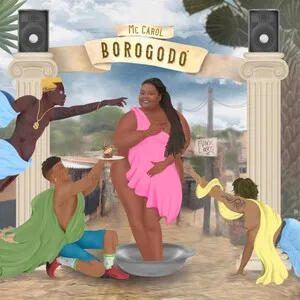
Borogodó
MC Carol
Funk Proibidão
Funk Carioca
Funk Brasileiro
2016
1
/5
Bandida
MC Carol
Funk Proibidão
Funk Carioca
Similar artists
2
/5
MC Tchelinho
Funk Brasileiro
Brazilian Pop
Brega Funk
4
/5
PEDRO SAMPAIO
Brazilian Pop
Brega Funk
Funk Pop
3
/5
POCAH
Funk Carioca
Brazilian Pop
Brazilian Trap
3
/5
Lexa
Funk 150 Bpm
Brazilian Pop
Brazilian Trap
3
/5
Rebecca
Funk 150 Bpm
Brazilian Pop
Brazilian Trap
3
/5
Heavy Baile
Funk Brasileiro
Funk Carioca
Brega Funk
3
/5
MC's Jhowzinho & Kadinho
Brega Funk
Funk Brasileiro
Funk Ostentação
5
/5
Anitta
Funk Pop
Brazilian Pop
Pop
5
/5
MC Meno K
Brega Funk
Funk Carioca
Funk Viral
4
/5
LUDMILLA
Funk Pop
Brazilian Pop
Pagode
Download our mobile app
Get the Melodigging app and start digging for new genres on the go
Download on the App Store
Get it on Google Play
© 2026 Melodigging
Give feedback
Legal
Melodding was created as a tribute to
Every Noise at Once
, which inspired us to help curious minds keep digging into music's ever-evolving genres.