Genres
Artists
Albums
Make Music
Sign in
Sign in
Artists
Japanese Indie
Artists
Japanese Indie
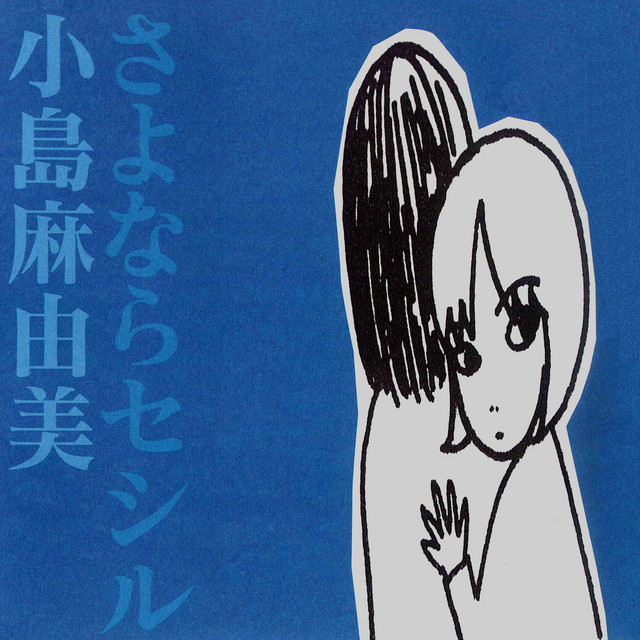
Mayumi Kojima
Listen
2
/5
Genres
Shibuya-Kei
Shibuya-kei is a Japanese pop micro‑genre that emerged from Tokyo’s Shibuya district in the early–mid 1990s. It blends 1960s French yé‑yé, bossa nova, lounge/easy listening, baroque pop, jazz, sunshine pop, and slick city‑pop with contemporary sampling and electronic production. The style is cosmopolitan and retro‑futurist: it celebrates crate‑digging, witty pastiche, and graphic design/fashion as much as music. Songs often feature breezy melodies, airy or whispery vocals in Japanese, English, or French, and richly orchestrated arrangements that feel both nostalgic and playful.
Discover
Listen
Japanese Indie
Japanese indie refers to Japan’s independent rock and pop scenes that developed outside the major-label idol system. It blends DIY production and small-label distribution with a wide palette of sounds, from jangly guitar pop and post‑punk angularity to dreamy shoegaze and lo‑fi recordings. The scene is anchored by “live houses” (small venues) around Tokyo (Shimokitazawa, Koenji, Shinjuku), Osaka, Kyoto, and Fukuoka. Artists often sing in Japanese (sometimes mixing English), with introspective, everyday-life lyrics and arrangements that prize dynamics, texture, and melody over flashy virtuosity. Aesthetically, Japanese indie inherits Western indie rock’s DIY ethos while retaining local melodic sensibilities shaped by kayōkyoku and city pop. Production ranges from 4‑track cassette grit to clean, minimal studio mixes, but the emphasis remains on authenticity, atmosphere, and the energy of the live circuit.
Discover
Listen
Singer-Songwriter
Singer-songwriter is a song-focused style in which the same person writes, composes, and performs their own material, often accompanying themselves on acoustic guitar or piano. It emphasizes personal voice, lyrical intimacy, and storytelling over elaborate production. Arrangements are typically sparse, allowing the melody, words, and performance nuance to carry the song’s emotional weight. While rooted in folk and blues traditions, singer-songwriter embraces pop and rock songcraft, producing works that can range from quiet confessional ballads to subtly orchestrated, radio-ready pieces.
Discover
Listen
Jazz Pop
Jazz pop blends the melodic immediacy and song structures of pop with the harmonic richness, phrasing, and instrumentation of jazz. Typical arrangements feature piano or guitar-led rhythm sections, upright or electric bass, light drum kits (often with brushes), and tasteful horns or strings. Harmonically it favors extended chords (maj7, 9ths, 13ths), ii–V–I cadences, and sophisticated substitutions, while rhythms range from gentle swing and bossa nova to straight pop backbeats. Vocals usually emphasize warm timbres, nuanced crooning, and elastic, behind-the-beat phrasing. The result is urbane, approachable music that keeps pop’s hooks and forms while carrying jazz’s color and elegance, making it a perennial crossover sound for radio, lounges, and contemporary singer‑songwriters.
Discover
Listen
Similar artists
4
/5
Ichiko Aoba
Shibuya-Kei
Singer-Songwriter
Chamber Folk
4
/5
Lamp
Shibuya-Kei
City Pop
Jazz Pop
3
/5
Minuano
Indie Shoegaze
Japanese Indie
Shib
3
/5
Hakushi Hasegawa
J-Indie
Glitch Pop
J-Pop
3
/5
Blu-Swing
City Pop
J-R&b
Japanese Indie
3
/5
Cymbals
Shibuya-Kei
Rock
Japanese Indie
3
/5
Satoko Shibata
Japanese Indie
Modern Indie Pop
Shibuya-Kei
2
/5
paris match
Jazz Pop
Acid Jazz
City Pop
2
/5
Akiko Yano
Art Pop
J-Pop
Pop
2
/5
Keiichi Sokabe
Japanese Indie
Shibuya-Kei
Singer-Songwriter
Download our mobile app
Get the Melodigging app and start digging for new genres on the go
Download on the App Store
Get it on Google Play
© 2026 Melodigging
Give feedback
Legal
Melodding was created as a tribute to
Every Noise at Once
, which inspired us to help curious minds keep digging into music's ever-evolving genres.