Genres
Artists
Albums
Make Music
Sign in
Sign in
Artists
Finnish Pop
Artists
Finnish Pop
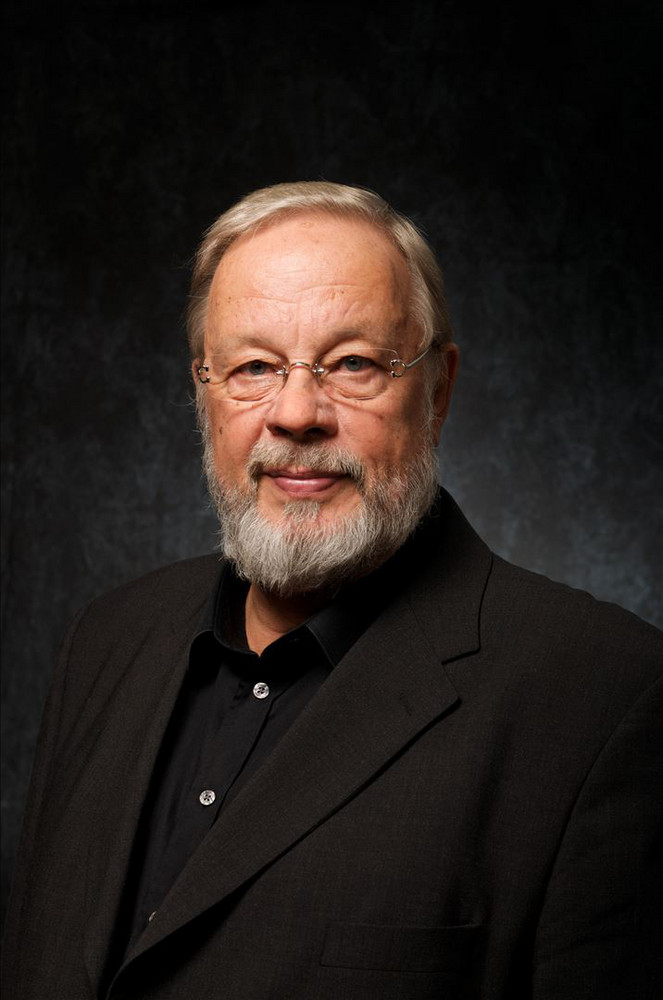
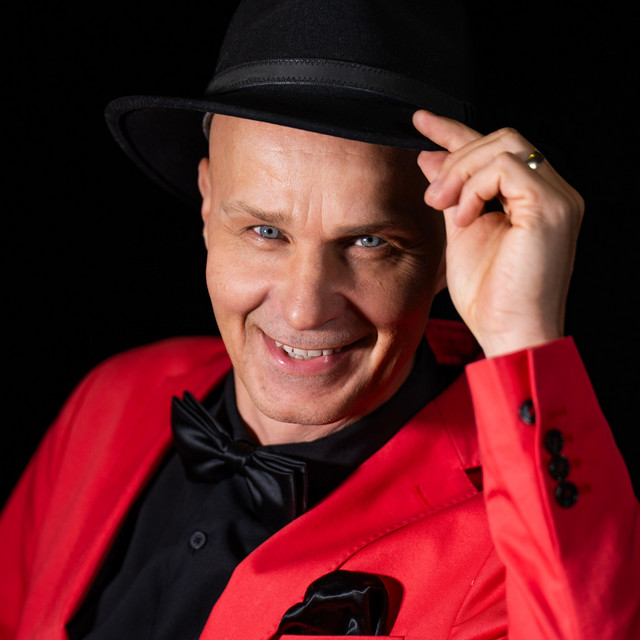
Matti Salminen
2001–2003
·
2 albums
Listen
2
/5
Genres
Finnish Pop
Finnish pop (often called Suomipop) is mainstream popular music created by Finnish artists, typically sung in Finnish and tailored to local sensibilities and radio formats. It blends international pop songcraft—catchy hooks, verse–pre‑chorus–chorus structures, and polished production—with the melodicism and direct emotional delivery inherited from iskelmä (Finnish schlager). Since the 1980s, synthesizers and drum machines have been common, while the 1990s–2000s brought dance‑pop and eurodance colors; the 2010s–2020s era embraces contemporary electropop, R&B inflections, and streaming‑friendly arrangements. Lyrically, Finnish pop often focuses on love, everyday life, and bittersweet introspection, balancing upbeat, anthemic choruses with a distinctly Nordic, sometimes melancholic tone.
Discover
Listen
Iskelmä
Iskelmä is the Finnish counterpart to continental European schlager: a melody-forward, lyrically clear style of popular song designed for easy listening and social dancing. It blends local dance idioms such as Finnish tango, humppa, and waltz with international traditional pop and chanson, resulting in polished, hook-rich songs with sentimental or romantic themes. Across decades, iskelmä has served as a broad umbrella for Finnish mainstream pop singing, spanning orchestral arrangements, guitar-led ensembles, and, later, synth-enhanced productions—while retaining its emphasis on singable melodies and accessible emotions.
Discover
Listen
Finnish Tango
Finnish tango is a distinctly Nordic interpretation of tango that favors minor keys, measured tempos, and a restrained, melancholic delivery. Rather than the flamboyance of Argentine tango, it emphasizes stoic vocal performances, lyrical sentiment, and a cool, almost nocturnal atmosphere. Arrangements typically spotlight accordion (often taking the role of the bandoneon), violin, piano, and guitar, supported by upright bass and subtle percussion. The songs often dwell on themes of longing, nature, darkness, and distance—mirroring the Finnish concept of "kaiho" (yearning). It thrives in Finland’s dance pavilion tradition (lavatanssit) and remains culturally central through events like the Seinäjoki Tangomarkkinat.
Discover
Listen
Score
Score refers to original music composed to synchronize with and shape the narrative of visual media—primarily film, television, and, later, video games. Unlike a “soundtrack,” which often compiles pre-existing songs, a score is written to picture, uses timing cues to support storytelling beat by beat, and develops recurring themes (leitmotifs) for characters, settings, or ideas. The palette ranges from late‑Romantic orchestration and modernist harmony to jazz idioms, electronic sound design, and global instrumentation. Hallmarks include thematic development, hit points, motif variation, orchestration color, and a close relationship with sound effects and dialogue in the final mix.
Discover
Listen
Sinfonia Concertante
Sinfonia concertante is a Classical-era hybrid that blends the symphony’s multi-movement, orchestral scale with the concerto’s virtuosic spotlighting of soloists—typically two to four players. It favors elegant, balanced phrasing, clear textures, and lively dialogue between multiple solo instruments and the orchestra, often in a fast–slow–fast three-movement plan. Popularized in Paris and associated with the galant style, it became a showcase for wind instruments as well as string pairings (famously violin and viola).
Discover
Listen
Orchestral
Orchestral music refers to compositions written for an orchestra—a large ensemble typically built around a string section (violins, violas, cellos, double basses), complemented by woodwinds, brass, percussion, and often harp, keyboard, or other auxiliary instruments. A conductor coordinates the ensemble, shaping balance, phrasing, and expression. The style emphasizes coloristic timbre combinations, dynamic range from the softest pianissimo to explosive tuttis, and textures that can shift seamlessly between transparent chamber-like writing and monumental masses of sound. Orchestral writing underpins concert genres such as symphonies, overtures, and tone poems, as well as opera, ballet, and modern film and game scores. While orchestral writing evolved across centuries, its core craft centers on melody, counterpoint, harmony, register, and orchestration—the art of assigning musical ideas to instruments to achieve clarity, contrast, and narrative impact.
Discover
Listen
Opera
Opera is a large-scale theatrical genre that combines music, drama, and visual spectacle, in which the story is primarily conveyed through singing accompanied by an orchestra. It unites solo voices, ensembles, and chorus with staging, costumes, and often dance to create a total artwork. Emerging in late Renaissance Italy and flourishing in the Baroque era, opera developed signature forms such as recitative (speech-like singing that advances the plot) and aria (lyrical numbers that explore character and emotion). Over the centuries it evolved diverse national styles—Italian bel canto, French grand opéra, German music drama—while continually experimenting with orchestration, harmony, narrative structure, and stagecraft.
Discover
Listen
Classical
Classical music is the notated art-music tradition of Europe and its global descendants, characterized by durable forms, carefully codified harmony and counterpoint, and a literate score-based practice. The term “classical” can refer broadly to the entire Western art-music lineage from the Medieval era to today, not just the Classical period (c. 1750s–1820s). It privileges long-form structures (such as symphonies, sonatas, concertos, masses, and operas), functional or modal harmony, thematic development, and timbral nuance across ensembles ranging from solo instruments to full orchestras and choirs. Across centuries, the style evolved from chant and modal polyphony to tonal harmony, and later to post-tonal idioms, while maintaining a shared emphasis on written notation, performance practice, and craft.
Discover
Listen
Show all 8 genres
Albums
2003
1
/5
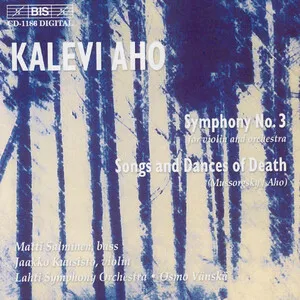
Symphony No. 3; Songs and Dances of Death
Kalevi Aho / Modest Mussorgsky Модест Мусоргский
Sinfonia Concertante
Classical
Orchestral
2001
1
/5
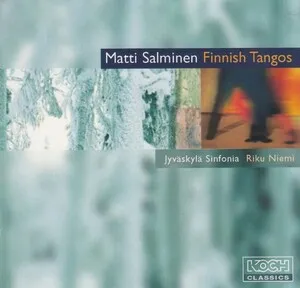
Finnish Tangos
Matti Salminen
Finnish Tango
Similar artists
2
/5
Jari Sillanpää
Finnish Pop
Finnish Rock
Iskelmä
2
/5
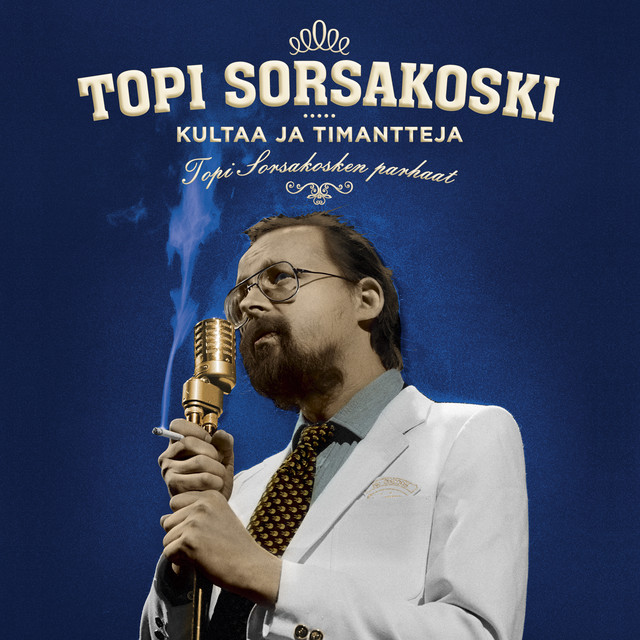
Topi Sorsakoski
Finnish Tango
Finnish Pop
Finnish Rock
2
/5
Reijo Taipale
Finnish Tango
Finnish Pop
Finnish Rock
2
/5
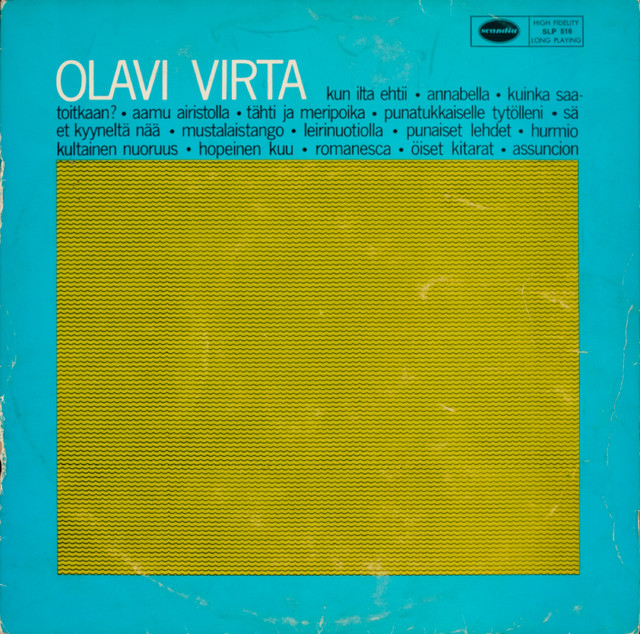
Olavi Virta
Finnish Tango
Finnish Pop
Finnish Rock
2
/5
Yona
Finnish Hip Hop
Finnish Pop
Finnish Rock
2
/5
Lilli Paasikivi
Classical
Finnish Pop
Iskelmä
2
/5
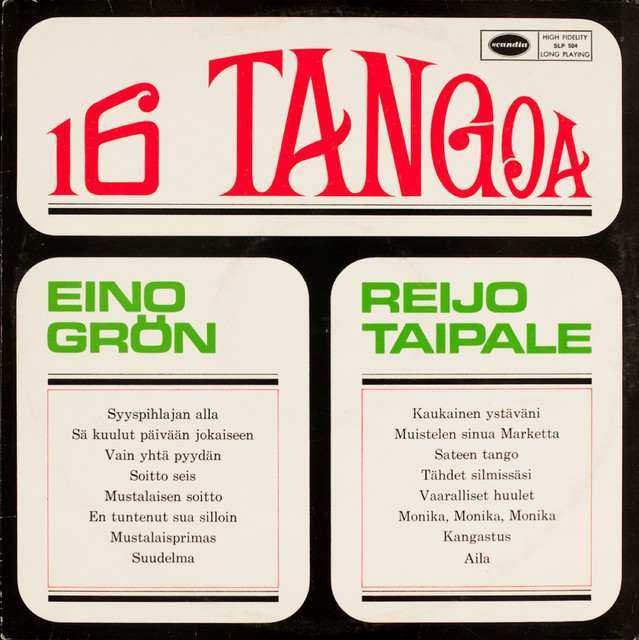
Eino Grön
Finnish Pop
Finnish Tango
Iskelmä
2
/5
Marko Maunuksela
Finnish Tango
Finnish Pop
Iskelmä
2
/5
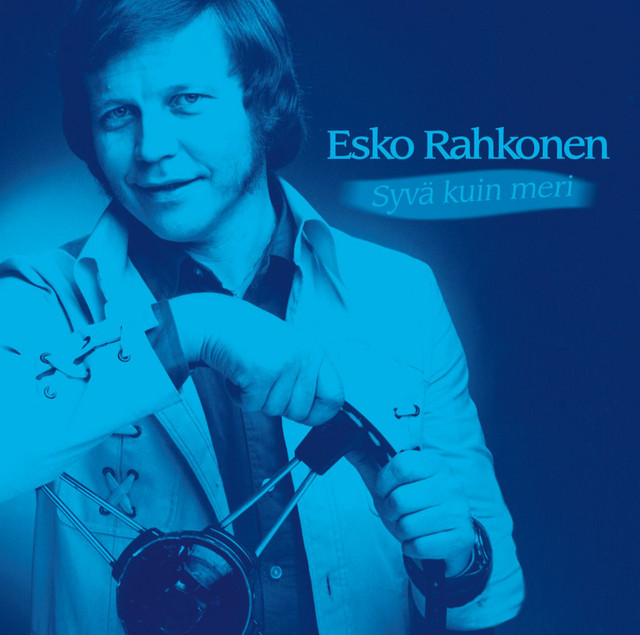
Esko Rahkonen
Finnish Tango
Finnish Pop
Iskelmä
1
/5
Martti Innanen
Finnish Pop
Finnish Rock
Iskelmä
Download our mobile app
Get the Melodigging app and start digging for new genres on the go
Download on the App Store
Get it on Google Play
© 2026 Melodigging
Give feedback
Legal
Melodding was created as a tribute to
Every Noise at Once
, which inspired us to help curious minds keep digging into music's ever-evolving genres.