Genres
Artists
Albums
Make Music
Sign in
Sign in
Artists
Latin Afrobeats
Artists
Latin Afrobeats
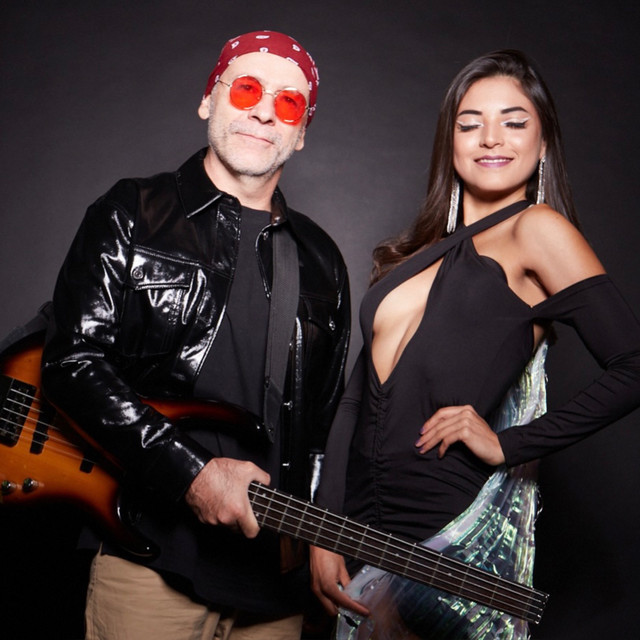
Martina Camargo
2009
·
1 album
Listen
3
/5
Genres
Latin Tech
Latin tech (often labeled Latin Tech on Beatport) is a modern, dance‑floor‑focused offshoot of tech house that foregrounds Latin American rhythmic vocabulary and timbres while keeping the sleek, driving 4/4 engine of tech house. Expect tight, minimal arrangements built around punchy kicks, syncopated percussion (congas, bongos, rimshots, güira), tumbao‑inspired bass motion and short, chant‑like Spanish or Portuguese vocal hooks. Compared with classic Latin house, Latin tech leans on the sound design, loop discipline and DJ‑friendly structure associated with tech house, prioritizing hypnotic grooves over harmonic complexity. Producers and DJs from across Latin America helped consolidate the sound, and in the early‑to‑mid‑2020s Beatport formalized the tag as a dedicated subgenre within Tech House.
Discover
Listen
Techengue
Techengue is a DJ-driven Latin club hybrid that fuses the four-on-the-floor pulse and sound design of tech house with the crowd-pleasing hooks, dembow syncopation, and edits culture of Argentine “cachengue” party music (a catch‑all for reggaeton, cumbia, and mainstream sing‑alongs). Typically sitting around 124–130 BPM, it keeps a steady 4/4 kick, adds reggaeton-style offbeat claps and ghost snares, and sprinkles Latin percussion (congas, timbales, güira) for swing and texture. Vocals are often short, catchy Spanish chants or chopped acapellas from pop, reggaeton, or cumbia, treated with DJ-friendly builds and drops. Rather than an album-based artist scene, techengue grows through bootlegs, mashups, and set-ready edits shared by club DJs, optimized for peak-time energy and seamless mixing.
Discover
Listen
Latin Afrobeats
Latin Afrobeats is a hybrid of West African Afrobeats and Latin urban pop in which Spanish (and sometimes Portuguese) lyrics ride syncopated, polyrhythmic grooves. It marries Afrobeats’ swung shakers, off‑beat hi‑hats, guitar licks, and buoyant bass with dembow and dancehall drum patterns common to reggaeton and Latin pop. The result is a bright, dance‑forward style with catchy toplines, call‑and‑response hooks, and concise song forms tailored to streaming. Production tends to be minimal yet percussive, with Afro‑percussion (shekere, conga/bongo colors), plucked guitars or synth plucks, and warm sub‑bass supporting melodies that often draw on pentatonic or natural minor scales. Themes revolve around romance, partying, and feel‑good celebration, making the music equally at home in clubs and playlists.
Discover
Listen
Tulum
Tulum is a contemporary electronic dance music sound that crystallized around the boutique party scene in Tulum, Mexico, during the 2010s. It blends deep, organic house grooves with downtempo sensibilities, hand-played percussion, and "world"-leaning timbres such as oud, bansuri, handpan, and Latin guitar. The style favors warm, analog textures; modal, minor-key harmonies (often Dorian or Phrygian); long, reverb-washed atmospheres; and subtle, mantra-like vocals or chants. Tempos usually sit between 112–120 BPM, with earthy polyrhythms and shuffling, Afro- and Latin-influenced percussion propelling a hypnotic four-on-the-floor. Aesthetically, the Tulum sound is associated with sunrise/sunset beach settings, bohemian design, and a wellness-forward, festival-adjacent culture. Musically it overlaps with the broader “organic house/downtempo” movement while retaining a distinctly tropical, ritualistic character.
Discover
Listen
Deep Deep Tech House
Deep deep tech house is a particularly stripped‑back, hypnotic strain of tech house that leans heavily into deep house harmony and minimal, dub‑tinged textures. It keeps the 4/4 groove and club functionality of house while favoring restrained arrangements, long tension arcs, and subtle sound‑design over big breakdowns. Typical tempos sit around 120–126 BPM; drums emphasize tight 909‑style hats and crisp, short kicks; basslines are warm, rolling subs that lock with lightly swung percussion; harmonic content tends to be sparse—muted chord stabs, airy pads, and occasional soulful vocal fragments used as texture rather than focal hooks. The overall aim is an immersive “head‑down” flow that rewards long blends and extended sets. The palette and structure trace back to tech house’s fusion of house and techno and to deep house’s smoother harmonies.
Discover
Listen
Big Room House
Big room house is a festival-focused strain of EDM built for massive sound systems and outdoor main stages. It typically runs around 126–132 BPM (most commonly 128), uses four-on-the-floor kick patterns, and features huge, simple lead riffs designed to be instantly memorable to large crowds. A defining trait is the contrast between cinematic, reverb-washed breakdowns and ultra-dry, percussive drops driven by a powerful kick, sub, and a few bold supersaw or horn-like synth stabs. Arrangements lean on dramatic builds with snare rolls, risers, and crowd-hyping vocal chops, culminating in drops that emphasize impact over harmonic complexity.
Discover
Listen
Deep Euro House
Deep Euro House is a European-bred, melodically rich branch of deep house that blends club-ready four‑on‑the‑floor grooves with warm, emotive sound design and pop-aware songcraft. It favors lush pads, silky basslines, soft piano or guitar stabs, and subtly processed vocals, often in minor keys with bittersweet chord changes. Compared with classic Chicago deep house, Deep Euro House leans more cinematic and refined: filtered synth swells, sidechained textures, airy reverbs, and clean, modern low end. Tempos typically sit around 118–124 BPM, with grooves that feel unhurried yet propulsive—equally at home on late-night dancefloors and in headphone listening. The "Euro" aspect reflects not only its geography (Germany, Switzerland, France, the Netherlands, Austria, Belgium) but also a melodic sensibility shaped by European club culture, indie electronica, and Balearic moods: wistful, romantic, and polished without losing house’s foundational swing.
Discover
Listen
Progressive Electro House
Progressive electro house is a festival‑ready hybrid that marries the long, melodic builds and emotive chord progressions of progressive house with the gritty basslines, saw‑lead stabs, and syncopated drops of electro house. Tracks typically run around 126–130 BPM in 4/4, featuring wide supersaw stacks, side‑chained pads, and bright, anthemic toplines that crescendo into aggressive, electro‑flavored drops. The style thrived during the early 2010s EDM boom, with Dutch and Scandinavian producers pushing a sound designed for big‑room and main‑stage impact. Production aesthetics favor layered synth leads (Serum, Sylenth1, Massive), tight festival kicks, off‑beat open hats, sweeping risers, and snare‑roll builds, while arrangements spotlight tension‑and‑release between harmonic, euphoric breakdowns and powerful, synth‑driven drops.
Discover
Listen
Deep Groove House
Deep Groove House is a modern house substyle centered on thick, rolling basslines, swung percussion, and soulful or disco-leaning motifs delivered with contemporary club production. It balances the warmth and musicality of classic and deep house with the punch and arrangement sensibilities of present-day tech-leaning club music. Hallmarks include a steady 4/4 kick (typically 122–126 BPM), syncopated bass grooves that drive the track rather than sit under it, crisp hi-hats with subtle swing, and tasteful use of organ stabs, piano chords, and filtered disco/funk samples. Vocals—when present—tend to be hooky but restrained, often chopped or looped to reinforce the groove rather than dominate it. As a playlist and DJ vernacular label, Deep Groove House crystallized around the 2010s, especially in UK- and EU-facing club culture, online stores, and label ecosystems that favored groove-first, dancefloor-ready house with deep and classic roots.
Discover
Listen
Future House
Future house is a mid‑2010s strain of house music known for rubbery, plucked bass leads, clean and punchy drums, and streamlined, drop‑focused arrangements. It bridges the groove and warmth of deep/UK house with the sheen and impact of big‑room/electro‑house, often featuring metallic or organ‑like bass timbres that “speak” melodically. Typical tracks sit around 124–128 BPM, use tight sidechain compression for a pumping feel, and contrast sparse, atmospheric breakdowns with hooky, syncopated bass drops. Vocals, when present, are concise—often chopped or pitched—and the sound design emphasizes clarity, swing, and a modern, club‑ready polish.
Discover
Listen
Electro Latino
Electro latino (often stylized as electrolatino) is a club-oriented fusion that blends the four-on-the-floor energy of European EDM and electro house with Spanish/Latin pop songwriting and Caribbean rhythmic accents. It typically features bright supersaw or pluck synth leads, sidechained pads, and festival-style drops, combined with Latin percussion (congas, güira, timbales) and chantable Spanish hooks. Lyrical themes favor summer romance, parties, and coastal imagery, mirroring the genre’s warm, feel-good sonic identity. The style crystallized in Spain in the early 2010s and rapidly spread across European and Latin markets through high-rotation radio singles and compilation series, normalizing Spanish-language vocals and Latin rhythms on mainstream EDM platforms.
Discover
Listen
Melodic House
Melodic house is a strain of house music that foregrounds memorable melodies, emotive chord progressions, and lush atmospheres while retaining a steady four-on-the-floor groove. It typically runs at a mid-tempo pace, features warm basslines, gentle percussion, and arpeggiated or plucked leads, and often balances a bittersweet, introspective tone with a quietly uplifting drive. Tracks are arranged with DJ-friendly intros and outros, spacious breakdowns, and tasteful builds, making the style equally suited to late-night dancefloors and attentive listening.
Discover
Listen
Sky Room
Sky room is a streaming-era microgenre of airy, pastel-hued alt‑pop and indie R&B that sits between bedroom pop and chill electronic music. It emphasizes soft, close-miked vocals, spacious reverbs, light trap‑influenced percussion, and gentle synth or clean guitar textures. The overall sound is weightless and daydreamy—designed as much for background listening as for late‑night introspection. Lyrically, sky room leans toward intimate, confessional themes—quiet anxieties, tender romance, and coming‑of‑age self-reflection—conveyed with minimalist phrasing and catchy, understated hooks.
Discover
Listen
Tribal House
Tribal house is a subgenre of house music defined by its heavy, layered percussion, hypnotic drum programming, and sparse, DJ‑friendly arrangements. It foregrounds congas, bongos, djembes, shakers, toms, and hand‑drum patterns over a steady four‑on‑the‑floor kick, often with polyrhythms and rolling fills that create a deep, driving groove. The style tends to be dark, earthy, and club‑centric, favoring tension‑building loops, occasional spoken or chant‑like vocals, and minimal harmonic content. Typical tempos sit around 124–129 BPM, and tracks are arranged as long “drum tools” with extended intros/outros for seamless mixing, making the music a mainstay in late‑night New York and Miami rooms and, later, the Iberican scene.
Discover
Listen
Latin House
Latin house is a dance music style that fuses the four-on-the-floor drive of house with Afro–Latin and Caribbean rhythms, percussion, and song forms. It typically sits around 120–128 BPM and features congas, bongos, timbales, cowbells, güiro, and claves layered over punchy house drums and a syncopated, tumbao-inspired bass. Harmonically, Latin house often borrows from salsa, boogaloo, and Latin jazz: montuno piano riffs, brass stabs, and ii–V–I motion appear alongside soulful or Spanish-language vocals and call-and-response choruses. Its sound coalesced in late-1980s New York, Chicago, and Miami—Latin diaspora hubs where DJs and producers blended garage and Chicago house with salsa and merengue club culture. The result is an uplifting, dancefloor-focused style that balances the sleek repetition of house with the celebratory swing, polyrhythms, and melodic vibrancy of Latin music.
Discover
Listen
Bullerengue
Bullerengue is an Afro‑Colombian traditional song‑and‑dance genre from Colombia’s Caribbean coast (Bolívar, Atlántico, Sucre, Córdoba) and the Darién region of Panama. It emerged in Palenques (maroon communities) and has been preserved largely by women elders (cantadoras), who lead songs accompanied by artisan drums. Performances feature a call‑and‑response structure, heavy rhythmic emphasis, and spontaneous lyrical and melodic improvisation. The core ensemble uses three hand‑drums—alegre (soloist drum), llamador (timekeeper), and tambora (bass drum)—along with handclaps, maracas, and communal chorus. Dancers, often in circular formations, accentuate hip motion and skirt work while dialoguing with the drums and chorus. Several sub‑styles are recognized, including bullerengue sentao (a steadier, grounded feel), bullerengue chalupa (faster and more propulsive), and fandango de lengua (a text‑rich, tongue‑twisting style).
Discover
Listen
Show all 16 genres
Albums
2009
3
/5
Canto, palo y cuero
Martina Camargo
Bullerengue
Similar artists
3
/5
Alé Kumá
Afro House
Latin Afrobeats
Latin House
4
/5
Cumbiafrica
Afro House
Latin Afrobeats
Latin House
3
/5
Tom Enzy
Afro House
Covertronica
Deep Big Room
3
/5
Aaron Sevilla
Afro House
Afro Tech
Gogeo
3
/5
Mijangos
Afro House
Afro Tech
Gogeo
3
/5
Jesús Fernández
Afro House
Afro Tech
Gogeo
3
/5
Nico de Andrea
Afro House
Latin Afrobeats
Latin House
3
/5
Gregor Salto
Latin Afrobeats
Latin House
Tribal House
3
/5
GROSSOMODDO
Tribal House
Afro House
Latin Afrobeats
3
/5
Divolly & Markward
Covertronica
Indian Indie
Latin Afrobeats
Download our mobile app
Get the Melodigging app and start digging for new genres on the go
Download on the App Store
Get it on Google Play
© 2026 Melodigging
Give feedback
Legal
Melodding was created as a tribute to
Every Noise at Once
, which inspired us to help curious minds keep digging into music's ever-evolving genres.