Genres
Artists
Albums
Make Music
Sign in
Sign in
Artists
German Folk Music
Artists
German Folk Music
Martha Schlamme
1954
·
2 albums
Listen
1
/5
Genres
Yiddish Folksong
Yiddish folksong is the vernacular vocal tradition of Ashkenazi Jews, sung in the Yiddish language and rooted in the everyday life of Eastern and Central Europe. It encompasses lullabies, love songs, wedding and dance tunes, work and street songs, humorous couplets, and political or devotional pieces. Musically it blends Jewish modal practice with Slavic and Central European folk idioms. Typical features include minor tonalities, modal scales such as Freygish (Ahava Rabbah/Phrygian dominant) and Misheberakh (often akin to Ukrainian Dorian), flexible rhythms with parlando-rubato phrasing, and expressive ornaments (krekhtsn “sob-like” grace notes and kvetch “bent” tones). While often sung unaccompanied, performances frequently use small ensembles—violin, clarinet, tsimbl (hammered dulcimer), accordion, and later guitar or piano—drawing on the neighboring klezmer dance tradition. The repertoire carries the social memory of the shtetl, urban immigrant life, and the labor movement, and it survived through oral transmission, community songbooks, and later field recordings and stage interpretations.
Discover
Listen
German Folk Music
German folk music (Deutsche Volksmusik) is the traditional music of German-speaking regions, encompassing rural dance tunes, narrative ballads, dialect songs, and communal singing traditions. It is typically performed with acoustic instruments such as diatonic button accordion (Steirische Harmonika), zither, hammered dulcimer (Hackbrett), fiddle, clarinet, guitar, double bass, and, in many regions, brass band instruments. Stylistically, it includes dance forms such as Ländler (3/4), Waltz (3/4), Polka (2/4), Schottische (4/4), Rheinländer (2/4), and the Bavarian Zwiefacher (alternating 3/4 and 2/4). Vocal traditions range from narrative and humorous couplet songs to yodeling (Jodeln) in the Alpine areas and Low German (Plattdeutsch) song in the north. Over time, German folk music evolved along two parallel lines: an "authentic" regional practice centered on social dance and local ensembles (Stubnmusi/Tanzlmusi) and a popularized, media-friendly form (volkstümliche Musik) that intersected with Schlager and television entertainment, while later revivals blended folk with rock, pop, and brass idioms (Neue Volksmusik).
Discover
Listen
Albums
1954
1
/5
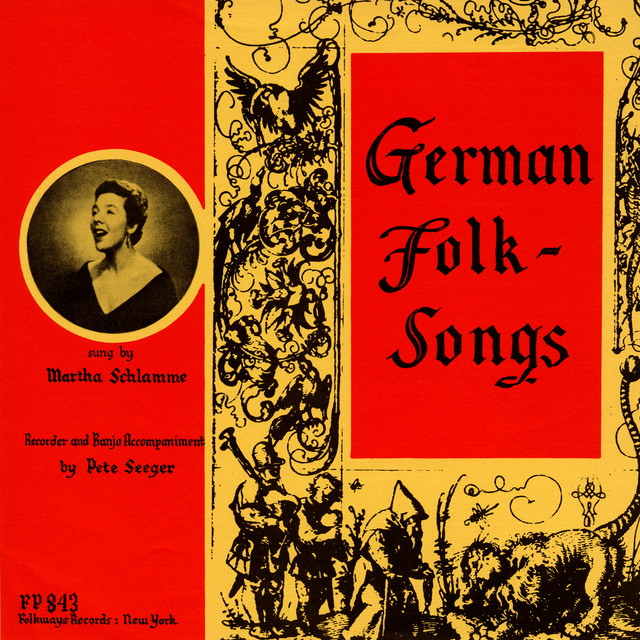
German Folk-Songs
Martha Schlamme
German Folk Music
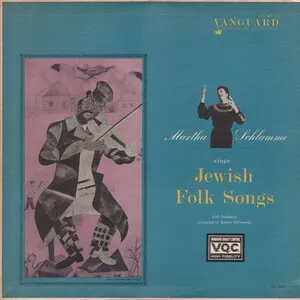
Sings Jewish Folk Songs
Martha Schlamme
Yiddish Folksong
Similar artists
2
/5
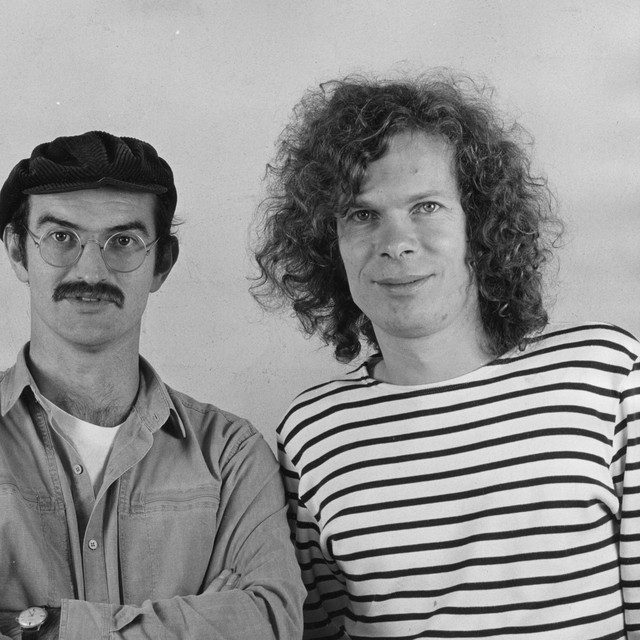
Zupfgeigenhansel
German Folk Music
Folk
Singer-Songwriter
3
/5
Pete Seeger
Old-Time
Folk
Americana
3
/5
Chava Alberstein
Israeli Folk Music
Yiddish Folksong
West Asian Folk Music
3
/5
Hannes Wader
Liedermacher
German Folk Music
Singer-Songwriter
2
/5
Daniel Kahn
Klezmer
Folk Punk
Yiddish Folksong
2
/5
The Klezmatics
Klezmer
Ashkenazi Music
Balkan Brass Band
2
/5
Biermösl Blosn
Neue Volksmusik
Folk
German Folk Music
2
/5
Theodore Bikel
Yiddish Folksong
Israeli Folk Music
Russian Romance
2
/5
Psoy Korolenko
Folk
Klezmer
Russian Chanson
1
/5
Orden der Wandalen
German Folk Music
Download our mobile app
Get the Melodigging app and start digging for new genres on the go
Download on the App Store
Get it on Google Play
© 2026 Melodigging
Give feedback
Legal
Melodding was created as a tribute to
Every Noise at Once
, which inspired us to help curious minds keep digging into music's ever-evolving genres.