Genres
Artists
Albums
Make Music
Sign in
Sign in
Artists
Polka
Artists
Polka
Mario Battaini
1990
·
1 album
Listen
2
/5
Genres
Tango
Tango is a song-and-dance music from the Río de la Plata region, crystallizing in Buenos Aires (Argentina) and Montevideo (Uruguay) in the late 19th century. It is characterized by a melancholic, dramatic tone; richly expressive melodies; and a distinctive rhythmic feel rooted in the habanera and milonga. Core ensembles feature bandoneón, violin(s), piano, double bass, and sometimes guitar, forming the famed orquesta típica. Across the 1920s–1950s it became a worldwide craze, moving from rough immigrant bars to grand salons and radio, developing highly sophisticated arranging and performance practices. Lyrics often employ lunfardo (Buenos Aires slang) and dwell on urban nostalgia, love, betrayal, and the neighborhood (el barrio). Note on terminology: in flamenco, “tangos” is a distinct palo (song form) with a lively 4/4 compás, often in A Phrygian, closely related in feeling to rumba flamenca. Although it shares the name and a spirited character, flamenco tangos is a different tradition from the Río de la Plata tango described above.
Discover
Listen
Fisarmonica
Fisarmonica refers to the rich tradition of Italian accordion music, encompassing both the instrument's virtuoso solo repertoire and its central role in popular dance styles. It is characterized by a blend of technical brilliance and melodic expressiveness, utilizing the piano or chromatic button accordion to perform a wide variety of rhythms including waltzes, polkas, mazurkas, and tangos. The genre bridges the gap between folk roots and sophisticated ballroom compositions, often featuring elaborate ornamentation, bellows shaking techniques, and a distinctive 'bel canto' lyrical quality in the melody.
Discover
Listen
Polka
Polka is a lively Central European couple dance and musical style in a brisk 2/4 meter, characterized by its buoyant “oom‑pah” bass-chord accompaniment and bright, diatonic melodies. Originating in Bohemia (today’s Czech Republic) in the early 19th century, it quickly became a pan-European craze before taking root across immigrant communities in the Americas. Ensembles typically feature accordion or button box/concertina, clarinet or saxophone, trumpets/trombone, tuba or string bass, and drum kit, with regional variants highlighting different lead voices and rhythmic feels. While the classical ballroom tradition codified polka into formal strains (often AABB with a contrasting trio), folk and popular styles favor singable tunes, simple I–IV–V harmonies, and tempos commonly around 115–135 BPM, inviting upbeat social dancing and communal celebration.
Discover
Listen
Albums
1990
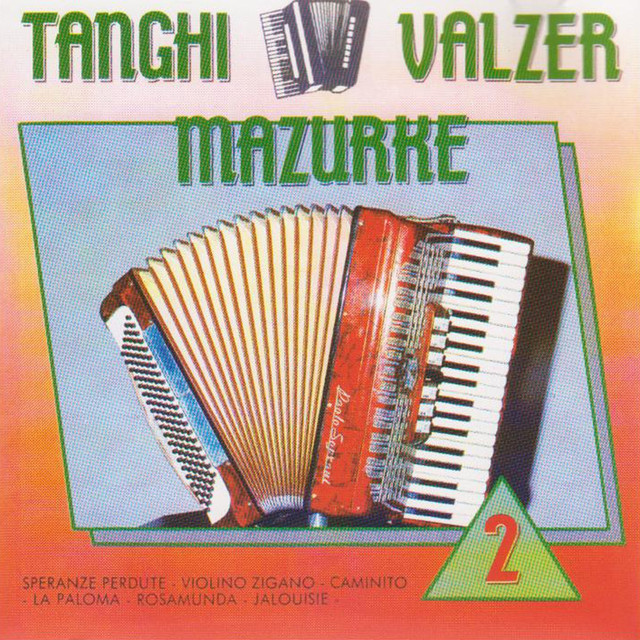
Tanghi valzer mazurche, vol. 2
Mario Battaini
Fisarmonica
Similar artists
2
/5
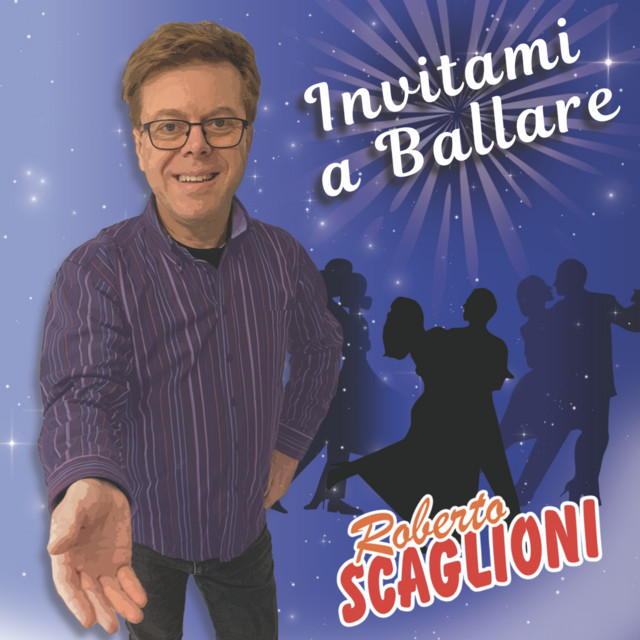
Roberto Scaglioni
Canzone Napoletana
Chachachá
Polka
2
/5
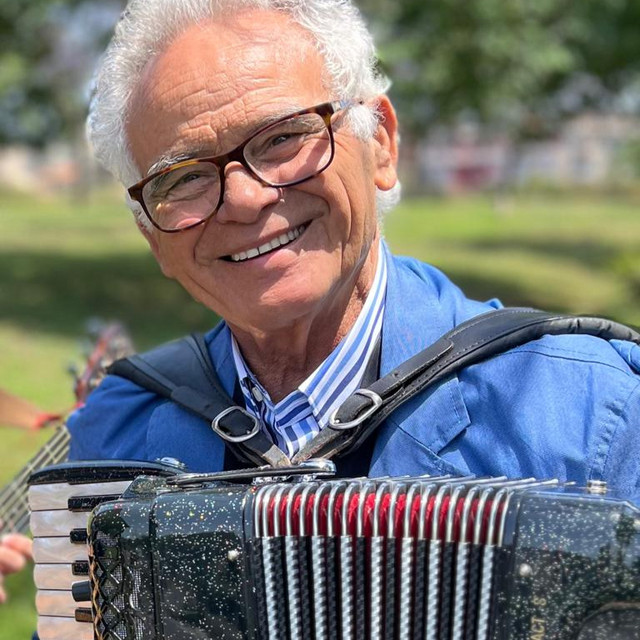
Edmondo Comandini
Canzone Napoletana
Chachachá
Polka
1
/5
Gino Finocchiaro
Canzone Siciliane
Fisarmonica
Polka
3
/5
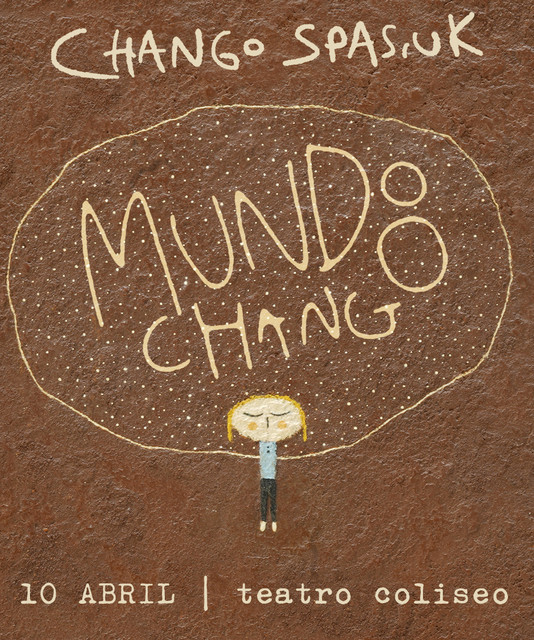
Chango Spasiuk
Chamamé
World
Folklore Argentino
2
/5
Castellina Pasi
Polka
Tango
1
/5
Castellina-Pasi
Polka
Tango
1
/5
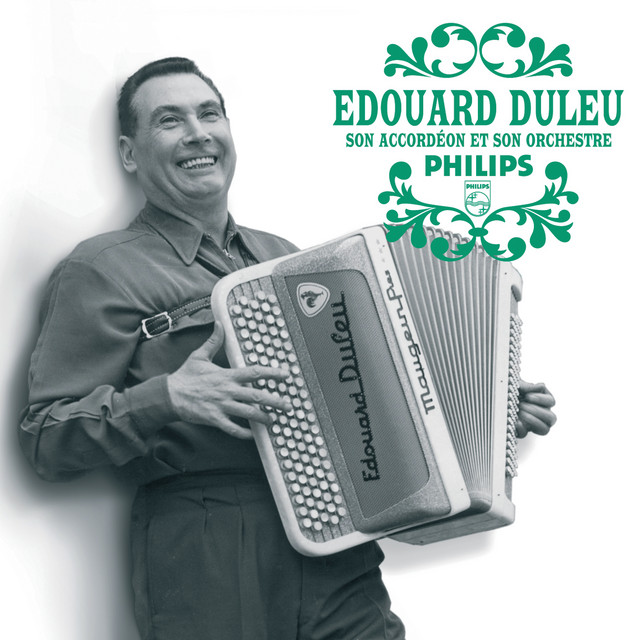
Edouard Duleu
Polka
Tango
1
/5
Pauli Räsänen
Iskelmä
Polka
Tango
1
/5
Veikko Ahvenainen
Harmonikka
Iskelmä
Polka
1
/5
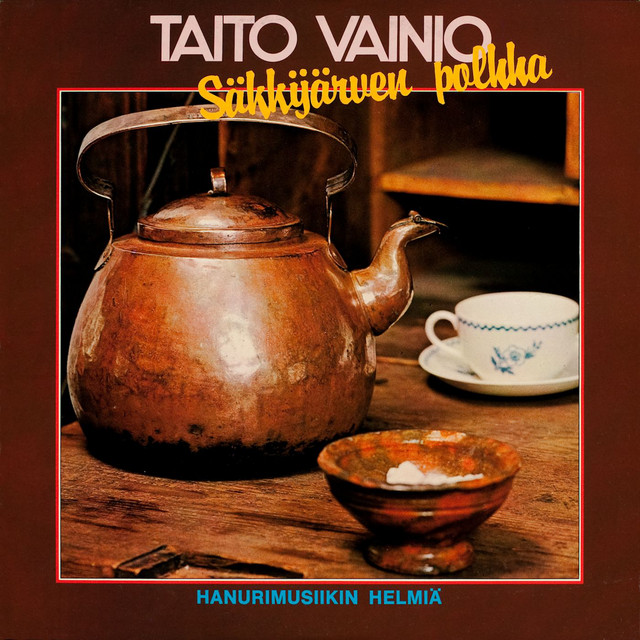
Taito Vainio
Harmonikka
Iskelmä
Polka
Download our mobile app
Get the Melodigging app and start digging for new genres on the go
Download on the App Store
Get it on Google Play
© 2026 Melodigging
Give feedback
Legal
Melodding was created as a tribute to
Every Noise at Once
, which inspired us to help curious minds keep digging into music's ever-evolving genres.