Genres
Artists
Albums
Make Music
Sign in
Sign in
Artists
Mariachi
Artists
Mariachi
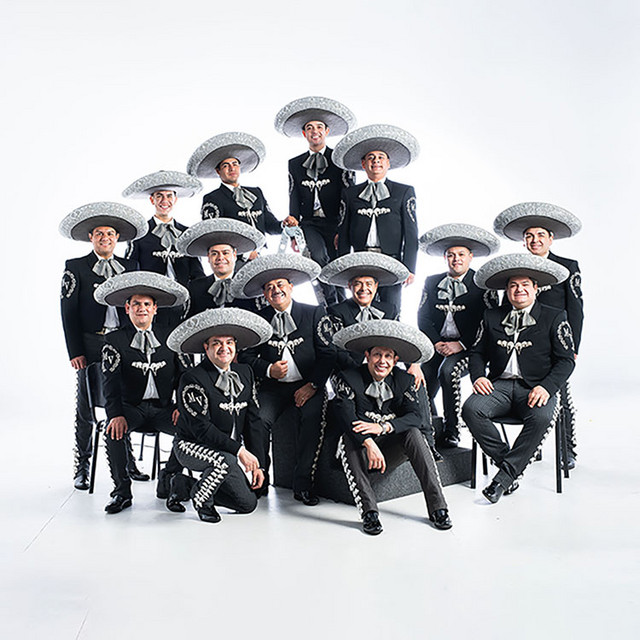
Mariachi Vargas De Tecalitlán
2003
·
1 album
Listen
3
/5
Genres
Meme
Meme is an internet-native umbrella genre for songs and audio clips that are created for, shaped by, or propelled through online meme culture. It blends humor, parody, and fast-turnaround production with infectious hooks designed to spread rapidly across platforms. Stylistically, meme music is eclectic. It can be rap, pop, EDM, rock, or mashup-driven collage; the common thread is comedic framing, referential lyrics, exaggerated vocal processing, and recognizable samples that cue shared online in-jokes. Tracks often favor short runtimes, bold punchlines, and instantly loopable sections optimized for social media. Because it thrives on virality rather than a fixed instrumentation set, meme functions as a meta-genre. It borrows techniques from mashup culture, YTPMV, soundclown, nightcore, and novelty/comedy traditions, while using platform-specific aesthetics from YouTube, SoundCloud, Vine, and TikTok.
Discover
Listen
Latin
Latin (as a genre label) is a broad umbrella used by the recording industry to categorize popular music rooted in Latin America, the Caribbean, and the Iberian world, often characterized by syncopated Afro-diasporic rhythms, dance-forward grooves, and lyrics primarily in Spanish or Portuguese. As a marketplace category that took shape in the mid-20th century United States, it gathers diverse traditions—Afro-Cuban, Brazilian, Mexican, and Caribbean styles—into a shared space. In practice, "Latin" spans everything from big-band mambo and bolero ballads to contemporary pop, rock, hip hop, and dance fusions produced by artists of Latin American heritage.
Discover
Listen
Ranchera
Ranchera (canción ranchera) is a traditional Mexican song genre characterized by passionate, emotive vocals; memorable, singable melodies; and direct, heartfelt lyrics about love, heartbreak, drinking, patriotism, rural life, and personal honor. Although its roots reach back to rural song traditions of the late 18th and early 19th centuries, ranchera consolidated as a national popular style before the Mexican Revolution and was later projected across Latin America through the Golden Age of Mexican cinema. The genre is commonly performed with mariachi (violins, trumpets, vihuela, guitarra, guitarrón), but it can also appear with norteño, banda, or solo voice-and-guitar arrangements. Musically, rancheras often use simple strophic or verse–chorus forms, tonal harmonies (I–IV–V with occasional secondary dominants or modulations), and meters in 3/4 (vals ranchero) or 2/4 and 4/4 (ranchera alegre or ranchera lenta). Vocal delivery features expressive rubato, dramatic dynamic arcs, and the iconic grito (a shouted cry) between phrases.
Discover
Listen
Mariachi
Mariachi is a traditional Mexican ensemble and performance practice that crystallized in western Mexico (especially Jalisco, Colima, Nayarit, and Michoacán) and later became a national and international emblem of Mexican music. Modern mariachi bands typically feature multiple violins, two trumpets, and a rhythm section anchored by the high‑pitched, five‑string vihuela and the deep, fretless guitarrón, often alongside a standard guitar and, in some historic or regional variants, the Mexican harp. The sound balances bright, projecting trumpets and soaring violins over rich strummed textures and a powerful, melodic bass line. Repertoire spans regional sones (including son jalisciense), huapangos, rancheras, corridos, boleros, waltzes, and polkas. Vocal delivery is central: most players sing in stacked harmonies, trade lead verses, and punctuate performances with expressive gritos (exclamations). Costuming (charro suits) and stylized stagecraft are integral to the genre’s identity.
Discover
Listen
Pasodoble
Pasodoble is a fast, duple‑meter (2/4) march‑like music and its corresponding two‑step couple dance. It originated as a double‑time military march and later became a distinct Spanish popular genre. Typically performed by brass and wind bands with crisp snare drum patterns, pasodobles move at about 120–132 beats per minute (historically aligning with 120 infantry steps per minute). Over the 19th and early 20th centuries it separated from purely military use and became strongly associated with bullfighting, where it accompanies ceremonial entries and dramatic moments in the ring. Musically, pasodobles favor clear, fanfare‑like melodies, major keys with Iberian modal color (occasional Phrygian cadences), dotted rhythms, and sharply accented downbeats. In dance and festival contexts, phrases are structured to cue dramatic poses and crowd responses.
Discover
Listen
Albums
2003
2
/5
Pasodobles con el mejor mariachi del mundo
Mariachi Vargas de Tecalitlán
Pasodoble
Similar artists
5
/5
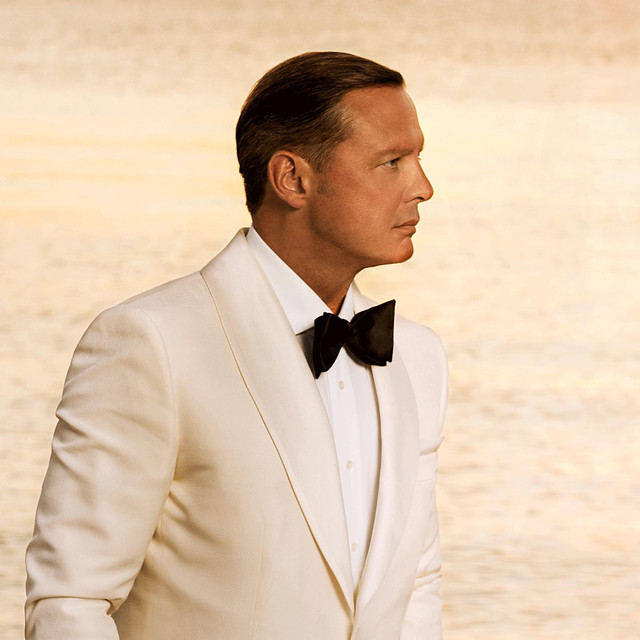
Luis Miguel
Bolero
Latin Pop
Mariachi
5
/5
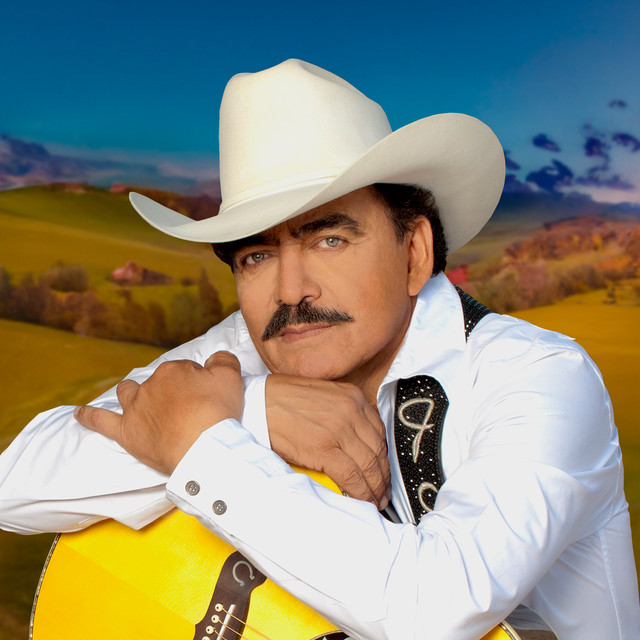
Joan Sebastian
Grupera
Mariachi
Ranchera
5
/5
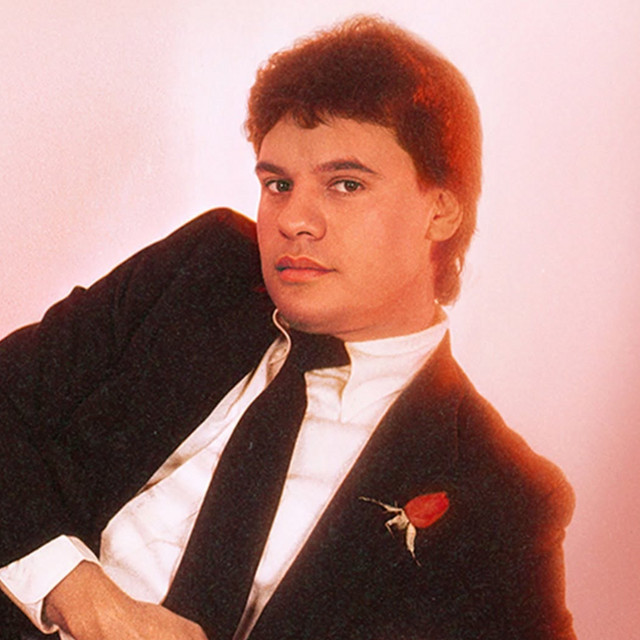
Juan Gabriel
Bolero
Mariachi
Canción Melódica
5
/5
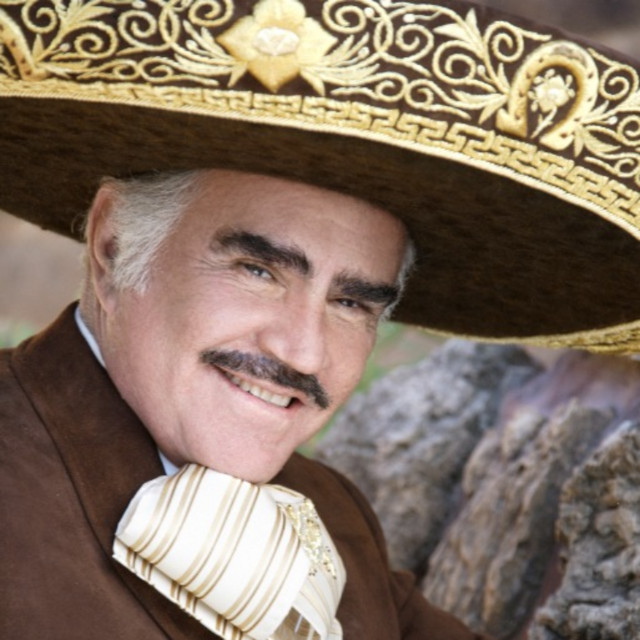
Vicente Fernández
Bolero
Mariachi
Ranchera
5
/5
Marco Antonio Solís
Latin Pop
Mariachi
Cumbia 420
4
/5
Alejandro Fernández
Ranchera
Latin
Mariachi
4
/5
Natalia Lafourcade
Bolero
Latin Folk
Latin
4
/5
Ana Gabriel
Ranchera
Mariachi
Reparto
4
/5
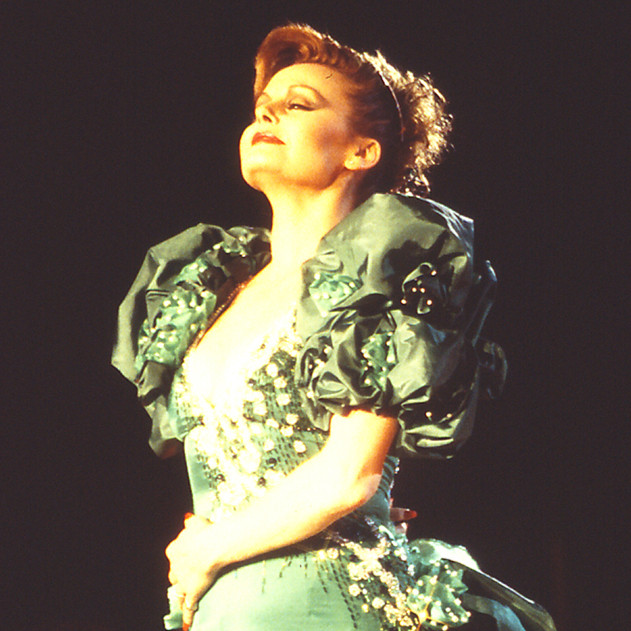
Rocío Dúrcal
Canción Melódica
Mariachi
Bolero
4
/5
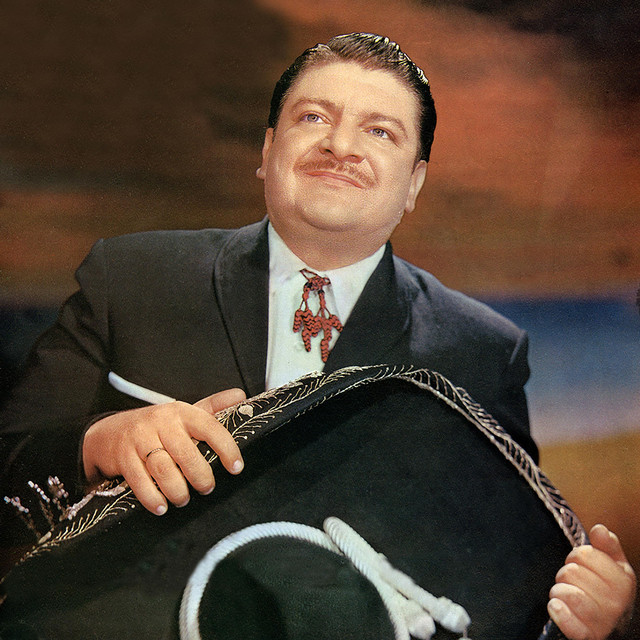
José Alfredo Jimenez
Mariachi
Ranchera
Bolero
Download our mobile app
Get the Melodigging app and start digging for new genres on the go
Download on the App Store
Get it on Google Play
© 2026 Melodigging
Give feedback
Legal
Melodding was created as a tribute to
Every Noise at Once
, which inspired us to help curious minds keep digging into music's ever-evolving genres.