Genres
Artists
Albums
Make Music
Sign in
Sign in
Artists
Bullerengue
Artists
Bullerengue
Maria Mulata
2006–2023
·
8 albums
Listen
2
/5
Genres
Tulum
Tulum is a contemporary electronic dance music sound that crystallized around the boutique party scene in Tulum, Mexico, during the 2010s. It blends deep, organic house grooves with downtempo sensibilities, hand-played percussion, and "world"-leaning timbres such as oud, bansuri, handpan, and Latin guitar. The style favors warm, analog textures; modal, minor-key harmonies (often Dorian or Phrygian); long, reverb-washed atmospheres; and subtle, mantra-like vocals or chants. Tempos usually sit between 112–120 BPM, with earthy polyrhythms and shuffling, Afro- and Latin-influenced percussion propelling a hypnotic four-on-the-floor. Aesthetically, the Tulum sound is associated with sunrise/sunset beach settings, bohemian design, and a wellness-forward, festival-adjacent culture. Musically it overlaps with the broader “organic house/downtempo” movement while retaining a distinctly tropical, ritualistic character.
Discover
Listen
Electro Bailando
Electro bailando is a Spanish‑language, club‑ready dance‑pop microgenre that blends big‑room/electro‑house sonics with Latin pop songwriting and Caribbean rhythms. It favors four‑on‑the‑floor kicks, bright supersaw leads, handclaps, and festival‑style builds and drops, while keeping lyrics simple, catchy, and centered on dancing, romance, and summer nightlife. Typical tracks run in the 120–130 BPM range, use ear‑worm hooks in Spanish, and may weave in short dembow or merengue‑influenced percussion breaks. The overall feel is glossy, uplifting, and designed for mass‑appeal dance floors and radio.
Discover
Listen
Nueva Trova
Nueva trova is a Cuban singer‑songwriter movement that emerged in the late 1960s, blending the poetic intimacy of the island’s older trova tradition with socially conscious, often revolutionary, lyrics. It is typically guitar‑led and intimate, but can expand to small ensembles with subtle jazz‑inflected harmonies, echoing the filin (feeling) style and the romanticism of bolero while drawing rhythmic color from Cuban son and guajira. While aesthetically close to the broader Latin American nueva canción, nueva trova is distinctly Cuban in its idiom, metaphorical language, and engagement with post‑1959 cultural life.
Discover
Listen
Latin
Latin (as a genre label) is a broad umbrella used by the recording industry to categorize popular music rooted in Latin America, the Caribbean, and the Iberian world, often characterized by syncopated Afro-diasporic rhythms, dance-forward grooves, and lyrics primarily in Spanish or Portuguese. As a marketplace category that took shape in the mid-20th century United States, it gathers diverse traditions—Afro-Cuban, Brazilian, Mexican, and Caribbean styles—into a shared space. In practice, "Latin" spans everything from big-band mambo and bolero ballads to contemporary pop, rock, hip hop, and dance fusions produced by artists of Latin American heritage.
Discover
Listen
Bolero
Bolero is both a Spanish dance-music form from the late 18th century and, later, a Cuban song style from the late 19th century. The Spanish bolero emerged as a moderately slow solo or partner dance in 3/4 time, shaped by Andalusian song-dance traditions. It typically features guitar accompaniment and castanets, and its sung texts often follow the seguidilla stanza pattern. In Cuba, bolero evolved into a romantic ballad—most often in 2/4 (later also felt in 4/4)—performed by singers, trios, and salon ensembles. Cuban bolero emphasizes intimate, lyrical melodies, guitar-led accompaniment (often with requinto), and gentle Afro-Caribbean rhythmic undercurrents (habanera feel, soft bongo, claves), becoming one of Latin America’s quintessential love-song forms.
Discover
Listen
Bullerengue
Bullerengue is an Afro‑Colombian traditional song‑and‑dance genre from Colombia’s Caribbean coast (Bolívar, Atlántico, Sucre, Córdoba) and the Darién region of Panama. It emerged in Palenques (maroon communities) and has been preserved largely by women elders (cantadoras), who lead songs accompanied by artisan drums. Performances feature a call‑and‑response structure, heavy rhythmic emphasis, and spontaneous lyrical and melodic improvisation. The core ensemble uses three hand‑drums—alegre (soloist drum), llamador (timekeeper), and tambora (bass drum)—along with handclaps, maracas, and communal chorus. Dancers, often in circular formations, accentuate hip motion and skirt work while dialoguing with the drums and chorus. Several sub‑styles are recognized, including bullerengue sentao (a steadier, grounded feel), bullerengue chalupa (faster and more propulsive), and fandango de lengua (a text‑rich, tongue‑twisting style).
Discover
Listen
Albums
2023
1
/5
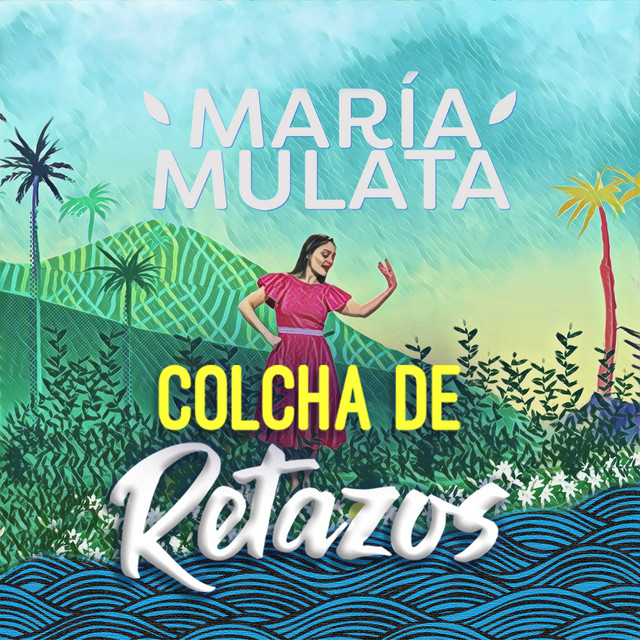
Colcha de Retazos
Maria Mulata
Bullerengue
2021
2
/5
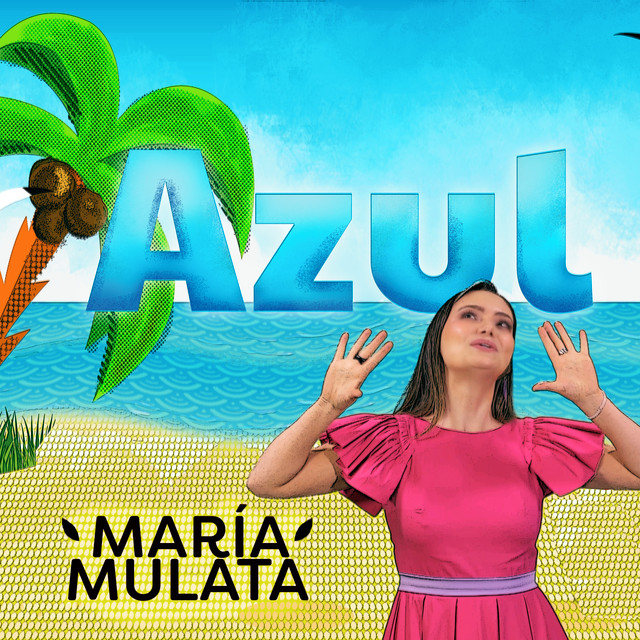
Azul
Maria Mulata
Bullerengue
2017
2
/5
Idas y Vueltas
Maria Mulata
Bullerengue
2013
2
/5
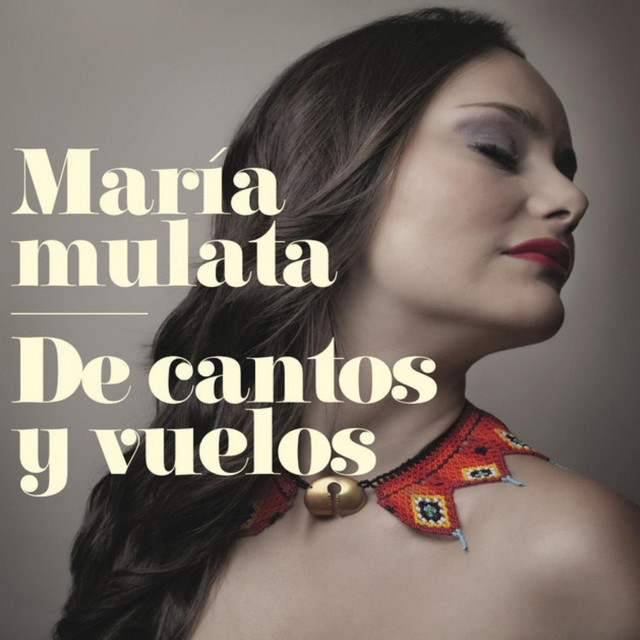
De cantos y vuelos
María Mulata
Bullerengue
2008
1
/5
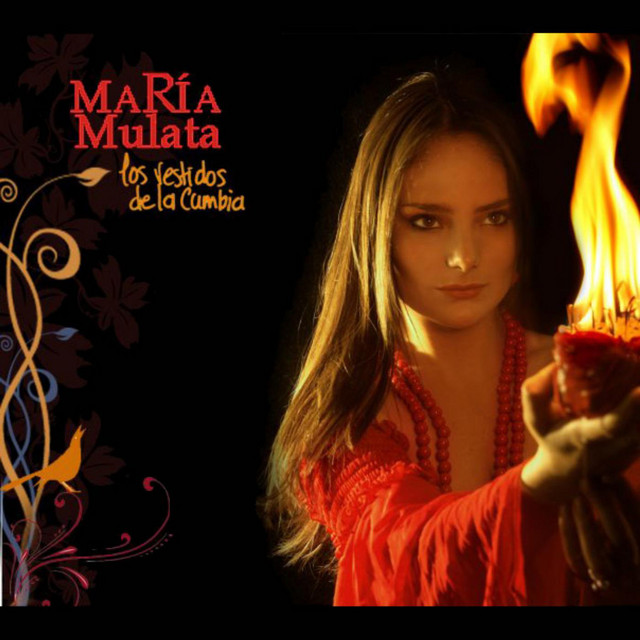
Los Vestidos De la Cumbia
Maria Mulata
Bullerengue
2006
2
/5
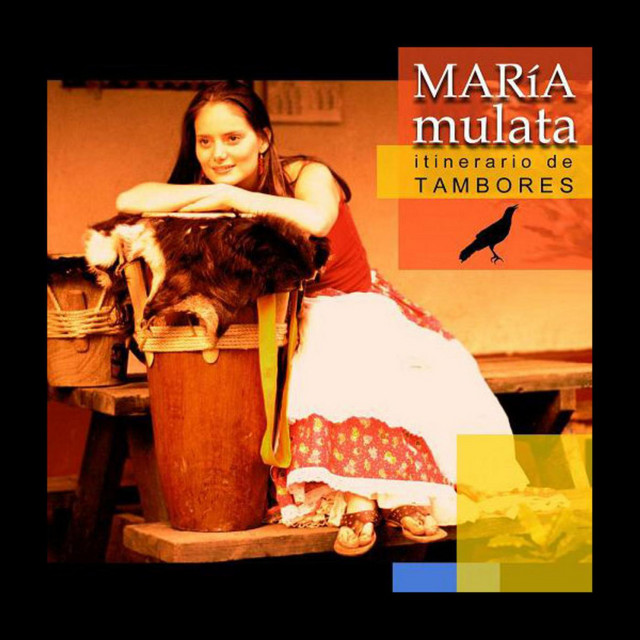
Itinerario De Tambores
Maria Mulata
Bullerengue
Cuestión de amor
María Mulata
Bullerengue
Itinerario de tambores
María Mulata
Bullerengue
Similar artists
4
/5
Totó La Momposina
Bullerengue
Cumbia
Cumbia Colombiana
5
/5
Luis Miguel
Bolero
Latin Pop
Mariachi
3
/5
Pablo Milanés
Nueva Trova
Trova
Nueva Canción
3
/5
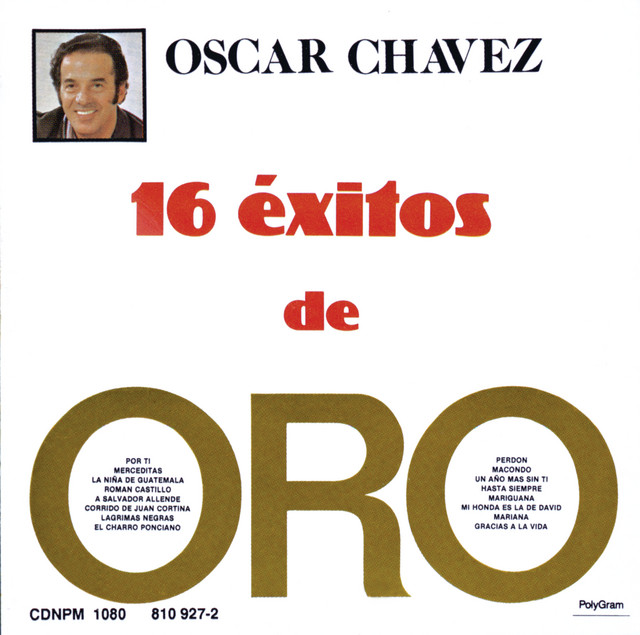
Óscar Chávez
Trova Mexicana
Nueva Trova
Trova
5
/5
Bad Bunny
Latin
Reggaeton
Trap Latino
3
/5
Francisco Céspedes
Nueva Trova
Trova
Bolero
3
/5
Ana Belén
Nueva Canción
Bolero
Nueva Trova
3
/5
Piero
Bolero
Nueva Trova
Trova
3
/5
Alberto Cortez
Bolero
Nueva Trova
Singer-Songwriter
3
/5
Pedro Guerra
Bolero
Latin Folk
Nueva Trova
Download our mobile app
Get the Melodigging app and start digging for new genres on the go
Download on the App Store
Get it on Google Play
© 2026 Melodigging
Give feedback
Legal
Melodding was created as a tribute to
Every Noise at Once
, which inspired us to help curious minds keep digging into music's ever-evolving genres.