Genres
Artists
Albums
Make Music
Sign in
Sign in
Artists
Poezja Śpiewana
Artists
Poezja Śpiewana
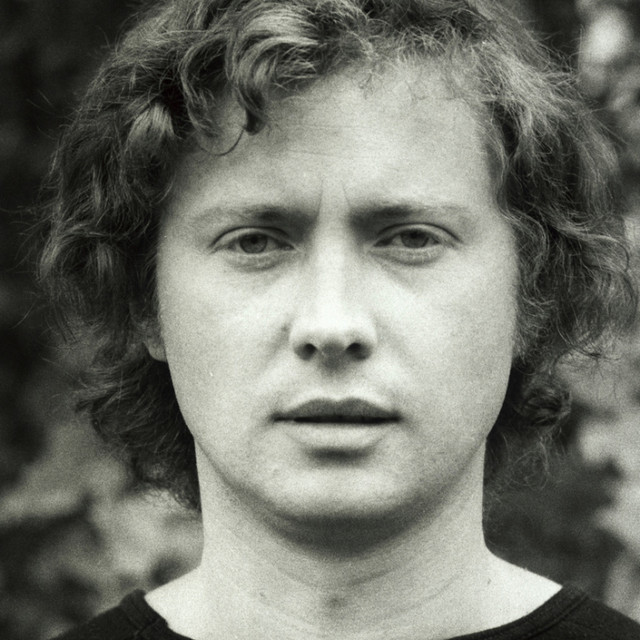
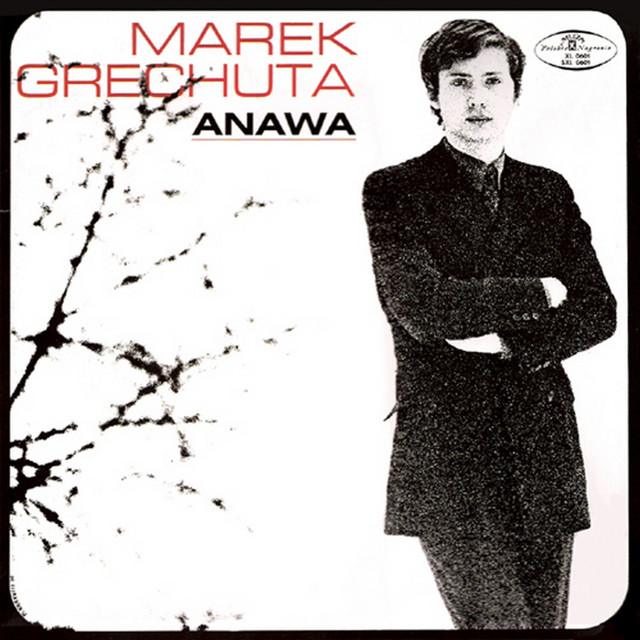
Marek Grechuta
1972–2015
·
10 albums
Listen
3
/5
Genres
Poezja Śpiewana
Poezja śpiewana (sung poetry) is a Polish song tradition in which existing poems or poetically crafted lyrics are set to intimate, text‑first musical settings. Musically, it draws on cabaret, French‑style chanson, folk and singer‑songwriter idioms, favoring voice with guitar or piano, subtle chamber textures, and restrained rhythm sections. The melody and phrasing closely follow the prosody of the Polish language and the poem’s imagery, while harmony often leans on tonal or lightly jazz‑tinged palettes that keep the words in the foreground. Artists interpret works by renowned poets (e.g., Osiecka, Tuwim, Leśmian) with theatrical nuance and clear diction. The result sits between concert music and popular song: lyrical, literate, and emotionally direct, meant as much for listening and reflection as for performance.
Discover
Listen
Baroque Pop
Baroque pop is a mid‑1960s fusion of contemporary pop/rock songwriting with the timbres, textures, and contrapuntal techniques of Baroque and broader European classical music. It is marked by harpsichord and piano doubling, string quartets or small orchestras, woodwinds (oboe, recorder, bassoon), French horn and piccolo trumpet colors, and melody‑forward arrangements that favor counter‑melodies and suspensions over riff‑based accompaniment. Harmonies tend to be richer than standard rock, with chromatic voice‑leading, circle‑of‑fifths motion, deceptive cadences, and occasional modulations. Production is usually lush and reverberant, supporting reflective, often nostalgic or romantic lyrics. Although it overlaps with orchestral pop and psychedelic pop, baroque pop is distinguished by its chamber‑scale instrumentation, Baroque idioms (basso continuo feel, ornamented lines), and the way classical elements are woven into compact pop song forms.
Discover
Listen
Folk Rock
Folk rock is a fusion genre that blends the narrative lyricism, modal melodies, and acoustic timbres of traditional folk with the backbeat, amplification, and song structures of rock. It typically pairs acoustic or traditional instruments (acoustic guitar, mandolin, fiddle) with a rock rhythm section (electric guitar, bass, drums), often featuring chiming 12‑string guitar textures, close vocal harmonies, and socially conscious or storytelling lyrics. The result ranges from intimate, reflective ballads with a steady backbeat to more anthemic, roots‑driven rock. Emerging in the mid‑1960s through artists such as Bob Dylan and The Byrds, folk rock became a gateway for traditional and roots materials to enter mainstream popular music, and it seeded later movements from country rock and Americana to jangle pop and modern indie folk.
Discover
Listen
Pop Rock
Pop rock blends the hook-focused immediacy of pop with the instrumentation and drive of rock. It prioritizes catchy melodies, concise song structures, and polished production while retaining guitars, bass, and drums as core elements. Typical pop rock tracks use verse–pre-chorus–chorus forms, strong vocal harmonies, and memorable riffs. The sound ranges from jangly and bright to mildly overdriven and arena-ready, aiming for radio-friendly appeal without abandoning rock’s rhythmic punch.
Discover
Listen
Progressive Folk
Progressive folk is a strand of folk music that adopts the exploratory spirit, extended forms, and harmonic richness of progressive rock and jazz while remaining rooted in traditional songcraft and acoustic timbres. It favors modal melodies, intricate fingerpicking, and unusual time signatures, often weaving together British and Celtic folk idioms with classical and jazz-informed arrangements. Compared with straight folk or folk rock, progressive folk is more ambitious in structure: suites, long-form ballads, and thematic albums are common. Lyrically it ranges from pastoral and mythical to philosophical and introspective, and it frequently experiments with instrumentation (e.g., dulcimer, sitar, harp, early music winds) and layered vocal counterpoint. The result is music that feels both ancient and modern—earthy yet expansive.
Discover
Listen
Singer-Songwriter
Singer-songwriter is a song-focused style in which the same person writes, composes, and performs their own material, often accompanying themselves on acoustic guitar or piano. It emphasizes personal voice, lyrical intimacy, and storytelling over elaborate production. Arrangements are typically sparse, allowing the melody, words, and performance nuance to carry the song’s emotional weight. While rooted in folk and blues traditions, singer-songwriter embraces pop and rock songcraft, producing works that can range from quiet confessional ballads to subtly orchestrated, radio-ready pieces.
Discover
Listen
Rock
Rock is a broad family of popular music centered on amplified instruments, a strong backbeat, and song forms that foreground riffs, choruses, and anthemic hooks. Emerging from mid‑20th‑century American styles like rhythm & blues, country, and gospel-inflected rock and roll, rock quickly expanded in scope—absorbing folk, blues, and psychedelic ideas—while shaping global youth culture. Core sonic markers include electric guitar (often overdriven), electric bass, drum kit emphasizing beats 2 and 4, and emotive lead vocals. Rock songs commonly use verse–chorus structures, blues-derived harmony, and memorable melodic motifs, ranging from intimate ballads to high‑energy, stadium‑sized performances.
Discover
Listen
Polish Music
Polish music is the umbrella term for the musical traditions and industries of Poland, spanning sacred chant, folk idioms, art (classical) music, jazz, rock, and contemporary pop and hip hop. Across centuries, it is characterized by the fusion of European art-music forms with distinctively Polish folk rhythms and melodies, most famously the triple‑meter national dances such as the mazurka, polonaise, oberek, kujawiak, and krakowiak. Lyrical, songful melodies and modal inflections from Slavic folk practice coexist with the harmonic language of Western classical music. In the 20th century, Polish music became a global reference point for avant‑garde orchestral color (sonorism) and choral writing, while also nurturing one of Europe’s most vibrant jazz scenes and a resilient rock culture. Today, it includes a prolific mainstream of pop, rap, and electronic music that still resonates with folk and classical heritage.
Discover
Listen
Show all 8 genres
Albums
2015
2
/5
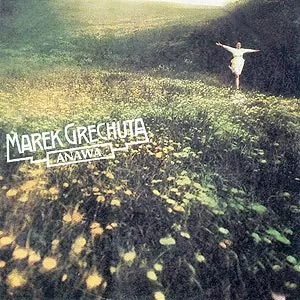
Marek Grechuta & Anawa
Marek Grechuta & Anawa
Poezja Śpiewana
Polish Music
Baroque Pop
2015
3
/5
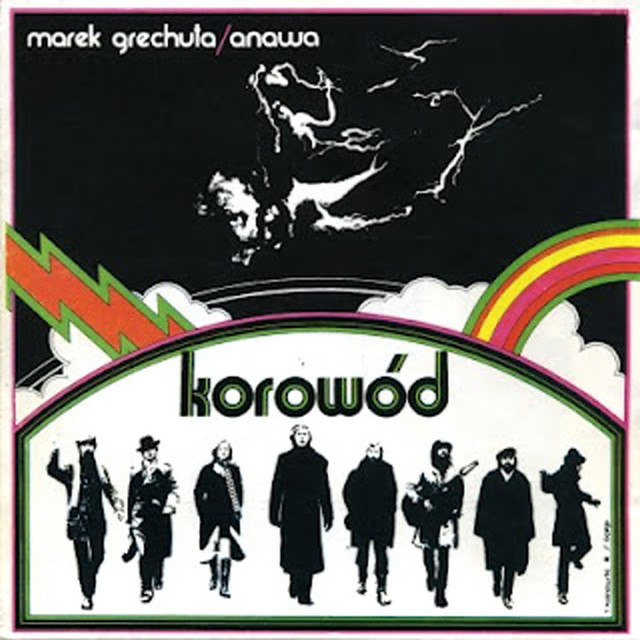
Korowód
Marek Grechuta / Anawa
Poezja Śpiewana
Polish Music
Progressive Folk
2013
2
/5
Marek Grechuta - Mistrzowie piosenki
Marek Grechuta
Poezja Śpiewana
1972
3
/5
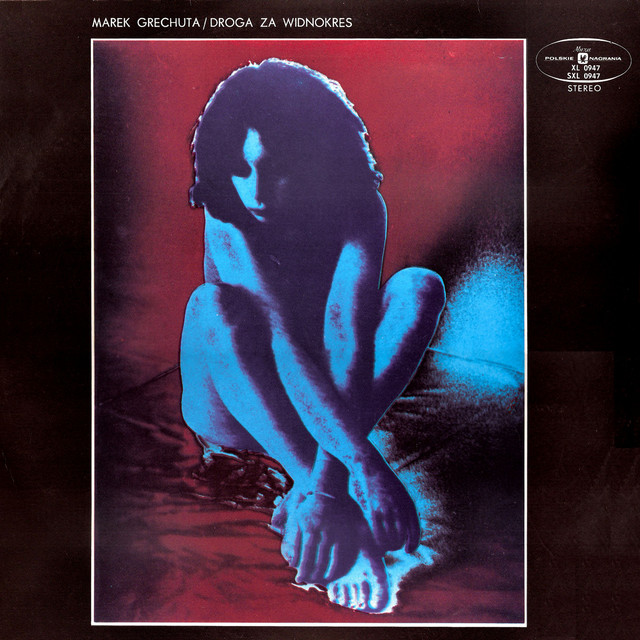
Droga za widnokres
Marek Grechuta
Poezja Śpiewana
Polish Music
Szalona lokomotywa
Marek Grechuta
Polish Music
Magia obłoków
Marek Grechuta
Polish Music
Wiosna - ach to ty
Marek Grechuta
Poezja Śpiewana
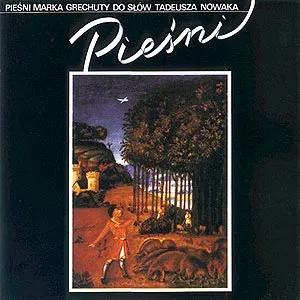
Pieśni Marka Grechuty do słów Tadeusza Nowaka
Marek Grechuta
Poezja Śpiewana
Szalona lokomotywa
Marek Grechuta
Poezja Śpiewana
Magia obłoków
Marek Grechuta
Poezja Śpiewana
Similar artists
1
/5
Various Artists
Afro-Funk
Alternative Rock
Ambient
5
/5
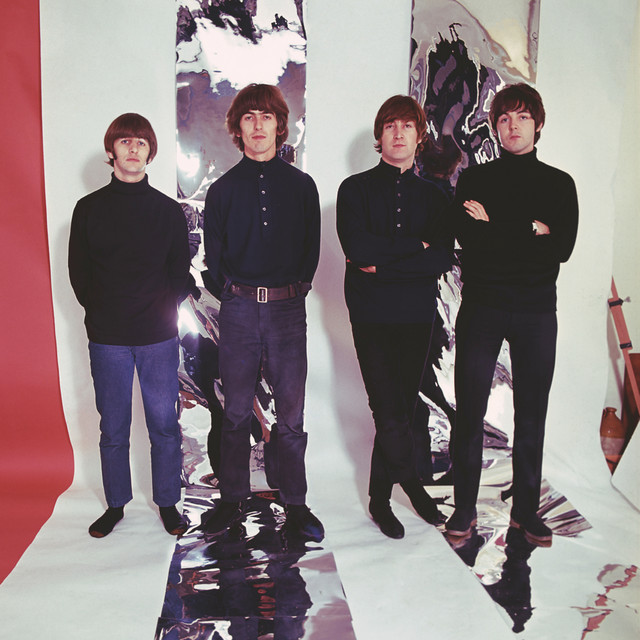
The Beatles
Merseybeat
Rock
Pop
5
/5
David Bowie
Art Rock
Rock
Glam Rock
4
/5
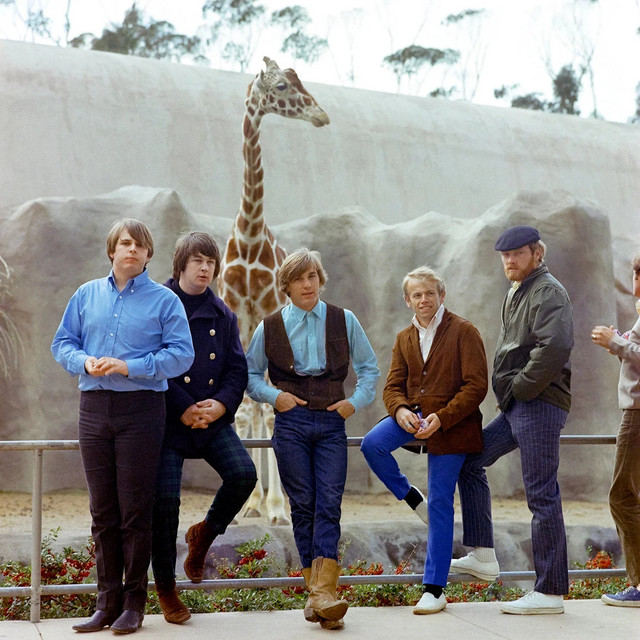
The Beach Boys
Sunshine Pop
Pop
Baroque Pop
4
/5
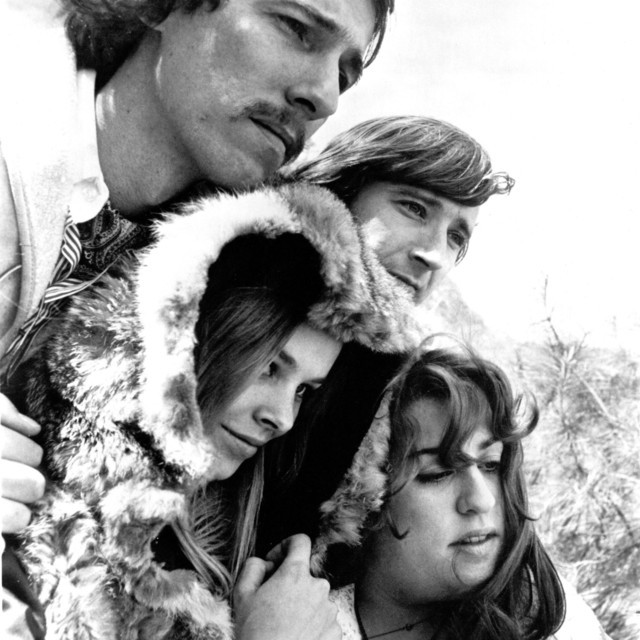
The Mamas & The Papas
Sunshine Pop
Folk Rock
Rock
3
/5
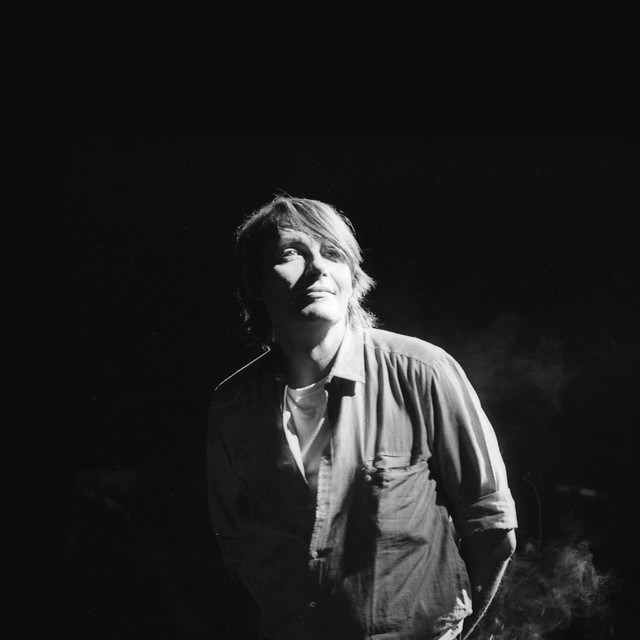
Fabrizio De André
Canzone D'autore
Pop
Rock
3
/5
Anawa
Baroque Pop
Poezja Śpiewana
Polish Music
2
/5
The Millennium
Baroque Pop
Folk Rock
Pop Rock
3
/5
Jacek Kaczmarski
Poezja Śpiewana
Polish Music
3
/5
Grzegorz Turnau
Poezja Śpiewana
Polish Music
Download our mobile app
Get the Melodigging app and start digging for new genres on the go
Download on the App Store
Get it on Google Play
© 2026 Melodigging
Give feedback
Legal
Melodding was created as a tribute to
Every Noise at Once
, which inspired us to help curious minds keep digging into music's ever-evolving genres.