Genres
Artists
Albums
Make Music
Sign in
Sign in
Artists
Character Piece
Artists
Character Piece
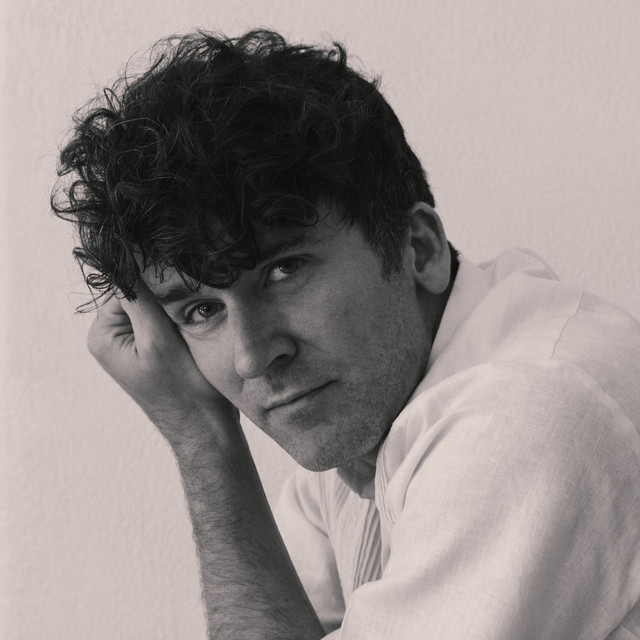
Marcin Masecki
2013–2017
·
3 albums
Listen
2
/5
Genres
Yass
Yass is a Polish avant-jazz movement that emerged in the early 1990s, fusing free jazz and free improvisation with punk’s energy, noise textures, and irreverent, often absurdist humor. Centered around the Tricity (Gdańsk–Gdynia–Sopot) and Bydgoszcz scenes, yass rejected academic formalism and mainstream "smooth" aesthetics in favor of DIY ethics, open forms, and radical genre collisions. Its sound ranges from lyrical modal passages to atonal blowouts, gritty grooves, and deconstructed songs, frequently incorporating rock backbeats, odd meters, and extended techniques. More than a style, yass functioned as a countercultural platform for bands and collectives, clubs, and indie labels, catalyzing a new, iconoclastic generation of Polish improvisers and composers.
Discover
Listen
Character Piece
A character piece (German: Charakterstück) is a short, single-movement work—most often for solo piano—designed to evoke a specific mood, scene, or persona. Typically lasting one to five minutes, it prioritizes vivid expression and atmosphere over large-scale form. Titles are often descriptive (e.g., Nocturne, Impromptu, Romance, Intermezzo, Barcarolle), guiding the listener’s imagination. Musically, character pieces favor singable melodies, rich but economical harmony, clear textures, and flexible tempo (rubato). Common plans include ternary (ABA) or through-composed designs, with coloristic pedaling and nuanced dynamic shaping to paint the intended character. While the piano repertory dominates, the aesthetic extends to other instruments and small ensembles, and it remains central in pedagogy and concert encores.
Discover
Listen
Nocturne
A nocturne is a short, lyrical character piece that evokes the atmosphere of night, most commonly written for solo piano. It features a cantabile, song-like melody that floats over a gentle, arpeggiated or broken-chord accompaniment, inviting rubato and nuanced pedaling. Originating with the Irish composer John Field and canonized by Frédéric Chopin, nocturnes typically explore intimate emotions—tenderness, melancholy, and reverie—through expressive harmony, chromatic inflections, and spacious pacing. While the piano nocturne is the norm, later composers also wrote orchestral and vocal "nocturnes" that broaden the palette while retaining the essential nocturnal mood.
Discover
Listen
Mazurka
The mazurka is a Polish folk dance and musical genre in triple meter, characterized by strong accents on the second or third beat and by distinctive dotted and syncopated rhythms. It originated in the Mazovia region of Poland and became both a social dance and an instrumental idiom. In the 19th century the mazurka moved from village floors to European salons and concert halls, where composers—most famously Frédéric Chopin—transformed it into a refined art-music genre while preserving its rustic rhythmic markers and modal colorings. Today, the mazurka exists as a living folk dance tradition and as a classical piano form, emblematic of Polish musical identity.
Discover
Listen
Polonaise
The polonaise is a stately Polish processional dance and musical form in triple meter whose name (from the French “polonaise,” meaning “Polish”) reflects its courtly origins. It is characterized by a noble, walking gait; strong emphasis on the first beat; and a hallmark rhythmic cell often rendered as an upbeat followed by a dotted or two‑sixteenth pattern within 3/4 time. Emerging from earlier Polish walking dances (chodzony), the polonaise became a prominent court and ballroom dance across Europe in the 18th century and, in the 19th century, a stylized pianistic and orchestral genre. In Poland, it carries strong cultural associations with national identity, ceremony, and patriotic expression, famously elevated by Chopin.
Discover
Listen
Classical
Classical music is the notated art-music tradition of Europe and its global descendants, characterized by durable forms, carefully codified harmony and counterpoint, and a literate score-based practice. The term “classical” can refer broadly to the entire Western art-music lineage from the Medieval era to today, not just the Classical period (c. 1750s–1820s). It privileges long-form structures (such as symphonies, sonatas, concertos, masses, and operas), functional or modal harmony, thematic development, and timbral nuance across ensembles ranging from solo instruments to full orchestras and choirs. Across centuries, the style evolved from chant and modal polyphony to tonal harmony, and later to post-tonal idioms, while maintaining a shared emphasis on written notation, performance practice, and craft.
Discover
Listen
Albums
2017
2
/5
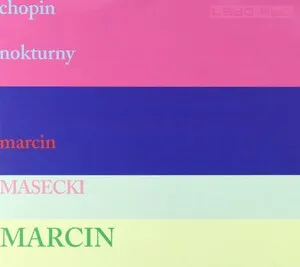
Chopin nokturny
Frédéric Chopin / Marcin Masecki
Nocturne
Character Piece
Classical
2015
1
/5
Mazurki
Marcin Masecki
Mazurka
2013
1
/5
Polonezy
Marcin Masecki
Polonaise
Yass
Similar artists
4
/5
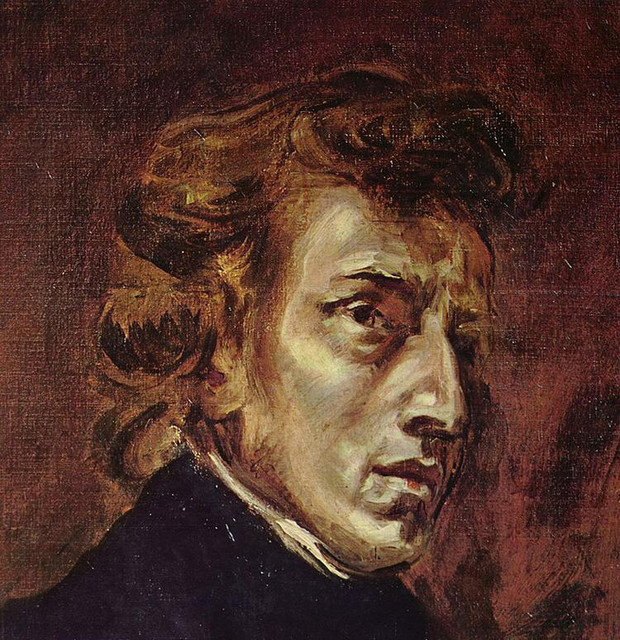
Frédéric Chopin
Classical
Character Piece
Nocturne
3
/5
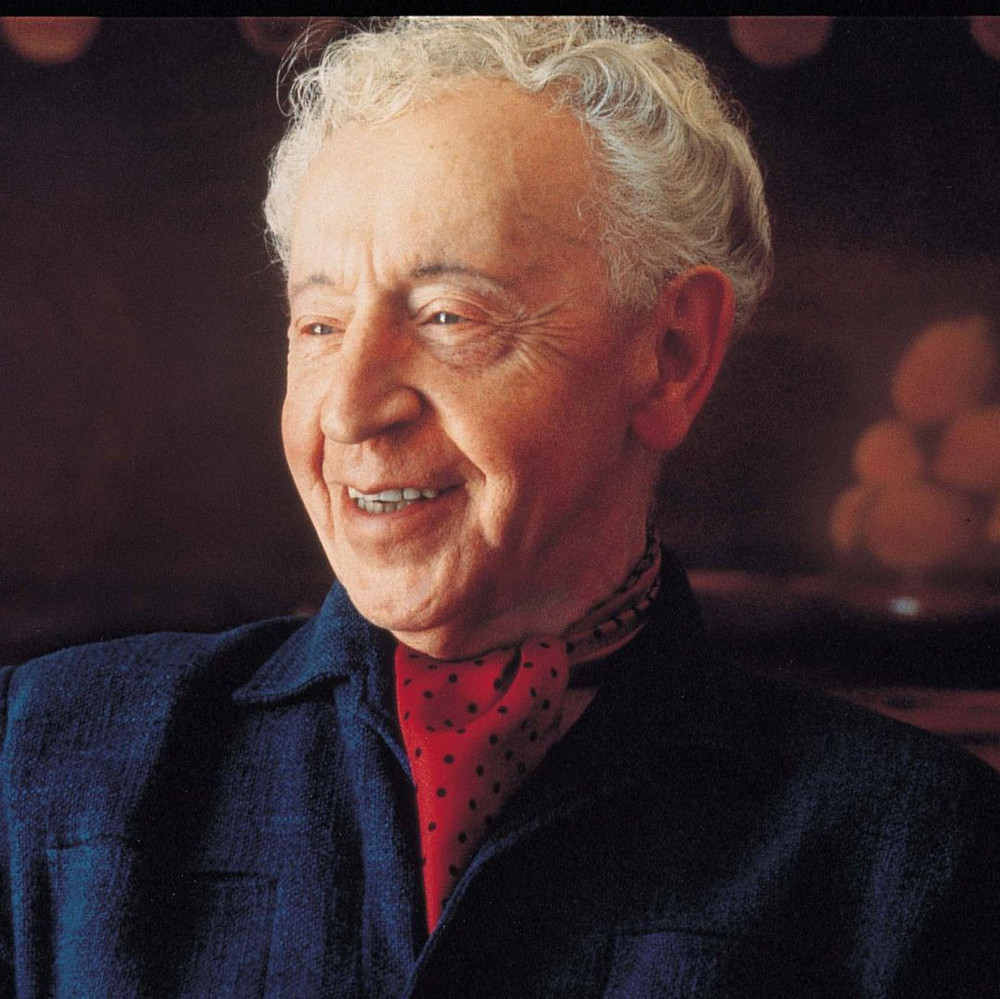
Arthur Rubinstein
Classical
Character Piece
Classical Piano
3
/5
Alexander Scriabin
Classical
Mazurka
Classical Piano
4
/5
Claude Debussy
Impressionism
Classical
Classical Piano
4
/5
Claudio Abbado
Classical
Concerto
Impressionism
4
/5
Daniel Barenboim
Impressionism
Classical
Chamber Music
4
/5
Gabriel Fauré
Requiem
Classical
Deep Soundtrack
4
/5
Maurice Ravel
Impressionism
Classical
Neoclassicism
4
/5
Maurizio Pollini
Classical
Classical Performance
Classical Piano
3
/5
Alice Sara Ott
Classical
Classical Piano
Character Piece
Download our mobile app
Get the Melodigging app and start digging for new genres on the go
Download on the App Store
Get it on Google Play
© 2026 Melodigging
Give feedback
Legal
Melodding was created as a tribute to
Every Noise at Once
, which inspired us to help curious minds keep digging into music's ever-evolving genres.