Genres
Artists
Albums
Make Music
Sign in
Sign in
Artists
Cumbia
Artists
Cumbia
Magenta
2012
·
6 albums
Listen
4
/5
Genres
Cumbia 420
Cumbia 420 is a contemporary Argentine micro‑genre that fuses the 2/4 swing and keyboard riffs of cumbia villera with the dembow/reggaetón pulse and trap/hip‑hop aesthetics. Built around minor‑key synth hooks, booming 808 sub‑bass, whistle/lead “silbido” lines and heavily Auto‑Tuned vocals, it keeps cumbia’s street‑party groove while adopting urban club sound design and lyrical themes tied to barrio life and cannabis (“420”). The result is a raw, dance‑forward style that sits between a cumbia sound system and an urban club set: simple, sticky melodies; aggressive percussive programming; and catchy call‑and‑response hooks designed for social media virality and neighborhood parties.
Discover
Listen
Previa
Previa is a contemporary Argentine pre‑party DJ style built around high‑energy edits, bootlegs, and mashups designed to kick off the night. The name comes from the colloquial “la previa,” the pregame gathering before going out, and the music’s job is to turn familiar Latin pop, reggaeton, and regional hits into floor‑ready, faster, harder versions. Sonically, previa lives between tech‑house tempo and reggaeton sensibilities: hooks are sped up, drops hit with big sidechained bass, and builds are short and dramatic. DJs chop sing‑along choruses, stack hypechants and FX, and slam dembow or four‑on‑the‑floor kick patterns under recognizable vocals. The vibe is extroverted, party‑starting, and unapologetically functional—made for mass sing‑backs and immediate dancing.
Discover
Listen
Cumbia Turra
Cumbia turra is a club‑oriented, urban offshoot of Argentine cumbia that surged in the early 2010s. It blends the street energy of cumbia villera with digital "bases" (looped drum patterns), bright synth hooks, and reggaeton/dembow accents. It is minimalist and hook‑driven: short chants, Auto‑Tuned or vocoded vocals, and instantly memorable lead riffs sit over punchy electronic drums. Lyrics tend to revolve around partying, dancing, flirtation, and barrio identity. The style is inseparable from dance trends of the era (e.g., "tirate un paso"), thriving in clubs, neighborhood parties, and viral videos. Its sound paved the way for later Argentine fusions that tightened the bond between cumbia and reggaeton/trap aesthetics.
Discover
Listen
Turreo
Turreo is a contemporary Argentine urban dance style that fuses reggaeton/dembow rhythms with the street-oriented energy of local RKT and the timbres of cumbia villera. Typically set around 90–105 BPM, it features punchy dembow drums, aggressive tom fills, sirens, and bright saw/pluck leads riding simple, catchy minor-key chord loops. Vocals lean on Argentine lunfardo slang and barrio storytelling—alternating between party, flirtation, and rough-edged romance—delivered with a direct, chantable flow designed for the dance floor. Aesthetically, turreo is raw, loud, and hook-driven. Its sound coalesced in Buenos Aires’ conurbano through DJs and MCs who shaped the vibe via YouTube, TikTok, club edits, and collaborative “sessions,” making it a defining strand of Argentina’s 2020s urbano wave.
Discover
Listen
Neo-Progressive Rock
Neo-progressive rock (often shortened to neo-prog) is a revivalist wave of progressive rock that emerged in the early 1980s in the United Kingdom. It blends the grand, symphonic ambitions of 1970s prog with more concise song forms, strong hooks, and glossy 1980s production aesthetics. The style is characterized by emotive vocals, lyrical guitar leads, and prominent, textural keyboards (synth pads, string ensembles, Mellotron emulations). Songs often feature dynamic shifts, recurring thematic motifs, and extended instrumental passages, yet remain accessible through memorable choruses and streamlined structures. Compared with classic prog, neo-prog tends to emphasize atmosphere and melody over virtuosity for its own sake, focusing on dramatic storytelling, introspective themes, and cinematic arrangements that build toward cathartic, epic climaxes.
Discover
Listen
Nederpop
Nederpop is a broad term for pop and rock made in the Netherlands, most often sung in Dutch and characterized by strong hooks, sing‑along choruses, and accessible storytelling. While it includes a range of sounds—from guitar‑based pop rock to synth‑driven new wave and even reggae‑tinged rhythms—it stays centered on melody and lyrical immediacy. The style coalesced as a recognizable movement in the late 1970s and surged in the 1980s, when bands adopted new wave textures and occasional ska/reggae grooves. In the 1990s and 2000s, nederpop became mainstream adult pop, with polished production, emotive ballads, and stadium‑sized choruses, often addressing everyday life, love, and social themes.
Discover
Listen
Cumbia Argentina
Cumbia argentina is the Argentine adaptation of Colombian cumbia that took root in the 1960s and evolved into a family of local styles. It blends the syncopated cumbia groove with regional tastes, instrumentation, and social realities in Argentina, producing variants such as the accordion‑led cumbia santafesina, the synth‑driven and street‑narrative cumbia villera, and radio‑friendly cumbia pop. Typical arrangements feature the cumbia beat on drum kit or programmed drums, congas and güiro driving the off‑beat swing, bass guitar outlining a steady tumbao, and lead voices supported by call‑and‑response coros. Depending on the substyle, melodies are carried by accordion, electric guitar, or bright keyboards. Lyrics range from romantic stories and dancefloor invitations to depictions of barrio life, celebration, and struggle. The result is a dance music that is both festive and deeply tied to Argentine urban and provincial identities.
Discover
Listen
Kleinkunst
Kleinkunst is a Dutch‑language singer‑songwriter and small‑stage (literally “small art”) tradition that took shape across Flanders (Belgium) and the Netherlands in the early 1960s. Rooted in cabaret and chanson, it puts the text front and center: intimate narratives, poetry, social observation, and understated humor are delivered with clear diction and a theatrical, storytelling sensibility. Instrumentation is typically sparse—voice with acoustic guitar or piano—sometimes embellished by a small ensemble (double bass, accordion, clarinet, strings) that supports, rather than obscures, the lyrics. Musically, kleinkunst borrows the strophic and through‑composed song forms of French chanson, the topical directness of protest song, and the tuneful familiarity of folk. It favors modest tempos, diatonic harmony with occasional borrowed chords, and arrangements designed for cafés, small theaters, and broadcast studios rather than stadiums. Distinct from mainstream schlager or pop, its identity is defined by authentic voice, literary craft, and intimacy.
Discover
Listen
Cuarteto
Cuarteto is a high-energy dance music from Córdoba, Argentina, built on a brisk duple-meter "tunga-tunga" groove that emphasizes a driving bass-and-chord pattern. Its core instrumentation historically featured a quartet—piano, accordion, violin, and bass—from which the style takes its name. Over time, drum kit, congas/timbales, and synthesizers expanded its sonic palette, while the piano’s left-hand ostinato and buoyant bass line remained central. Characterized by catchy melodies, simple diatonic harmonies, and verse–chorus forms designed for continuous dancing, cuarteto’s lyrics typically revolve around romance, nightlife, working-class pride, and Cordobés slang and humor.
Discover
Listen
Cumbia
Cumbia is a syncretic dance-music tradition from Colombia’s Caribbean coast that blends African rhythmic heritage, Indigenous (especially gaita flute) melodic practice, and Spanish colonial instrumentation and forms. Traditionally performed in a moderate 2/4 (often felt in 4/4 today), it features interlocking hand-drum parts (tambora, alegre, llamador), guacharaca or maracas for steady texture, and long cane flutes (gaita hembra and gaita macho) carrying call-and-response melodies. As it spread in the 20th century, orchestras and dance bands added accordion, horns, piano, bass, and later electric guitar and synthesizers, creating urban and pan–Latin American variants. Harmonically simple and rhythm-forward, cumbia places groove, ostinati, and vocal refrains at the center, making it both ceremonial in origin and enduringly popular on social dance floors across the Americas.
Discover
Listen
Argentine Music
Argentine music is an umbrella term for the diverse musical traditions that developed within Argentina, spanning urban and rural, European, African-diasporic, and Indigenous roots. It is best known worldwide for tango, but also encompasses a rich array of folk styles (zamba, chacarera, chamamé, milonga, payada), urban popular music (rock nacional, pop), and contemporary urban scenes (cumbia argentina, trap). Its sound reflects waves of immigration (notably Spanish and Italian), the legacy of African rhythms via candombe and habanera, and Indigenous Andean and Guaraní influences—absorbed into criollo idioms and later reinterpreted in orchestral, jazz, and rock contexts. This synthesis created a distinct “porteño” urban sensibility in Buenos Aires and equally strong regional identities in the Northwest, Cuyo, the Littoral (litoraleña), and Patagonia.
Discover
Listen
Show all 11 genres
Albums
2012
4
/5
Me declaro culpable
Nene Malo
Cumbia Turra
Cumbia Argentina
Argentine Music
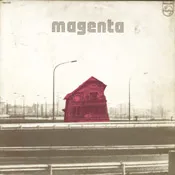
Magenta
Magenta
Kleinkunst
Magenta
Magenta
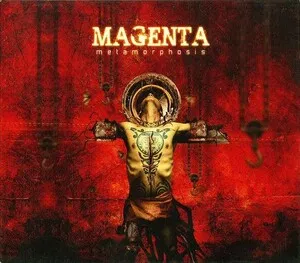
Nederpop
Metamorphosis
Magenta
Neo-Progressive Rock
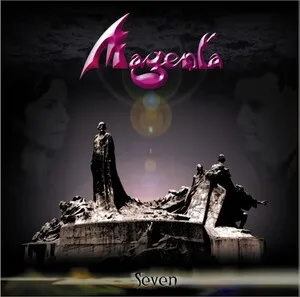
Seven
Magenta
Neo-Progressive Rock
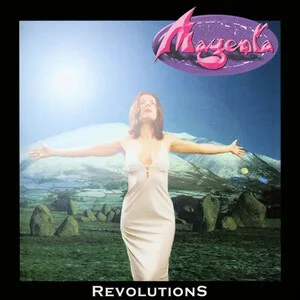
Revolutions
Magenta
Neo-Progressive Rock
Similar artists
4
/5
La T y La M
Cuarteto
Cumbia
Rkt
4
/5
Max Carra
Cuarteto
Cumbia
Previa
4
/5
BM
Previa
Cuarteto
Cumbia
4
/5
Cumbia rocha
Cuarteto
Cumbia
Previa
3
/5
Yerba Brava
Cumbia
Cumbia Villera
Cuarteto
4
/5
Luck Ra
Cumbia Pop
Trap Triste
Cuarteto
4
/5
The La Planta
Cuarteto
Cumbia Pop
Turreo
4
/5
Valen
Cumbia 420
Turreo
Rkt
4
/5
Ulises Bueno
Cuarteto
Cumbia
Previa
4
/5
Roze Oficial
Cuarteto
Cumbia
Previa
Download our mobile app
Get the Melodigging app and start digging for new genres on the go
Download on the App Store
Get it on Google Play
© 2026 Melodigging
Give feedback
Legal
Melodding was created as a tribute to
Every Noise at Once
, which inspired us to help curious minds keep digging into music's ever-evolving genres.