Genres
Artists
Albums
Make Music
Sign in
Sign in
Artists
Brazilian Trap
Artists
Brazilian Trap
Maejor
Listen
4
/5
Genres
Brazilian Phonk
Brazilian phonk is a contemporary offshoot of phonk that fuses 1990s Memphis-rap aesthetics with the percussion, swing, and party energy of Brazilian baile funk. Producers keep the gritty, overdriven 808s, cowbells, and chopped vocal-manipulation that define phonk, then layer in tamborzão-leaning drum programming and Portuguese/Portuguese-slang vocal chops. Typically faster and more dance-focused than classic or drift phonk, Brazilian phonk often runs between 140–170 BPM, features clipped/distorted low end, syncopated claps, and razor-sharp percussive fills borrowed from funk carioca/mandelão. It is heavily tied to online culture—thriving on TikTok/Instagram “edits,” motovlog/car videos, and YouTube channels—where its high-impact drops and punchy loop design translate into quick virality.
Discover
Listen
Sexy Drill
Sexy drill is a contemporary offshoot of drill that blends the genre’s signature sliding 808s, icy textures, and syncopated hi-hats with flirtatious, romantic, and often explicitly sensual lyrics. Where traditional drill leans into menace and street reportage, sexy drill softens the edges with melodic hooks, R&B-inflected toplines, and playful, self-assured delivery. The result is a club-ready, fashion-forward sound that keeps the rhythmic bite of UK/NY drill but swaps violent imagery for confident seduction and intimate narratives. Production typically sits around 138–145 BPM with gliding bass, chopped vocal stabs, airy pads, and bright percussive details. Vocals may alternate between rapped verses and sung refrains, frequently enhanced by tasteful Auto-Tune and ad‑libs that heighten the sultry mood.
Discover
Listen
Sped-Up Music
Sped-up music is the practice of releasing or circulating versions of existing tracks that have been deliberately accelerated, often with a corresponding pitch raise that produces the classic "chipmunk" timbre. These versions are typically 10–35% faster than the original and are optimized for short‑form video platforms, where quick hooks and heightened energy improve replayability and engagement. While the aesthetic traces back to 2000s nightcore and fan edits on YouTube, the 2020s saw a commercial normalization: labels and artists now issue official “sped up” (and often “slowed”) versions on streaming services. The result is a micro‑genre defined less by unique compositional vocabulary than by a production treatment that recontextualizes mainstream pop, R&B, hip hop, and dance records for viral, danceable, hook‑forward consumption.
Discover
Listen
Brazilian Trap
Brazilian trap (trap brasileiro) is the Brazilian adaptation of the Atlanta-born trap sound, performed primarily in Portuguese and colored by local rhythms, slang, and aesthetics. It features 808-heavy beats, half-time grooves, rapid hi-hat rolls, and melodic, Auto-Tuned vocals, while often folding in the swing and percussive feel of funk carioca. Lyrics commonly move between street realities, internet-native lifestyle, fashion, and aspirational luxury, with strong regional accents and Brazilian vernacular giving it a distinct identity from US trap.
Discover
Listen
Dark Pop
Dark pop is a moody, minor‑key strain of pop that blends the hooks and structure of mainstream pop with the shadowy timbres of dark wave, trip hop, and alternative electronic music. It favors intimate, close‑mic vocals, cinematic ambience, and lyrics that explore vulnerability, power, and the unsettling edges of modern life. Production often leans on sub‑bass, sparse trap‑influenced drums, and glossy yet ominous synths, creating a high‑contrast sound that feels both confessional and theatrical. While radio‑friendly in form, dark pop emphasizes tension over euphoria: melodies linger in lower registers, harmonies use modal mixture, and textures deploy reverb, distortion, and sound‑design flourishes to evoke unease and melancholy.
Discover
Listen
Trap Soul
Trap soul is a fusion of contemporary R&B singing and songwriting with the sonic palette and rhythmic feel of trap. It features moody, minor‑key harmonies; airy pads and Rhodes/piano textures; deep 808 sub‑bass with glides; and skittering hi‑hat rolls and halftime drum patterns. Vocals often blend crooning and rapping, with intimate, confessional lyrics about love, heartbreak, desire, ambition, and late‑night introspection. The production is typically spacious and minimal, prioritizing atmosphere and groove over density. Subtle Auto‑Tune, layered ad‑libs, and lush reverbs/delays are common, giving tracks a nocturnal, cinematic feel.
Discover
Listen
Fake
“Fake” is an informal, streaming-era genre tag used for sound‑alike covers, karaoke takes, tribute recordings, and generic instrumental remakes that closely mimic current or classic hits. Rather than foregrounding the original songwriter’s concept, these recordings prioritize recognizability, search optimization, and fast turnaround. Session singers and studio players reproduce the hook, tempo, and arrangement with minimal reinterpretation; track and artist names often echo the original title or lyrical catchphrase to capture search traffic.
Discover
Listen
Pop Lgbtq+ Brasileira
Pop lgbtq+ brasileira is contemporary Brazilian pop created by openly LGBTQIA+ artists and rooted in the country’s club culture, internet-native scenes, and mainstream pop industry. Sonically, it blends glossy electropop and dance-pop with distinctly Brazilian rhythms and textures—most notably funk carioca’s tamborzão, brega/tecno-brega melodrama, axé’s carnival exuberance, and MPB’s lyrical sensibility. Productions often pull from reggaeton, house, trap-funk, and ballroom-vogue percussion, yielding high-energy tracks designed for both radio and dance floors. The genre is as much about voice and visibility as it is about hooks: lyrics commonly foreground queer love, pride, self-fashioning, resilience, and nightlife. Vocals range from diva belting to rap/sung hybrids, with campy, theatrical performance aesthetics that translate strongly to video and stage. The scene’s rise is tightly linked to streaming-era dynamics, YouTube/Instagram/TikTok virality, and collaborations with DJs and funk producers.
Discover
Listen
Big Room House
Big room house is a festival-focused strain of EDM built for massive sound systems and outdoor main stages. It typically runs around 126–132 BPM (most commonly 128), uses four-on-the-floor kick patterns, and features huge, simple lead riffs designed to be instantly memorable to large crowds. A defining trait is the contrast between cinematic, reverb-washed breakdowns and ultra-dry, percussive drops driven by a powerful kick, sub, and a few bold supersaw or horn-like synth stabs. Arrangements lean on dramatic builds with snare rolls, risers, and crowd-hyping vocal chops, culminating in drops that emphasize impact over harmonic complexity.
Discover
Listen
Pop Urbaine
Pop urbaine is a French mainstream pop style that blends contemporary R&B, hip hop, Afrobeats, dancehall, zouk, raï, and reggaeton with chart‑friendly songwriting. It emphasizes melodic hooks, mid‑tempo grooves, and sleek vocal production (often with Auto‑Tune) while foregrounding everyday, romantic, and nightlife themes in colloquial French. Rhythmically it favors syncopated Afro‑Caribbean patterns, sparse but bouncy 808 drums, and light guitar or synth plucks, creating a buoyant, danceable feel without the aggressiveness of club music. Vocals typically alternate between sung refrains and rap‑influenced verses, with catchy refrains designed for streaming and social media virality. The genre became a defining sound of French popular culture in the late 2010s, driven by a new generation of Francophone artists with diasporic roots who globalized French pop while keeping its language and local slang at the center.
Discover
Listen
Melodic Dubstep
Melodic dubstep is a song-oriented, emotionally expressive branch of dubstep that blends the genre’s half-time drums and sound-design-heavy drops with lush chord progressions, cinematic atmospheres, and vocal-led songwriting. It typically sits around 140 BPM (often written and perceived in half-time), using supersaw stacks, plucky arps, and wide pads drawn from trance and progressive house, while retaining dubstep’s punchy kicks, snare-on-3 backbeat, and bass-focused drops. Compared to aggressive brostep, melodic dubstep prioritizes memorable toplines, warm harmonies, and dramatic builds that culminate in cathartic yet tasteful drops. It often features lyrical themes of longing, hope, and resilience, making it common in vocal collaborations and festival-ready singalongs.
Discover
Listen
Trap Boricua
Trap boricua is the Puerto Rican strain of Latin trap: a Spanish-language take on Southern U.S. trap aesthetics fused with the island’s reggaetón DNA and hip‑hop tradition. It is characterized by halftime 4/4 grooves (typically 65–75 BPM, or 130–150 BPM counted double‑time), heavy 808 sub-bass with slides, skittering 1/16 hi‑hats and triplet rolls, crisp claps/snares on the halftime backbeat, and atmospheric pads or minor‑key synth motifs. Vocals often mix melodic Auto‑Tuned hooks with gritty rap verses, switching between rapid‑fire syllables and laid‑back flows. Lyrically, artists blend barrio storytelling, bravado (fronteo), luxury and street codes with Puerto Rican slang, while also opening space for romance, introspection, and social commentary. The sound frequently hybrids with reggaetón (dembow cadences), R&B, and drill, making it both club‑ready and mood‑driven.
Discover
Listen
Funk De Bh
Funk de BH (Belo Horizonte) is a regional strain of Brazilian funk that crystallized in Minas Gerais’ capital during the 2010s. It takes the party-ready DNA of funk brasileiro and pares it down to a darker, more hypnotic, bass‑led minimalism. Compared with Rio’s tamborzão-driven euphoria or São Paulo’s ostentação flash, Funk de BH emphasizes sub‑heavy 808s, sparse percussion, and chant‑like vocals that feel intimate and street‑level. The result is a moody, rolling groove aimed equally at neighborhood bailes and car‑sound (“som de carro”) culture, with lyrics that swing between hedonistic party themes, everyday hustle, and local pride.
Discover
Listen
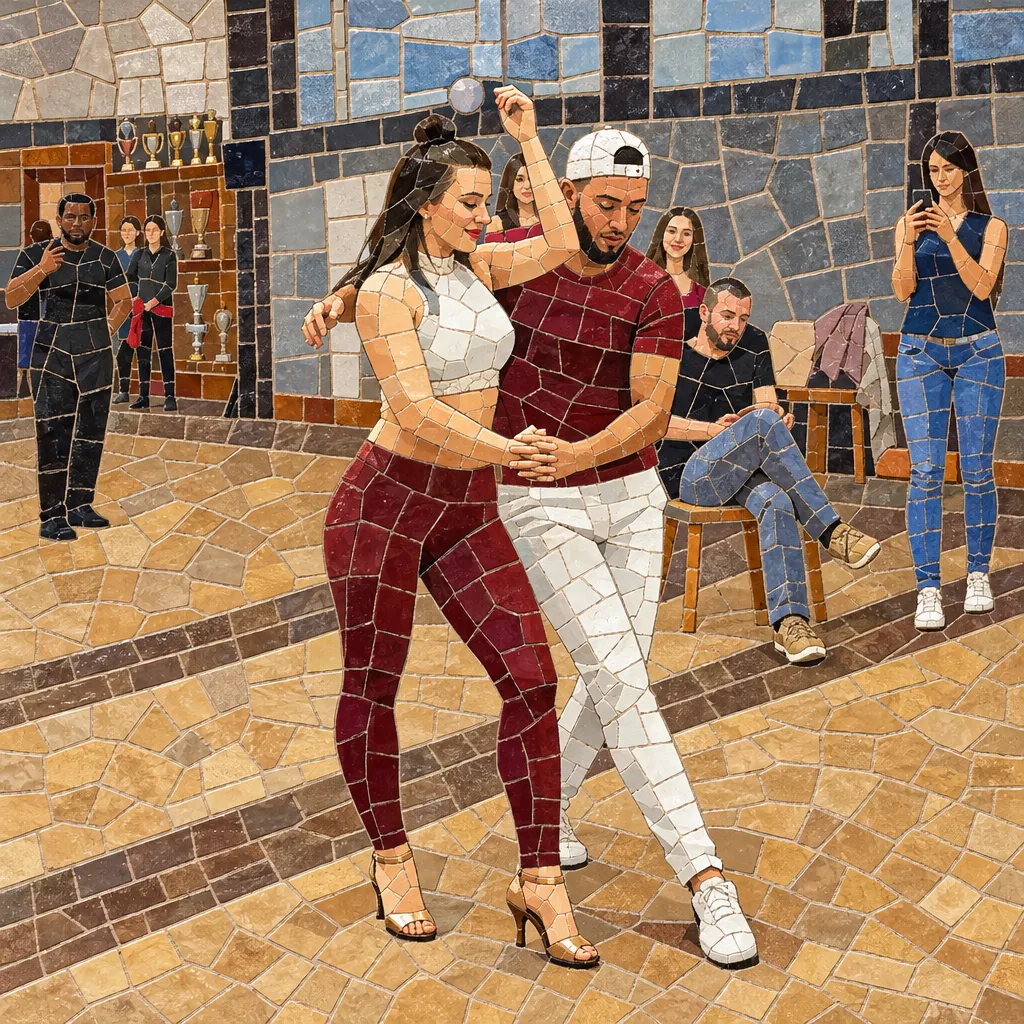
Urban Kiz
Urban Kiz is a contemporary, club-oriented offshoot of kizomba that took shape in Europe—especially in Paris—in the early-to-mid 2010s. It adapts the sensual, close-connection feel of kizomba to straighter, trap- and R&B-influenced beats with pronounced bass lines, crisp hi‑hats, and engineered breaks that suit the stop‑and‑go aesthetics of Urban Kiz social dancing. Musically, it favors 4/4 grooves around 88–102 BPM, less of the lilting/zouk swing found in classic kizomba, and more linear phrasing with dramatic drops, filters, and space for micro-pauses. Vocals (often in Portuguese, French, Cape Verdean Creole, or English) may be original toplines, sampled phrases, or R&B‑style hooks layered over sleek electronic production. Producers frequently label releases or remixes specifically for "Urban Kiz" floors, reinforcing the genre’s identity within the partner‑dance scene.
Discover
Listen
Trap
Trap is a subgenre of hip hop that emerged from the Southern United States, defined by half-time grooves, ominous minor-key melodies, and the heavy use of 808 sub-bass. The style is characterized by rapid, syncopated hi-hat rolls, crisp rimshot/clap on the backbeat, and cinematic textures that convey tension and grit. Lyrically, it centers on street economies, survival, ambition, and introspection, with ad-libs used as percussive punctuation. Production is typically minimal but hard-hitting: layered 808s, sparse piano or bell motifs, dark pads, and occasional orchestral or choir samples. Vocals range from gravelly, staccato deliveries to melodic, Auto-Tuned flows, often using triplet cadences.
Discover
Listen
Hip Hop
Hip hop is a cultural and musical movement that emerged from Black, Latino, and Caribbean communities, centering around rapping (MCing), DJing/turntablism, sampling-based production, and rhythmic speech over beats. It prioritizes groove, wordplay, and storytelling, often reflecting the social realities of urban life. Musically, hip hop is built on drum-centric rhythms (from breakbeats to 808 patterns), looped samples, and bass-forward mixes. Lyrically, it ranges from party anthems and braggadocio to political commentary and intricate poetic forms, with flow, cadence, and rhyme density as core expressive tools. Beyond music, hip hop encompasses a broader culture, historically intertwined with graffiti, b-boying/b-girling (breakdance), fashion, and street entrepreneurship, making it both an art form and a global social language.
Discover
Listen
Pop
Pop is a broad, hook-driven style of popular music designed for wide appeal. It emphasizes memorable melodies, concise song structures, polished vocals, and production intended for radio, charts, and mass media. While pop continually absorbs elements from other styles, its core remains singable choruses, accessible harmonies, and rhythmic clarity. Typical forms include verse–pre-chorus–chorus, frequent use of bridges and middle-eights, and ear-catching intros and outros. Pop is not defined by a single instrumentation. It flexibly incorporates acoustic and electric instruments, drum machines, synthesizers, and increasingly digital production techniques, always in service of the song and the hook.
Discover
Listen
Teen Pop
Teen pop is mainstream pop music tailored primarily to adolescent audiences, emphasizing catchy melodies, simple and relatable lyrics, and a polished, radio-ready sound. Sonically, it blends elements of dance-pop, R&B, bubblegum pop, and pop rock: bright synths or clean guitars, steady danceable beats, stacked vocal harmonies, and memorable hooks designed for quick recall. Lyrical themes center on first love, friendship, self-expression, school life, and empowerment, usually expressed in upbeat, optimistic terms. Visual presentation and choreography often play a large role, with acts marketed as relatable idols—frequently in the form of boy bands or girl groups. Arrangements commonly use verse–pre-chorus–chorus forms, key changes in the final chorus, and concise runtimes. The result is accessible, hook-driven pop that connects quickly with listeners and translates well to television, music video, and social media formats.
Discover
Listen
R&b
R&B (Rhythm and Blues) is a vocal- and groove-centered popular music tradition that blends blues tonality, jazz harmony, and gospel-inflected singing with a steady backbeat. It emphasizes expressive lead vocals, call-and-response, lush harmonies, and danceable rhythms. From its 1940s roots in African American communities to its later evolutions, R&B has continually absorbed and reshaped surrounding sounds—from jump blues and swing in the early days to soul, funk, hip hop, and electronic production in the contemporary era. Today, R&B ranges from intimate, slow-burning ballads to club-ready tracks, all tied together by a focus on feel, melody, and vocal performance.
Discover
Listen
Show all 19 genres
Similar artists
5
/5
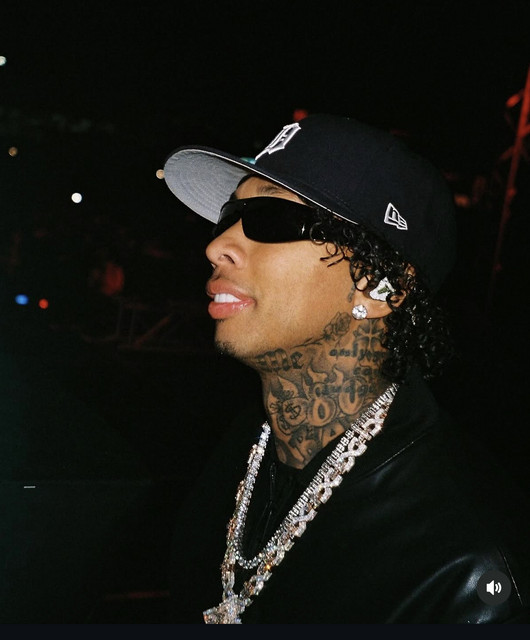
Tyga
Hip Hop
Ratchet Music
Futuristic Swag
5
/5
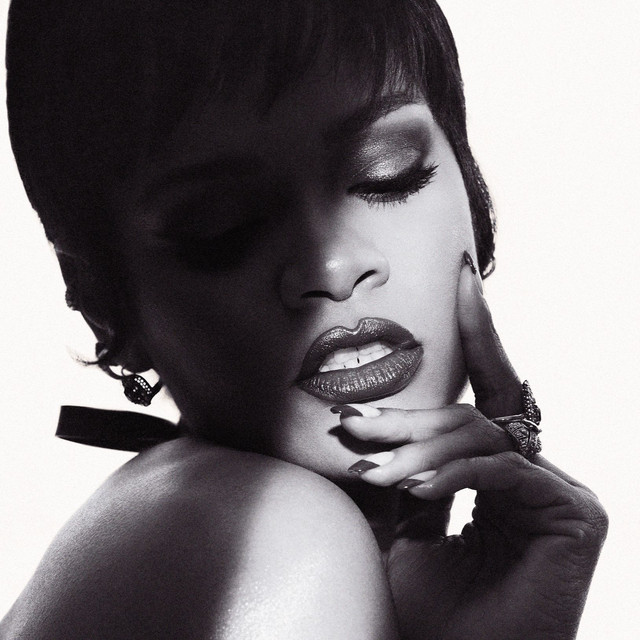
Rihanna
Barbadian Pop
Contemporary R&b
Pop
5
/5
Kanye West
Hip Hop
Pop Rap
Rap
5
/5
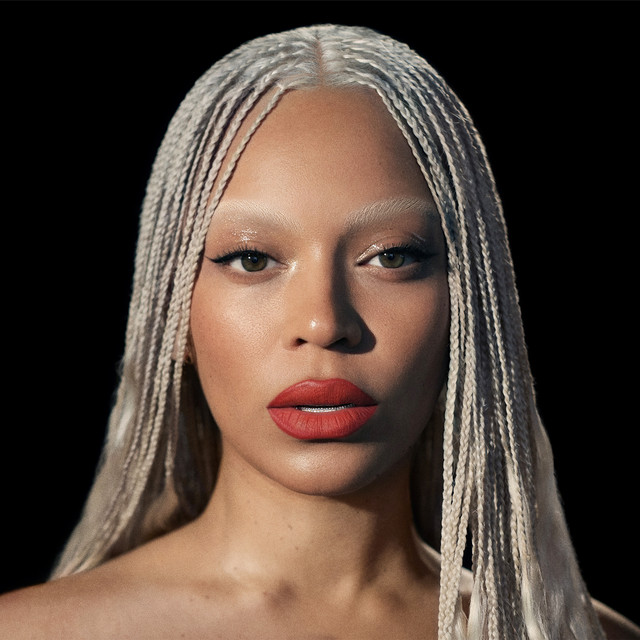
Beyoncé
Contemporary R&b
Pop
R&b
5
/5
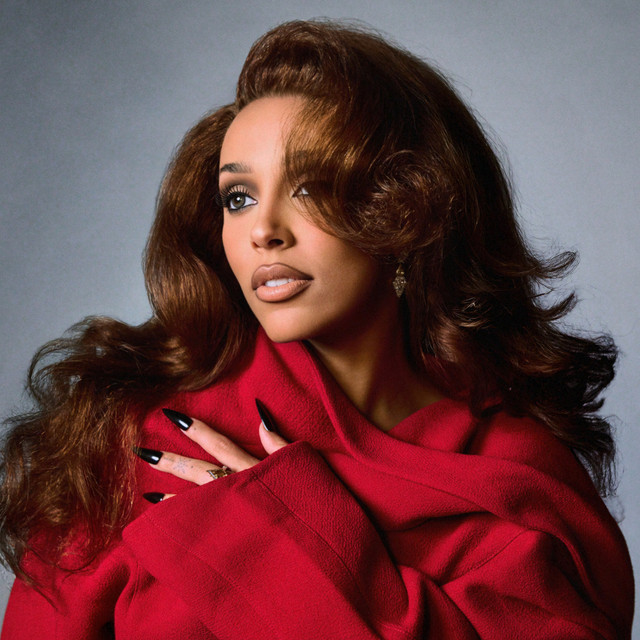
Doja Cat
Dance-Pop
Pop Rap
Pop
5
/5
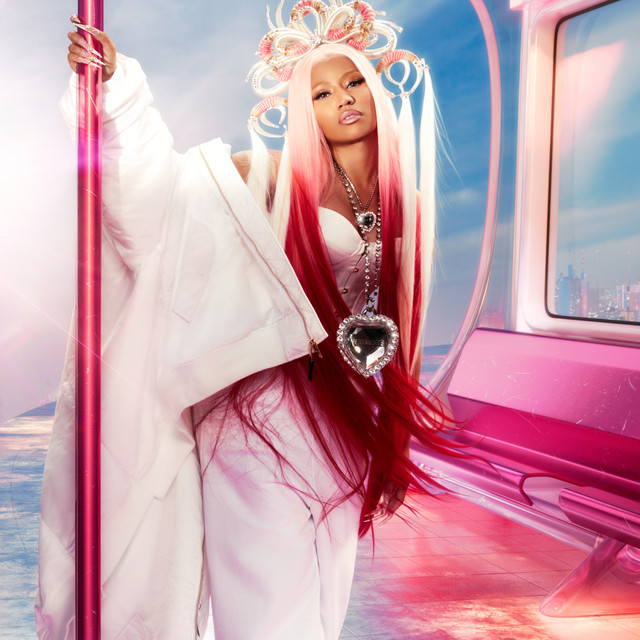
Nicki Minaj
Hip Hop
Hip Pop
Rap
5
/5
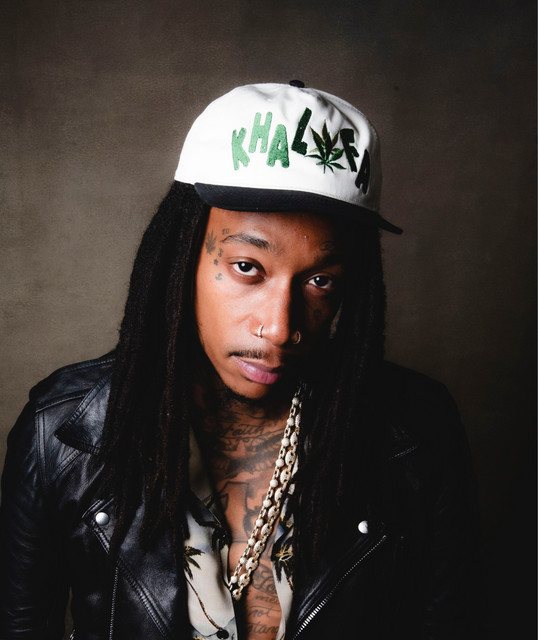
Wiz Khalifa
Hip Hop
Stoner Rap
Pop Rap
5
/5
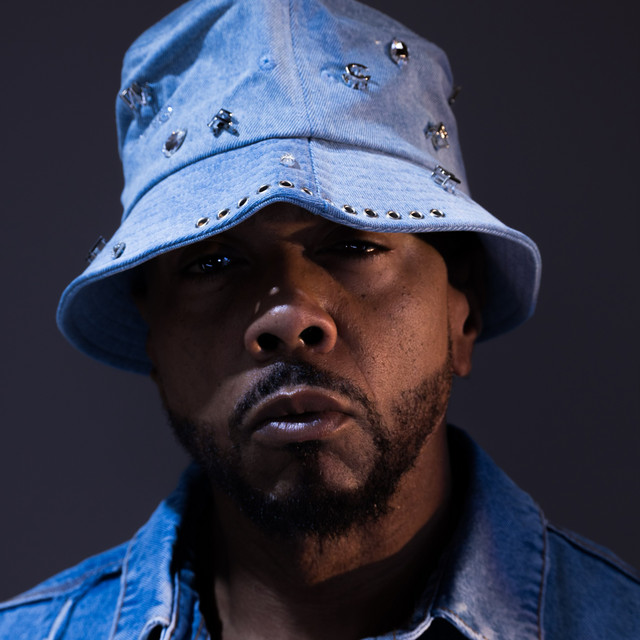
Timbaland
The Wave
Ratchet Music
Hip Hop
5
/5
Halsey
Etherpop
Electropop
Pop
5
/5
Childish Gambino
Hip Hop
Atl Hip Hop
Neo Soul
Download our mobile app
Get the Melodigging app and start digging for new genres on the go
Download on the App Store
Get it on Google Play
© 2026 Melodigging
Give feedback
Legal
Melodding was created as a tribute to
Every Noise at Once
, which inspired us to help curious minds keep digging into music's ever-evolving genres.