Genres
Artists
Albums
Make Music
Sign in
Sign in
Artists
No Wave
Artists
No Wave
Lydia Lunch
1980–2004
·
2 albums
Listen
2
/5
Genres
Nu Age
Nu age is a 2010s revival and reimagining of 1980s/90s New Age aesthetics through the lens of contemporary ambient, experimental electronics, and internet-era sensibilities. It favors lush synthesizer pads, soft-focus textures, gently pulsing arpeggios, field recordings, and spacious reverbs that evoke nature, healing, and contemplative states. Unlike classic New Age, nu age often embraces subtle digital artifacts, cassette warmth, and post-vaporwave nostalgia, weaving fourth-world timbres and Balearic calm into minimalist, slow-evolving forms. The result is a dreamlike, restorative sound that sits between ambient, meditative music, and modern sound design, appealing equally to wellness cultures and adventurous electronic listeners.
Discover
Listen
Dark Jazz
Dark jazz is a moody, slow-burning strain of jazz that blends late-night noir atmospheres with ambient, drone, and doom-influenced pacing. It favors minimal harmony, cavernous reverbs, and an emphasis on space and texture over virtuosic solos. Smoky saxophones, bowed double bass, brushed drums, piano or Rhodes, vibraphone, and guitars drenched in delay are common timbral anchors. Rather than bebop’s momentum or swing’s buoyancy, dark jazz lingers on hushed dynamics and sustained tones, creating a cinematic, often melancholic aura reminiscent of urban rain, deserted streets, and after-hours solitude.
Discover
Listen
Deathrock
Deathrock is a dark, theatrical offshoot of punk that emerged in the early 1980s, characterized by ominous atmospheres, tom-heavy “tribal” drumming, chorus-soaked basslines, and reverb-drenched guitar. It blends the immediacy and DIY aggressiveness of punk rock with the bleak textures and minor-key melodicism of post-punk and early gothic rock, often drawing visual inspiration from horror cinema and macabre cabaret. Vocals range from plaintive and haunted to snarling and declamatory, while lyrics explore themes of death, alienation, ritual, and romantic morbidity. The production favors raw edges, spring/plate reverbs, and room ambience over polish.
Discover
Listen
Noise Rock
Noise rock is a subgenre of rock that deliberately embraces distortion, feedback, dissonance, and abrasive textures as primary musical materials rather than mere effects. It prioritizes timbre, volume, and sonic density over conventional melody and harmony, often using nonstandard tunings, prepared or detuned guitars, and extended techniques to generate harsh overtones and sheets of sound. Rhythm sections tend to be driving and repetitive, anchoring the chaos with motorik pulses, lurching grooves, or pummeling, minimal patterns. Vocals range from spoken and murmured to shouted and cathartic, with lyrics that skew cryptic, confrontational, or surreal. Aesthetically, noise rock traces a line from punk’s anti-virtuosity and DIY ethos through no wave’s iconoclasm and the avant-garde’s interest in sound-as-sound, yielding music that can be physically intense, psychologically unsettling, and artistically exploratory.
Discover
Listen
Alternative Rock
Alternative rock is a broad umbrella for guitar-based rock that emerged from the independent and college-radio scenes as a counterpoint to mainstream, commercial rock. It blends the energy and ethos of punk with the textural and songwriting experiments of post-punk, new wave, jangle pop, and noise rock, often foregrounding introspective or socially aware lyrics. Across its many strains—from the melodic minimalism of college rock to the loud-quiet-loud dynamics of grunge and the artful experimentation of Radiohead-era modernism—alternative rock prioritizes authenticity, sonic individuality, and a do-it-yourself approach. Its sound ranges from chiming, chorus-laden clean guitars to abrasive distortion and feedback, supported by straightforward rock rhythms or off-kilter grooves, and production that can be either raw and live-sounding or polished yet unconventional.
Discover
Listen
No Wave
No wave is a late-1970s New York City underground movement that rejected the orthodoxies of punk, rock, and pop in favor of abrasive sonics, anti-virtuosic playing, and an art-forward, confrontational attitude. Its sound ranges from skronky, free-jazz-influenced sax blasts and scraping, detuned guitars to rigid, mechanical rhythms and stark, minimal song structures. Lyrics are often spoken, shouted, or declaimed in a deadpan or feral style, addressing urban anxiety, alienation, and cultural decay. More than a fixed style, no wave was a short, intense rupture: a scene of musicians and artists who intentionally dismantled conventional harmony, groove, and song form to foreground texture, noise, and performance as critique.
Discover
Listen
Post-Punk
Post-punk is a broadly experimental strain of rock that emerged in the late 1970s as artists sought to push beyond the speed, simplicity, and orthodoxy of first-wave punk. It typically features angular, bass-forward grooves; jagged or minimal guitar lines; stark, spacious production; and an openness to dub, funk, electronic, and avant-garde ideas. Lyrics often examine alienation, urban decay, politics, and the inner life with artful or abstract delivery. A studio-as-instrument approach, emphasis on rhythm section interplay, and an appetite for non-rock textures (tape effects, drum machines, found sound, synths) distinguish the style. The result can be danceable yet tense, cerebral yet visceral, and emotionally restrained yet intensely expressive.
Discover
Listen
Experimental Rock
Experimental rock is a broad, exploratory branch of rock music that prioritizes innovation over convention. It stretches rock’s core instrumentation and song forms through unusual timbres, extended techniques, nonstandard tunings, chance procedures, and studio-as-instrument production. Drawing on avant-garde composition, free jazz, minimalism, and electronic/tape music, experimental rock often rejects verse–chorus structures in favor of drones, suites, collage, and improvisation. It embraces dissonance and noise as expressive tools, employs odd or fluid meters, and incorporates non-rock instruments, found sounds, and unconventional recording methods. The result is a lineage of music that treats rock not as a fixed style but as a laboratory for new sound worlds.
Discover
Listen
Spoken Word
Spoken word is a performance-centered genre where text—poems, monologues, stories, or manifestos—is delivered aloud with musicality in voice rather than through singing. It may be entirely a cappella or accompanied by sparse instrumentation (often jazz combos, ambient textures, or minimal electronics) that frames the cadence and rhetoric of the performer. The emphasis is on language: prosody, pacing, imagery, and argument. Pieces often explore personal narratives, social critique, and political themes, drawing on techniques such as internal rhyme, alliteration, and repetition. While recordings exist, the tradition is fundamentally live, prioritizing immediacy, audience engagement, and oratorical presence.
Discover
Listen
Show all 9 genres
Albums
2004
1
/5
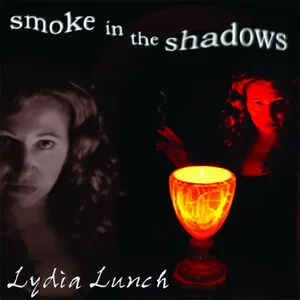
Smoke in the Shadows
Lydia Lunch
Dark Jazz
1980
1
/5
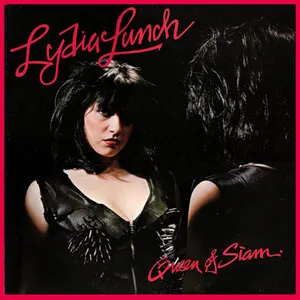
Queen of Siam
Lydia Lunch
No Wave
Similar artists
1
/5
Live Skull
Deathrock
Noise Rock
Post-Punk
3
/5
Sonic Youth
Alternative Rock
Noise Rock
Post-Punk
3
/5
Swans
Experimental Rock
Post-Rock
No Wave
3
/5
Minutemen
Hardcore Punk
No Wave
Post-Hardcore
2
/5
The Birthday Party
Post-Punk
Dark Wave
Deathrock
2
/5
Chrome
Avant-Garde
Coldwave
Deathrock
2
/5
Institute
Coldwave
Deathrock
Garage Punk
1
/5
DIÄT
Coldwave
Dark Wave
Deathrock
1
/5
Ut
No Wave
Noise Rock
Post-Punk
1
/5
Factrix
Deathrock
Drone Metal
Industrial
Download our mobile app
Get the Melodigging app and start digging for new genres on the go
Download on the App Store
Get it on Google Play
© 2026 Melodigging
Give feedback
Legal
Melodding was created as a tribute to
Every Noise at Once
, which inspired us to help curious minds keep digging into music's ever-evolving genres.