Genres
Artists
Albums
Make Music
Sign in
Sign in
Artists
Classical
Artists
Classical
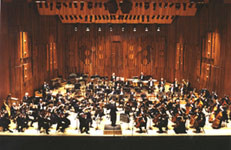
Los Angeles Philharmonic
1999
·
1 album
Listen
3
/5
Genres
Channel Pop
Channel pop is a digital-era strain of mainstream pop shaped by video and creator platforms—especially YouTube and later TikTok and Instagram—where artists build audiences through frequent uploads on their own “channels.” Musically it favors intimate, highly polished but close-mic’d vocals, acoustic guitar or piano-led arrangements, restrained beats, and succinct, playlist-friendly structures. Many releases are cover-first (reimagining recent chart hits) with a steady flow of glossy singles, session-style performances, and creator collaborations that gradually blend into original material. Titles, artwork, and release cadence are optimized for search and recommendation algorithms, yielding a sound that is simultaneously personal and platform-aware.
Discover
Listen
American Orchestra
American orchestra refers to the tradition and sound-world of symphonic and concert orchestras based in the United States. It is centered on large ensemble performance (strings, woodwinds, brass, percussion, and sometimes harp, piano/celesta, and auxiliary instruments) across the Western classical repertoire, but it is also shaped by specifically American institutional history, performance practice, commissioning culture, and repertoire preferences. In practical listening terms, it often points to recordings and performances by U.S. orchestras and conductors, spanning Romantic symphonies, late-Romantic tone poems, 20th/21st-century concert music, and American concert works (including nationalist, modernist, and film-influenced symphonic idioms).
Discover
Listen
Orchestral
Orchestral music refers to compositions written for an orchestra—a large ensemble typically built around a string section (violins, violas, cellos, double basses), complemented by woodwinds, brass, percussion, and often harp, keyboard, or other auxiliary instruments. A conductor coordinates the ensemble, shaping balance, phrasing, and expression. The style emphasizes coloristic timbre combinations, dynamic range from the softest pianissimo to explosive tuttis, and textures that can shift seamlessly between transparent chamber-like writing and monumental masses of sound. Orchestral writing underpins concert genres such as symphonies, overtures, and tone poems, as well as opera, ballet, and modern film and game scores. While orchestral writing evolved across centuries, its core craft centers on melody, counterpoint, harmony, register, and orchestration—the art of assigning musical ideas to instruments to achieve clarity, contrast, and narrative impact.
Discover
Listen
Latin American Classical Music
Latin American classical music is the concert-music tradition cultivated across the Americas south of (and including parts of) Mexico, drawing on European art-music forms while integrating Indigenous, Afro‑Latin, and criollo musical languages. It encompasses sacred and secular repertoires from the colonial baroque through romantic nationalism, modernism, and contemporary experimental currents. Stylistically, it blends European harmony, counterpoint, and orchestral practice with regional rhythmic cells (sesquiáltera/hemiola, 3‑2/2‑3 clave, malambo, huapango), modal and pentatonic inflections from Andean and Mesoamerican sources, and timbral colors inspired by local instruments and dances. The result ranges from exuberant, rhythmically vital symphonic music to intimate guitar works and choral music suffused with local idioms.
Discover
Listen
Opera
Opera is a large-scale theatrical genre that combines music, drama, and visual spectacle, in which the story is primarily conveyed through singing accompanied by an orchestra. It unites solo voices, ensembles, and chorus with staging, costumes, and often dance to create a total artwork. Emerging in late Renaissance Italy and flourishing in the Baroque era, opera developed signature forms such as recitative (speech-like singing that advances the plot) and aria (lyrical numbers that explore character and emotion). Over the centuries it evolved diverse national styles—Italian bel canto, French grand opéra, German music drama—while continually experimenting with orchestration, harmony, narrative structure, and stagecraft.
Discover
Listen
Classical
Classical music is the notated art-music tradition of Europe and its global descendants, characterized by durable forms, carefully codified harmony and counterpoint, and a literate score-based practice. The term “classical” can refer broadly to the entire Western art-music lineage from the Medieval era to today, not just the Classical period (c. 1750s–1820s). It privileges long-form structures (such as symphonies, sonatas, concertos, masses, and operas), functional or modal harmony, thematic development, and timbral nuance across ensembles ranging from solo instruments to full orchestras and choirs. Across centuries, the style evolved from chant and modal polyphony to tonal harmony, and later to post-tonal idioms, while maintaining a shared emphasis on written notation, performance practice, and craft.
Discover
Listen
Albums
1999
1
/5
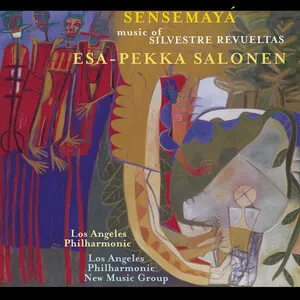
Sensemayá: Music of Silvestre Revueltas
Silvestre Revueltas
Latin American Classical Music
Similar artists
2
/5
Dawn Upshaw
Classical
Minimalism
Opera
2
/5
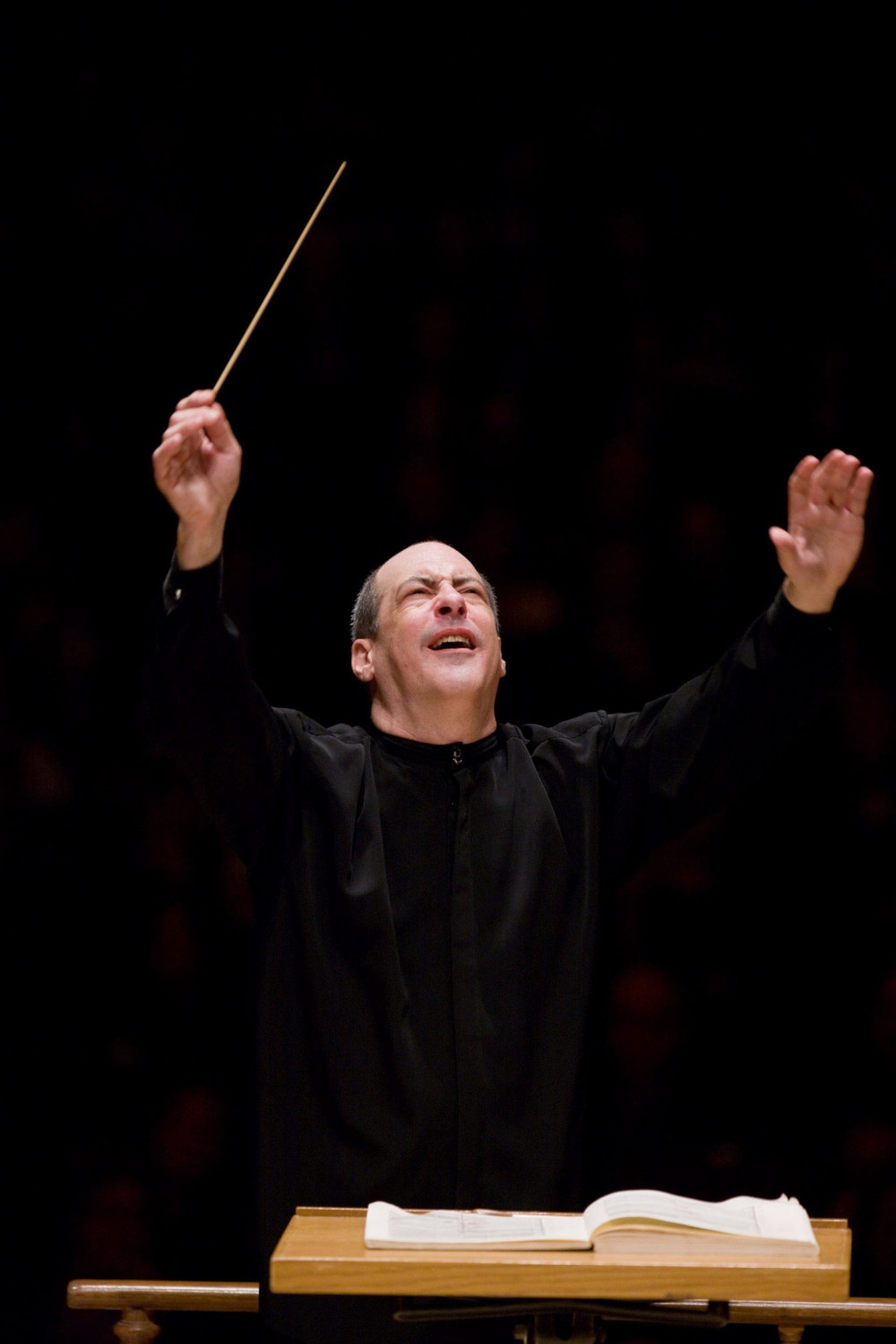
Robert Spano
Opera
Choral
Classical
4
/5
London Symphony Orchestra
Classical
Ballet
Concerto
4
/5
Herbert von Karajan
Classical
Symphonic Poem
Symphony
4
/5
London Philharmonic Orchestra
Opera
Classical
Deep Soundtrack
3
/5
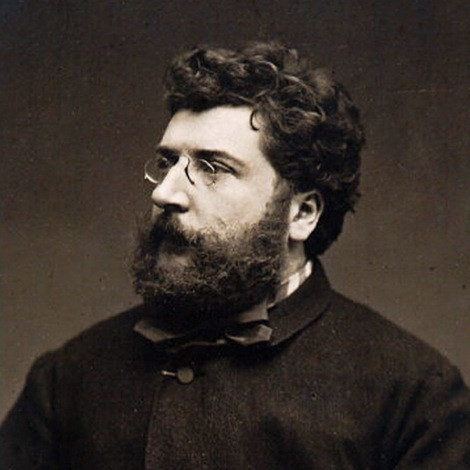
Georges Bizet
Opéra Comique
Classical
Opera
3
/5
Slovak Radio Symphony Orchestra
Classical
Opera
Orchestral
3
/5
BBC Symphony Orchestra
Classical
Opera
Orchestral
3
/5
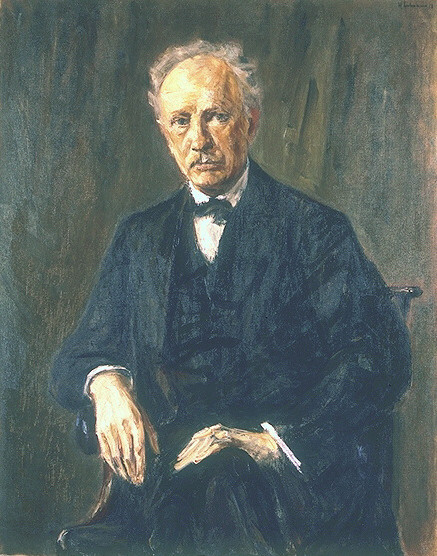
Richard Strauss
Symphonic Poem
Classical
Orchestral
3
/5
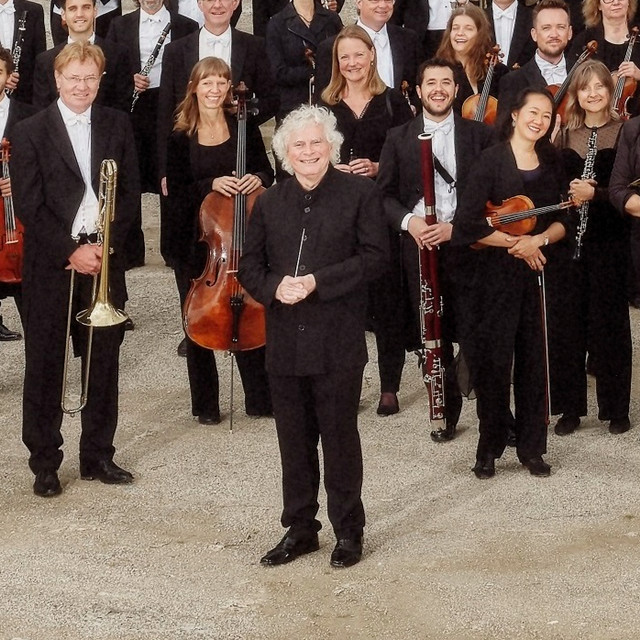
Bavarian Radio Symphony Orchestra
Classical
Opera
Orchestral
Download our mobile app
Get the Melodigging app and start digging for new genres on the go
Download on the App Store
Get it on Google Play
© 2026 Melodigging
Give feedback
Legal
Melodding was created as a tribute to
Every Noise at Once
, which inspired us to help curious minds keep digging into music's ever-evolving genres.