Genres
Artists
Albums
Make Music
Sign in
Sign in
Artists
Bolero
Artists
Bolero
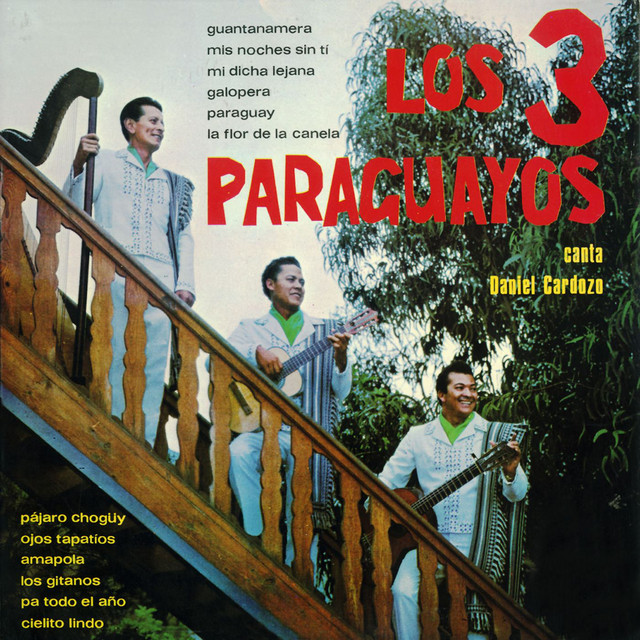
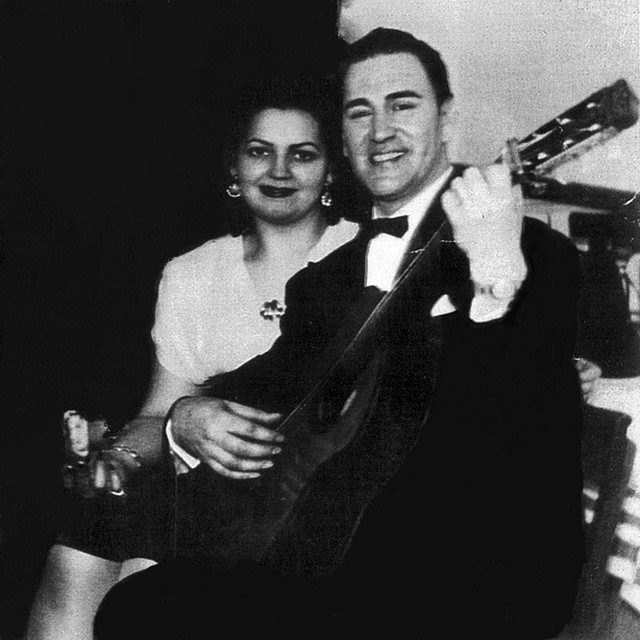
Los 3 Paraguayos
1965–1967
·
2 albums
Listen
2
/5
Genres
Folclor Andino
Folclor andino is the pan‑regional folk music of the Andean highlands, shaped by Indigenous Quechua and Aymara traditions and later mestizo influences. It centers on wind instruments such as quena (notched flute) and zampoña/siku (panpipes), the small 10‑string charango, guitar, and deep hand‑drummed bombos, producing bright timbres over earthy rhythms. Melodically it favors pentatonic and natural minor (Aeolian/Dorian) scales, parallel thirds, antiphonal hocketing between panpipe parts, and cyclical ostinatos. Repertoire often draws from regional forms like huayno, yaraví, carnavalito, and related highland dances, with lyrics that invoke the mountains, Pachamama (Mother Earth), love, migration, and social realities. As a modern stage and recording genre, folclor andino coalesced mid‑20th century when urban ensembles standardized instrumentation and performance, later intersecting with nueva canción’s socially engaged aesthetics and spreading globally through tours and world‑music circuits.
Discover
Listen
Latin Folk
Latin folk is a broad umbrella for singer‑songwriter and ensemble music that draws on traditional folk forms from across Latin America while presenting them in contemporary, often acoustically driven arrangements. It emphasizes storytelling, social and poetic lyricism, and the timbres of regional instruments such as the guitar, charango, quena, zampoña, cuatro, and bombo legüero. Rhythmic cells are borrowed from pan‑regional traditions (chacarera, cueca, zamba, huayno, joropo, son, and others), yet songs are commonly shaped in accessible verse‑chorus structures. While its roots are centuries old, the modern genre coalesced during the mid‑20th‑century folk revival and the Nueva Canción movements, which linked ancestral sounds with contemporary concerns such as identity, justice, and cultural memory.
Discover
Listen
Chamamé
Chamamé is a traditional dance-music style from Argentina’s Litoral region (especially the province of Corrientes) characterized by a flowing 6/8–3/4 sesquiáltera feel, expressive accordion or bandoneón melodies, and guitars providing rhythmic and harmonic support. It is music for dancing in couples, with a swaying, gliding motion that mirrors the riverine landscapes of the Paraná and Uruguay rivers. The genre blends European social-dance influences (polka, schottische, mazurka, waltz) with Indigenous Guaraní aesthetics and language, often featuring the sapukai—a celebratory shout—within performances. Lyrically, chamamé is typically nostalgic and pastoral, evoking love, family, migration, and the natural environment, and it frequently mixes Spanish with Guaraní vocabulary.
Discover
Listen
Guarania
Guarania is a Paraguayan genre created in 1925 by composer José Asunción Flores to convey the introspective character and nostalgia of the Paraguayan people. It is marked by slow and melancholic rhythms, lyrical melodies—often in minor modes—and poetic lyrics in Spanish and/or Guaraní. The Paraguayan harp, alongside voice, guitar, and sometimes accordion or small ensembles, carries flowing arpeggios and sustained harmonies that give the style its dreamy, plaintive aura. The result is intimate, song-centered music that favors expressive phrasing and rubato over virtuosic speed.
Discover
Listen
Polka
Polka is a lively Central European couple dance and musical style in a brisk 2/4 meter, characterized by its buoyant “oom‑pah” bass-chord accompaniment and bright, diatonic melodies. Originating in Bohemia (today’s Czech Republic) in the early 19th century, it quickly became a pan-European craze before taking root across immigrant communities in the Americas. Ensembles typically feature accordion or button box/concertina, clarinet or saxophone, trumpets/trombone, tuba or string bass, and drum kit, with regional variants highlighting different lead voices and rhythmic feels. While the classical ballroom tradition codified polka into formal strains (often AABB with a contrasting trio), folk and popular styles favor singable tunes, simple I–IV–V harmonies, and tempos commonly around 115–135 BPM, inviting upbeat social dancing and communal celebration.
Discover
Listen
Bolero
Bolero is both a Spanish dance-music form from the late 18th century and, later, a Cuban song style from the late 19th century. The Spanish bolero emerged as a moderately slow solo or partner dance in 3/4 time, shaped by Andalusian song-dance traditions. It typically features guitar accompaniment and castanets, and its sung texts often follow the seguidilla stanza pattern. In Cuba, bolero evolved into a romantic ballad—most often in 2/4 (later also felt in 4/4)—performed by singers, trios, and salon ensembles. Cuban bolero emphasizes intimate, lyrical melodies, guitar-led accompaniment (often with requinto), and gentle Afro-Caribbean rhythmic undercurrents (habanera feel, soft bongo, claves), becoming one of Latin America’s quintessential love-song forms.
Discover
Listen
Albums
1967
1
/5
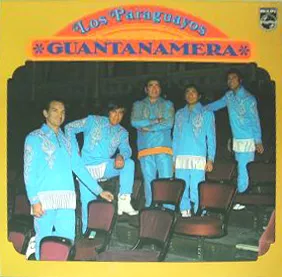
Guantanamera
Los Paraguayos
Guarania
1965
1
/5
Los 3 Paraguayos
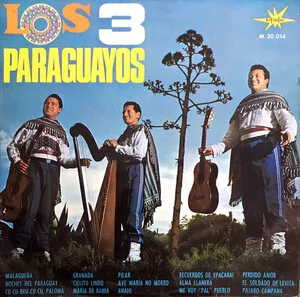
Los 3 Paraguayos
Guarania
Similar artists
2
/5
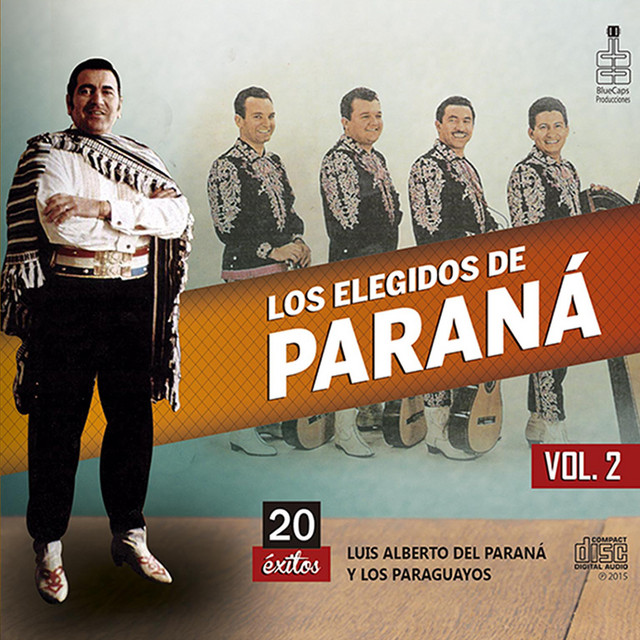
Luis Alberto Del Paraná
Chamamé
Folclor Andino
Latin Folk
2
/5
Los Paraguayos
Guarania
Chamamé
Polka
2
/5
Trío Los Paraguayos
Bolero
Chamamé
Folclor Andino
1
/5
Alberto De Luque
Bolero
Chamamé
Polka
1
/5
Edgar Galeano
Chamamé
Contemporary Christian
Latin Folk
1
/5
Tradicion Folk
Chamamé
Latin Folk
Polka
4
/5
Mercedes Sosa
Nueva Canción
Argentine Music
Nuevo Cancionero
3
/5
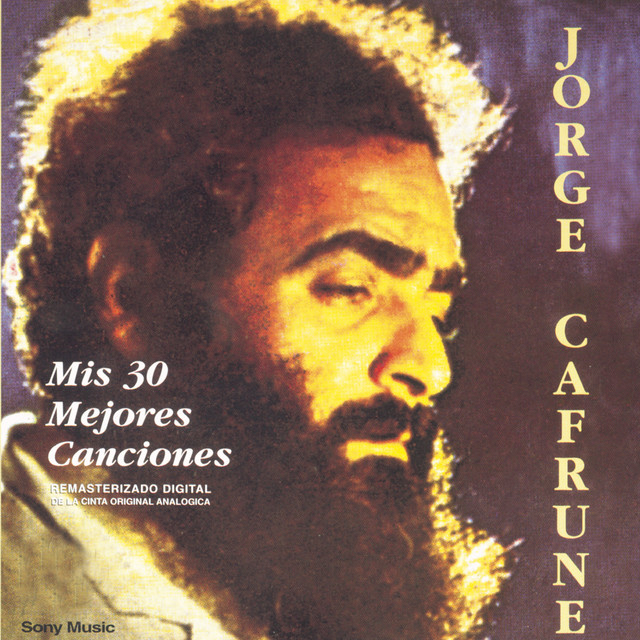
Jorge Cafrune
Zamba
Chamamé
Folklore Argentino
1
/5
Félix Pérez Cardozo
Chamamé
Folklore Argentino
Polka
4
/5
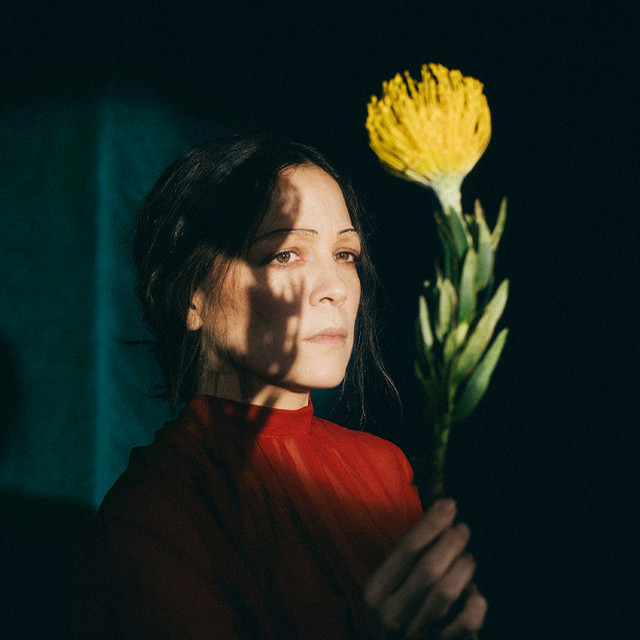
Natalia Lafourcade
Bolero
Latin Folk
Latin
Download our mobile app
Get the Melodigging app and start digging for new genres on the go
Download on the App Store
Get it on Google Play
© 2026 Melodigging
Give feedback
Legal
Melodding was created as a tribute to
Every Noise at Once
, which inspired us to help curious minds keep digging into music's ever-evolving genres.