Genres
Artists
Albums
Make Music
Sign in
Sign in
Artists
Chamamé
Artists
Chamamé
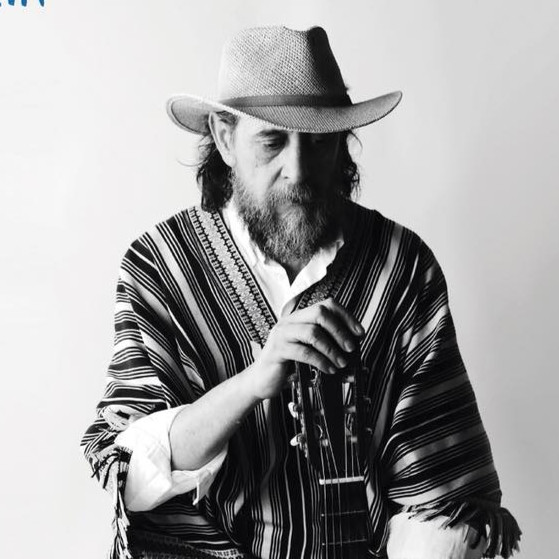
Félix Pérez Cardozo
2017
·
1 album
Listen
1
/5
Genres
Folklore Argentino
Folklore argentino (música folklórica argentina) is the umbrella term for Argentina’s regional traditional music and song. It gathers styles such as chacarera and zamba from the Northwest, chamamé and rasguido doble from the Litoral, cueca and tonada cuyana from Cuyo, malambo and milonga pampeana from the Pampas, vidala and baguala from the Andean northwest, and many more. While its roots stretch back to the colonial era and to indigenous traditions, the genre crystallized as a modern national repertoire during the mid‑20th‑century folkloric boom. It is marked by guitar-based accompaniment (rasgueado strumming), bombo legüero drum pulses, rich vocal traditions (solo and choral), and dance forms in compound meters with characteristic hemiolas. Themes often evoke the land, the gaucho, love and longing, community festivities, indigenous memory, and social justice.
Discover
Listen
Traditional Music
Traditional music is an umbrella term used in the mid–20th century by folklorists and ethnomusicologists to denote community-rooted, orally transmitted repertoires tied to social ritual, work, celebration, and storytelling. Unlike commercial pop or art-music traditions, traditional music is typically learned by ear, varies regionally, and evolves slowly through communal participation. It often features modal melodies, cyclic rhythms, heterophony or unison singing, and indigenous instruments whose timbres are integral to local identity. Lyrics tend to preserve language, history, and collective memory. While the musical practices themselves can be ancient, the phrase “traditional music” emerged to replace earlier, narrower or colonial framings like “folk” or “ethnic” music, foregrounding continuity, locality, and living practice rather than exoticism.
Discover
Listen
Chamamé
Chamamé is a traditional dance-music style from Argentina’s Litoral region (especially the province of Corrientes) characterized by a flowing 6/8–3/4 sesquiáltera feel, expressive accordion or bandoneón melodies, and guitars providing rhythmic and harmonic support. It is music for dancing in couples, with a swaying, gliding motion that mirrors the riverine landscapes of the Paraná and Uruguay rivers. The genre blends European social-dance influences (polka, schottische, mazurka, waltz) with Indigenous Guaraní aesthetics and language, often featuring the sapukai—a celebratory shout—within performances. Lyrically, chamamé is typically nostalgic and pastoral, evoking love, family, migration, and the natural environment, and it frequently mixes Spanish with Guaraní vocabulary.
Discover
Listen
Guarania
Guarania is a Paraguayan genre created in 1925 by composer José Asunción Flores to convey the introspective character and nostalgia of the Paraguayan people. It is marked by slow and melancholic rhythms, lyrical melodies—often in minor modes—and poetic lyrics in Spanish and/or Guaraní. The Paraguayan harp, alongside voice, guitar, and sometimes accordion or small ensembles, carries flowing arpeggios and sustained harmonies that give the style its dreamy, plaintive aura. The result is intimate, song-centered music that favors expressive phrasing and rubato over virtuosic speed.
Discover
Listen
Polka Paraguaya
Polka paraguaya is Paraguay’s distinctive take on the European polka, transformed in the Southern Cone into a vibrant dance-music idiom. Unlike the Central European 2/4 polka, the Paraguayan variant is commonly felt in 6/8 and features a hallmark sesquiáltera (hemiola) interplay between 6/8 and 3/4, producing a buoyant, forward-driving swing. The Paraguayan harp (arpa paraguaya) and guitars are core timbral signatures, with violin and sometimes accordion supplementing the ensemble. Two principal subtypes coexist: the faster instrumental galopa (dance-oriented) and the more lyrical polca canción (song form), often sung in Guaraní or in Jopará (a Spanish–Guaraní mix). Melodic lines tend to be diatonic and singable, harmony typically revolves around I–IV–V with occasional dominant preparations, and textures showcase arpeggiation, rasgueado strumming, and characteristic harp glissandi.
Discover
Listen
Polka
Polka is a lively Central European couple dance and musical style in a brisk 2/4 meter, characterized by its buoyant “oom‑pah” bass-chord accompaniment and bright, diatonic melodies. Originating in Bohemia (today’s Czech Republic) in the early 19th century, it quickly became a pan-European craze before taking root across immigrant communities in the Americas. Ensembles typically feature accordion or button box/concertina, clarinet or saxophone, trumpets/trombone, tuba or string bass, and drum kit, with regional variants highlighting different lead voices and rhythmic feels. While the classical ballroom tradition codified polka into formal strains (often AABB with a contrasting trio), folk and popular styles favor singable tunes, simple I–IV–V harmonies, and tempos commonly around 115–135 BPM, inviting upbeat social dancing and communal celebration.
Discover
Listen
Albums
2017
1
/5
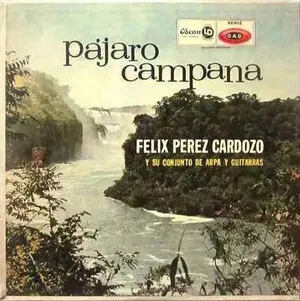
Pájaro campana
Félix Pérez Cardozo
Polka Paraguaya
Guarania
Similar artists
2
/5
Dúo Pérez - Peralta y Su Conjunto Paraguayo
Chamamé
Folklore Argentino
Polka
1
/5
Dúo Pora
Chamamé
Folklore Argentino
Polka
3
/5
Chango Spasiuk
Chamamé
Folklore Argentino
Polka
2
/5
Oscar Pérez con la Alegre Fórmula Nueva
Chamamé
Polka
Traditional Music
2
/5
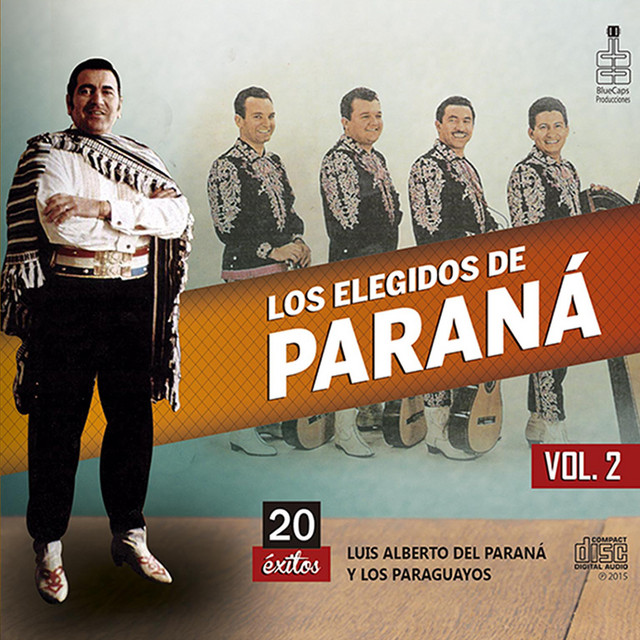
Luis Alberto Del Paraná
Chamamé
Folclor Andino
Latin Folk
2
/5
Los Alfonso
Chamamé
Polka
Traditional Music
2
/5
Dúo Méndez - López
Chamamé
Polka
Traditional Music
2
/5
Francisco Russo
Chamamé
Folklore Argentino
Polka
2
/5
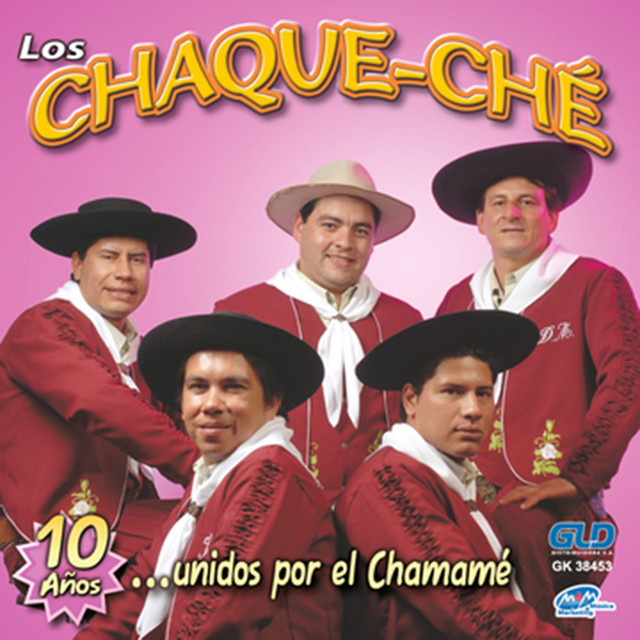
Los Chaque-Che
Chamamé
Folklore Argentino
Polka
2
/5
Dúo: Quiroga - Ferreira
Chamamé
Polka
Traditional Music
Download our mobile app
Get the Melodigging app and start digging for new genres on the go
Download on the App Store
Get it on Google Play
© 2026 Melodigging
Give feedback
Legal
Melodding was created as a tribute to
Every Noise at Once
, which inspired us to help curious minds keep digging into music's ever-evolving genres.