Genres
Artists
Albums
Make Music
Sign in
Sign in
Artists
Soundtrack
Artists
Soundtrack
Lorne Balfe
2012–2019
·
2 albums
Listen
3
/5
Genres
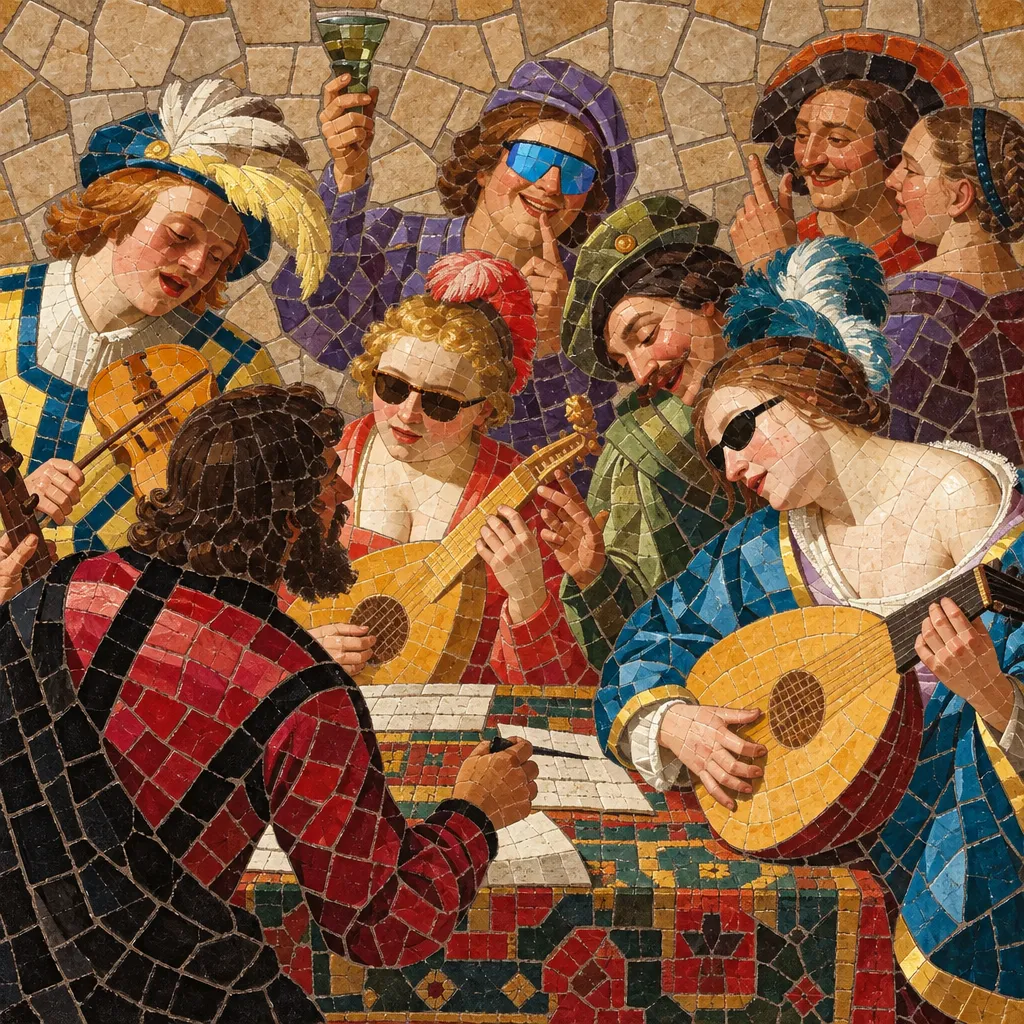
Bardcore
Bardcore is an internet-born microgenre in which contemporary pop, hip hop, and rock songs are reimagined as if performed by medieval or early Renaissance minstrels. Arrangements typically substitute modern instrumentation with lutes, harps, recorders, hurdy-gurdies, rebecs, shawms, hand drums, and choir-like vocals, while adapting melodies and harmonies to modal idioms (Dorian, Aeolian, Mixolydian). Lyrics are often translated into faux Middle English or archaic diction, and mixes are treated with intimate, stone-room reverbs to evoke a historical ambience. The result is a playful blend of historical pastiche and modern earworms that embraces both meme culture and early-music aesthetics.
Discover
Listen
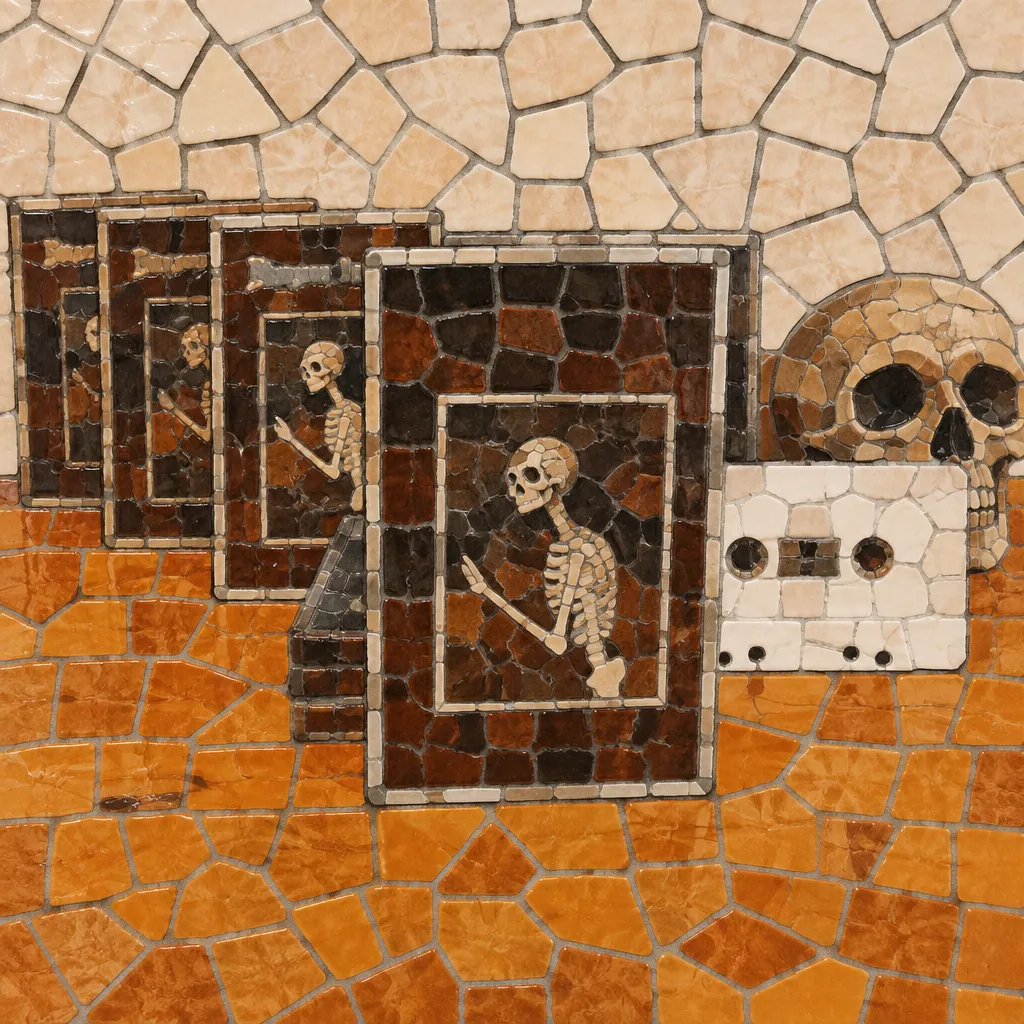
Dungeon Sound
Dungeon sound is an underground, lo‑fi strain of trap/phonk that cultivates a claustrophobic, “subterranean” atmosphere through tape‑worn samples, heavy sub‑bass, and ominous melodics. It typically borrows chopped and screwed vocal snippets from 1990s Memphis rap, horror film cues, and eerie ambient/drone textures to build a bleak mood. Production emphasizes dusty loops, minimal drum programming, and wide, cavernous reverb—evoking the feeling of beats echoing inside a dungeon. Tempos usually sit in the 90–110 BPM range (or presented in half‑time at higher grids), with punchy 808s, sparse hats, and saturated mixes that privilege vibe over polish.
Discover
Listen
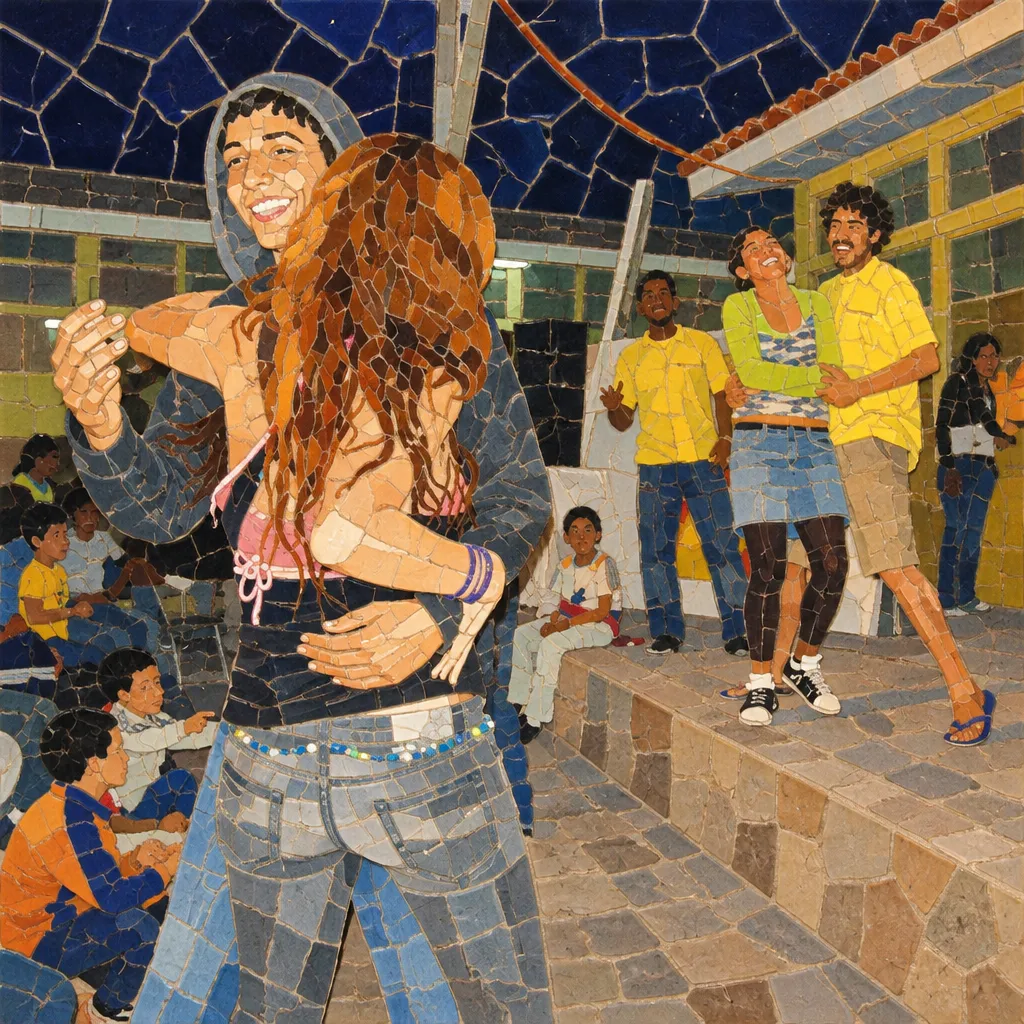
Doble Paso
Doble paso is a high‑tempo reggaetón variant characterized by running the classic dembow groove at double speed, creating a frenetic, hard‑hitting feel aimed squarely at the dance floor. Compared with standard reggaetón drum patterns (typically around 90–100 BPM), doble paso accelerates the same rhythmic skeleton to roughly 120–140 BPM, often accompanying a club dance of the same name. Producers keep the core syncopation and low‑end punch of reggaetón while tightening hi‑hats, adding denser percussion fills, and favoring short, chant‑like hooks that match the breathless pace. The result is intense, perreo‑ready energy that bridges classic reggaetón, Dominican dembow’s urgency, and club‑forward editing trends.
Discover
Listen
Deep Soundtrack
Deep soundtrack is a modern, cinematic substyle that emphasizes low, immersive textures, slow-moving harmony, and spacious ambience over bombast. It sits at the intersection of ambient music, post-classical scoring, and contemporary film/TV/game underscore, favoring drones, soft pulses, and intimate instruments (piano, strings, analog synths) treated with generous space and subtle sound design. Rather than foregrounding memorable themes or trailer-scale crescendos, deep soundtrack cultivates mood: tense, melancholic, or quietly hopeful. It is designed to sit under narrative, visuals, or concentration—music that breathes, evolves slowly, and suggests emotion without overwhelming it.
Discover
Listen
Flint Sound
Flint sound is a contemporary Michigan rap style centered in Flint, United States. It is characterized by fast, minimal, piano- or organ-led beats, dry and upfront vocals, and bar-by-bar “punch‑in” delivery that often rides slightly ahead of or behind the grid for a conversational, off‑kilter feel. The production typically favors bright piano loops, staccato 808 slides, crisp claps or rimshots, and sparse percussion, leaving plenty of space for relentless punchlines, gritty street reportage, and mischievous humor. While hard-edged and streetwise, the style frequently leans into charismatic personality and wit, making it both aggressive and infectious for dancing.
Discover
Listen
Modern Classical
Modern classical is a contemporary strand of instrumental music that applies classical composition techniques to intimate, cinematic settings. It typically foregrounds piano and strings, is sparsely orchestrated, and embraces ambience, repetition, and timbral detail. Rather than the academic modernism of the early 20th century, modern classical as used today refers to accessible, mood-driven works that sit between classical, ambient, and film music. Felt pianos, close‑miked string quartets, tape hiss, drones, soft electronics, and minimal harmonic movement are common, producing a contemplative, emotionally direct sound that translates well to headphones, streaming playlists, and screen media.
Discover
Listen
Post-Minimalism
Post-minimalism is a strand of contemporary classical music that grows out of 1960s minimalism but permits greater harmonic variety, expressive shaping, and formal narrative. It retains hallmarks such as steady pulse, repetitive patterns, and clear tonal or modal centers, yet loosens strict process rules, welcomes richer orchestration, and often draws on influences from rock, jazz, and non-Western musics. Compared with early minimalism’s austere procedures, post-minimalist works tend to feature long-arching climaxes, brighter triadic harmony, layered ostinati, and dynamic textural changes, yielding music that can be both hypnotic and overtly dramatic. The style appears in concert works, opera, chamber music, and film, where its driving pulse and luminous harmonies translate into compelling narrative momentum.
Discover
Listen
British Soundtrack
British soundtrack refers to film and television scoring created in the United Kingdom, spanning orchestral concert-hall traditions, jazz-inflected cues, experimental tape and synth techniques, and pop/rock idioms. It is distinguished by its blend of pastoral, modal harmony and a penchant for distinctive leitmotifs, as well as a long history of innovative sound design from the BBC Radiophonic Workshop. From William Walton and Ralph Vaughan Williams’s symphonic scores to John Barry’s sleek, jazz-tinged Bond sound and the BBC’s pioneering electronic themes, British soundtrack style balances lyrical melody with mood-forward atmospherics. Modern practitioners continue the lineage with hybrid orchestral-electronic palettes, refined dramatic pacing, and clear narrative signposting.
Discover
Listen
Soundtrack
Soundtrack is music created to accompany and enhance visual media such as film, television, and video games. It includes original scores (instrumental or vocal music composed specifically for the picture) and, at times, curated compilations of pre-existing songs. Stylistically, soundtrack is a meta-genre that can encompass orchestral symphonic writing, jazz, electronic and synth-driven textures, choral forces, popular song, and experimental sound design. Its defining trait is functional storytelling: themes, motifs, harmony, rhythm, and timbre are shaped by narrative needs, character psychology, pacing, and editing. Common features include leitmotifs for characters or ideas, modular cues that can be edited to picture, dynamic orchestration for dramatic range, and production approaches that sit well under dialogue and sound effects. Because it must synchronize to picture, soundtrack often uses clear dramatic arcs, tempo maps, and hit points.
Discover
Listen
Score
Score refers to original music composed to synchronize with and shape the narrative of visual media—primarily film, television, and, later, video games. Unlike a “soundtrack,” which often compiles pre-existing songs, a score is written to picture, uses timing cues to support storytelling beat by beat, and develops recurring themes (leitmotifs) for characters, settings, or ideas. The palette ranges from late‑Romantic orchestration and modernist harmony to jazz idioms, electronic sound design, and global instrumentation. Hallmarks include thematic development, hit points, motif variation, orchestration color, and a close relationship with sound effects and dialogue in the final mix.
Discover
Listen
Spectra
Spectra appears on Every Noise at Once, a map of genres identified by Spotify, in Spotify’s genre labels for artists, and in The Sounds of Spotify playlist “The Sound of Spectra”; little has been written about it. Much of the music is spacious and contemplative, built from sustained synthesizer tones, slowly changing chords and repeating arpeggios. Some pieces have no drums or clear pulse, letting their patterns drift through reverberant space. Others settle into slow, heavy grooves with drums, deep electric bass and clean guitar alongside synthesizers. Vocals appear in some tracks, though instrumental music is prominent. The music ranges from beatless ambient and minimalist electronics to moody, slow-grooving music with blues, soul and art-pop elements. Its artists are also associated with drone, electroacoustic music and experimental music: sustained tones, repetition and processed sound help shape its atmospheric character. Moods range from serene and meditative to melancholic or nocturnal. Track titles appear in English, Spanish, French and other languages. The listed tracks and albums span releases from 1989 to 2025.
Discover
Listen
Show all 11 genres
Albums
2019
3
/5
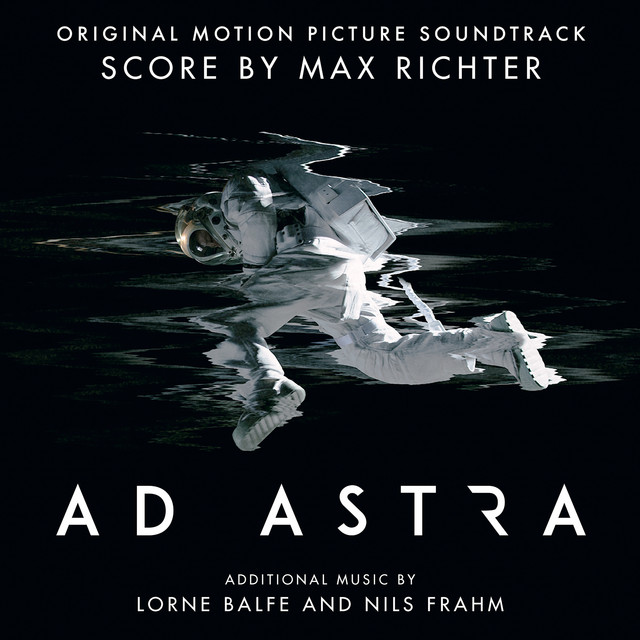
Ad Astra (Original Motion Picture Soundtrack)
Max Richter
Post-Minimalism
Modern Classical
Score
2012
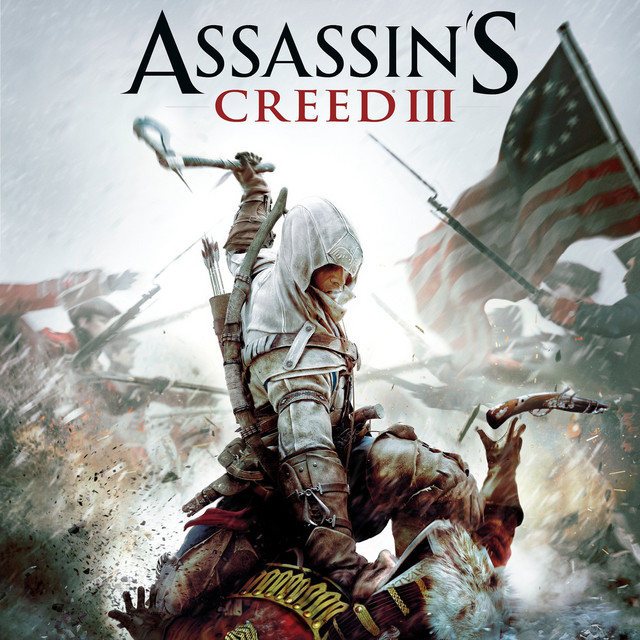
Assassin's Creed 3 (Original Game Soundtrack)
Lorne Balfe, Assassin's Creed
British Soundtrack
Similar artists
5
/5
Hans Zimmer
Score
Soundtrack
Classical
4
/5
Max Richter
Post-Minimalism
Classical
Contemporary Classical
4
/5
Nils Frahm
Minimalism
Contemporary Classical
Modern Classical
3
/5
Murray Gold
Score
Soundtrack
Electronic
4
/5
Ramin Djawadi
Score
Soundtrack
Classical
4
/5
Joe Hisaishi
Anime
Classical
Electronic
4
/5
Lisa Gerrard
Ambient
Classical
Electronic
3
/5
Ilan Eshkeri
Soundtrack
Classical
Video Game Music
4
/5
Marcin Przybyłowicz
Medieval
Soundtrack
Slavic Folk Metal
3
/5
Jonny Greenwood
Classical
Classical Crossover
Electronic
Download our mobile app
Get the Melodigging app and start digging for new genres on the go
Download on the App Store
Get it on Google Play
© 2026 Melodigging
Give feedback
Legal
Melodding was created as a tribute to
Every Noise at Once
, which inspired us to help curious minds keep digging into music's ever-evolving genres.