Genres
Artists
Albums
Make Music
Sign in
Sign in
Artists
Corrido
Artists
Corrido
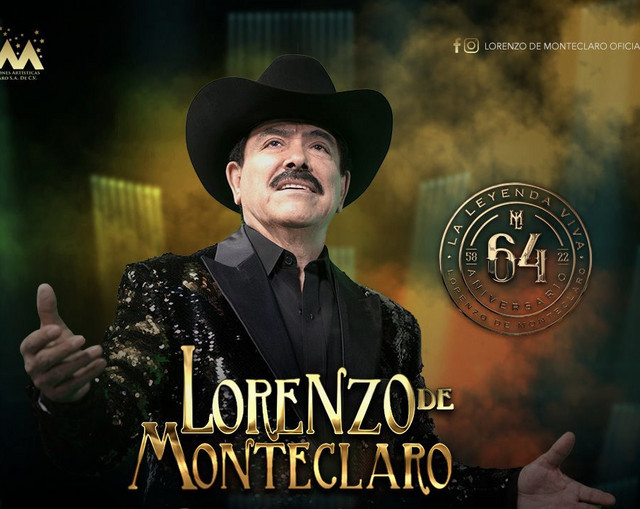
Lorenzo De Monteclaro
Listen
3
/5
Genres
Norteño
Norteño (música norteña) is a Mexican regional style built around the bright timbre of the diatonic button accordion and the driving strum of the bajo sexto. Rooted in borderland dance music, it blends Central European polka, waltz, and schottische rhythms with Mexican corrido storytelling and ranchera songcraft. Characterized by brisk 2/4 polkas and lilting 3/4 waltzes, norteño songs range from narrative corridos about migration and everyday struggles to romantic ballads and party tunes. Traditional ensembles used tololoche (upright bass) and snare, while modern groups often add electric bass, full drum kits, and occasionally tenor sax (in the norteño-sax substyle) or tuba (in norteño-banda). The result is a dance-forward, story-rich music that bridges rural and urban audiences on both sides of the U.S.–Mexico border.
Discover
Listen
Regional Mexicano
Regional Mexicano (Música Mexicana) is an umbrella term for folk-derived regional styles from Mexico and their Mexican American continuations in the Southwestern United States. Rather than one single sound, it gathers subgenres tied to specific regions—such as mariachi and ranchera (Jalisco/Centro-Occidente), norteño and sierreño (Norte), banda sinaloense (Sinaloa), and narrative corridos that travel nationwide. Its foundations reach back to the 16th–19th centuries, when Indigenous musical practices fused with Spanish song forms, African rhythms, and European dance-band traditions (polka, waltz, schottische), later meeting brass-band instrumentation and, in the North, accordion-led ensembles. In the 20th century it consolidated through radio, cinema, and records, and in the late 20th century became a major Spanish-language radio format in the U.S. Today it ranges from emotive ranchera ballads to high-energy banda and norteño dance music and modern corridos that reflect contemporary social life.
Discover
Listen
Banda Sinaloense
Banda sinaloense is a brass-driven regional Mexican style that arose in the state of Sinaloa, blending European military band sonorities with local dance and song forms. Ensembles typically feature clarinets, trumpets, trombones, alto/baritone horns, and a tuba or sousaphone, anchored by the iconic tambora (bass drum with mounted cymbal) and tarola (snare drum). Its repertoire spans lively polkas, waltzes, mazurkas, schottisches, and pasodobles, alongside Mexican corridos, rancheras, boleros, and modern cumbias. The sound is powerful and celebratory: unison brass fanfares, tight harmonized lines, and a driving “oom‑pah” low end support emotive lead vocals and energetic percussion, making it a staple of festivals, dances, and contemporary charts.
Discover
Listen
Corrido
Corrido is a Mexican narrative ballad tradition that tells real or imagined stories about heroes, outlaws, battles, tragedies, and contemporary events. It is strophic, usually built from octosyllabic lines organized into quatrains with assonant rhyme, and features a declamatory vocal delivery designed to make the storyline clear. Musically, corridos are commonly set to dance-derived rhythms such as polka in 2/4 or waltz in 3/4, reflecting 19th‑century European influences absorbed in northern Mexico. They are performed by different ensembles—most famously norteño groups with accordion and bajo sexto, mariachi with violins and trumpets, or banda with brass and tuba—yet the poetic form and storytelling remain central. Typical corridos open with a saludo (greeting/announcement), present the narrative in chronological episodes rich with names, places, and dates, and close with a despedida (farewell or moral). Modern variants include narcocorridos and, more recently, corridos tumbados that fuse the narrative form with contemporary urban and trap aesthetics.
Discover
Listen
Ranchera
Ranchera (canción ranchera) is a traditional Mexican song genre characterized by passionate, emotive vocals; memorable, singable melodies; and direct, heartfelt lyrics about love, heartbreak, drinking, patriotism, rural life, and personal honor. Although its roots reach back to rural song traditions of the late 18th and early 19th centuries, ranchera consolidated as a national popular style before the Mexican Revolution and was later projected across Latin America through the Golden Age of Mexican cinema. The genre is commonly performed with mariachi (violins, trumpets, vihuela, guitarra, guitarrón), but it can also appear with norteño, banda, or solo voice-and-guitar arrangements. Musically, rancheras often use simple strophic or verse–chorus forms, tonal harmonies (I–IV–V with occasional secondary dominants or modulations), and meters in 3/4 (vals ranchero) or 2/4 and 4/4 (ranchera alegre or ranchera lenta). Vocal delivery features expressive rubato, dramatic dynamic arcs, and the iconic grito (a shouted cry) between phrases.
Discover
Listen
Mariachi
Mariachi is a traditional Mexican ensemble and performance practice that crystallized in western Mexico (especially Jalisco, Colima, Nayarit, and Michoacán) and later became a national and international emblem of Mexican music. Modern mariachi bands typically feature multiple violins, two trumpets, and a rhythm section anchored by the high‑pitched, five‑string vihuela and the deep, fretless guitarrón, often alongside a standard guitar and, in some historic or regional variants, the Mexican harp. The sound balances bright, projecting trumpets and soaring violins over rich strummed textures and a powerful, melodic bass line. Repertoire spans regional sones (including son jalisciense), huapangos, rancheras, corridos, boleros, waltzes, and polkas. Vocal delivery is central: most players sing in stacked harmonies, trade lead verses, and punctuate performances with expressive gritos (exclamations). Costuming (charro suits) and stylized stagecraft are integral to the genre’s identity.
Discover
Listen
Similar artists
5
/5
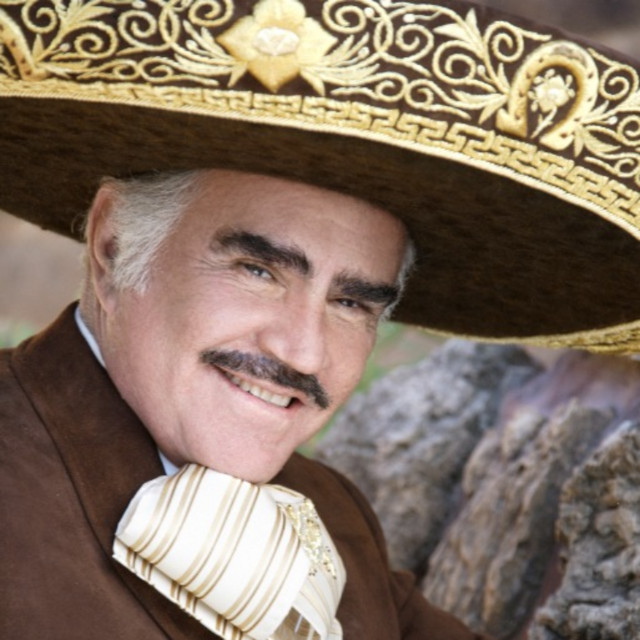
Vicente Fernández
Bolero
Mariachi
Ranchera
4
/5
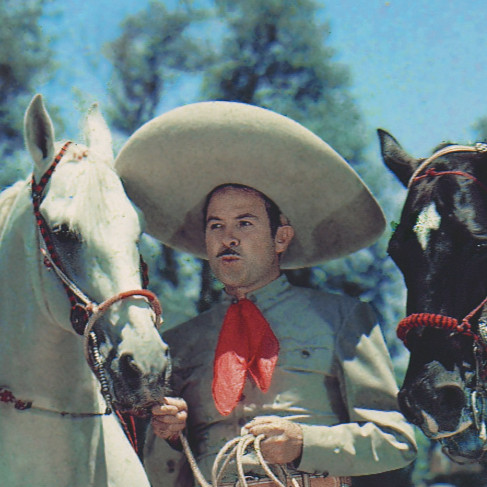
Antonio Aguilar
Corrido
Mariachi
Bolero
4
/5
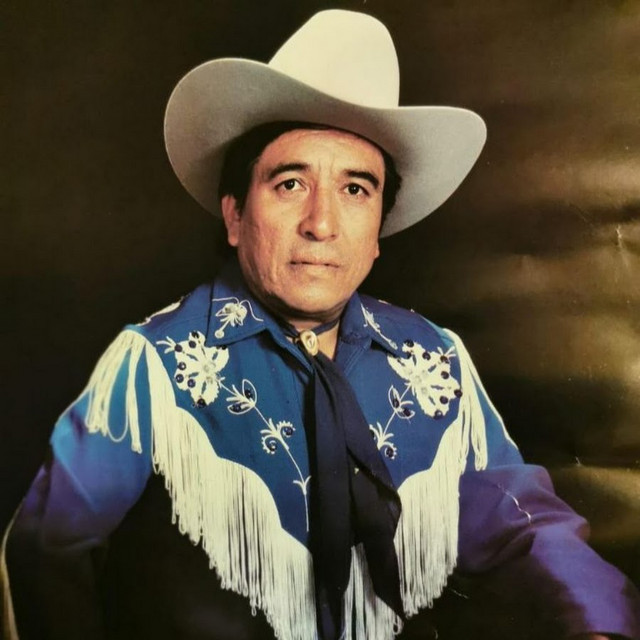
Cornelio Reyna
Corrido
Mariachi
Norteño
4
/5
Chayín Rubio
Mariachi
Banda
Corrido
4
/5
José Alfredo Jimenez
Mariachi
Ranchera
Bolero
5
/5
Banda MS de Sergio Lizárraga
Banda Sinaloense
Bandas De Viento De México
Regional Mexicano
5
/5
Joan Sebastian
Grupera
Mariachi
Ranchera
4
/5
El Fantasma
Ranchera
Norteño
Banda
4
/5
Valentín Elizalde
Corrido
Banda Sinaloense
Bandas De Viento De México
4
/5
El Chapo De Sinaloa
Banda
Corridos Alternativos
Duranguense
Download our mobile app
Get the Melodigging app and start digging for new genres on the go
Download on the App Store
Get it on Google Play
© 2026 Melodigging
Give feedback
Legal
Melodding was created as a tribute to
Every Noise at Once
, which inspired us to help curious minds keep digging into music's ever-evolving genres.