Genres
Artists
Albums
Make Music
Sign in
Sign in
Artists
Pinoy Rock
Artists
Pinoy Rock
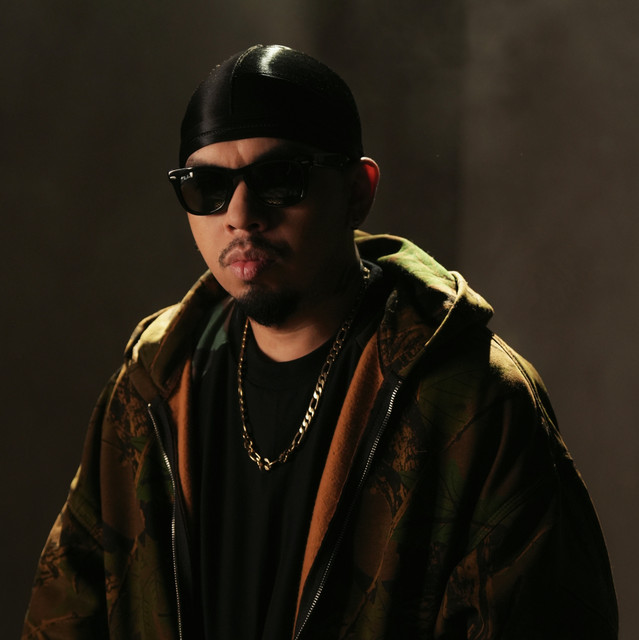
Loonie
2016
·
1 album
Listen
4
/5
Genres
Indie R&b
Indie R&B (often overlapping with or adjacent to "alternative R&B") is a strand of contemporary R&B that embraces independent, DIY, and art-pop sensibilities. It blends the vocal intimacy and melodic DNA of classic soul and modern R&B with left-field electronic production, ambient textures, and experimental song forms. The sound foregrounds space, mood, and atmosphere: hushed vocals, gauzy synth pads, deep sub‑bass, and half‑time grooves are common. Lyrics tend to be introspective and diaristic, exploring intimacy, vulnerability, identity, and late‑night urban life. Rather than radio‑oriented sheen, Indie R&B often favors lo‑fi warmth, minimalist arrangements, and boundary‑pushing production choices.
Discover
Listen
Pinoy R&b
Pinoy R&B is the Filipino interpretation of contemporary rhythm and blues that blends the vocal aesthetics of US R&B and soul with the melodic sensibilities of Original Pilipino Music (OPM). Characterized by melismatic lead vocals, stacked harmonies, lush keys, electric piano and guitar textures, and hip‑hop–informed drum programming, it often uses Tagalog, English, or Taglish lyrics. Themes revolve around love, heartbreak, resilience, and "hugot" (deep emotional catharsis). Production ranges from smooth, radio‑friendly ballads to minimalist trap‑soul, but remains distinctly vocal‑centric. The genre took shape in the late 1990s and flourished in the 2000s through major-label releases and TV/radio exposure, later evolving online with indie and bedroom R&B acts. Diasporic ties (Filipino communities in North America and beyond) further shaped its sound and audience.
Discover
Listen
Pinoy Hip Hop
Pinoy hip hop (Filipino hip hop) is the Philippines’ take on rap culture, blending the foundations of American hip hop with local languages, melodies, and storytelling traditions. Artists frequently switch between Tagalog and English ("Taglish"), as well as other Philippine languages (e.g., Cebuano, Ilocano), creating a conversational and culturally specific lyrical voice. Musically, the style spans classic boom-bap and G‑funk to contemporary trap and pop-rap. Producers often sample or interpolate OPM (Original Pilipino Music) ballads and love songs, mixing sentimental hooks with gritty verses. Thematically, Pinoy hip hop ranges from braggadocio and nightlife to social critique, diaspora identity, humor, and “hugot” (emotionally candid) storytelling. The genre is rooted in Manila’s dance and DJ culture but has grown nationally and within the diaspora. Battle rap culture—particularly the FlipTop league—has been a major force, foregrounding lyricism, multisyllabic rhyme schemes, and the debate-like tradition reminiscent of Balagtasan.
Discover
Listen
Pinoy Rock
Pinoy rock is the Filipino take on rock music, distinguished by its use of Tagalog and other Philippine languages, melodic songcraft, and a strong sense of place and social commentary. Rooted in classic rock and roll, blues rock, and psychedelic rock of the 1960s–70s, it crystallized in the early 1970s when artists began writing original rock songs in Tagalog. Over time it absorbed punk, new wave, alternative rock, and metal, creating a broad spectrum that runs from anthemic, guitar-driven classics to edgy, socially charged punk and radio-friendly pop-rock. Beyond sound, Pinoy rock is a cultural movement: it chronicles everyday life, humor, love, and political realities in the Philippines, often with catchy hooks, sing-along choruses, and conversational, Taglish (Tagalog-English) lyrics.
Discover
Listen
Opm
OPM (Original Pilipino Music) is the umbrella term for Filipino popular music, encompassing mainstream pop, soft rock, ballads, and band music primarily sung in Filipino languages (especially Tagalog) as well as English. The tag crystallized in the 1970s alongside the Manila Sound movement and the formation of a modern local recording industry that foregrounded Filipino songwriting and artists. Stylistically, OPM blends Western pop/rock and soul with indigenous and Hispanic-influenced Filipino song traditions such as kundiman and harana. Melodies tend to be singable and emotive, harmony is diatonic with occasional modulations, and lyrics often revolve around love, nostalgia, family, and national identity. Across decades, OPM has continually evolved—from disco-tinged 70s pop and 80s power ballads to 90s alternative band culture and today’s polished pop and R&B—while remaining distinctively Filipino in sensibility and storytelling.
Discover
Listen
Albums
2016
3
/5
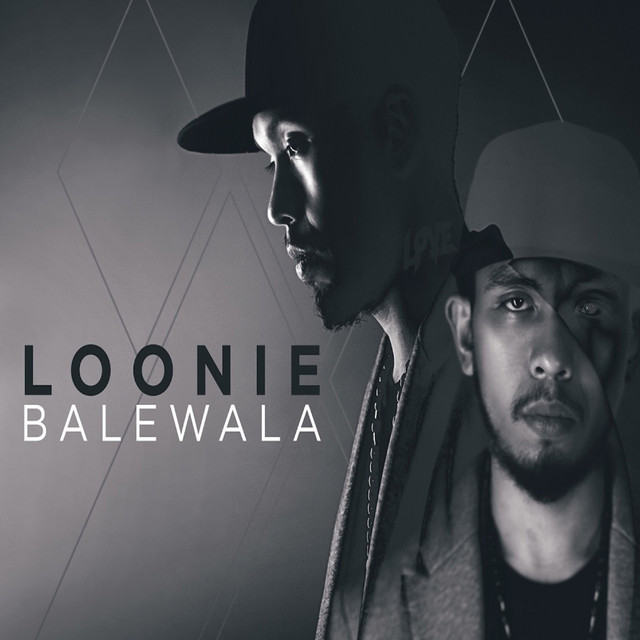
Balewala
Loonie
Pinoy Rock
Similar artists
4
/5
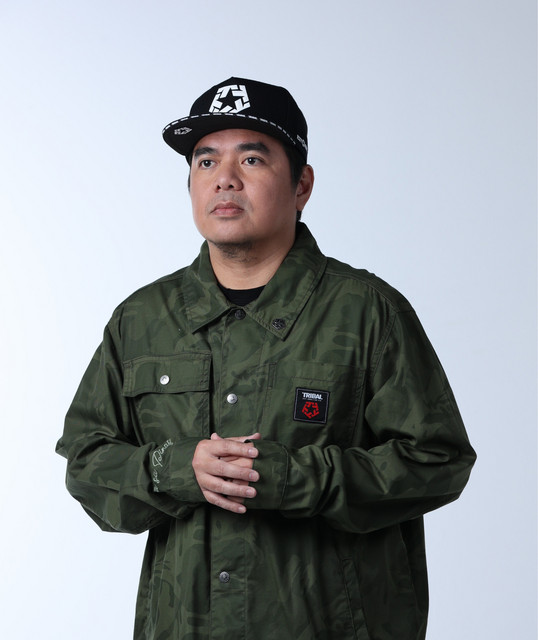
Gloc-9
Opm
P-Pop
Pinoy Alternative
3
/5
Andrew E.
Budots
Opm
P-Pop
3
/5
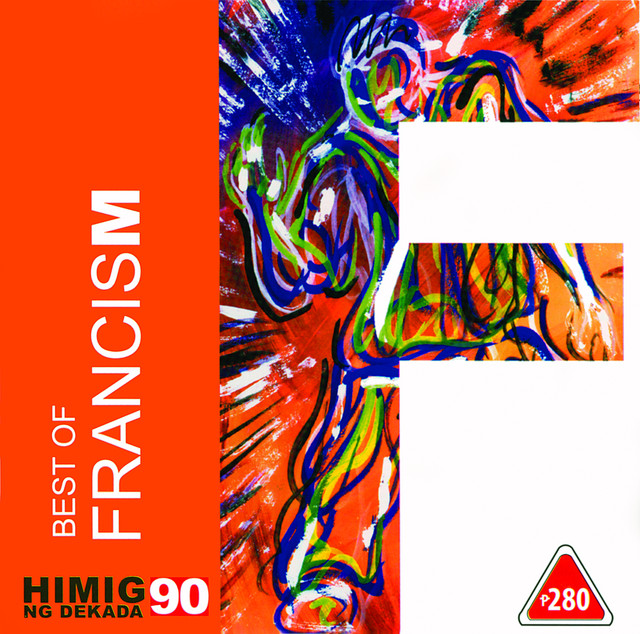
FrancisM
Opm
P-Pop
Pinoy Alternative
3
/5
Side A
Pinoy Alternative
Pinoy Rock
Opm
3
/5
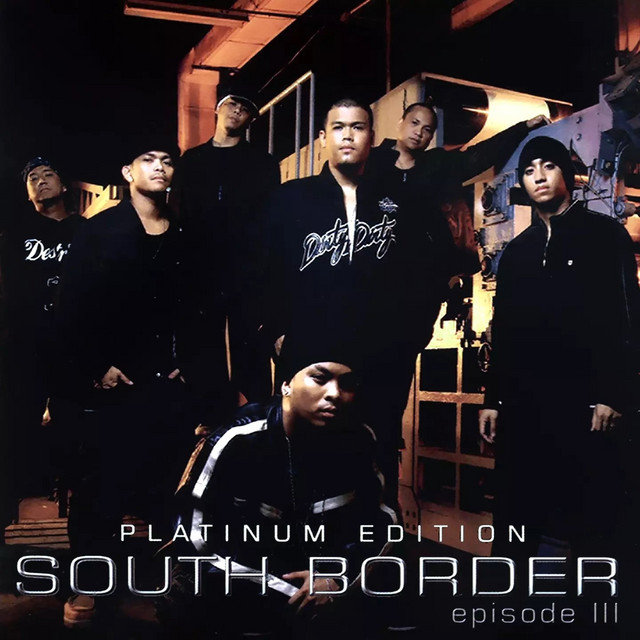
South Border
Pinoy Alternative
Pinoy Rock
Harana
4
/5
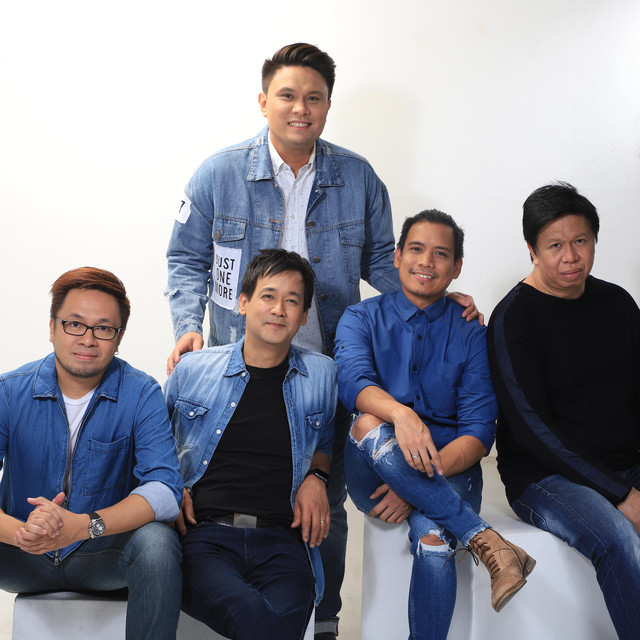
Flow G
Tagalog Rap
Pinoy Hip Hop
P-Pop
4
/5
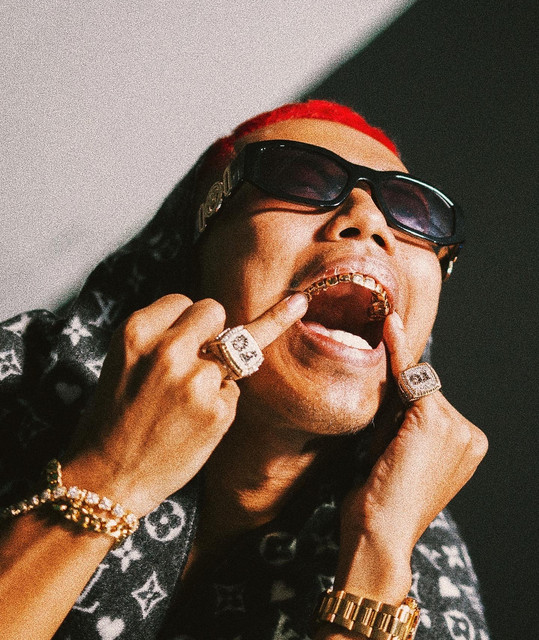
Skusta Clee
Tagalog Rap
Pinoy Hip Hop
Opm
4
/5
Hev Abi
Pinoy Hip Hop
P-Pop
Opm
4
/5
HELLMERRY
Pinoy Hip Hop
Opm
Tagalog Rap
4
/5
Parokya Ni Edgar
Harana
Opm
P-Pop
Download our mobile app
Get the Melodigging app and start digging for new genres on the go
Download on the App Store
Get it on Google Play
© 2026 Melodigging
Give feedback
Legal
Melodding was created as a tribute to
Every Noise at Once
, which inspired us to help curious minds keep digging into music's ever-evolving genres.