Genres
Artists
Albums
Make Music
Sign in
Sign in
Artists
Tropical Music
Artists
Tropical Music
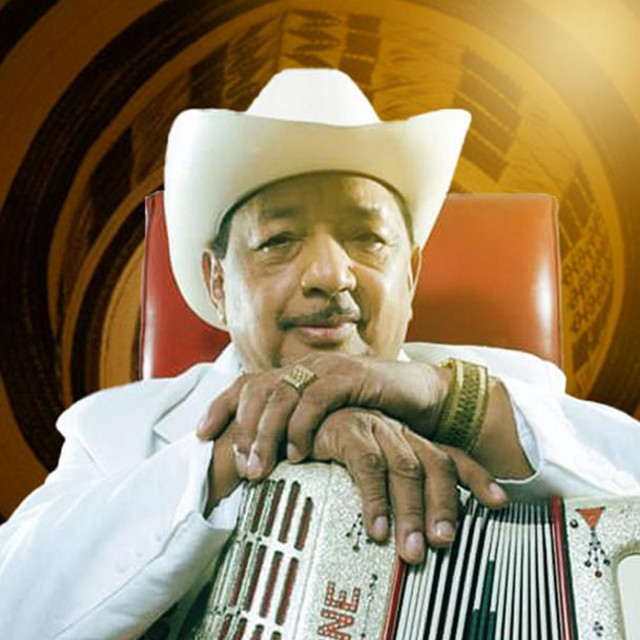
Lisandro Meza
1999–2021
·
3 albums
Listen
4
/5
Genres
Cumbia Editada
Cumbia editada (also seen as “kumbias editadas”) is a DJ‑driven offshoot of Mexican cumbia and the sonidero sound system tradition. It consists of re‑editing existing cumbia recordings—looping hooks, inserting stutters and rewinds, applying heavy echo and delay, and adding sound‑effects drops (sirens, air horns, lasers), DJ tags, and MC dedications. Born in dance floors, neighborhood street parties, and later on social video platforms, cumbia editada privileges crowd response and DJ functionality. Tracks often extend intros/outros for mixing, emphasize percussion breaks, and sometimes adopt the slowed, woozy feel popular in northern Mexico, while keeping the romantic and melodic core of classic cumbia.
Discover
Listen
Electrocumbia
Electrocumbia (often called digital cumbia or nu-cumbia) is a contemporary, electronic reinterpretation of traditional cumbia. It merges cumbia’s signature off‑beat percussion, guacharaca/güiro textures, and tumbao bass with modern production elements such as synthesizers, drum machines, sampling, and dub-style effects. While rooted in Colombian cumbia, the style took shape across Latin America—especially within Buenos Aires’ club scene—where producers fused folkloric rhythms with downtempo, house, hip hop, and dub aesthetics. The result is a sound that can be both hypnotic and dance‑forward, oscillating between dreamy, psychedelic atmospheres and gritty, bass‑heavy grooves.
Discover
Listen
Cumbia Sonidera
Cumbia sonidera is a Mexican urban style of cumbia shaped by the neighborhood sound-system (sonidero) culture of Mexico City and Puebla. It features mid-tempo grooves, prominent electronic keyboards or accordion doubling the melody, punchy bass lines, güiro and timbales/congas, and heavy use of echo, reverb, and DJ shout-outs (saludos y dedicatorias). Built for social dancing and open-air parties, the style blends Colombian cumbia roots with Mexican popular and grupera sensibilities. Its signature is not only musical—it's the live performance practice: extended mixes, segues between tracks, and a charismatic MC steering the dance floor with dedications, drops, and dub-style effects.
Discover
Listen
Tropical Music
Tropical music (música tropical) is an umbrella for dance-oriented Afro-Caribbean and coastal Latin American styles that were popularized across the Spanish-speaking world in the mid‑20th century. It blends African-derived polyrhythms and percussion with horn-led orchestras, call-and-response vocals, and catchy, romantic choruses. Typical repertoires mix cumbia, porro, merecumbé, son, mambo, merengue, pachanga, bolero, and related rhythms, presented by big bands or compact combos aimed squarely at social dancing. Beyond a single beat or tempo, the hallmark is a bright, syncopated groove (often organized around the clave), tumbao bass lines, montuno piano patterns, and sectional brass “mambos.” Over time, tropical music absorbed electric instruments and studio production while keeping its festive, coastal character.
Discover
Listen
Cumbia Colombiana
Cumbia colombiana is the foundational, coastal style of cumbia that emerged on Colombia’s Caribbean littoral. It fuses Indigenous gaita flute traditions, Afro-Colombian drumming, and Iberian melodic sensibilities into a hypnotic, swaying dance music. Traditional ensembles center on gaita hembra and gaita macho flutes, a three-drum battery (tambora, alegre, and llamador), and maracas; later urban and big-band formats added brass, accordion, electric bass, and piano. The groove sits in 2/4 or relaxed 4/4 with a characteristic tresillo and offbeat maraca chatter, while melodies often trace minor or Dorian contours. Its earthy, processional feel—once associated with candlelit courtship dances—became a national sound and a pan–Latin blueprint for countless cumbia variants.
Discover
Listen
Latin
Latin (as a genre label) is a broad umbrella used by the recording industry to categorize popular music rooted in Latin America, the Caribbean, and the Iberian world, often characterized by syncopated Afro-diasporic rhythms, dance-forward grooves, and lyrics primarily in Spanish or Portuguese. As a marketplace category that took shape in the mid-20th century United States, it gathers diverse traditions—Afro-Cuban, Brazilian, Mexican, and Caribbean styles—into a shared space. In practice, "Latin" spans everything from big-band mambo and bolero ballads to contemporary pop, rock, hip hop, and dance fusions produced by artists of Latin American heritage.
Discover
Listen
Vallenato
Vallenato is a traditional folk-pop genre from Colombia’s Caribbean region that centers on storytelling and danceable rhythms. Its signature sound comes from a trio: the diatonic button accordion (melody and riffs), the caja vallenata (a small, single-headed drum providing punchy accents), and the guacharaca (a ribbed scraper driving the groove). Classic vallenato is organized into four main aires (rhythmic-feel types): paseo (lyrical and versatile), merengue (not to be confused with the Dominican genre; it is brisk and bouncy), puya (the fastest and most virtuosic), and son (the slowest, deeply expressive and sentimental). Themes often revolve around love, everyday life, travel, and regional identity, delivered through vivid narrative verses and memorable choruses. Over time, vallenato has absorbed elements of cumbia, porro, son cubano, and bolero, and it has also blended with pop and rock to create modern variants. In 2015, UNESCO recognized the “Traditional Vallenato music of the Greater Magdalena region” as Intangible Cultural Heritage in need of safeguarding, underscoring both its cultural importance and the need to preserve its roots.
Discover
Listen
Cumbia
Cumbia is a syncretic dance-music tradition from Colombia’s Caribbean coast that blends African rhythmic heritage, Indigenous (especially gaita flute) melodic practice, and Spanish colonial instrumentation and forms. Traditionally performed in a moderate 2/4 (often felt in 4/4 today), it features interlocking hand-drum parts (tambora, alegre, llamador), guacharaca or maracas for steady texture, and long cane flutes (gaita hembra and gaita macho) carrying call-and-response melodies. As it spread in the 20th century, orchestras and dance bands added accordion, horns, piano, bass, and later electric guitar and synthesizers, creating urban and pan–Latin American variants. Harmonically simple and rhythm-forward, cumbia places groove, ostinati, and vocal refrains at the center, making it both ceremonial in origin and enduringly popular on social dance floors across the Americas.
Discover
Listen
Show all 8 genres
Albums
2021
3
/5
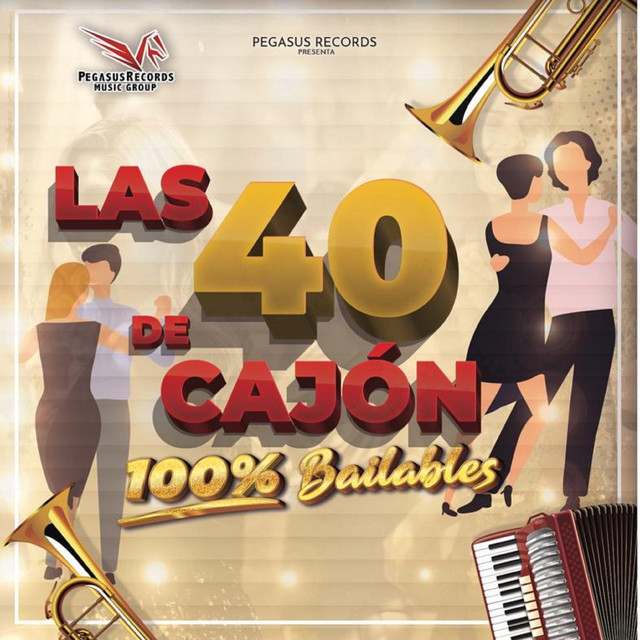
Las 40 de Cajon 100% Bailables
Lisandro Meza
Tropical Music
2020
4
/5
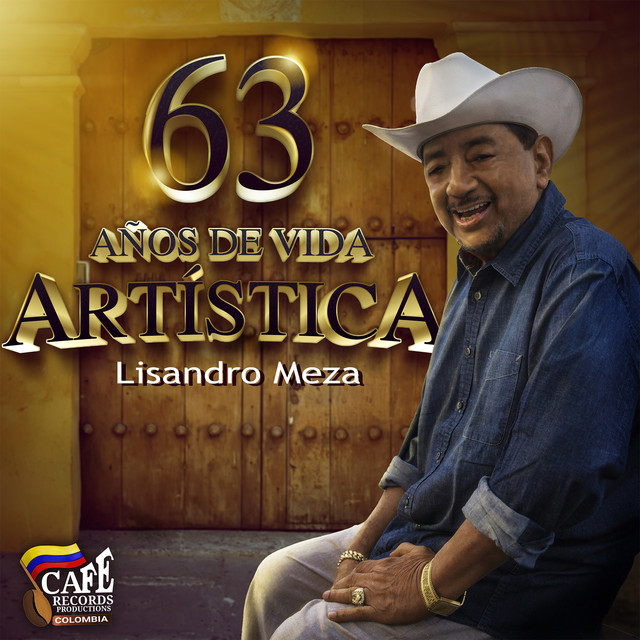
63 Años de Vida Artística
Lisandro Meza
Tropical Music
1999
1
/5
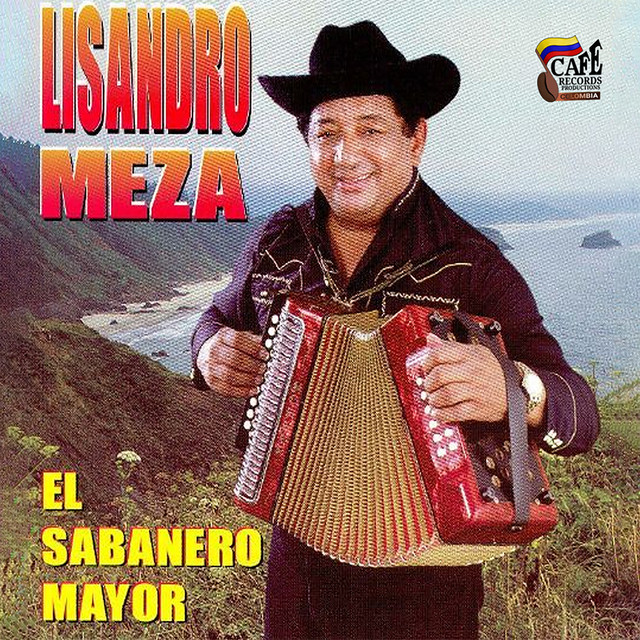
El Sabanero Mayor, Vol. 2
Lisandro Meza
Tropical Music
Similar artists
3
/5
Super Lamas
Cumbia
Cumbia Sonidera
Electrocumbia
1
/5
Various Artists
Afro-Funk
Alternative Rock
Ambient
3
/5
Los Mirlos
Cumbia Amazónica
Cumbia
Cumbia Peruana
2
/5
Son Rompe Pera
Cumbia
Cumbia Mexicana
Cumbia Sonidera
1
/5
Grupo Jejeje
Cumbia Sonidera
Cumbia
Cumbia Mexicana
4
/5
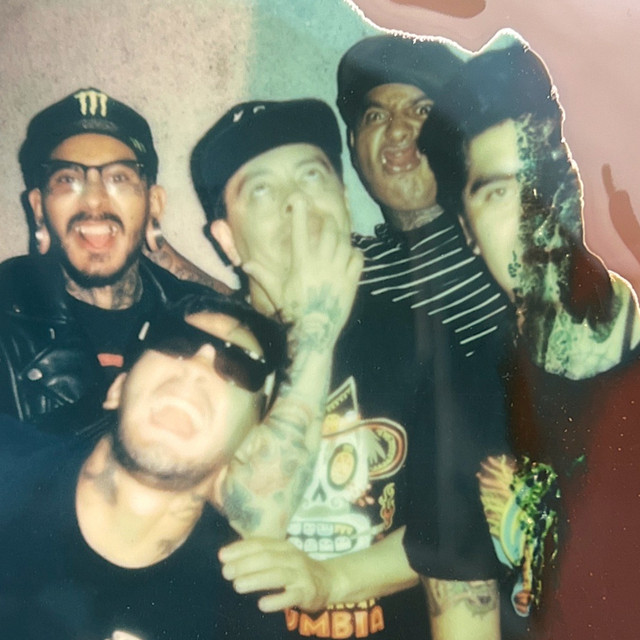
Junior Klan
Son Jarocho
Tropical Music
Cumbia Sonidera
3
/5
El Super Show De Los Vaskez
Son Jarocho
Tropical Music
Cumbia
3
/5
Nelson Kanzela
Tropical Tecladista
Son Jarocho
Tropical Music
3
/5
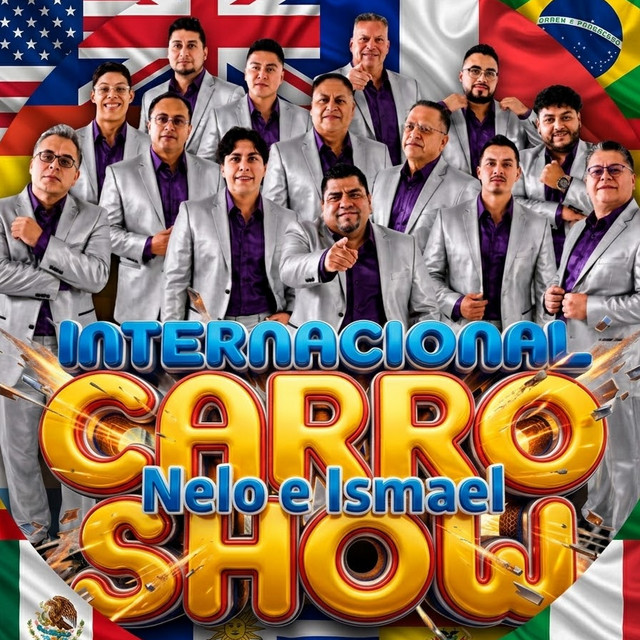
Internacional Carro Show
Tropical Music
Cumbia
Cumbia Sonidera
4
/5
Rodolfo Aicardi
Tropical Music
Chill Pop
Cumbia
Download our mobile app
Get the Melodigging app and start digging for new genres on the go
Download on the App Store
Get it on Google Play
© 2026 Melodigging
Give feedback
Legal
Melodding was created as a tribute to
Every Noise at Once
, which inspired us to help curious minds keep digging into music's ever-evolving genres.