Genres
Artists
Albums
Make Music
Sign in
Sign in
Artists
Frenchcore
Artists
Frenchcore
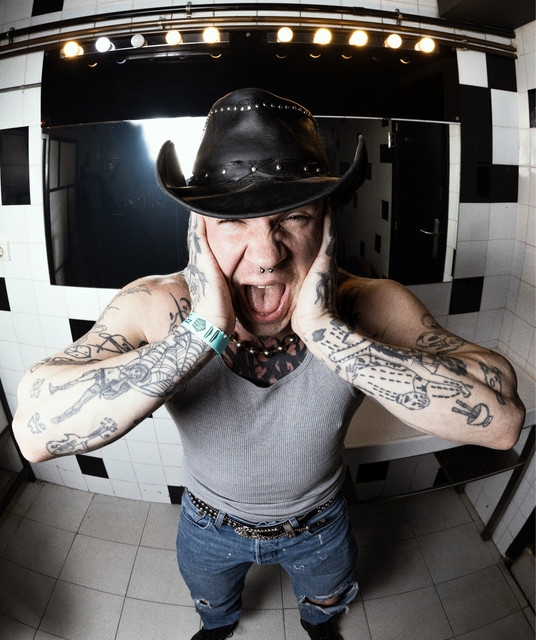
Lil Texas
2022–2025
·
7 albums
Listen
4
/5
Genres
Epadunk
Epadunk (also called raggardunk) is a Swedish party‑centric microgenre that fuses high‑energy electronic dance templates with blunt, humorous and often risqué lyrics about rural cruising culture, alcohol and sex. Its name references EPA/A‑tractors—heavily modified slow‑moving cars driven by Swedish teens—that blast these tracks through oversized sound systems. Musically it draws on EDM and 1990s Eurodance hooks, sing‑along choruses and booming, car‑audio‑friendly low end. Culturally it sits inside the youth “EPA” scene and raggare tradition, where showing off vehicles and bass is part of the lifestyle. The sound crossed over nationally in 2022 when several epadunk acts dominated Sweden’s streaming charts.
Discover
Listen
Uptempo Hardcore
Uptempo hardcore is a high‑velocity branch of hardcore techno built around extremely distorted, hard‑hitting kickdrums and rough, lo‑fi sound design. Tracks typically sit around 185–220 BPM, pushing energy and impact above complexity. The style borrows sound‑design tricks and aggression from gabber, terrorcore, speedcore, and modern Rawstyle/Hardstyle, favoring clipped, overdriven kicks, screaming leads, chopped vocal shouts, and minimal harmony. It thrives in Dutch and Belgian festival culture, where tightly mixed, relentless drops and crowd‑control edits are central to the performance.
Discover
Listen
Rawstyle
Rawstyle is a darker, more aggressive offshoot of hardstyle characterized by heavily distorted "raw" kicks, abrasive screeches, tense atmospheres, and high-energy drops around 150 BPM. Compared to euphoric hardstyle, it favors harsher sound design, minor tonalities, and cinematic, ominous breakdowns over big melodic climaxes. Tracks typically feature punchy, multistage distorted kick-tails that are pitched to the key, frenetic kickrolls, and screech leads built from resonant filtering or FM synthesis with wide pitch bends. The overall aesthetic is gritty, intense, and built for large festival sound systems, emphasizing impact and dancefloor aggression.
Discover
Listen
Digital Horror
Digital horror is a contemporary horror aesthetic that focuses on dread emerging from networked technologies, software, and always‑on media. Narratives and sound worlds revolve around screens, social platforms, livestreams, malware, deepfakes, and the uncanny presence of algorithmic systems. In music and sound design, the style translates this fear of the digital into glitching textures, corrupted audio artifacts, synthetic drones, and the weaponization of familiar interface sounds (alerts, keyboards, notification pings). It often blends dark ambient, industrial noise, and hauntological sampling to suggest threats that live inside code, clouds, and data centers—consistent with the wider definition that emphasizes anxiety and supernatural menace arising from the Internet and modern media.
Discover
Listen
Doomshop Phonk
Doomshop phonk is a darker, grittier branch of phonk rooted in 1990s Memphis underground hip hop aesthetics and horrorcore imagery. It emphasizes slowed, pitched‑down rap vocals, eerie melodic loops, blown‑out 808 subs, and lo‑fi textures (tape hiss, vinyl crackle) to evoke a sinister, nocturnal atmosphere. The style was popularized online in the mid‑2010s through the Doom Shop/Doomshop collective, YouTube mixtapes, and SoundCloud communities. Compared with mainstream or drift phonk, doomshop phonk keeps tempos slower, mixes dirtier, and samples and programming closer to chopped‑and‑screwed and early Memphis traditions.
Discover
Listen
Experimental Club Music
Experimental club music (often called post-club or deconstructed club) is a hybrid, avant‑garde approach to club production and performance that treats the dancefloor as a laboratory. It uses the grammar of contemporary club forms—heavy sub‑bass, kick patterns, samples, MC or chopped vocals—as raw material to be cut apart, collaged, and reassembled. Instead of four‑to‑the‑floor regularity, it favors asymmetry, abrupt contrasts, negative space, and extreme sound design drawn from noise, industrial, grime, ballroom/vogue, reggaeton, and internet culture. The result ranges from skeletal, percussive workouts to dense, cinematic soundscapes that can be as confrontational as they are cathartic. Just as importantly, the scene has been a site of diasporic, queer, and trans expression, where identity and politics are embedded in sonic choices and performance practice.
Discover
Listen
Gaming Edm
Gaming EDM is a bright, hook‑driven branch of electronic dance music tailored for online gaming, streaming, and creator culture. It blends festival‑ready drops and sidechained supersaws with melodic, video‑game–friendly timbres (arpeggiated leads, chip/8‑bit flourishes) and clean royalty-friendly production that sits well under voice chat or commentary. The songs are typically concise, high‑energy, and instantly catchy, engineered to loop well on streams and to sync to highlight reels and esports content.
Discover
Listen
Indie Shoegaze
Indie shoegaze is a modern fusion of indie rock songcraft with the texture-heavy aesthetics of classic shoegaze. It keeps the haze: washed-out guitars drenched in reverb and delay, breathy or buried vocals, and a strong emphasis on atmosphere. Unlike the denser, sometimes overwhelming walls of sound in late-’80s/early-’90s shoegaze, indie shoegaze tends to prize clearer hooks, jangly patterns, and compact song forms. The result is a gauzy, melodic sound that feels intimate and contemporary while still dreamily saturated.
Discover
Listen
Raw Techno
Raw techno is a hard‑edged, stripped, and saturated branch of techno that emphasizes physical impact over polish. It foregrounds pounding 4/4 kicks, rumbling sub‑bass, aggressively overdriven percussion, and gritty, analog‑leaning textures, often recorded or processed to feel loud, grainy, and immediate. Compared to more melodic or glossy strands, it minimizes harmonic content and arrangement frills in favor of relentless momentum, dark industrial atmospheres, and warehouse‑ready energy. The result is an austere but highly functional dancefloor music that channels the spirit of early warehouse raves through contemporary production tools and loudness aesthetics.
Discover
Listen
Tearout Brostep
Tearout brostep is a hyper-aggressive strain of brostep that emphasizes violently modulated midrange basses, high-impact drops, and rapid-fire switch‑ups. It typically runs at 140–150 BPM in half‑time, pairing chest‑punching snares with seismic subs and screeching or growling lead basses. Producers lean heavily on advanced wavetable/FMX sound design, serial resampling, multiband distortion, OTT-style compression, and tight sidechaining to create a wall of kinetic, metallic energy. Arrangements often feature cinematic intros, tension‑building risers, and whiplash-inducing call‑and‑response bass phrases designed for headbanging festival crowds.
Discover
Listen
Jungle Terror
Jungle terror is a high-impact festival style of electronic dance music that fuses the punch of big-room and electro house with hyper-percussive, "tribal" drum programming. Rather than relying on massive supersaw leads, it centers on toms, congas, wooden blocks, clacks, and animalistic shouts that drive the drop. Typically around 128–135 BPM, its arrangements emphasize tension-and-release: long risers, vocal calls, and cinematic breaks snap into sparse, tom-led drops with heavy sub-kicks and syncopated patterns. The overall aesthetic is wild, raw, and rhythmic—designed for large dancefloors and open-air festival stages.
Discover
Listen
Xtra Raw
Xtra Raw (often styled XTRA RAW or Extra Rawstyle) is an extreme, darker branch of Raw Hardstyle that pushes the genre toward hardcore and industrial territory. It emphasizes violently distorted, punchy kicks with wide low‑end, abrasive screeches, and an overall menacing sound design. Tracks typically run around 155–160 BPM, use complex kick‑roll patterns, syncopated off‑grid kick placements, and harsh, processed vocals or shouts. Sound palettes borrow heavily from industrial/techno timbres, while arrangement and crowd cues stay rooted in the hardstyle DJ format (intro/outro mixing space, mid‑section breakdown, and a drop built around signature kick and screech motifs).
Discover
Listen
Frenchcore
Frenchcore is a high‑tempo subgenre of hardcore techno characterized by heavily distorted, punchy kick drums, straight 4/4 rhythms, and anthemic, often euphoric melodies. Its typical tempo ranges from about 180 to 210 BPM, with modern tracks frequently around 190–200 BPM. The signature sound is a hard, saturated kick with a short, clipped tail that drives the groove, accompanied by aggressive leads, rave stabs, and energetic risers. While rooted in the roughness of gabber and industrial hardcore, frenchcore often adds a melodic, even uplifting edge—sometimes drawing on classical motifs or emotional chord progressions—making it well suited for peak‑time festival moments as well as free‑party systems.
Discover
Listen
Gabber
Gabber is a Dutch-born branch of hardcore techno characterized by extremely fast tempos, relentless 4/4 kicks, and an aggressive, distorted sound palette. It typically runs between 160–190+ BPM, features heavily overdriven 909-style kick drums that also serve as the bass, terse minor-key synth stabs (including classic "hoover" timbres), and short, shouted vocal samples or MC hype. Culturally, gabber is tied to early-’90s Rotterdam club culture, Thunderdome compilations and events, bomber jackets and trainers, and the high-energy hakken dance. The aesthetic is raw, industrial, and maximal, prioritizing impact, speed, and dancefloor intensity over harmonic complexity.
Discover
Listen
Speedcore
Speedcore is an extreme form of hardcore techno distinguished by exceedingly fast tempos—commonly 300 BPM and above—and an abrasive, aggressive sound palette. It emphasizes pounding, distorted kick drums (often from overdriven 909s), clipped transients, harsh noise textures, and confrontational sampling. Emerging in the early to mid‑1990s from European hardcore and gabber scenes, speedcore pushes rhythm and intensity beyond conventional dance‑floor boundaries. Tracks frequently feature relentless four‑on‑the‑floor kicks at double or quadruple time, interspersed with breakneck fills, industrial feedback, and horror or shock‑oriented samples. The style’s extremity spawned even faster micro‑styles such as splittercore and extratone.
Discover
Listen
Hardcore
Hardcore (often called hardcore techno in its early form) is a fast, aggressive branch of electronic dance music characterized by heavily distorted, punchy 4/4 kick drums, tempos ranging from roughly 160 to well over 200 BPM, and a dark, high‑energy aesthetic. It emphasizes percussive drive over complex harmony, using clipped and saturated kick-bass sound design, sharp hi-hats, claps on the backbeat, and harsh synth stabs or screeches. Vocals, when present, are typically shouted hooks, sampled movie lines, or crowd chants processed with distortion and effects. Originating in the Netherlands in the early 1990s, the style quickly splintered into related scenes and subgenres such as gabber, happy hardcore, Frenchcore, terrorcore, speedcore, and later hardstyle. Its culture is closely associated with large-scale raves, specialized labels, and distinctive visual branding.
Discover
Listen
Hardcore Techno
Hardcore techno is a high‑tempo, aggressively produced branch of techno characterized by distorted, punchy four‑on‑the‑floor kicks, abrasive sound design, and relentless rhythmic drive. Typical tempos range from about 160 to 190 BPM (and can go even faster in some scenes), creating an intense, physically demanding dance experience. The style emphasizes saturated 909‑style kick drums with clipped/transient "click" and long distorted tails, industrial textures, harsh stabs (including classic "hoover" tones), alarming FX, and short shouted or sampled vocals. Harmony is sparse and often minor, with dissonant intervals or horror/industrial atmospheres. The overall aesthetic is raw, dark, and functional for large rave systems, designed to evoke catharsis and high energy on the dancefloor.
Discover
Listen
Hardstyle
Hardstyle is a high-energy form of electronic dance music built around a hard, four‑on‑the‑floor kick, tempos around 150 BPM, and a signature "reverse bass" that drives the groove. Sound design centers on heavily distorted, layered kicks that are pitched melodically, alongside harsh screeches and bright supersaw leads. Emerging at the turn of the millennium from the Netherlands with parallel scenes in Belgium and Italy, hardstyle fuses elements of techno, new beat, and hardcore/gabber with the euphoric breakdowns of trance. Over time it split into distinct currents, from euphoric, melody‑forward anthems to raw, industrial‑edged variations that emphasize aggression and texture.
Discover
Listen
Hard Techno
Hard techno is a high-energy, tough-edged branch of techno characterized by fast tempos, distorted and saturated kick drums, percussive loops, and minimal, industrial-tinged sound design. It emphasizes relentless 4/4 rhythms, heavy transient punch, and hypnotic repetition over melodic development, often using sparse riffs, noise sweeps, and metallic textures to build intensity. The style grew from late-1990s European club culture (notably Germany) and overlaps with schranz and industrial techno; in the 2010s–2020s it resurged globally with harder, faster tracks and rumble-bass aesthetics popular in large warehouse events.
Discover
Listen
Tekno
Tekno (often spelled with a “k”) is a fast, raw, 4/4 underground dance style born from the European free party movement. It emphasizes pounding kick drums, looping minimal motifs, and improvised, hardware-driven live sets meant for large, DIY sound systems. Compared with mainstream techno, tekno is harder, faster, and rougher, commonly ranging from 150 to 180 BPM. Aesthetically it favors distorted kicks, sparse but hypnotic synth lines (often acid-tinged), and long-form structures designed for continuous, all‑night dancing at teknivals and warehouse raves.
Discover
Listen
Nu Style Gabber
Nu style gabber (often written as "newstyle gabber") is a late-1990s evolution of Dutch gabber/mainstream hardcore that slowed the frantic 180–200 BPM pace to roughly 150–165 BPM. The extra space in the groove foregrounds a heavy, overdriven kick with a long, compressed tail, sharp off‑beat hi‑hats, and simple, memorable minor‑key riffs. Producers frequently incorporate chopped vocal stabs, MC shouts, and film or news samples to build tension and atmosphere. Sonically it sits between classic 90s gabber and the first wave of hardstyle: it keeps the aggression and distortion of hardcore while adopting a more rolling, dance‑floor‑friendly swing and clearer breakdown/build‑up structures. This “bridge” character is why nu style gabber is widely cited as a direct precursor to early hardstyle, jumpstyle, and later nu‑style hardstyle.
Discover
Listen
Country Rock
Country rock is a hybrid of country music’s storytelling, twang, and acoustic textures with rock’s backbeat, amplification, and song structures. It typically features electric and acoustic guitars, pedal steel, close vocal harmonies, and a steady 4/4 groove, while lyrics focus on roads, small towns, heartbreak, and everyday American life. The sound ranges from jangly and rootsy to polished and radio-friendly, bridging bar-band energy with country elegance and shaping the template for later Americana and heartland styles.
Discover
Listen
Country
Country is a roots-based popular music from the rural American South that blends Anglo-Celtic ballad traditions with African American blues, gospel, and string-band dance music. It is characterized by narrative songwriting, plainspoken vocals with regional twang, and a palette of acoustic and electric instruments such as acoustic guitar, fiddle, banjo, pedal steel, and telecaster guitar. Rhythmically it favors two-step feels, train beats, shuffles, and waltzes, while harmony is largely diatonic (I–IV–V) with occasional country chromaticism and secondary dominants. Across a century, country has evolved through substyles like honky-tonk, the Nashville and Bakersfield sounds, outlaw country, neotraditionalist revivals, pop-country, and country-rap hybrids, but it consistently prioritizes storytelling about everyday life, love, work, faith, place, and identity.
Discover
Listen
Electronic
Electronic is a broad umbrella genre defined by the primary use of electronically generated or electronically processed sound. It encompasses music made with synthesizers, drum machines, samplers, computers, and studio/tape techniques, as well as electroacoustic manipulation of recorded or synthetic sources. The genre ranges from academic and experimental traditions to popular and dance-oriented forms. While its sonic palette is rooted in electricity and circuitry, its aesthetics span minimal and textural explorations, structured song forms, and beat-driven club permutations. Electronic emphasizes sound design, timbre, and studio-as-instrument practices as much as melody and harmony.
Discover
Listen
Show all 24 genres
Albums
2025
4
/5
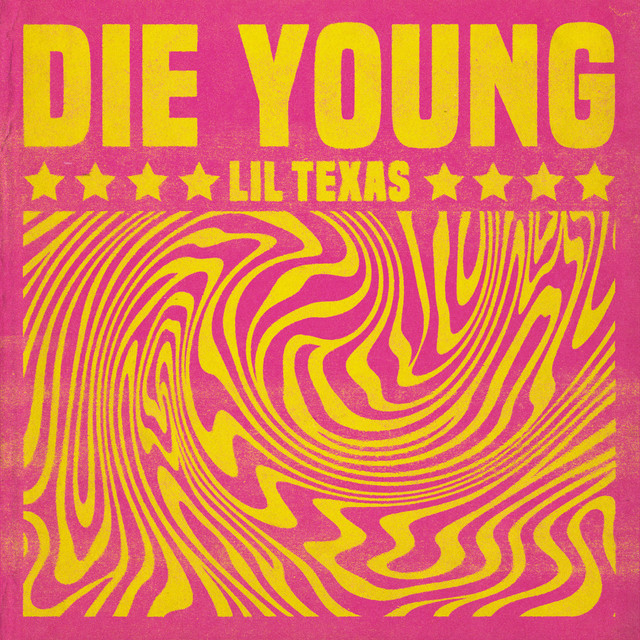
Die Young
Lil Texas
Gabber
Speedcore
Hardcore Techno
2025
2
/5
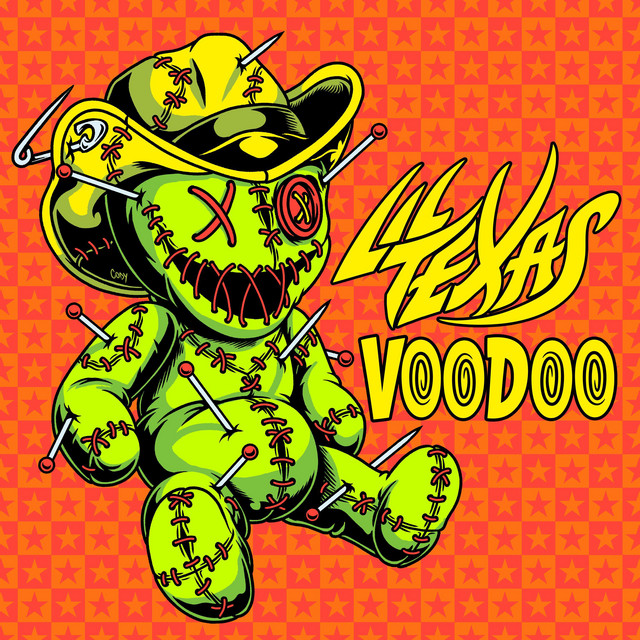
Voodoo
Lil Texas
Speedcore
2024
3
/5
NEED FOR SPEED
Lil Texas
Uptempo Hardcore
Frenchcore
Gabber
2023
3
/5
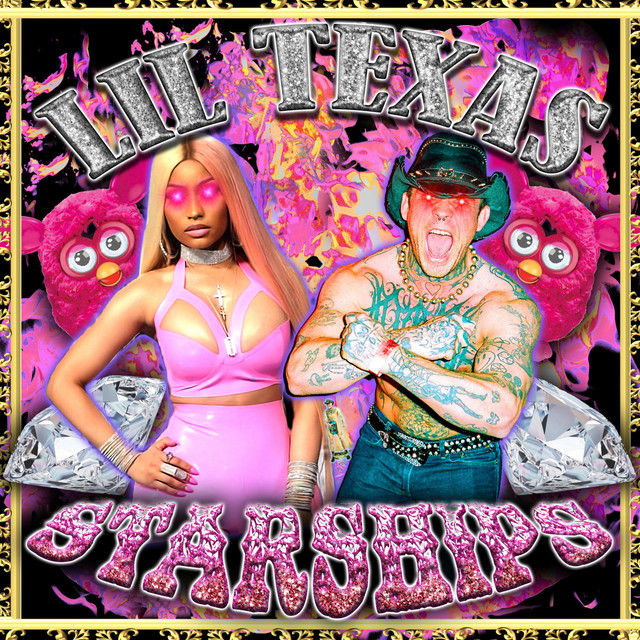
Starships
Lil Texas
Gabber
Speedcore
Hardcore Techno
2023
3
/5
TOO FAST
Lil Texas
Uptempo Hardcore
Country
Country Rock
2022
3
/5
Die Young
Lil Texas
Gabber
Hardcore
Hardcore Techno
2022
2
/5
FASTER
Lil Texas
Uptempo Hardcore
Frenchcore
Rawstyle
Similar artists
3
/5
Dimitri K
Uptempo Hardcore
Speedcore
Frenchcore
3
/5
Dr. Peacock
Frenchcore
Gabber
Hardcore
3
/5
D-Fence
Frenchcore
Gabber
Hardcore
3
/5
Angerfist
Gabber
Uptempo Hardcore
Speedcore
3
/5
N-Vitral
Speedcore
Gabber
Uptempo Hardcore
3
/5
Deadly Guns
Uptempo Hardcore
Gabber
Speedcore
3
/5
Remzcore
Frenchcore
Speedcore
Gabber
3
/5
D-Frek
Gabber
Speedcore
Frenchcore
3
/5
LunaKorpz
Gabber
Speedcore
Uptempo Hardcore
3
/5
Sefa
Frenchcore
Hardcore
Uptempo Hardcore
Download our mobile app
Get the Melodigging app and start digging for new genres on the go
Download on the App Store
Get it on Google Play
© 2026 Melodigging
Give feedback
Legal
Melodding was created as a tribute to
Every Noise at Once
, which inspired us to help curious minds keep digging into music's ever-evolving genres.